




Common voltage types of lithium polymer batteries for different applications
You often see 3.2V, 3.6V, 3.7V, and 4.2V when you look at lithium polymer batteries. These numbers show the voltage and help you match the right battery to your device. The voltage affects how well your device works and how safe it is. If you pick the wrong voltage, your device might not turn on or could get damaged. You need to know the common voltage types of lithium polymer batteries to make a smart choice.
Key Takeaways
- Learn about common lithium polymer battery voltages: 3.2V, 3.6V, 3.7V, and 4.2V. Each voltage works best for different devices.
- Always look at your device's manual to find the right battery voltage. If you use the wrong voltage, your device can break.
- If you need more power, connect cells in series. This makes the voltage higher. It is good for things like drones and power tools.
- Think about battery capacity (mAh) if you want longer use. A bigger capacity lets your device work longer before charging.
- Pick the correct charger for your battery’s voltage and series setup. This keeps your battery and device safe from harm.
Common Voltage Types of Lithium Polymer Batteries

3.2V, 3.6V, 3.7V, and 4.2V Cells
There are four main cell voltages you will see. Each one is good for different things.
- 3.2V cells use lithium iron phosphate chemistry. These are in devices that need steady and safe power. Some medical tools and backup systems use them.
- 3.6V and 3.7V cells are the most common. Many gadgets like smartphones and tablets use these. The small difference between 3.6V and 3.7V is because of how companies rate them. Both are in the same nominal voltage range.
- 4.2V cells show the highest charge level. You should not use this as the working voltage. Devices only reach this when fully charged. Most devices use the lower, nominal voltage.
You must pick the right voltage for your device. If you use the wrong one, your device might not work or could break. Always check your device’s manual for the correct voltage.
Series Configurations (1S, 2S, 3S, etc.)
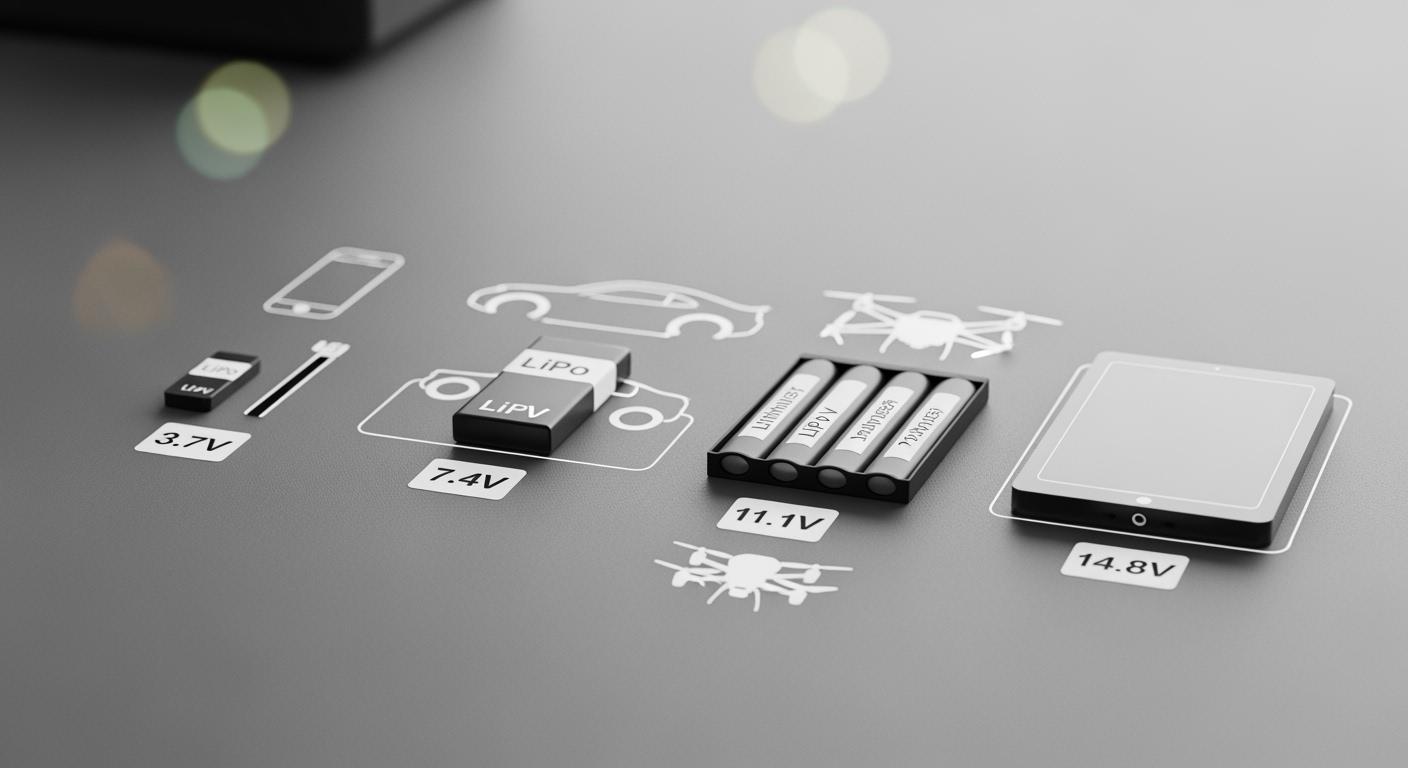
You can make the voltage higher by connecting cells in series. This makes a polymer battery pack with more voltage for bigger jobs.
- 1S means one cell in series. You get the basic cell voltage, like 3.7V.
- 2S means two cells in series. You double the voltage, so a 2S pack gives 7.4V.
- 3S means three cells in series. You get 11.1V.
- More cells in series give even higher voltage.
You find these packs in remote-controlled cars, drones, and power tools. These things need more power than one cell can give. When you pick a polymer battery pack, check if your device needs one cell or a series pack.
Tip: Always use a charger that matches your battery’s series configuration. Using the wrong charger can break the battery or your device.
Custom and Special Voltages
Some jobs need special voltages that normal cells do not give. Makers can build custom lithium polymer battery packs for these jobs. You find these custom packs in many areas. The table below shows some examples:
| Application/Industry | Description |
|---|---|
| Consumer Electronics | Used in smartphones, tablets, laptops, and wearable devices for efficient power solutions. |
| Remote-Controlled Models | Good for drones, RC cars, boats, and aircraft because they are light and give high power. |
| Medical and IoT Devices | Great for small medical monitors and fitness trackers because they can be made small and thin. |
| Other Applications | Includes robotics, portable power banks, and industrial equipment. |
You might need a custom voltage if your device has special power needs. Custom packs let you pick the right size, shape, and voltage for your project. This helps many industries use lithium polymer batteries in new ways.
Now you know the common voltage types of lithium polymer batteries. You also see how series packs and custom packs help with different needs. When you choose a battery, always check the voltage and make sure it matches your device.
Applications and Voltage Needs
Consumer Electronics
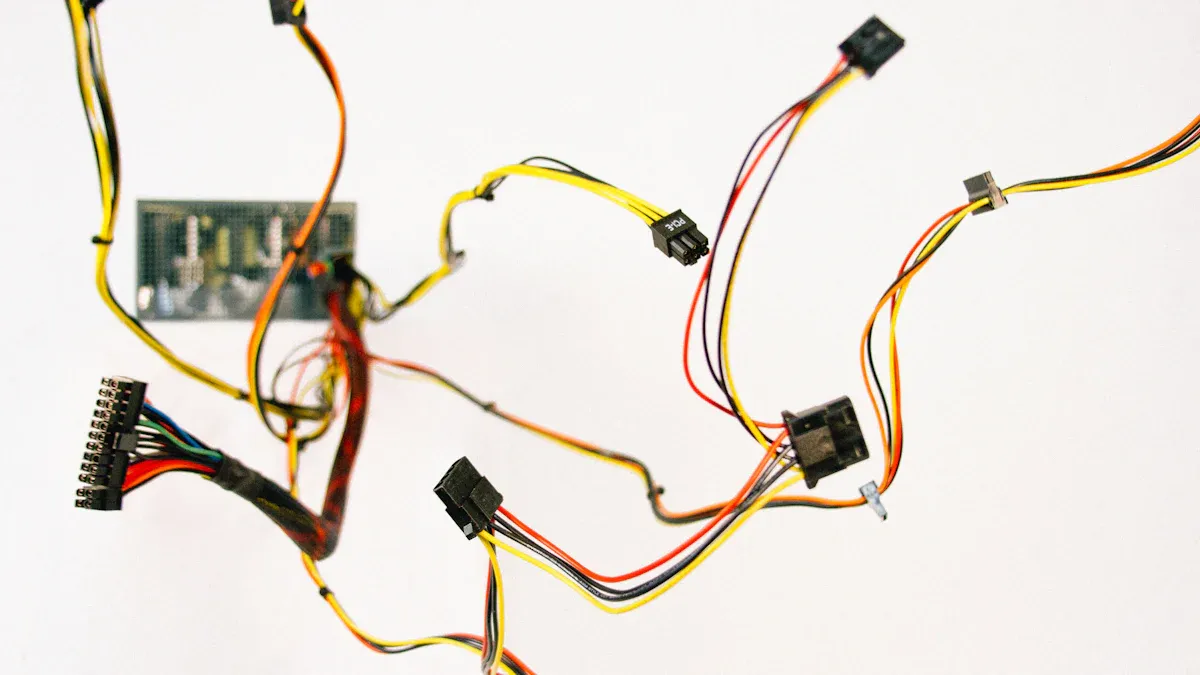
Lithium polymer batteries are in many gadgets you use daily. Devices like smartphones and tablets need safe and steady power. Most of these use 3.6V or 3.7V cells. These voltages help small devices last longer between charges. Wireless headphones and fitness trackers use these batteries too. The voltage helps keep electronics light and thin. Picking the right voltage makes battery life better and helps devices work well.
Note: Always read your device’s manual before picking a battery. Using the wrong voltage can harm your electronics.
Remote-Controlled Devices
Remote-controlled cars, drones, and boats need lots of power. These devices use battery packs with more cells in series. You often see 2S (7.4V) or 3S (11.1V) packs. Higher voltages make motors run faster and stronger. Drones use 3S or 4S packs for more lift and speed. RC cars need 2S or 3S packs for quick starts. You must match the battery voltage to your device’s motor and electronics.
| Device Type | Typical Voltage | Reason for Choice |
|---|---|---|
| RC Car | 7.4V (2S), 11.1V (3S) | Needs high speed and power |
| Drone | 11.1V (3S), 14.8V (4S) | Needs better lift and flight |
| RC Boat | 7.4V (2S), 11.1V (3S) | Needs strong motor performance |
Electric Vehicles and Tools
Electric bikes, scooters, and power tools use lithium polymer batteries. These need bigger packs and higher voltages. Electric vehicles often use 6S (22.2V) or more. Power tools use 18V or 21.6V packs for strong torque. The right voltage gives longer run times and better power. Lithium-ion battery technology keeps these devices light and easy to charge. Always pick a battery pack that matches your tool’s voltage rating.
Tip: Always use a charger made for your battery pack. This keeps your electric vehicles and tools safe.
Medical and Specialised Equipment
Medical and iot devices need safe and steady power from batteries. Medical monitors and oxygen machines use 3.2V or 3.7V cells. These voltages help devices work smoothly and safely. Some special equipment needs custom battery packs with different voltages. You see these in hospital devices and industrial sensors. The lithium-ion battery gives long life and reliability for important jobs.
- Medical monitors use 3.2V cells for safety.
- IoT sensors use 3.7V cells for long life.
- Specialised equipment may need custom voltages for special tasks.
Always check the voltage needs for medical and iot devices. The right battery keeps your equipment safe and working well.
Choosing the Right Voltage
Key Factors to Consider
You must pick a battery with the right voltage for your device. The voltage is very important and should fit your device’s design. If you use the wrong voltage, your device can get badly damaged. It is like how the wrong blood pressure can hurt your body. Always look at the label or manual to find the correct voltage before buying a battery.
Think about what your device does. Devices that need more power, like drones or electric bikes, use higher voltages. Small gadgets, like fitness trackers, use lower voltages. You also need to think about the battery type. A lithium polymer battery can hold a lot of energy in a small size. This is why many new electronics use them.
If you want your device to last longer, check the battery’s capacity too. A battery with more capacity lets your device work for more hours before charging.
Practical Selection Tips
When you pick a lithium polymer battery, use these tips to help you:
- Make sure the voltage (V) matches what your device needs. This stops damage to the electronics inside.
- Look at the capacity (mAh) to see how long the battery will last. More mAh means your device runs longer before you need to charge it.
- Read your device’s manual or check the old battery for voltage and capacity.
- Only use chargers that fit your battery’s voltage and series setup.
- If you do not know what to choose, ask the maker or a battery expert for help.
?️ Tip: Never use a battery with a voltage that is too high or too low for your device. This keeps your device safe and working well.
Picking the right voltage helps your device work its best and stay safe. Take time to check all the details before you buy a battery.
You now know about the main voltages for lithium polymer batteries: 3.2V, 3.6V, 3.7V, and 4.2V. Each voltage is good for different devices, from small gadgets to strong tools. Always look at your device’s manual before you pick a battery.
- Make sure the battery voltage fits your device for safety and best use.
- Ask an expert if you are not sure what to do.
Remember: Choosing the right voltage helps your device last longer and stay safe.
FAQ
What happens if you use the wrong battery voltage?
Your device can get damaged if you use the wrong voltage. It might not turn on. Sometimes, it can get too hot. Always read the manual before picking a battery.
How do you know which battery voltage your device needs?
Check your device’s manual for the right voltage. You can also look at the label on the old battery. If you still do not know, ask the maker or a battery expert.
Can you mix different battery voltages in one device?
Never mix batteries with different voltages in one device. This can make the battery stop working. Sometimes, it can even catch fire. Always use batteries with the same voltage and type.
Why do some devices need higher battery voltages?
Some devices need more power to work well. Electric bikes, drones, and power tools use higher voltages. This helps them go faster and work stronger. The right voltage helps your device do its job.
How do you safely charge a lithium polymer battery?
Use a charger made for your battery’s voltage and series setup. Using the wrong charger can break the battery or your device. Always follow the instructions to charge safely.
-

 May.2026.05.14Lithium-Ion Batteries – Key Factors Affecting Cycle Life & How to Extend ItLearn More
 -
 May.2026.05.14Chinese Scientists Develop Organic Pouch Cell Battery That Works from -70°C to 80°CLearn More
 -
 May.2026.05.1318650 7.2V 7000mAh 2S2P Li-ion Battery Pack: Complete Technical and OEM GuideLearn More
 -
 May.2026.05.13Battery Energy Storage Systems (BESS): The Complete 2026 Industry GuideLearn More
 -
 May.2026.05.11Lithium-Ion Batteries: Stable, Durable, and Reliable for Global ApplicationsLearn More