




Long Life Battery: What It Means, How It Works, and How to Choose the Right One
A long life battery is not simply a battery that lasts longer between charges.
In professional and industrial contexts, it refers to a battery that delivers stable performance, high cycle life, long calendar life, and consistent safety over years of operation.
At A&S Power, we design and manufacture custom long life lithium-ion and lithium-polymer battery packs for customers across Europe and North America. In this guide, we explain what truly defines a long life battery, which technologies perform best, and how businesses can select the right solution for their products.
What Is a Long Life Battery?
A long life battery is defined by two key dimensions:
Cycle Life
Cycle life measures how many charge–discharge cycles a battery can complete before its capacity drops to 80% of its original value.
Calendar Life
Calendar life refers to how many years a battery remains usable, even if it is not cycled frequently.
A battery may have:
-
High capacity but short life
-
Or moderate capacity with exceptional longevity
For B2B buyers, longevity is often more valuable than peak capacity.
Why Long Life Batteries Matter in Commercial & Industrial Applications
In commercial and industrial products, battery replacement is expensive and risky.
Key Business Impacts
-
Reduced maintenance cost
-
Fewer product recalls
-
Higher device reliability
-
Better end-user experience
-
Improved brand reputation
This is why medical devices, industrial equipment, and IoT products prioritize long life batteries over low-cost alternatives.
What Battery Technologies Offer the Longest Life?
Lithium-Ion Batteries (Li-ion)
Lithium-ion batteries are the most widely used long life rechargeable battery technology.
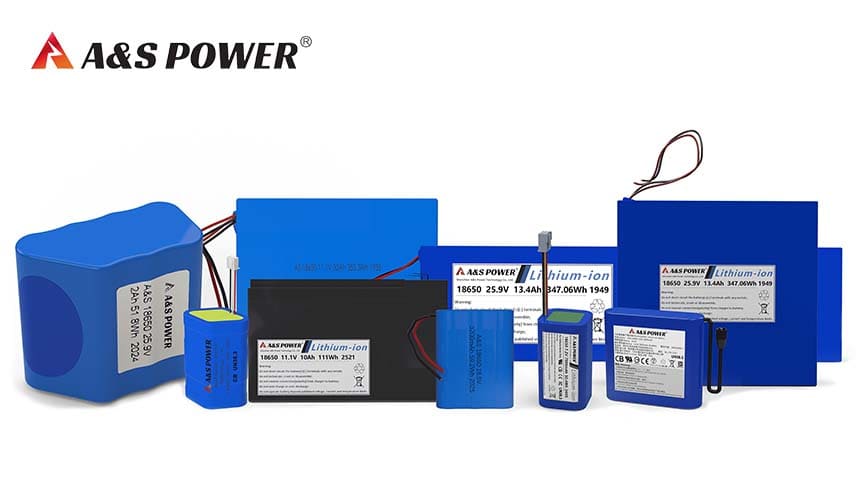
Typical performance:
-
Cycle life: 500–1,200 cycles
-
Calendar life: 3–8 years
-
Energy density: High
-
Maintenance: Low
High-quality Li-ion cells combined with a professional BMS can exceed 1,500 cycles in controlled applications.
Lithium Polymer Batteries (LiPo)
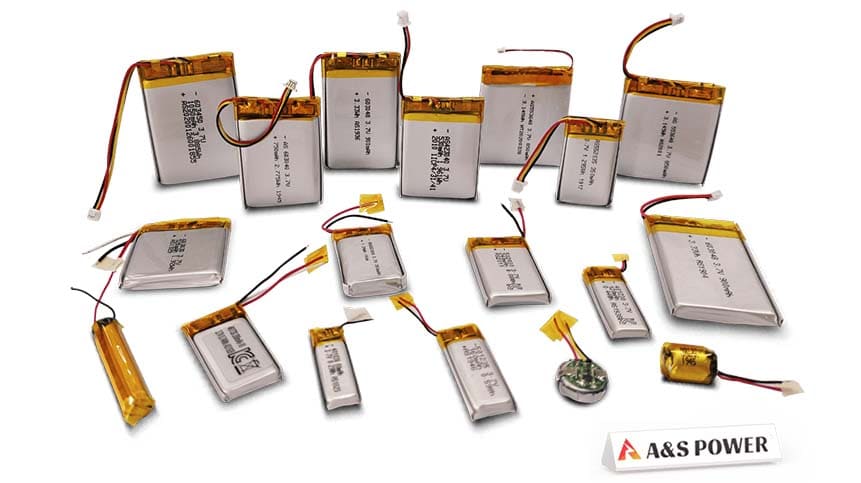
LiPo batteries offer:
-
Flexible form factors
-
Lightweight design
-
Stable performance
Cycle life typically ranges from 600–1,000 cycles, depending on depth of discharge and charging profile.
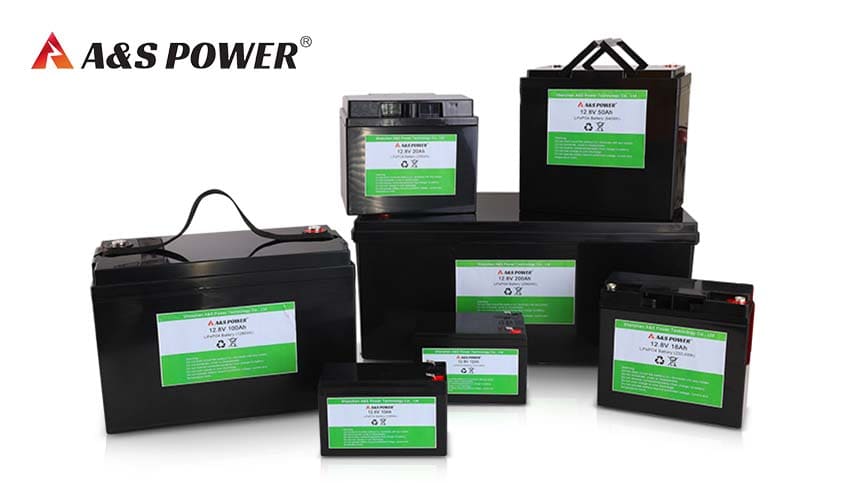
Lithium Iron Phosphate (LiFePO4)
For applications demanding extreme longevity, LiFePO4 is often chosen.
-
Cycle life: 2,000–4,000 cycles
-
Calendar life: 8–10 years
-
Lower energy density, but exceptional safety
Battery Life Comparison Table (Data-Supported)
| Battery Type | Typical Cycle Life | Calendar Life | Key Advantage |
|---|---|---|---|
| Li-ion (NMC) | 800–1,200 | 5–8 years | High energy density |
| LiPo | 600–1,000 | 4–6 years | Flexible design |
| LiFePO4 | 2,000–4,000 | 8–10 years | Ultra-long life |
| NiMH | 300–500 | 3–5 years | Low cost |
| Lead-acid | 200–400 | 2–4 years | Low upfront cost |
Source: IEC 61960, UL battery testing data, manufacturer lab tests
What Determines Battery Lifespan?
Depth of Discharge (DoD)
Shallower discharge = longer battery life.
Charging Voltage
Overcharging accelerates chemical degradation.
Operating Temperature
Optimal range: 15°C–25°C
Charge / Discharge Rate (C-rate)
Lower C-rates significantly extend cycle life.
Battery Management System (BMS)
A professionally designed BMS is essential for a true long life battery.
Long Life Batteries for Medical Devices
Medical devices demand absolute reliability.
Typical Medical Applications
-
Infusion pumps
-
Patient monitors
-
Portable diagnostic equipment
-
Wearable medical sensors
-
Home healthcare devices
Medical long life batteries require:
-
Stable voltage output
-
Redundant safety protection
-
Long cycle and calendar life
-
Compliance with IEC 62133, UN38.3, UL standards
Long Life Batteries for Industrial & IoT Devices
Industrial and IoT products often operate:
-
Continuously
-
In harsh environments
-
With limited maintenance access
Long life batteries reduce:
-
Downtime
-
Service costs
-
System failures
Custom lithium battery packs allow optimization for longevity rather than peak power.
Can a Battery Be Designed for Longer Life?
Yes — battery life is largely determined at the design stage.
At A&S Power, we optimize:
-
Cell chemistry selection
-
Series/parallel configuration
-
Charge voltage limits
-
Thermal management
-
BMS algorithms
Long Life Battery vs High Capacity Battery
| Feature | Long Life Battery | High Capacity Battery |
|---|---|---|
| Cycle life | High | Medium |
| Energy density | Medium | High |
| Replacement frequency | Low | Higher |
| Best for | Medical, industrial | Consumer electronics |
Choosing the wrong type often leads to premature failure and higher total cost.
Certifications That Support Battery Longevity
Compliance is not just about safety — it also indicates quality.
Key certifications:
-
UN38.3 (transport reliability)
-
UL 2054 / UL 1642
-
CE compliance (EU market)
How to Choose a Long Life Battery Supplier
Ask These Questions
-
Is cycle life data provided?
-
Is the battery tested under real conditions?
-
Is a custom BMS available?
-
Are certifications included?
-
Can the supplier support long-term production?
A long life battery is only as good as the manufacturer behind it.
FAQ – Long Life Battery
What is considered a long life battery?
A battery with high cycle life, long calendar life, and stable performance over years.
Which battery has the longest lifespan?
LiFePO4 batteries typically offer the longest cycle life.
Do lithium batteries lose capacity over time?
Yes, but high-quality designs retain 80% capacity after rated cycles.
Can charging habits extend battery life?
Yes. Controlled charging significantly increases lifespan.
Are long life batteries more expensive?
Upfront cost may be higher, but total cost of ownership is lower.
Final Thoughts: Why Long Life Batteries Are a Strategic Choice
A long life battery is not just a component — it is a long-term investment.
For businesses selling products in Europe and North America, choosing the right battery partner directly affects:
-
Product reliability
-
Compliance success
-
Brand trust
-
Customer satisfaction
At A&S Power, we help customers engineer custom long life lithium battery solutions built for years of dependable performance.
-

 May.2026.09.17Meet A&S Power at KES 2026 in Seoul – Custom Lithium Battery SolutionsLearn More
 -
 May.2026.09.16How to Choose a Custom Lithium Battery Manufacturer in China: A Buyer's GuideLearn More
 -
 May.2026.09.15Can VHR-4N Connectors Work With 14 AWG Battery Wires?Learn More
 -
 May.2026.09.14Who Pays UL Battery Certification Maintenance Fees?Learn More
 -
 May.2026.09.11PTC vs PCM: Why Use Both in Lithium Battery Protection?Learn More