


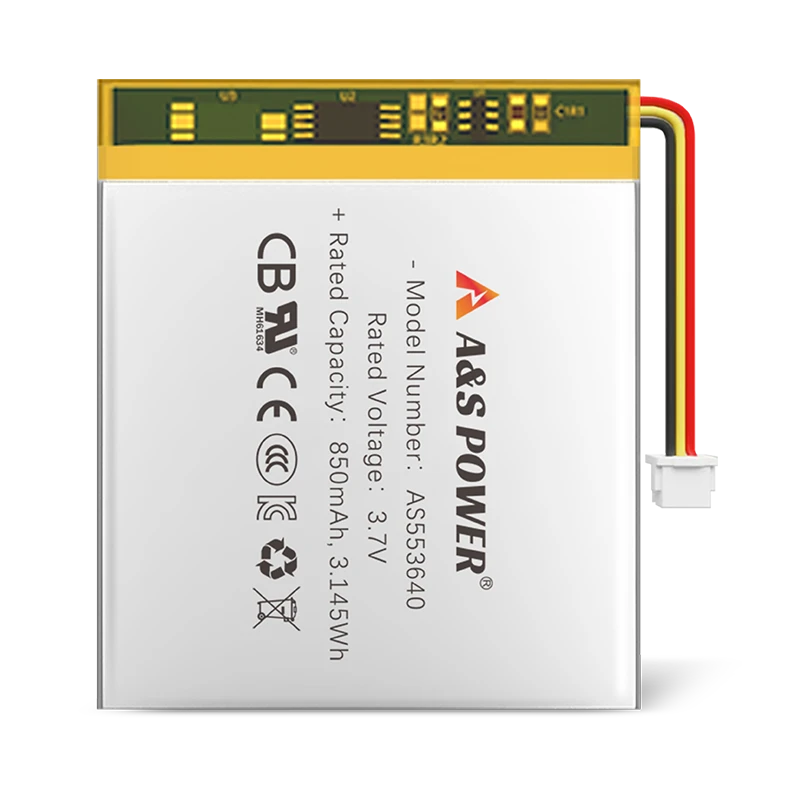
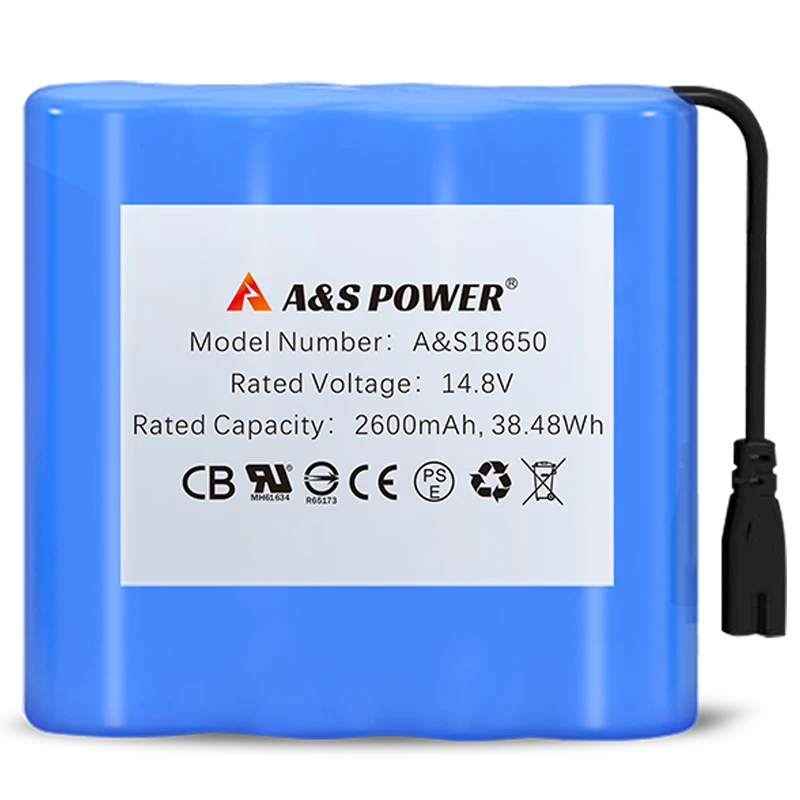
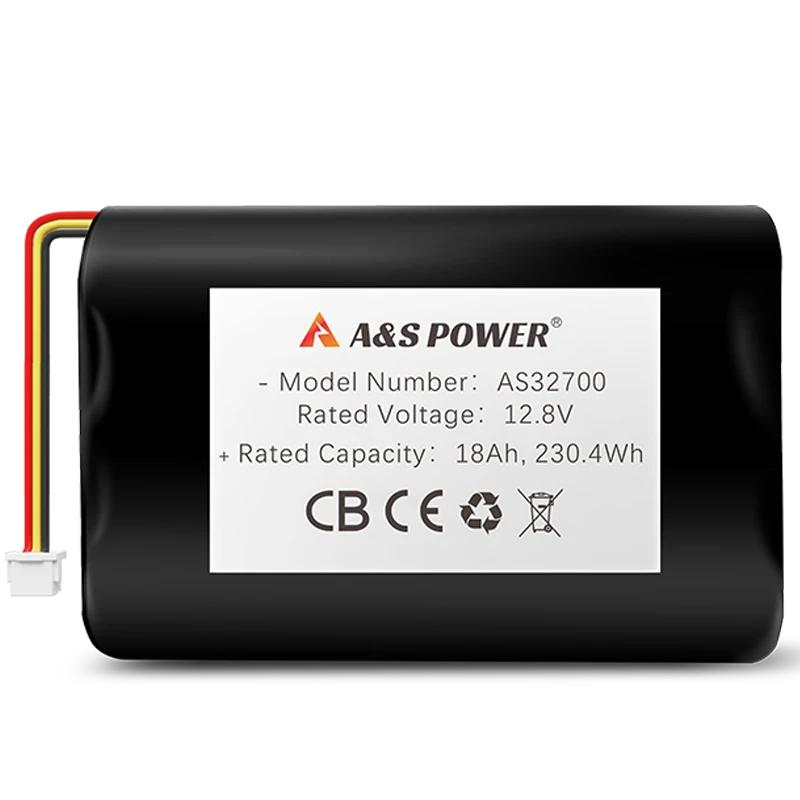


High Energy Density Micro Battery for Wearables OEM: The Complete Industry Guide
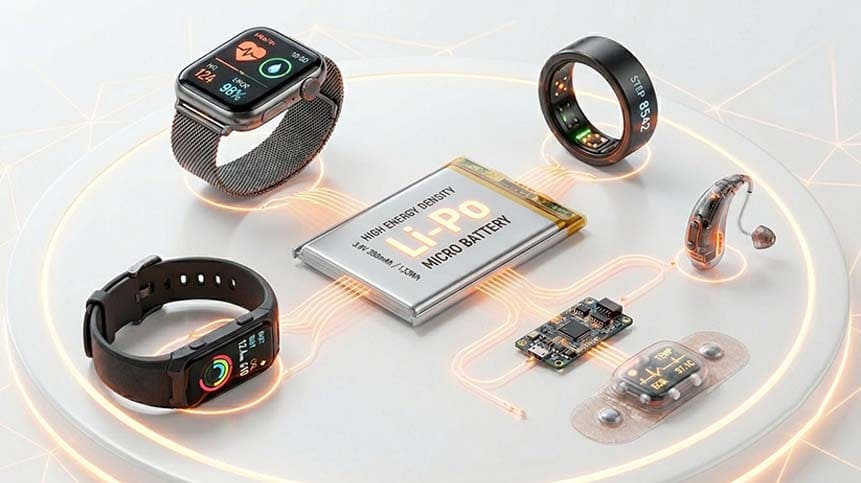
Quick Answer:
A high energy density micro battery is a compact rechargeable battery designed to deliver maximum capacity within minimal space. These batteries are widely used in smart watches, smart rings, fitness trackers, hearing aids, medical wearables, AR glasses, and IoT devices where size, weight, runtime, and safety are critical.
For OEM wearable device manufacturers, battery selection directly impacts:
- Product thickness
- Device weight
- Runtime
- Charging frequency
- User experience
- Product lifespan
- Certification compliance
As wearable electronics continue becoming smaller and more powerful, high energy density lithium polymer batteries have become the preferred energy solution for next-generation wearable products.
Why High Energy Density Matters in Wearable Devices
Wearable electronics operate under unique constraints.
Unlike smartphones or laptops, wearable products must fit comfortably on the human body while maintaining long operating times.
Manufacturers constantly face the challenge of balancing:
- Smaller size
- Longer battery life
- Faster charging
- Improved safety
- Lower weight
A battery with higher energy density stores more energy per unit volume or weight.
This allows designers to either:
- Increase runtime without increasing device size.
- Reduce device size while maintaining the same runtime.
For wearable products, both advantages are extremely valuable.
Understanding High Energy Density Micro Batteries
What Is Energy Density?
Energy density refers to the amount of electrical energy stored within a battery relative to its size or weight.
Two common measurements include:
| Metric | Unit | Description |
|---|---|---|
| Gravimetric Energy Density | Wh/kg | Energy per unit weight |
| Volumetric Energy Density | Wh/L | Energy per unit volume |
For wearable devices, volumetric energy density is often the most critical factor because available space is extremely limited.
Common Battery Technologies Used in Wearables
| Battery Type | Energy Density | Rechargeable | Typical Wearable Use |
|---|---|---|---|
| Coin Cell Battery | Low | Some models | Basic trackers |
| Lithium Polymer Battery | High | Yes | Smart watches |
| Lithium-ion Battery | High | Yes | Medical devices |
| Zinc Air Battery | Moderate | Limited | Hearing aids |
| Solid-State Battery | Emerging | Yes | Future wearables |
Currently, lithium polymer batteries remain the dominant solution for wearable OEM projects due to their excellent balance of energy density, safety, flexibility, and customization.
Key Applications of Micro Batteries in Wearable Technology
Smart Watches
Modern smart watches integrate:
- Heart rate sensors
- GPS modules
- Bluetooth communication
- AMOLED displays
- AI processing
These features demand batteries with high energy density and reliable discharge performance.
Smart Rings
Smart rings represent one of the most challenging battery applications in the industry.
Engineers must fit:
- Sensors
- Wireless charging coils
- MCU chips
- Batteries
inside an extremely small enclosure.
Custom curved lithium polymer batteries are becoming increasingly common in smart ring designs.
Fitness Trackers
Fitness bands require:
- Lightweight construction
- Long standby time
- Frequent charging cycles
Micro LiPo batteries help achieve battery life targets while maintaining slim product profiles.
Medical Wearables
Examples include:
- ECG monitors
- Continuous glucose monitors
- Patient monitoring devices
- Wearable diagnostic equipment
Medical applications require exceptional reliability, certification compliance, and cycle life.
Hearing Aids
Hearing aid manufacturers increasingly adopt rechargeable lithium batteries to improve user convenience and reduce disposable battery waste.
Key Design Challenges for Wearable Battery OEM Projects
Limited Internal Space
The smaller the wearable device becomes, the more difficult battery integration becomes.
OEM battery suppliers often need to customize:
- Length
- Width
- Thickness
- Shape
- Connector design
to maximize available internal volume.
Heat Management
Wearable devices remain in direct contact with human skin.
Battery overheating can negatively affect:
- Comfort
- Performance
- Safety
Proper battery design and protection circuitry are therefore essential.
Battery Safety Requirements
Wearable products often undergo extensive safety testing.
Common requirements include:
- Overcharge protection
- Over-discharge protection
- Short-circuit protection
- Temperature protection
- Mechanical reliability testing
OEM Customization Options for Wearable Batteries
A professional battery OEM supplier can customize:
Battery Dimensions
Custom dimensions enable better use of available space.
Examples:
- 20×20×3 mm
- 25×18×4 mm
- 30×20×5 mm
or completely customized formats.
Ultra-Thin Battery Designs
Ultra-thin batteries may be produced with thicknesses below 3 mm for:
- Smart cards
- Health patches
- Smart watches
- Medical sensors
Curved and Shaped Batteries
Custom-shaped batteries improve space utilization inside:
- Smart rings
- Smart helmets
- AR glasses
- Specialized wearable devices
Connector and Cable Customization
OEM customers may require:
- Molex connectors
- JST connectors
- Custom cables
- FPC connectors
to simplify assembly processes.
Wearable Battery Certification Requirements
International certifications are increasingly important for global product launches.
Common Certifications
| Certification | Purpose |
|---|---|
| UN38.3 | Transportation safety |
| IEC62133 | Battery safety |
| UL1642 | Cell safety |
| UL2054 | Battery pack safety |
| CE | European market compliance |
| RoHS | Environmental compliance |
| KC | South Korea compliance |
| PSE | Japan compliance |
Selecting batteries with appropriate certifications can significantly reduce product development risks.
Factors Affecting Wearable Battery Life
Battery runtime depends on multiple variables.
Display Consumption
Large AMOLED displays can account for a significant percentage of power usage.
Wireless Connectivity
Continuous Bluetooth, Wi-Fi, or cellular communication increases power consumption.
Sensor Activity
Common sensors include:
- Heart rate sensors
- SpO2 sensors
- Accelerometers
- Gyroscopes
- GPS modules
Higher sampling frequency results in higher battery drain.
Battery Capacity
Greater capacity generally results in longer runtime, provided device power consumption remains unchanged.
Emerging Trends in Wearable Battery Technology
Higher Energy Density Materials
Battery manufacturers continue improving electrode materials to increase energy storage capability without enlarging battery size.
Flexible Batteries
Flexible battery structures may enable:
- Smart clothing
- Electronic skin
- Flexible health monitors
Solid-State Batteries
Solid-state technology promises:
- Improved safety
- Higher energy density
- Longer cycle life
Although commercialization is progressing, lithium polymer batteries currently remain the dominant OEM solution.
Why OEM Brands Choose A&S Power
At A&S Power, we have supported wearable electronics manufacturers with customized lithium battery solutions for years.
Our capabilities include:
- Custom battery dimensions
- Ultra-thin lithium polymer batteries
- Curved and shaped battery designs
- OEM and ODM support
- Global certification support
- Prototype development
- Mass production capability
We work closely with engineers during every phase of product development to optimize battery performance, safety, and manufacturability.
Whether your project involves a smart watch, smart ring, fitness tracker, medical wearable, GPS tracker, or next-generation IoT device, selecting the right battery partner can significantly accelerate product development and market success.
Partner with A&S Power
We have the best certifications and certificates, if necessary, please contact us to send your specific requirements, such as voltage, capacity, shape, size, working current, etc. We can customize and meet your needs according to your needs. The best lithium battery matches the equipment, we are happy to provide you with test samples and will reply to you as soon as possible.
Our goal is not simply to supply batteries—we help customers create reliable power systems that enhance product performance, user experience, and long-term market success.
Need a custom wearables battery solution? Contact A&S Power to discuss your project requirements, battery specifications, certification needs, and production goals.
Conclusion
High energy density micro batteries have become a foundational technology behind modern wearable electronics. As consumer expectations continue to rise, OEM manufacturers must balance compact dimensions, long runtime, safety, reliability, and certification compliance. By partnering with an experienced battery manufacturer capable of delivering customized lithium polymer solutions, wearable device brands can accelerate product innovation and gain a competitive advantage in a rapidly expanding market.
For smart watches, smart rings, medical wearables, fitness trackers, and emerging IoT devices, high energy density micro batteries will remain one of the most critical design components shaping the future of wearable technology.
FAQ
What is a high energy density micro battery?
A high energy density micro battery is a compact rechargeable battery designed to store maximum energy within a limited physical space, making it ideal for wearable electronics.
Which battery chemistry is best for wearable devices?
Lithium polymer batteries are currently the most widely adopted solution because they offer high energy density, lightweight construction, flexible form factors, and rechargeable performance.
Can wearable batteries be customized?
Yes. OEM battery manufacturers can customize battery size, shape, thickness, capacity, connectors, protection circuits, and cable configurations.
What certifications should wearable batteries have?
Most global wearable products require certifications such as UN38.3, IEC62133, CE, RoHS, UL1642, UL2054, KC, or PSE depending on the target market.
How long do wearable batteries typically last?
Most lithium polymer wearable batteries achieve approximately 300–800 charge cycles, depending on battery chemistry, charging conditions, operating temperature, and usage patterns.
Are custom-shaped batteries available for smart rings?
Yes. Curved and custom-shaped lithium polymer batteries are increasingly used in smart rings to maximize available internal space while maintaining acceptable runtime.
-

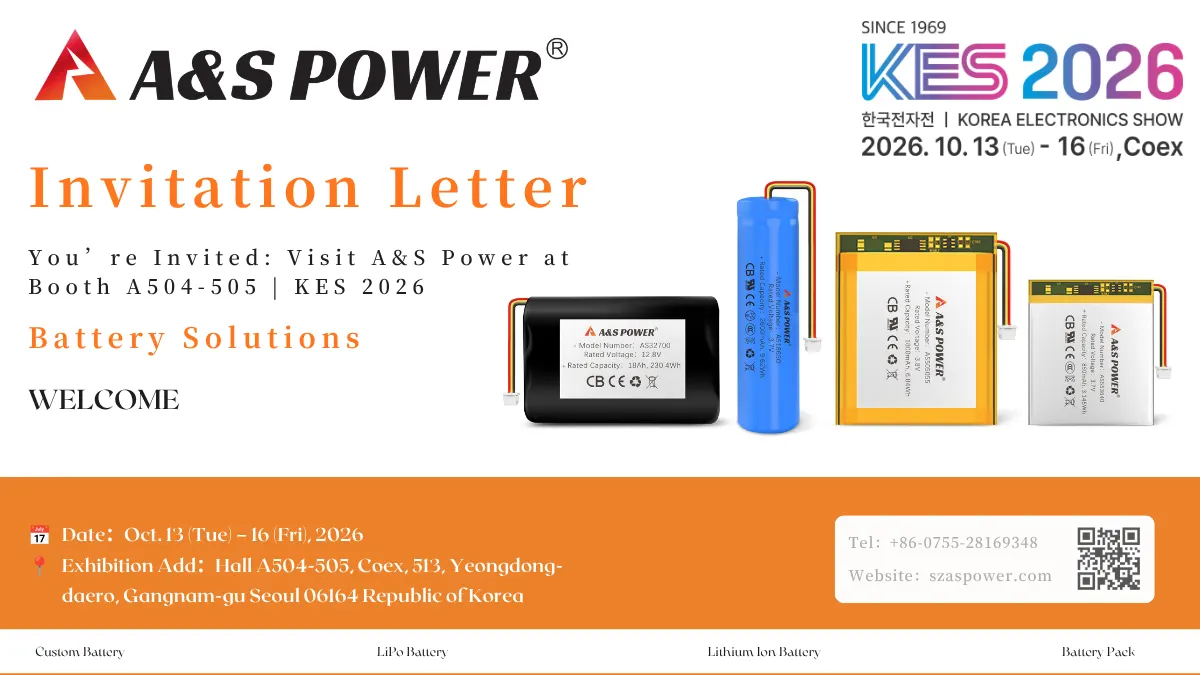 May.2026.09.17Meet A&S Power at KES 2026 in Seoul – Custom Lithium Battery SolutionsLearn More
 -
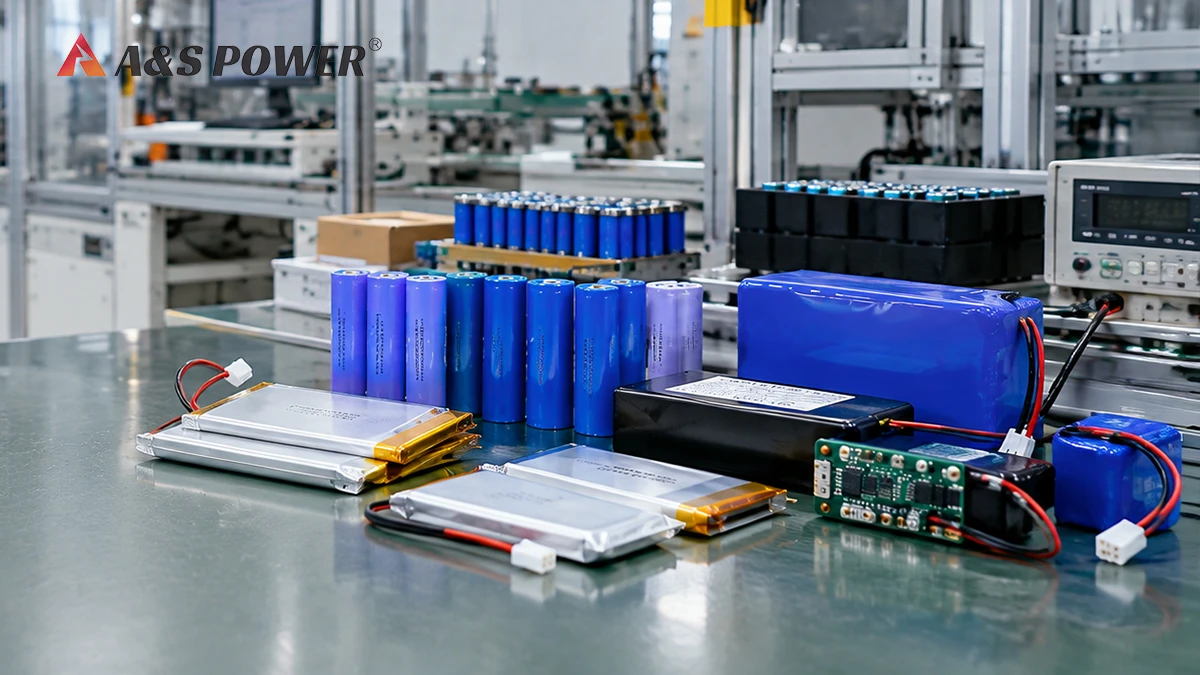 May.2026.09.16How to Choose a Custom Lithium Battery Manufacturer in China: A Buyer's GuideLearn More
 -
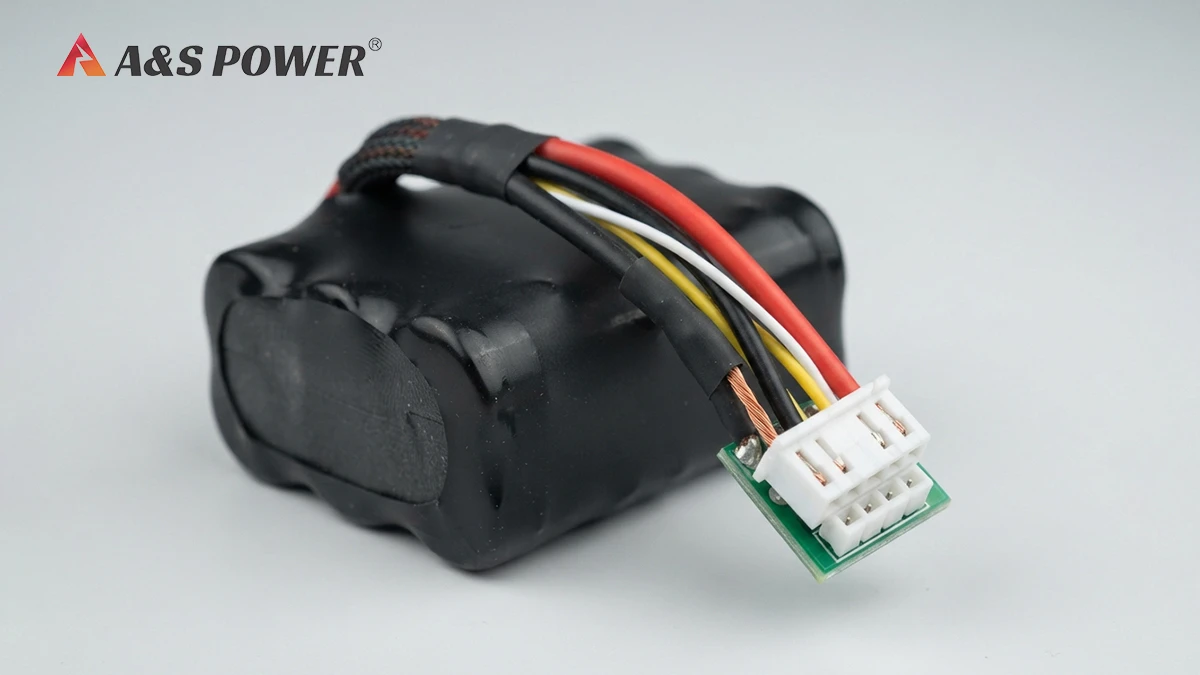 May.2026.09.15Can VHR-4N Connectors Work With 14 AWG Battery Wires?Learn More
 -
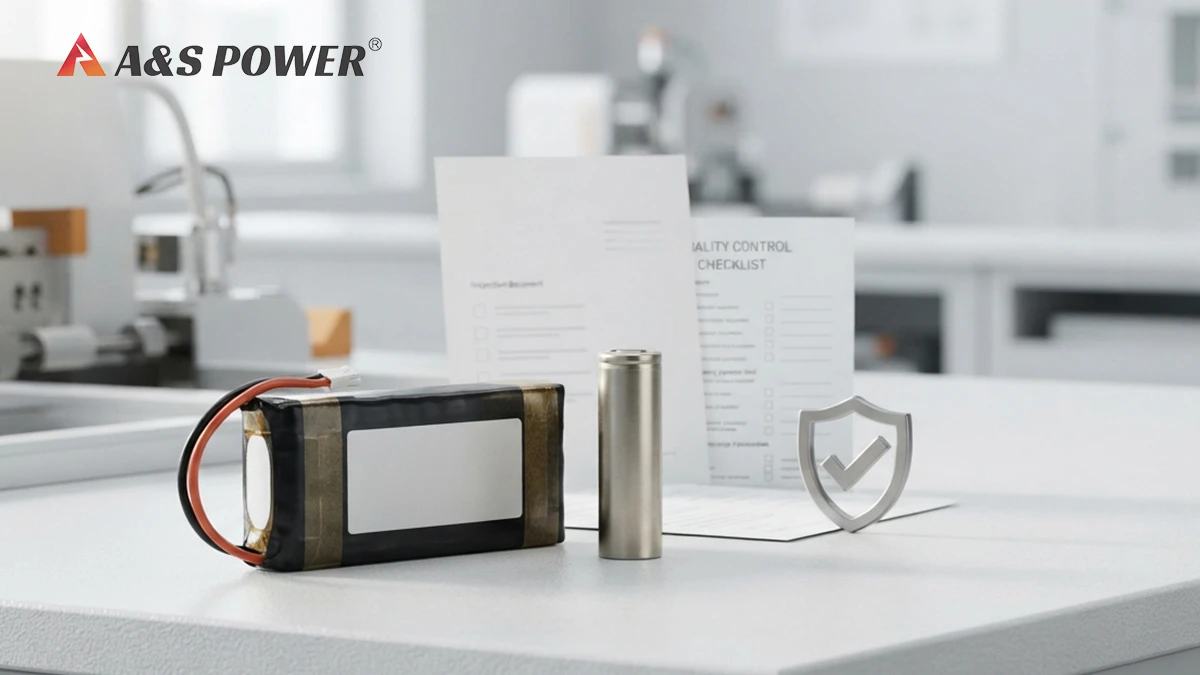 May.2026.09.14Who Pays UL Battery Certification Maintenance Fees?Learn More
 -
 May.2026.09.11PTC vs PCM: Why Use Both in Lithium Battery Protection?Learn More