


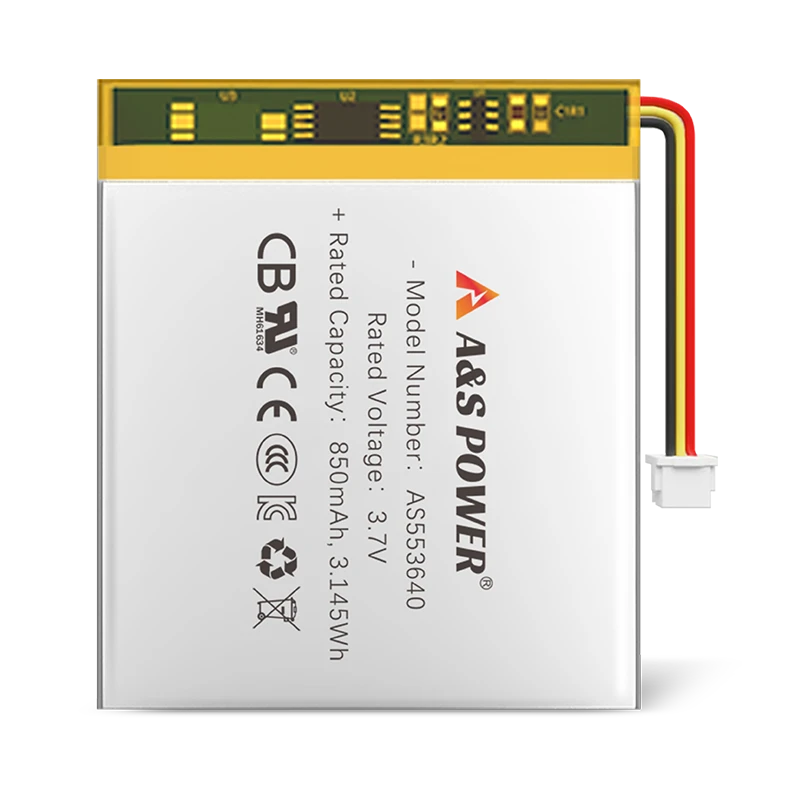
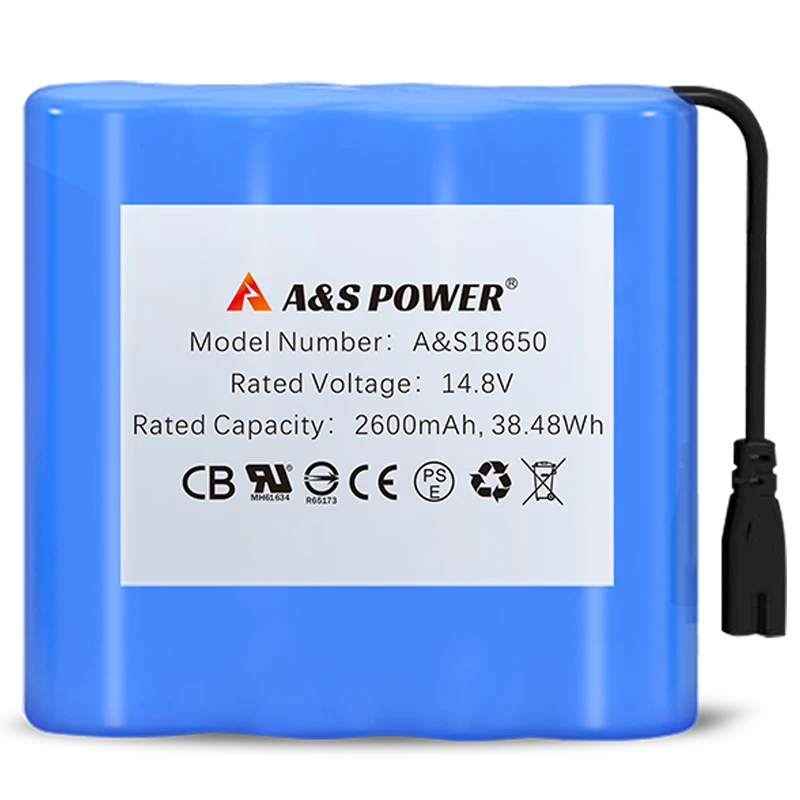
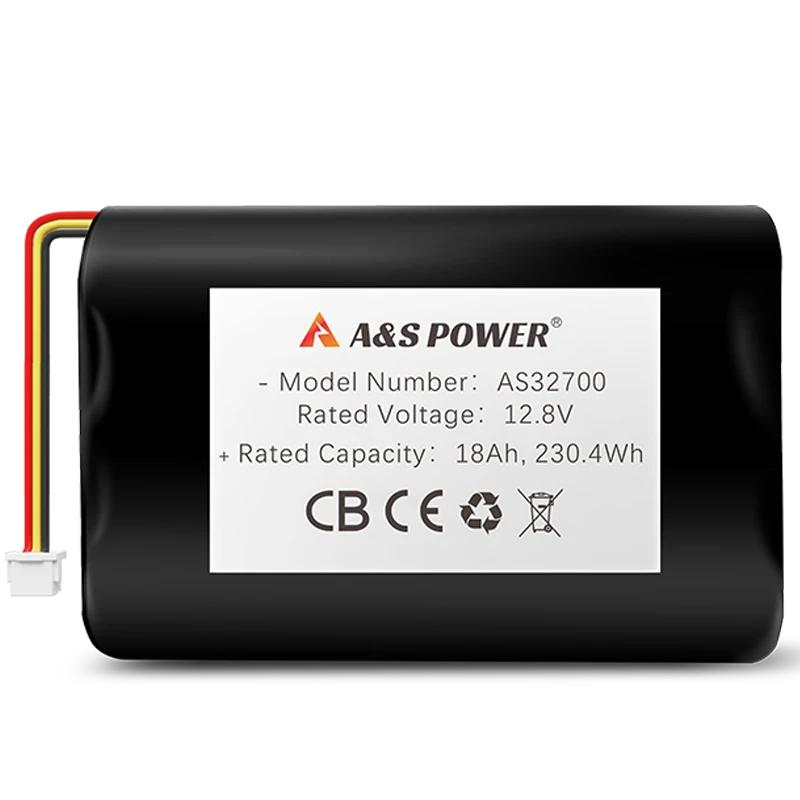


Custom UL2054 Certified Lithium Polymer Battery Pack: Complete OEM Guide
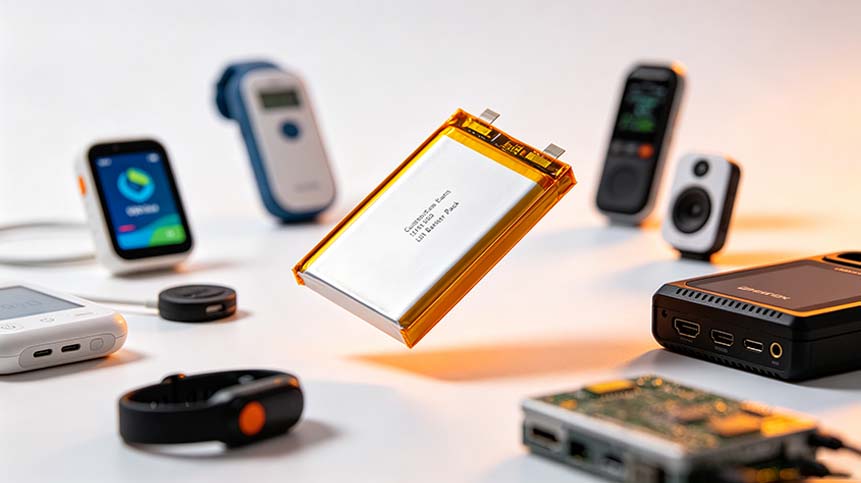
Introduction
As OEM electronic products become thinner, smarter, and more portable, battery safety and regulatory compliance are no longer optional. In our experience working with device manufacturers across medical electronics, wearable technology, GPS tracking systems, industrial handheld devices, and consumer electronics, one requirement appears repeatedly during product development: UL2054 certification.
A custom UL2054 certified lithium polymer battery pack is more than just a power source. It represents a combination of electrical safety, transportation compliance, manufacturing quality control, and long-term product reliability.
For many buyers, especially in North America, UL2054 certification has become a critical purchasing standard. Without it, products may face import delays, failed compliance testing, retail rejection, or increased liability risks.
In this guide, we explain:
- What UL2054 certification actually means
- How custom lithium polymer battery packs are designed
- Differences between UL2054, UL1642, IEC62133, and UN38.3
- Key safety tests and compliance requirements
- Typical applications and industry use cases
- OEM customization options
- Common certification mistakes
- How to choose a reliable battery manufacturer
What Is a UL2054 Certified Battery Pack?
UL2054 is a safety standard developed by UL Solutions for household and commercial battery packs.
The certification evaluates whether a rechargeable battery pack can operate safely under normal use and foreseeable abuse conditions.
Unlike single-cell certification standards, UL2054 focuses on the entire battery pack system, including:
- Lithium polymer cells
- Protection circuit module (PCM/BMS)
- Wiring and connectors
- Enclosure materials
- Thermal protection systems
- Charging/discharging behavior
For OEM product manufacturers, UL2054 certification demonstrates that the battery pack has undergone third-party safety testing and complies with recognized North American safety requirements.
What Products Typically Require UL2054 Batteries?
UL2054-certified lithium polymer battery packs are commonly used in:
- Medical devices
- Smart wearable electronics
- GPS tracking systems
- Portable amplifiers
- Consumer electronics
- Wireless communication devices
- Smart home products
- Portable testing instruments
- Handheld scanners
- IoT equipment
- Breast pumps
- Hearing assistance devices
Many Amazon, Walmart, and North American retail channels increasingly expect battery-powered products to use certified battery systems.
What Is the Difference Between UL2054 and UL1642?
One of the most misunderstood topics in the lithium battery industry is the difference between UL2054 and UL1642.
UL1642 Covers Individual Cells
UL1642 applies to individual lithium cells.
This certification evaluates:
- Cell construction
- Internal safety
- Electrochemical stability
- Abuse resistance
A lithium polymer pouch cell may be UL1642 recognized before being integrated into a battery pack.
UL2054 Covers the Entire Battery Pack
UL2054 applies to the completed rechargeable battery assembly.
It evaluates:
- Electrical protection
- Pack integration safety
- Mechanical integrity
- Short-circuit protection
- Temperature behavior
- Charger interaction
UL2054 vs Other Battery Standards
| Standard | Scope | Purpose |
|---|---|---|
| UL1642 | Single lithium cell | Cell safety evaluation |
| UL2054 | Battery pack | System-level safety certification |
| UN38.3 | Transportation | Shipping safety compliance |
| IEC62133 | Global safety | International device compliance |
For OEM projects, manufacturers often need multiple certifications simultaneously.
Why UL2054 Certification Matters
From our industry experience, certification is often treated as a late-stage requirement. However, battery compliance should be considered during the earliest design phase.
Improved Product Safety
UL2054 testing helps reduce risks associated with:
- Thermal runaway
- Overcharging
- Short circuits
- Mechanical damage
- Fire hazards
This is particularly important for wearable and medical devices operating near the human body.
Easier North American Market Access
Many distributors, importers, and retailers request UL-certified battery systems before accepting products.
UL2054 certification can help simplify:
- Product approvals
- Retail onboarding
- Insurance evaluations
- Customs inspections
Increased Buyer Trust
OEM buyers increasingly associate certified battery packs with:
- Higher manufacturing quality
- Better reliability
- Lower recall risk
- Stronger compliance management
Key Safety Tests in UL2054 Certification
UL2054 certification involves extensive testing under electrical, thermal, and mechanical stress conditions.
Below are some common evaluations.
Electrical Abuse Testing
| Test Item | Purpose |
|---|---|
| Short Circuit Test | Evaluates overheating risk |
| Overcharge Test | Verifies protection system response |
| Forced Discharge Test | Checks cell stability |
| Abnormal Charging Test | Simulates charger failures |
Mechanical Abuse Testing
| Test Item | Purpose |
|---|---|
| Vibration Test | Simulates transportation stress |
| Crush Test | Evaluates mechanical resistance |
| Impact Test | Simulates accidental drops |
| Shock Test | Tests structural integrity |
Environmental Testing
| Test Item | Purpose |
|---|---|
| Thermal Cycling | Evaluates temperature durability |
| High Temperature Exposure | Verifies thermal stability |
| Humidity Testing | Checks insulation reliability |
These tests are designed to identify potential safety failures before commercial deployment.
Custom Lithium Polymer Battery Design Process
A custom UL2054 certified lithium polymer battery pack typically begins with application analysis.
Step 1: Define Device Requirements
Key specifications include:
- Operating voltage
- Capacity requirements
- Maximum discharge current
- Device dimensions
- Charging method
- Operating temperature
- Product lifespan targets
For example:
| Application | Typical Voltage | Common Capacity |
|---|---|---|
| Wearable Device | 3.7V | 300–1000mAh |
| GPS Tracker | 3.7V–7.4V | 1500–5000mAh |
| Medical Device | 7.4V | 2000–10000mAh |
| Portable Audio Device | 11.1V–14.8V | 5000–15000mAh |
Step 2: Cell Selection
The battery manufacturer selects suitable lithium polymer cells based on:
- Energy density
- Cycle life
- Thickness limitations
- Discharge performance
- Certification status
For UL2054 projects, using UL-recognized cells can simplify certification processes.
Step 3: PCM/BMS Integration
Protection circuitry is critical for:
- Overcharge protection
- Over-discharge protection
- Overcurrent control
- Temperature monitoring
- Cell balancing
A poorly designed protection system is one of the most common reasons battery packs fail certification.
Step 4: Mechanical Structure Design
Battery pack construction includes:
- Insulation materials
- Wire routing
- Connector integration
- Foam protection
- Enclosure design
Mechanical reliability directly affects vibration and impact test performance.
Step 5: Prototype Testing
Before formal certification:
- Electrical validation
- Thermal testing
- Aging evaluation
- Cycle life analysis
- Charger compatibility testing
are typically completed internally.
Industries Using Custom UL2054 Certified LiPo Battery Packs
Medical Electronics |
Smart Wearables |
Industrial Equipment |
Consumer Electronics |
|---|---|---|---|
|
Medical devices require:
Common applications:
|
Wearable electronics prioritize:
LiPo pouch cells are widely used because of their flexible form factors. |
Industrial handheld devices often require:
|
Applications include:
|
How to Choose a Reliable UL2054 Battery Manufacturer
Selecting the right supplier is critical for certification success and long-term product quality.
1. Verify Real Certification Capability
Ask suppliers:
- Is the battery pack already UL2054 certified?
- Can they provide certification file numbers?
- Are cells UL recognized?
- Can they support custom certification projects?
Avoid suppliers that only claim “UL materials” without actual pack certification.
2. Evaluate Engineering Support
A qualified manufacturer should support:
- Battery structure design
- PCM development
- Thermal analysis
- Certification coordination
- Prototype optimization
3. Check Production Quality Systems
Look for:
- ISO9001 certification
- Traceability systems
- Aging tests
- Incoming material inspection
- Reliability testing procedures
4. Review Industry Experience
Manufacturers serving:
- Medical electronics
- Industrial equipment
- Smart wearables
typically have stronger compliance capabilities.
Common Mistakes in Battery Certification
Using Non-Certified Cells
Even high-quality cells can delay certification if they lack proper recognition documentation.
Ignoring Thermal Design
Poor thermal management increases:
- Safety risk
- Certification failures
- Cycle degradation
Late Certification Planning
Many OEMs begin certification only after product tooling is complete, leading to redesign costs.
Low-Quality PCM Design
Protection circuitry quality directly impacts:
- Safety
- Reliability
- Compliance approval rates
Conclusion
A custom UL2054 certified lithium polymer battery pack is not simply a technical component—it is a critical part of product safety, compliance strategy, and long-term market success.
For OEM manufacturers entering North American markets, certification planning should begin during the earliest stages of product development.
The most successful battery projects usually share several characteristics:
- Certified cell sourcing
- Reliable protection circuitry
- Thermal-focused mechanical design
- Early compliance planning
- Strong manufacturing quality systems
As electronic products become more compact and power-intensive, battery safety standards will continue becoming more important across global markets.
Companies that invest in certified, well-engineered lithium polymer battery solutions are better positioned to improve reliability, reduce compliance risk, and build stronger customer trust.
FAQ
A UL2054 certified battery pack is a rechargeable battery assembly tested for electrical, mechanical, and thermal safety according to UL safety standards.
No. UL1642 applies to individual lithium cells, while UL2054 applies to the complete battery pack assembly.
Yes. Lithium polymer battery packs can be UL2054 certified if they meet construction and safety testing requirements.
OEM buyers use UL2054 certification to reduce safety risks, simplify compliance approvals, and improve product reliability.
No. UN38.3 only covers transportation safety. Many products also require UL2054 or IEC62133 depending on the target market.
Certification timelines vary depending on design complexity, documentation quality, and test results. Projects often take several weeks to several months.
-

 May.2026.09.24Optimal Li-Polymer Battery Charge Voltage ExplainedLearn More
 -
 May.2026.09.24Optimal LiFePO4 Charge Voltage Explained: 12V, 24V and 48VLearn More
 -
 May.2026.09.22Can All Lithium Batteries Be Recharged?Learn More
 -
 May.2026.09.21UN3480 vs UN3481: Lithium-Ion Battery Shipping GuideLearn More
 -
 May.2026.09.2121700 Battery Specifications: Capacity, Size, Voltage, and UsesLearn More