




Ultra Thin Lithium Polymer Battery 0.4mm 0.5mm Custom Guide
Quick Answer:
What Is a 0.4mm or 0.5mm Ultra Thin Lithium Polymer Battery?
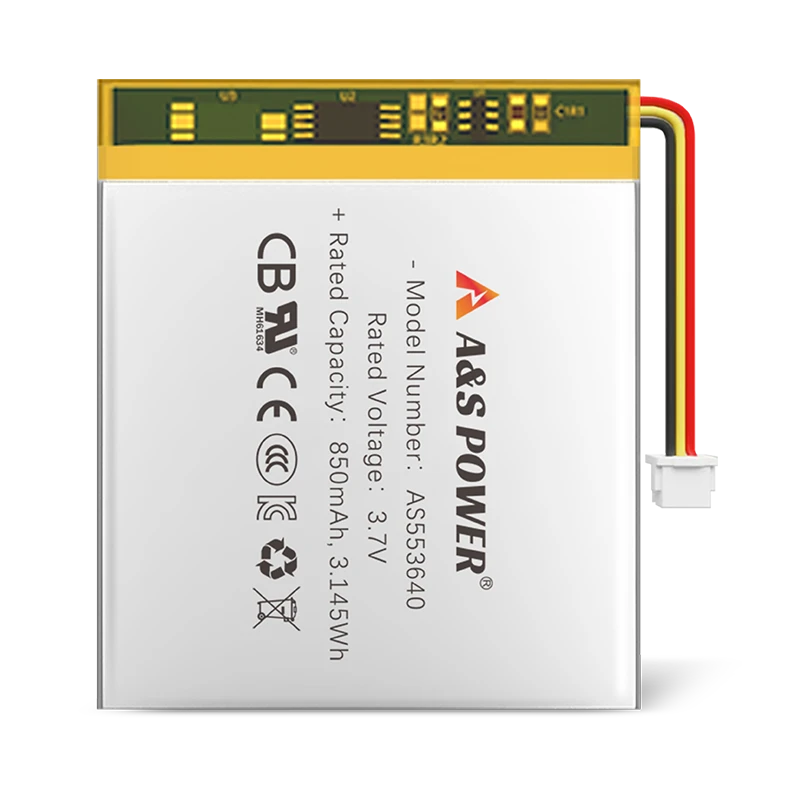
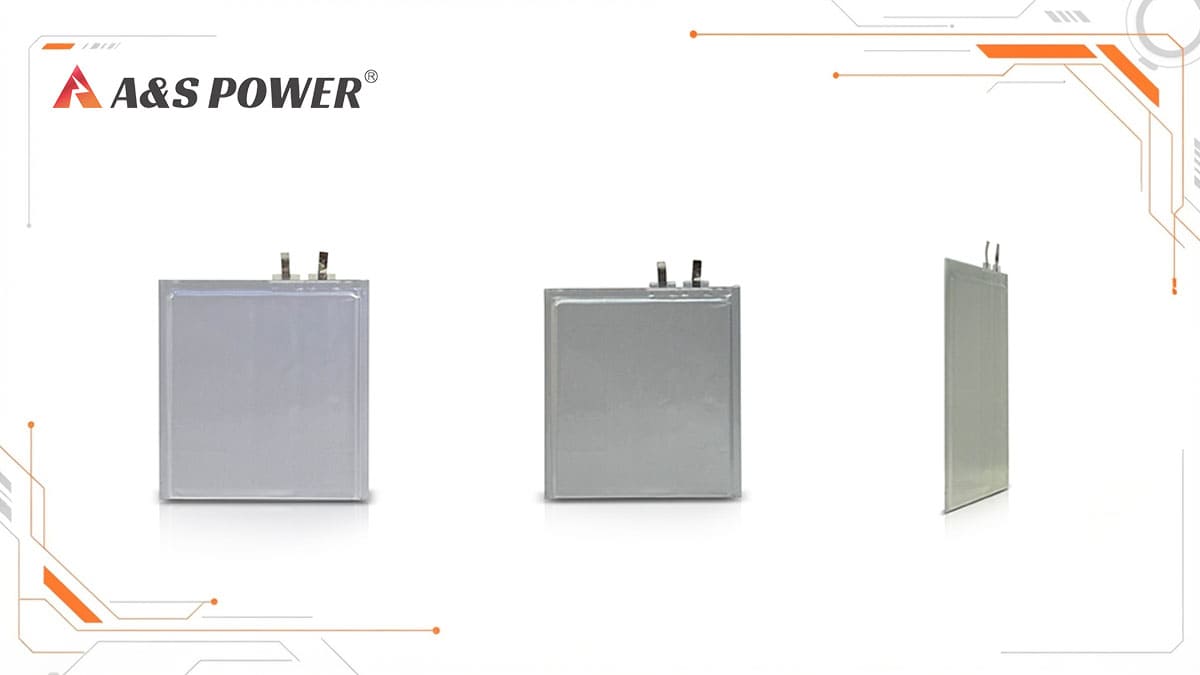
An ultra-thin lithium polymer battery is a rechargeable lithium battery designed with an extremely reduced thickness while maintaining usable energy capacity.
Unlike traditional cylindrical lithium-ion batteries, LiPo batteries use a flexible aluminum-laminated pouch structure. This allows manufacturers to customize:
- Thickness
- Shape
- Length and width
- Voltage
- Capacity
- Connector design
- Protection circuit configuration
A 0.4mm or 0.5mm LiPo battery refers to the approximate total thickness of the battery cell package.
Typical characteristics:
| Battery Thickness | Typical Application | Main Advantage |
|---|---|---|
| 0.4mm | Smart cards, sensors, ultra-mini devices | Maximum space saving |
| 0.5mm | Wearable electronics, medical patches | Better balance between thickness and capacity |
| 0.8–1.0mm | Small IoT devices, consumer electronics | Higher energy capacity |
| 2–5mm | Standard compact electronics | More common commercial production |
However, ultra-thin batteries are not simply smaller versions of conventional LiPo batteries. Their internal structure requires significant engineering optimization.
Introduction
As electronic devices continue becoming smaller, thinner, and more integrated, battery thickness has become one of the most critical design limitations for product engineers.
From smart cards and wearable sensors to medical patches, Bluetooth devices, and miniature IoT equipment, traditional cylindrical lithium-ion cells often cannot meet the strict dimensional requirements. This is where ultra-thin lithium polymer batteries, especially 0.4mm and 0.5mm thick LiPo batteries, provide a practical solution.
At A&S Power, we have been involved in custom lithium battery design and manufacturing for more than 15 years. During our cooperation with OEM customers, we have seen a clear trend: product designers increasingly require batteries that are not only smaller but also thinner, safer, and easier to integrate into limited internal spaces.
A common question we receive from engineers is:
"Can a lithium polymer battery really be manufactured at only 0.4mm or 0.5mm thickness?"
The answer is yes, but with important design limitations. Ultra-thin LiPo batteries require customized cell structures, carefully selected materials, and optimized manufacturing processes.
This article explains the technology behind 0.4mm and 0.5mm ultra-thin lithium polymer batteries, their advantages, limitations, and how OEM companies can evaluate whether this solution fits their products.
Why Lithium Polymer Battery Is Suitable for Ultra Thin Designs
Lithium polymer technology is widely used for ultra-thin battery applications because of its unique pouch-cell construction.
Traditional lithium-ion batteries normally use:
- Cylindrical metal casing
- Fixed dimensions
- Limited customization options
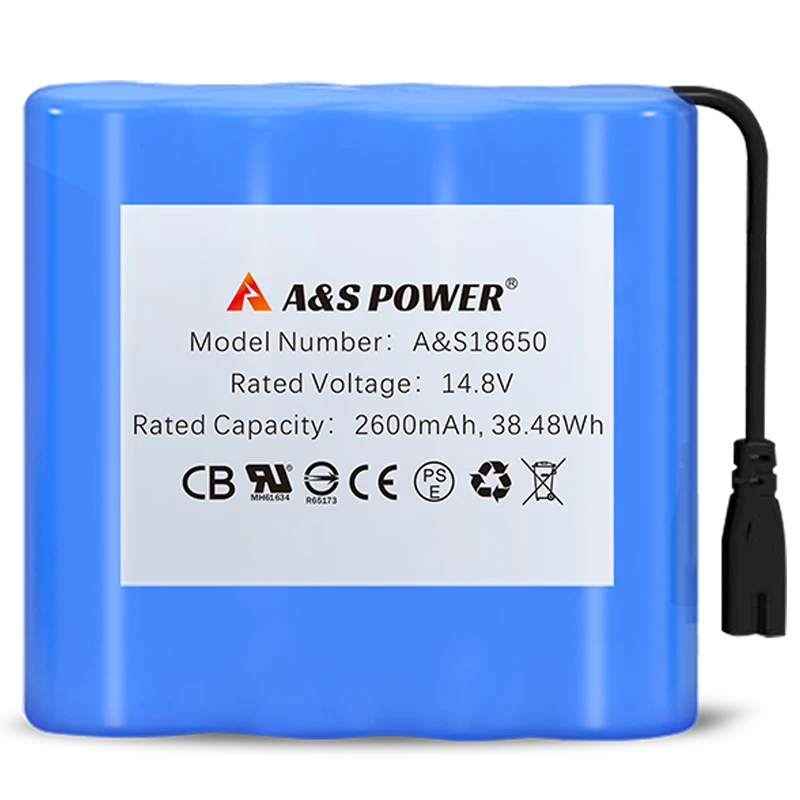
For example, common 18650 lithium-ion cells have a fixed diameter of approximately 18mm and length of 65mm. Although they provide excellent energy density, they cannot easily fit extremely thin products.
LiPo batteries use:
- Aluminum composite film packaging
- Gel polymer electrolyte
- Flexible internal electrode design
This structure allows manufacturers to reduce unnecessary mechanical materials and create thinner battery profiles.
The main advantages include:
1. Flexible Shape Customization
For OEM products, internal space is rarely rectangular or standardized.
Ultra-thin LiPo batteries can be customized into:
- Square shapes
- Long strip designs
- Irregular shapes
- Curved configurations
Ultra-thin pouch LiPo batteries are particularly useful when internal space is limited, but the mechanical protection provided by the final product enclosure remains important. For a broader comparison of pouch battery flexibility and rigid battery protection, see Soft Pouch LiPo vs. Hard Plastic Enclosure Lithium Packs.
This is especially important for:
- Smart wearable devices
- Medical monitoring equipment
- Smart labels
- Miniature sensors
2. Reduced Mechanical Packaging Thickness
A major reason ultra-thin LiPo batteries can achieve extremely low thickness is the elimination of rigid metal housing.
The pouch structure reduces:
- External casing weight
- Packaging thickness
- Dead space inside the battery
This allows more internal volume to be used for active battery materials.
Technical Challenges of 0.4mm and 0.5mm LiPo Batteries
Although ultra-thin batteries provide significant design advantages, reducing thickness introduces several engineering challenges.
Limited Energy Capacity
The biggest limitation is available active material volume.
Battery capacity is directly related to:
- Electrode surface area
- Electrode thickness
- Active material loading
A thinner battery generally has lower capacity compared with thicker cells of the same footprint.
Example:
| Battery Size | Thickness | Approximate Capacity Range |
|---|---|---|
| 20mm × 30mm | 0.4mm | 5–20mAh |
| 30mm × 40mm | 0.5mm | 15–50mAh |
| 40mm × 60mm | 1mm | 50–150mAh |
Actual capacity depends on:
- Cathode chemistry
- Anode material
- Electrode design
- Operating voltage
- Safety requirements
Mechanical Strength and Handling Requirements
Ultra-thin pouch batteries require careful mechanical protection.
Because the aluminum pouch film is thinner than traditional metal cases, engineers need to consider:
- Compression protection
- Bending stress
- Sharp edge protection
- Installation method
For wearable products, designers usually add:
- Protective films
- Structural support layers
- Battery compartments
to improve long-term reliability.
Manufacturing Process of Ultra Thin Lithium Polymer Batteries
Producing a 0.4mm or 0.5mm LiPo battery requires precise manufacturing control.
The major production steps include:
1. Electrode Preparation
The cathode and anode materials are coated onto metal collectors.
Important parameters include:
- Coating thickness
- Material uniformity
- Electrode alignment
Even small variations can affect battery consistency.
2. Cell Stacking and Assembly
Ultra-thin cells typically require:
- Precise electrode stacking
- Controlled separator positioning
- High accuracy alignment
Manufacturing tolerance becomes increasingly important as thickness decreases.
3. Electrolyte Filling and Sealing
The pouch structure must maintain:
- Low moisture level
- Stable sealing quality
- Long-term electrolyte retention
Poor sealing may affect cycle life and safety.
4. Testing and Quality Control
Before shipment, customized ultra-thin LiPo batteries normally undergo:
- Voltage testing
- Capacity testing
- Internal resistance testing
- Charging/discharging verification
- Safety inspection
For international OEM applications, manufacturers may also support certifications such as:
- UN38.3 transportation testing
- IEC 62133 safety testing
- UL certification requirements
0.4mm vs 0.5mm Ultra Thin Lithium Polymer Battery: Which One Is Better?
When engineers select an ultra-thin lithium polymer battery, the decision is usually not simply about choosing the thinnest possible option.
In real product development, battery thickness must be balanced with:
- Required operating time
- Available installation space
- Charging frequency
- Safety requirements
- Mechanical reliability
- Production cost
From our experience working with OEM customers, a 0.5mm LiPo battery is often easier to commercialize because it provides a better balance between thickness reduction and usable energy capacity.
A 0.4mm battery is usually selected only when the product design has extremely strict space limitations.
Performance Comparison Between 0.4mm and 0.5mm LiPo Batteries
The following table provides a general engineering comparison.
| Parameter | 0.4mm Ultra Thin LiPo Battery | 0.5mm Ultra Thin LiPo Battery |
|---|---|---|
| Thickness | Around 0.4mm | Around 0.5mm |
| Energy Capacity | Lower | Slightly higher |
| Weight | Extremely lightweight | Lightweight |
| Mechanical Strength | More sensitive | Better durability |
| Available Design Space | Maximum flexibility | High flexibility |
| Manufacturing Difficulty | Higher | Moderate |
| Cost | Usually higher | More economical |
| Typical Applications | Smart cards, sensors | Wearables, medical electronics |
The actual performance depends heavily on battery size, chemistry design, and production requirements.
Energy Density Considerations for Ultra Thin LiPo Batteries
Energy density is one of the most important technical indicators when evaluating miniature rechargeable batteries.
The formula is:
Energy Density = Battery Capacity × Voltage / Battery Weight
For ultra-thin lithium polymer batteries, achieving higher energy density requires optimization of:
- Cathode material
- Anode structure
- Separator thickness
- Electrolyte formulation
- Packaging efficiency
Typical commercial lithium-ion batteries can achieve approximately:
- 150–250 Wh/kg at cell level depending on chemistry and design
However, ultra-thin batteries may have lower practical energy density because additional protective layers and structural requirements become more significant as thickness decreases.
For extremely thin applications, the goal is not always maximum Wh/kg.
Instead, engineers usually focus on:
- Minimum thickness
- Stable output voltage
- Reliable charging cycles
- Integration flexibility
Applications of 0.4mm and 0.5mm Ultra Thin Lithium Polymer Batteries
Ultra-thin LiPo batteries are mainly used where traditional batteries cannot fit.
Below are several industries where we see increasing demand.
Wearable Electronics
Wearable devices require batteries that can follow compact industrial designs.
Common examples include:
- Smart rings
- Smart bracelets
- Fitness trackers
- Electronic textiles
- Smart patches
Advantages of ultra-thin LiPo batteries:
- Reduced product thickness
- Lightweight wearing experience
- Flexible internal arrangement
- Customized shape options
For wearable manufacturers, battery thickness directly affects user comfort.
A difference of only 0.5–1mm can significantly influence the final product design.
Medical Wearable Devices
Medical electronics represent one of the fastest-growing applications for miniature lithium batteries.
Examples include:
- Continuous glucose monitoring devices
- Skin monitoring sensors
- Portable diagnostic equipment
- Medical patches
- Hearing assistance devices
Medical device manufacturers typically require:
- Stable voltage output
- Long shelf life
- High safety standards
- Reliable cycle performance
For these products, battery selection is usually part of a complete system design including:
- Battery management circuit
- Charging IC
- Protection circuit module (PCM)
- Device power consumption analysis
A thinner battery can provide additional space for sensors and electronic components.
Smart Cards and IoT Sensors
Traditional smart cards have extremely limited internal space.
Ultra-thin LiPo batteries can support functions such as:
- Display modules
- NFC communication
- Security authentication
- Tracking functions
IoT devices also benefit from ultra-thin battery solutions.
Applications include:
- Smart labels
- Environmental sensors
- Asset tracking devices
- Wireless monitoring systems
Because many IoT products require years of standby operation, engineers must carefully calculate:
- Sleep current
- Transmission frequency
- Battery self-discharge rate
Consumer Electronics and Miniature Devices
Many compact electronic products are moving toward thinner designs.
Examples:
- Mini Bluetooth accessories
- Smart keys
- Electronic tags
- Portable beauty devices
- Mini cameras
Ultra-thin LiPo batteries allow designers to create products that would be impossible with standard cylindrical cells.
How OEMs Should Evaluate an Ultra Thin Lithium Polymer Battery Supplier
Selecting the correct battery supplier is critical because ultra-thin batteries require more engineering support than standard battery models.
At A&S Power, we recommend OEM customers evaluate suppliers based on the following factors.
1. Custom Battery Engineering Capability
A professional manufacturer should support customization including:
- Battery dimensions
- Thickness options
- Capacity adjustment
- Connector selection
- Protection circuit design
A catalog battery may not always fit ultra-thin applications.
Custom battery development is often necessary.
2. Manufacturing Experience
Ultra-thin battery production requires:
- Precise assembly equipment
- Strict quality control
- Experienced technicians
- Stable material supply chains
Battery manufacturers with experience in customized LiPo solutions can reduce development risks.
3. Safety Testing Capability
For global product markets, battery safety compliance is essential.
Common standards include:
| Standard | Purpose |
|---|---|
| UN38.3 | Lithium battery transportation safety |
| IEC 62133 | Portable battery safety requirements |
| UL 1642 | Lithium battery cell safety |
| CE | European market compliance |
| RoHS | Restriction of hazardous substances |
OEM companies should confirm which certifications are required before mass production.
Future Development Trend of Ultra Thin Lithium Polymer Batteries
The demand for ultra-thin batteries will continue growing as electronic products become smaller and more integrated.
Several trends are expected:
Higher Energy Density Materials
Battery manufacturers are continuously improving:
- Silicon-based anodes
- High nickel cathode materials
- Advanced electrolyte systems
These technologies may allow thinner batteries to provide higher capacity.
Flexible and Wearable Battery Integration
Future wearable electronics may require batteries that are:
- Bendable
- Lightweight
- Custom shaped
- Integrated into flexible devices
Ultra-thin LiPo technology provides a foundation for these designs.
More Customized OEM Battery Solutions
The battery industry is moving away from standard sizes.
Instead, OEM customers increasingly require:
- Unique dimensions
- Special voltage configurations
- Customized connectors
- Application-specific designs
This trend is especially strong in medical, IoT, and wearable markets.
Conclusion
Ultra-thin lithium polymer batteries with 0.4mm and 0.5mm thickness provide an effective solution for compact electronic devices where space is limited. Their flexible pouch design enables customized shapes, lightweight construction, and easier integration compared with traditional battery formats.
However, the thinnest battery is not always the best choice. OEM engineers should consider capacity requirements, safety, cycle life, and product design limitations when selecting an ultra-thin LiPo battery.
With over 15 years of experience in custom lithium battery manufacturing, A&S Power helps global customers develop reliable ultra-thin LiPo battery solutions for wearable devices, medical electronics, IoT products, and other compact applications.
FAQ
What is the thinnest lithium polymer battery available?
The minimum practical thickness depends on battery size, capacity requirement, manufacturing process, and application. Ultra-thin LiPo batteries around 0.4mm to 0.5mm are possible for specialized applications, but thinner designs usually require significant customization.
Can a 0.5mm LiPo battery be rechargeable?
Yes. A 0.5mm lithium polymer battery can be designed as a rechargeable battery solution. However, charging parameters, protection circuits, and thermal conditions must be properly managed.
How much capacity can a 0.4mm lithium polymer battery provide?
Capacity depends mainly on battery dimensions. Small 0.4mm LiPo batteries may provide several mAh to tens of mAh. Larger footprint designs can achieve higher capacity.
Are ultra-thin LiPo batteries safe?
Yes, when properly designed and manufactured. Safety depends on:
- Cell materials
- Battery protection circuit
- Manufacturing quality
- Charging control
- Product integration
Professional manufacturers perform electrical and safety testing before delivery.
What products use 0.5mm lithium polymer batteries?
Common applications include:
- Wearable devices
- Medical sensors
- Smart cards
- IoT devices
- Miniature consumer electronics
How long does an ultra-thin LiPo battery last?
Cycle life depends on operating conditions, charging method, temperature, and battery chemistry. Many rechargeable LiPo batteries are designed for hundreds of charge cycles when properly used.
Can manufacturers customize 0.4mm or 0.5mm LiPo batteries?
Yes. Customization normally includes:
- Size
- Thickness
- Capacity
- Voltage
- Connector type
- Protection circuit design
OEM manufacturers usually evaluate the device requirements before recommending a suitable battery structure.
-

 May.2026.09.17Meet A&S Power at KES 2026 in Seoul – Custom Lithium Battery SolutionsLearn More
 -
 May.2026.09.16How to Choose a Custom Lithium Battery Manufacturer in China: A Buyer's GuideLearn More
 -
 May.2026.09.15Can VHR-4N Connectors Work With 14 AWG Battery Wires?Learn More
 -
 May.2026.09.14Who Pays UL Battery Certification Maintenance Fees?Learn More
 -
 May.2026.09.11PTC vs PCM: Why Use Both in Lithium Battery Protection?Learn More