


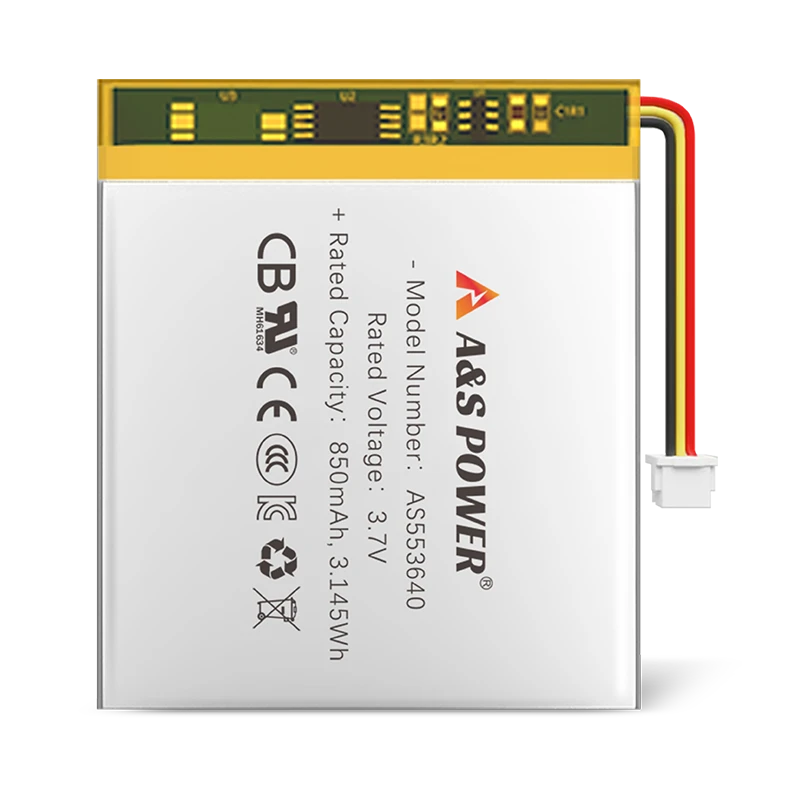
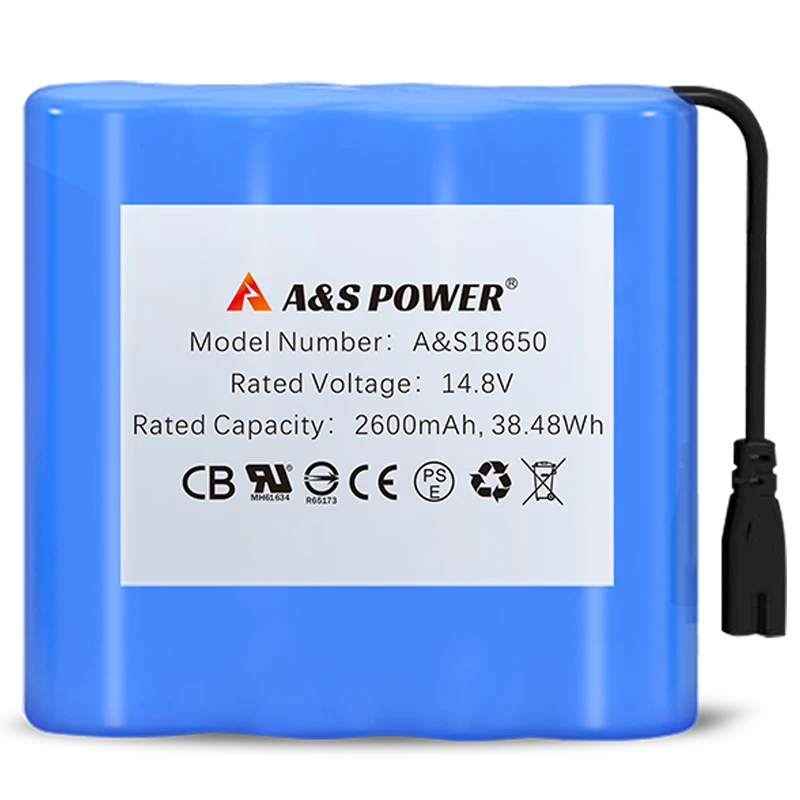
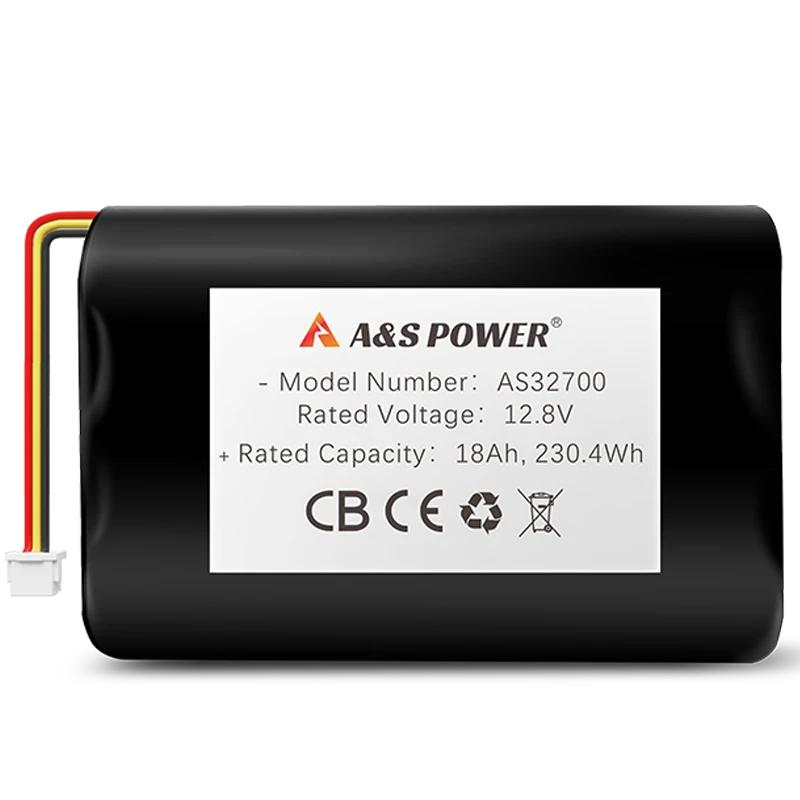


High Reliability Polymer Battery for Handheld Dental Devices
Quick Answer:
Question: What is the best battery for handheld dental devices?
A customized lithium polymer battery is one of the most suitable solutions for handheld dental devices because it provides compact size, flexible design, stable power output, and reliable safety performance.
Question: Why choose a custom polymer battery instead of standard batteries?
Custom polymer batteries allow manufacturers to optimize battery size, capacity, and electrical performance according to the specific requirements of dental equipment.
Question: What makes a dental device battery reliable?
Battery reliability depends on cell quality, protection circuit design, thermal management, charging control, certification compliance, and manufacturing quality control.
Introduction
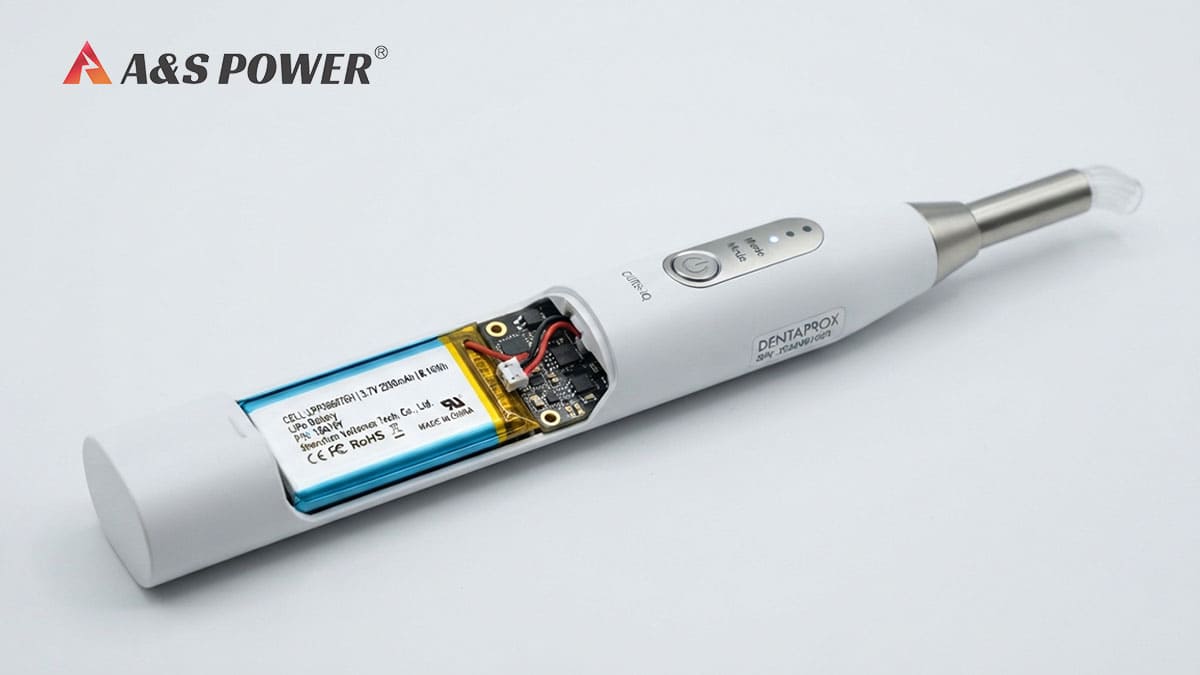
The demand for portable dental equipment is increasing as modern dentistry moves toward wireless, lightweight, and compact designs. Handheld dental devices such as curing lights, dental scalers, and oral imaging tools require batteries that provide stable power, long cycle life, and reliable safety performance.
As a lithium battery manufacturer specializing in customized battery solutions, I understand that battery selection directly affects device performance and user experience. A high reliability polymer battery for handheld dental devices offers advantages such as flexible size customization, lightweight construction, and stable energy output, making it suitable for advanced dental equipment.
In this article, I will explain the key factors that influence polymer battery reliability, design considerations for dental applications, and why OEM manufacturers choose customized lithium polymer battery solutions.
High Reliability Polymer Battery for Handheld Dental Devices
The development of portable dental equipment has changed the requirements for battery technology. Traditional dental instruments were often connected directly to external power supplies, but modern handheld dental devices increasingly require cordless operation, mobility, and compact designs.
A reliable battery system has become one of the most important components affecting user experience.
When I work with OEM dental equipment manufacturers, I usually find that their biggest concerns are not simply achieving higher capacity. Instead, they need a battery that can:
- Maintain stable voltage during operation
- Support frequent charging cycles
- Fit into limited internal spaces
- Provide consistent performance after long-term use
- Meet international safety requirements
Lithium polymer batteries have become a preferred solution because they can be customized according to the specific mechanical structure of handheld dental equipment.
Why Handheld Dental Devices Require High Reliability Batteries
Handheld dental equipment operates differently from ordinary consumer electronics. These devices are frequently used in professional environments where unexpected power interruption can affect workflow and patient treatment efficiency.
A dental battery solution must handle:
1. Frequent Charging and Discharging
Many handheld dental devices are used multiple times per day. This creates higher requirements for battery cycle performance.
For example:
- A dental curing light may be charged daily.
- Portable ultrasonic scalers may operate continuously during procedures.
- Oral imaging devices may require stable power for wireless communication and cameras.
A battery with poor cycle stability may experience:
- Reduced operating time
- Voltage drop under load
- Increased internal resistance
- Shortened product lifespan
A high-quality lithium polymer battery pack typically uses optimized electrode materials, reliable separators, and appropriate battery management systems (BMS) to maintain stable performance over repeated cycles.
2. Compact and Customized Design Requirements
Handheld dental devices usually have limited internal space because manufacturers prioritize:
- Ergonomic grip design
- Lower equipment weight
- Better user comfort
- Miniaturized components
This is where polymer batteries provide a significant advantage.
Unlike standard cylindrical cells such as 18650 batteries, lithium polymer cells can be manufactured in customized dimensions.
For example, manufacturers can design batteries according to:
- Length restrictions
- Thickness requirements
- Irregular internal structures
- Special connector positions
This flexibility allows engineers to maximize available space while maintaining required energy capacity.
Lithium Polymer Battery Advantages for Dental Equipment
Flexible Shape Design Improves Product Integration
One of the biggest advantages of polymer batteries is their pouch-cell structure.
The absence of a rigid cylindrical metal housing allows engineers to create thinner and more customized battery formats.
Typical customized LiPo battery designs may include:
| Battery Feature | Advantage for Dental Devices |
|---|---|
| Thin profile | Fits slim handheld equipment |
| Custom dimensions | Optimizes internal space |
| Lightweight pouch structure | Reduces device weight |
| High energy density | Extends operating time |
| Flexible voltage options | Supports different electronic designs |
For handheld dental equipment manufacturers, this means the battery can become part of the product architecture instead of being limited by standard battery sizes.
Stable Voltage Output Supports Dental Device Performance
Many dental instruments require stable power delivery to maintain consistent operation.
Examples include:
- LED curing systems requiring constant light intensity
- Ultrasonic systems requiring stable motor operation
- Wireless dental cameras requiring reliable electronics power
A customized polymer battery pack combined with a properly designed protection circuit can help maintain:
- Overcharge protection
- Over-discharge protection
- Over-current protection
- Temperature monitoring
The battery management system plays an important role in preventing abnormal operating conditions and improving product reliability.
Key Reliability Factors of Polymer Batteries Used in Dental Devices
When evaluating a polymer battery for handheld dental equipment, I recommend focusing on several technical factors.
1. Battery Cell Quality
Battery reliability starts from the cell itself.
Important parameters include:
| Parameter | Typical Consideration |
|---|---|
| Nominal Voltage | Usually 3.7V per LiPo cell |
| Capacity Range | Customized according to device requirements |
| Cycle Life | Depends on chemistry, usage conditions, and charging strategy |
| Operating Temperature | Must match application environment |
| Internal Resistance | Lower resistance improves efficiency |
Selecting a suitable cell manufacturer and controlling incoming inspection are essential steps for medical device applications.
2. Protection Circuit Design
A battery pack without proper protection cannot provide reliable long-term performance.
For handheld dental devices, protection circuits commonly include:
- Battery overcharge protection
- Short circuit protection
- Over-discharge protection
- Over-temperature protection
- Current limitation
In professional medical applications, battery protection design should be considered together with the device electronics rather than treated as an independent component.
3. Thermal Stability
Dental equipment may operate continuously during procedures, creating heat from:
- Motors
- LED modules
- Electronic components
- Charging systems
Battery design should consider thermal management.
Important factors include:
- Cell chemistry selection
- Separator quality
- Protection circuit temperature monitoring
- Mechanical battery placement
A reliable polymer battery solution is designed to minimize thermal risks during normal operation.
Performance Comparison: Polymer Battery vs Traditional Battery Solutions for Dental Devices
When selecting a battery for handheld dental equipment, engineers usually compare lithium polymer batteries with traditional cylindrical lithium-ion cells. Both technologies can provide reliable energy storage, but their design characteristics are different.
For compact medical and dental devices, battery integration is often more important than simply achieving the highest capacity.
The following comparison summarizes the practical differences:
| Feature | Lithium Polymer Battery (LiPo) | Cylindrical Lithium-ion Battery (18650/21700) |
|---|---|---|
| Shape flexibility | Highly customizable | Fixed cylindrical dimensions |
| Space utilization | Excellent for compact devices | Requires standard battery holders |
| Weight | Lightweight pouch structure | Heavier metal casing |
| Thickness options | Can be designed below several millimeters | Limited by standard diameter |
| Energy density | High depending on chemistry | High but less flexible |
| Design integration | Easy for customized medical equipment | Better for standardized products |
| Shock resistance | Requires proper mechanical protection | Strong rigid structure |
| OEM customization | Highly suitable | Limited customization |
For handheld dental products where every millimeter of internal space matters, polymer batteries often provide better design freedom.
Battery Reliability Testing for Handheld Dental Applications
A high reliability polymer battery is not created only through cell selection. It requires systematic testing during development and production.
In my experience working with customized battery projects, reliability testing should begin at the engineering validation stage and continue throughout mass production.
Cycle Life Testing
Cycle testing evaluates how the battery performs after repeated charging and discharging.
A typical evaluation process includes:
- Full charge
- Controlled discharge
- Capacity measurement
- Internal resistance monitoring
- Repeated cycling
The purpose is to understand:
- Capacity retention
- Voltage stability
- Aging characteristics
For handheld dental devices, longer cycle life reduces maintenance frequency and improves the total product value.
Safety and Transportation Testing
Medical and dental equipment manufacturers usually require batteries that comply with international transportation and safety requirements.
Common standards include:
| Standard | Purpose |
|---|---|
| UN38.3 | Lithium battery transportation safety testing |
| IEC 62133 | Safety requirements for rechargeable lithium batteries |
| UL 1642 | Safety testing for lithium battery cells |
| UL 2054 | Safety requirements for household and commercial battery packs |
| CE / RoHS | European market compliance requirements |
Meeting these requirements helps manufacturers reduce certification risks when launching products internationally.
How to Design a Reliable Polymer Battery Pack for Dental Equipment
A successful battery solution requires cooperation between the battery supplier and the dental equipment engineering team.
I usually recommend considering the following factors during the early design stage.
1. Define Power Requirements Clearly
Before battery customization begins, engineers should analyze:
- Device operating voltage
- Maximum current consumption
- Continuous working time
- Standby power consumption
- Charging frequency
For example:
A portable dental scaler with a higher motor load may require a battery with stronger discharge capability, while a dental camera may prioritize higher capacity and longer standby time.
The battery specification should match the actual working conditions rather than simply selecting the largest capacity available.
2. Optimize Battery Size and Capacity Balance
A common mistake in portable medical equipment design is focusing only on battery capacity.
A larger battery does not always mean a better product.
Increasing capacity may cause:
- Increased weight
- Larger housing requirements
- Longer charging time
- Higher production cost
A better approach is optimizing:
Energy requirement + device structure + user experience
For example:
| Application | Recommended Battery Priority |
|---|---|
| Portable dental curing light | High discharge stability + compact size |
| Oral imaging device | High energy density + low weight |
| Dental scaler | Cycle life + stable output |
| Wireless dental camera | Capacity + standby performance |
Reliability Factors That Influence Polymer Battery Lifetime
Battery lifetime depends on multiple engineering factors.
Charging Management
Improper charging is one of the major causes of battery degradation.
A reliable charging system should control:
- Charging voltage
- Charging current
- Temperature during charging
Advanced charging solutions may include:
- Constant current / constant voltage (CC/CV) charging
- Battery temperature monitoring
- Intelligent charging management
Environmental Conditions
Dental equipment may be used in different environments, including:
- Dental clinics
- Mobile healthcare facilities
- Dental education laboratories
- Home healthcare applications
Therefore, battery design should consider:
- Operating temperature range
- Humidity resistance
- Mechanical vibration
- Storage conditions
A customized polymer battery pack allows engineers to select suitable materials and protection methods according to the application environment.
Why OEM Dental Manufacturers Choose Custom Polymer Battery Solutions
The dental equipment market continues to move toward:
- Wireless operation
- Smaller device size
- Longer operating time
- Better user experience
These trends create higher requirements for battery suppliers.
From an OEM manufacturer's perspective, a customized lithium polymer battery provides several advantages:
1. Product Differentiation
Standard batteries often force designers to compromise.
Custom polymer batteries allow companies to create:
- Unique product shapes
- Smaller devices
- Better ergonomic designs
This can become a competitive advantage in the medical equipment market.
2. Supply Chain Stability
For professional medical equipment manufacturers, battery supply stability is critical.
A reliable battery partner should provide:
- Engineering support
- Sample development
- Production consistency
- Quality inspection
- Documentation support
At A&S Power, we focus on customized lithium polymer battery solutions for applications requiring compact design, stable performance, and reliable long-term operation.
Recommended Specifications for Handheld Dental Device Polymer Batteries
The exact specification depends on the device design, but many portable dental products commonly require:
| Parameter | Typical Range / Consideration |
|---|---|
| Battery Chemistry | Lithium Polymer (LiPo) |
| Nominal Voltage | 3.7V / 7.4V configurations |
| Capacity | Customized according to runtime requirements |
| Connector | Customized JST, Molex, or customer specified |
| Protection | PCM/BMS integrated |
| Charging Method | Dedicated lithium battery charger |
| Certification | UN38.3, IEC 62133, CE, RoHS, UL options |
The final battery design should always be validated through engineering testing.
Applications of High Reliability Polymer Batteries in Handheld Dental Devices
The increasing demand for portable dental technology has created new opportunities for advanced battery solutions. Dental professionals and healthcare companies are looking for devices that are lighter, easier to operate, and capable of delivering consistent performance without relying on fixed power connections.
A high reliability polymer battery for handheld dental devices supports this trend by providing compact energy storage with flexible customization options.
Based on my experience developing customized lithium battery solutions, I have found that different dental applications require different battery priorities. A curing light, for example, requires stable discharge performance, while an oral imaging device may prioritize energy density and lightweight construction.
Common Dental Equipment Applications Using Polymer Batteries
1. Portable Dental Curing Lights
Dental curing lights require reliable battery performance because inconsistent power output may affect LED intensity and working efficiency.
Battery requirements usually include:
- Stable voltage output
- High discharge capability
- Fast charging compatibility
- Compact dimensions
A customized LiPo battery pack allows manufacturers to design lightweight curing lights while maintaining sufficient operating time.
2. Portable Dental Scalers
Ultrasonic dental scalers often contain motors and electronic control systems that require stable energy delivery.
For these applications, battery designers need to consider:
- Peak current demand
- Thermal management
- Long cycle durability
- Protection circuit performance
A properly designed polymer battery helps maintain consistent device operation during clinical procedures.
3. Wireless Dental Cameras and Oral Imaging Devices
Modern oral imaging devices often integrate:
- High-resolution cameras
- Wireless communication modules
- LED illumination systems
- Digital processing components
These features increase power requirements.
A high energy density polymer battery can provide:
- Longer operating time
- Reduced device weight
- Better portability
This makes LiPo technology suitable for next-generation smart dental equipment.
Key Criteria When Selecting a Polymer Battery Manufacturer
Choosing the right battery supplier is one of the most important decisions for dental equipment manufacturers.
A reliable supplier should not only provide battery cells but also understand the complete product development process.
1. Engineering Customization Capability
Dental equipment manufacturers often require batteries with special requirements:
- Custom dimensions
- Special connectors
- Different voltage configurations
- Customized protection circuits
- Specific discharge rates
A battery manufacturer with engineering capability can help transform product requirements into practical battery solutions.
2. Quality Control System
For medical-related applications, battery consistency is essential.
A professional battery supplier should have quality control procedures covering:
| Production Stage | Quality Control Focus |
|---|---|
| Incoming materials | Cell quality inspection |
| Battery assembly | Welding and connection reliability |
| Protection circuit installation | Electrical safety testing |
| Finished battery testing | Voltage, capacity, resistance inspection |
| Shipment | Packaging and transportation compliance |
These processes reduce the risk of battery failures in the field.
3. Certification and Documentation Support
International dental equipment manufacturers often need supporting documents for product approval.
A capable battery supplier should be able to provide:
- Battery specifications
- Test reports
- Safety documents
- Transportation certificates
- Material compliance information
Common documents include:
- UN38.3 test report
- MSDS documentation
- IEC 62133 compliance information
- RoHS declaration
- CE-related technical documents
Building Long-Term Reliability Through Battery Partnership
Battery performance directly affects the reputation of medical and dental equipment brands.
A battery failure may lead to:
- Device downtime
- Customer complaints
- Increased service costs
- Product recalls
Therefore, battery selection should be considered a long-term engineering decision rather than a simple component purchase.
When cooperating with OEM customers, I recommend starting battery evaluation during the early product design phase.
This allows engineers to optimize:
- Battery size
- Power consumption
- Charging system
- Protection strategy
- Production feasibility
Early cooperation usually results in better reliability and lower development costs.
Why A&S Power Provides Reliable Polymer Battery Solutions for Dental Devices
As a lithium battery manufacturer specializing in customized battery solutions, A&S Power focuses on helping OEM customers develop batteries for compact electronic equipment.
Our experience covers customized lithium polymer battery packs used in applications such as:
- Medical devices
- Wearable electronics
- Portable equipment
- IoT products
- Consumer electronics
Our engineering approach focuses on:
- Customized battery structure design
- Stable manufacturing processes
- Battery safety testing
- Production quality management
For handheld dental devices, we understand that battery performance must meet both technical and practical requirements.
A reliable battery is not only about storing energy. It is about ensuring the entire device can operate safely and consistently throughout its service life.
Conclusion
The demand for portable dental equipment continues to increase as healthcare technology moves toward smaller, smarter, and more convenient solutions. In this environment, battery performance has become a critical factor influencing device reliability, user experience, and product competitiveness.
From my perspective as a customized lithium battery manufacturer, a high reliability polymer battery for handheld dental devices should not be evaluated only by capacity. A successful battery solution requires a complete engineering approach that combines:
- Appropriate lithium polymer cell selection
- Stable electrical performance
- Customized mechanical design
- Reliable protection circuit design
- Safety testing and certification support
- Consistent manufacturing quality
Compared with traditional battery formats, lithium polymer batteries provide greater flexibility for modern dental equipment manufacturers because they can be customized according to limited internal space and specific operating requirements.
For portable dental scalers, curing lights, oral imaging devices, and other handheld medical instruments, a properly designed polymer battery pack can help achieve:
- Longer operating time
- Lower product weight
- Improved device portability
- More stable clinical operation
- Better user experience
When developing a new dental device, involving a battery manufacturer at an early design stage can significantly improve product reliability and reduce future engineering problems.
At A&S Power, we continue to focus on providing customized lithium polymer battery solutions for OEM customers who require reliable, safe, and application-specific energy systems.
FAQ
Q1: Why are lithium polymer batteries suitable for handheld dental devices?
Lithium polymer batteries are suitable because they provide flexible shape customization, lightweight construction, high energy density, and stable performance. These advantages allow dental equipment manufacturers to design smaller and more ergonomic portable devices.
Q2: What voltage is commonly used for dental device polymer batteries?
Most lithium polymer cells use a nominal voltage of approximately 3.7V. Multiple cells can be connected in series to create higher voltage configurations such as 7.4V or other customized solutions depending on device requirements.
Q3: How long does a polymer battery last in handheld dental equipment?
Battery lifetime depends on capacity, charging conditions, operating temperature, discharge rate, and battery management design. With proper design and charging control, customized lithium polymer batteries can support long-term repeated use.
Q4: What certifications are needed for dental equipment batteries?
Common requirements include UN38.3 transportation testing, IEC 62133 safety requirements, RoHS compliance, and other regional requirements depending on the target market.
Q5: Can polymer batteries be customized for special dental device designs?
Yes. Lithium polymer batteries are highly suitable for customization. Manufacturers can adjust battery dimensions, capacity, voltage, connector types, and protection circuit designs according to the equipment structure.
Q6: How can OEM companies improve battery reliability?
OEM companies can improve reliability by selecting high-quality battery cells, designing suitable protection circuits, controlling charging conditions, performing validation testing, and working with experienced battery manufacturers.
-

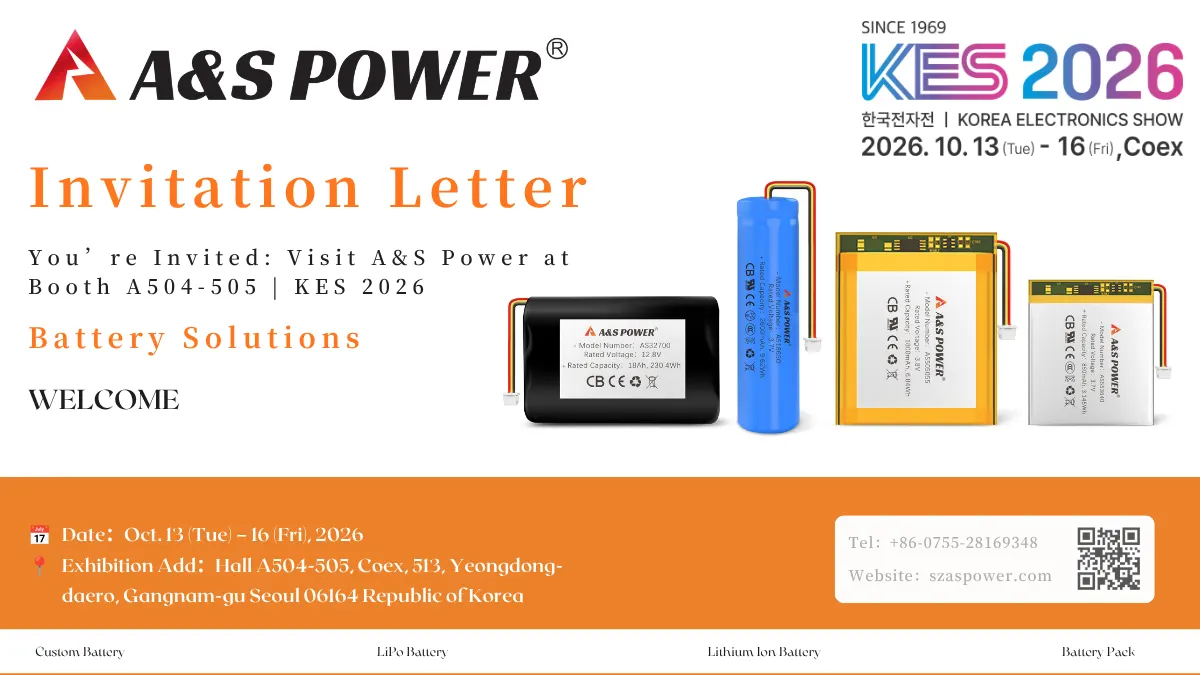 May.2026.09.17Meet A&S Power at KES 2026 in Seoul – Custom Lithium Battery SolutionsLearn More
 -
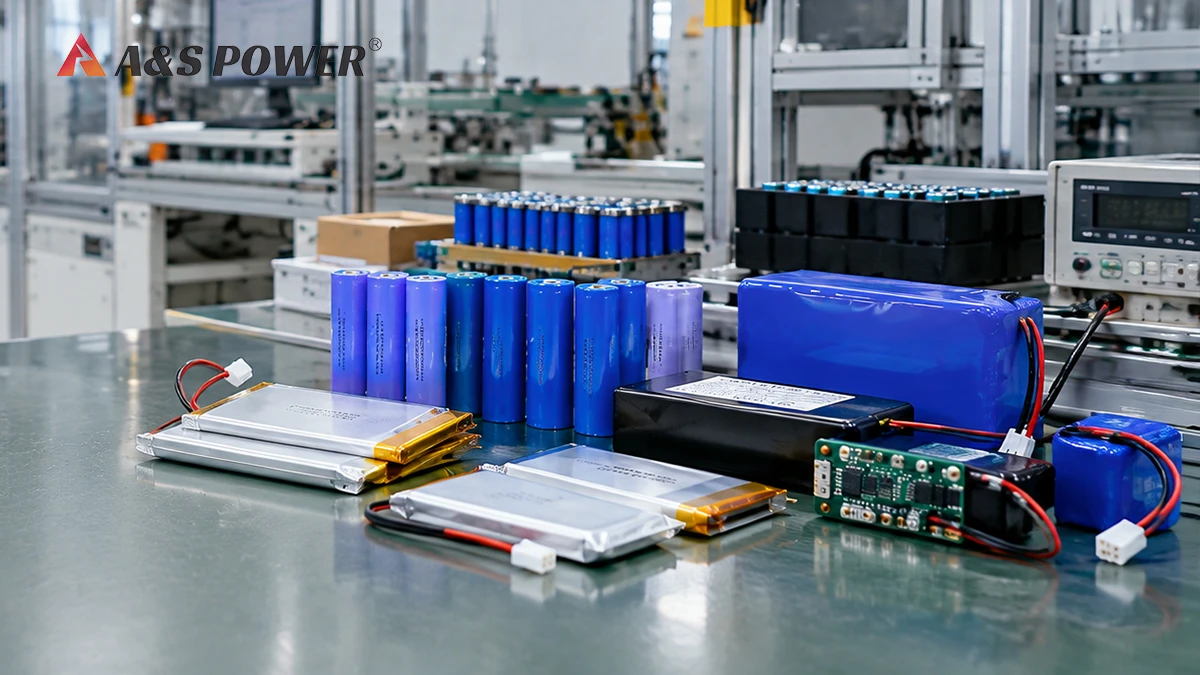 May.2026.09.16How to Choose a Custom Lithium Battery Manufacturer in China: A Buyer's GuideLearn More
 -
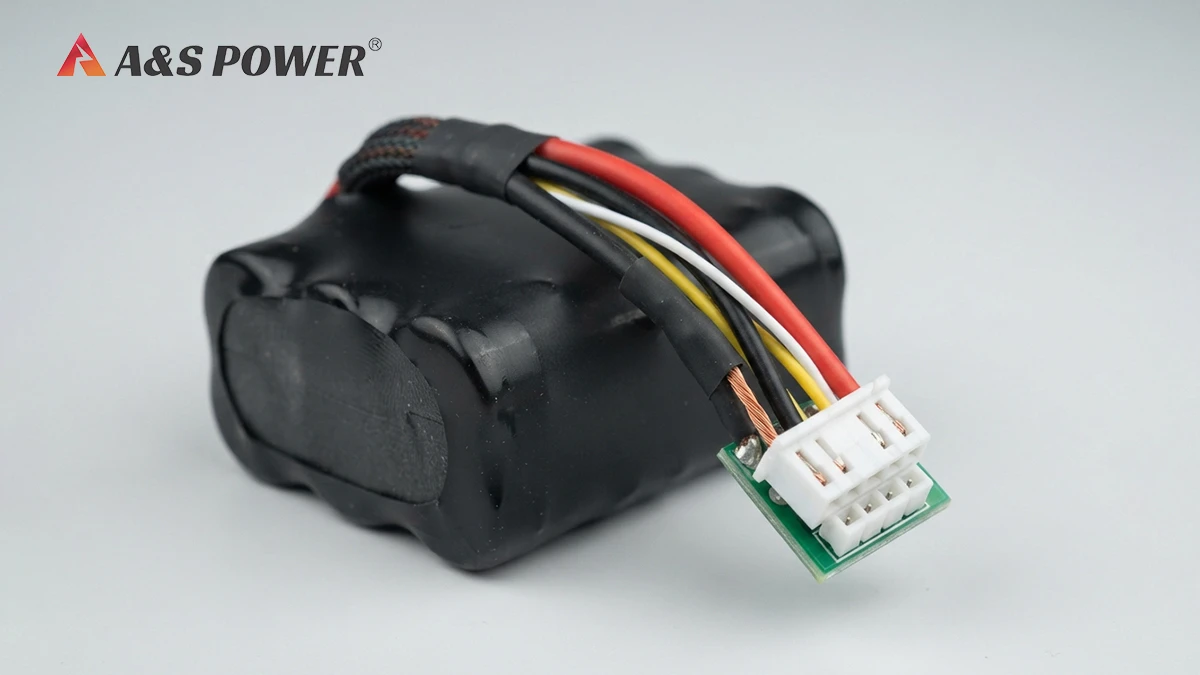 May.2026.09.15Can VHR-4N Connectors Work With 14 AWG Battery Wires?Learn More
 -
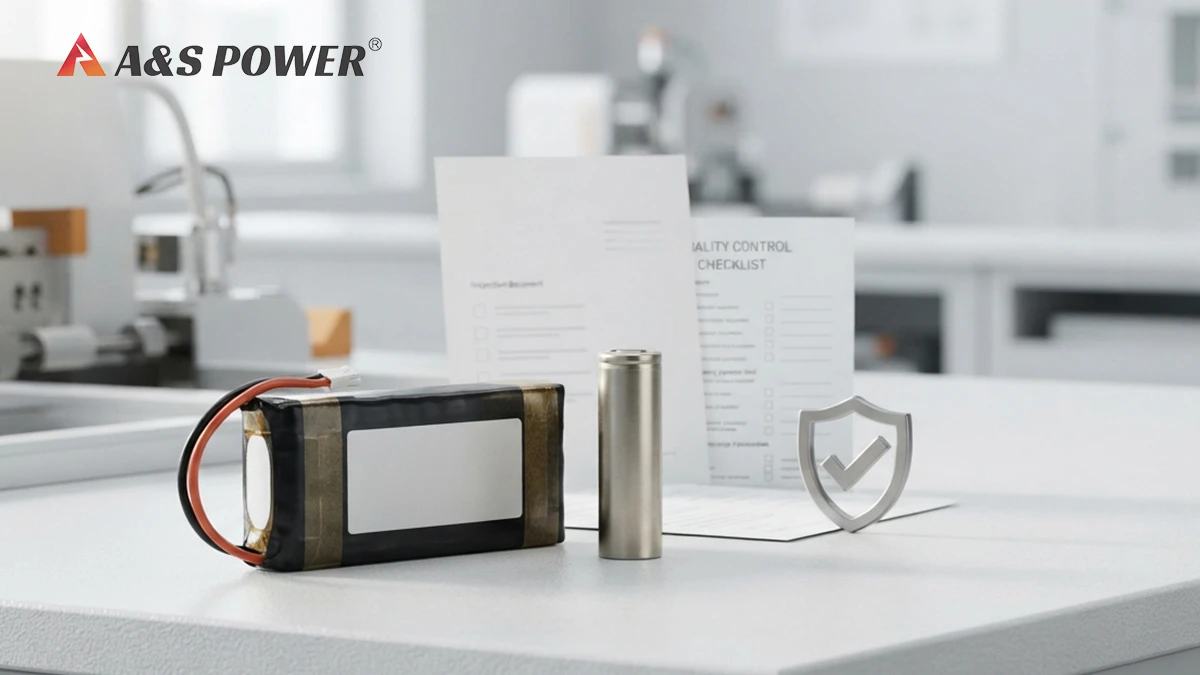 May.2026.09.14Who Pays UL Battery Certification Maintenance Fees?Learn More
 -
 May.2026.09.11PTC vs PCM: Why Use Both in Lithium Battery Protection?Learn More