




15V Battery Guide: From AA to Square — Types, Specs & Uses
In this guide, I’ll walk you through everything you should know about 15V batteries, from how they differ from standard AA cells to square 15V types, with real technical data, comparisons, practical use cases, and expert insights.
What Is a 15V Battery?
A 15 volt (V) battery is a power source designed to deliver a nominal voltage of around 15 V DC. Unlike basic 1.5 V AA or AAA cells, 15 V batteries are often configured as multiple cells in series or produced with specific chemistries to reach higher voltage levels.
These batteries are common in specialized consumer electronics, industrial equipment, medical instruments, and even custom battery packs where stable high voltage is required.
Why 15V Matters — Voltage Explained
Voltage (V) is the electrical "pressure" that drives current. For small devices like remotes, 1.5 V AA cells are enough. But for devices needing more power, higher voltage like 15 V ensures consistent operation and device longevity.
Standard AA individual cells produce ~1.5 V nominal voltage, while a 15 V unit either stacks multiple cells or uses specialized high‑density chemistry.
Battery Chemistries & What They Mean
There are several chemistries used in 15 V batteries:
Alkaline 15V Batteries
Alkaline cells are non‑rechargeable, common, affordable, and offer reliable performance for many devices like radios and toys.
Lithium 15V Batteries
Lithium chemistry provides higher energy density, longer shelf life, and better performance in extreme temperatures.
Rechargeable 15V Batteries
Rechargeable versions (NiMH, Li‑ion based packs) are ideal for frequent use, reducing waste and long‑term cost.
Silver Oxide & Zinc‑Carbon
Silver oxide offers stable output over time, useful for precision instruments. Zinc‑carbon is lower cost but shorter lived.
Common 15V Battery Types & Form Factors
Here’s a breakdown of the most frequently encountered configurations and what they’re typically used for.
15V Square Battery
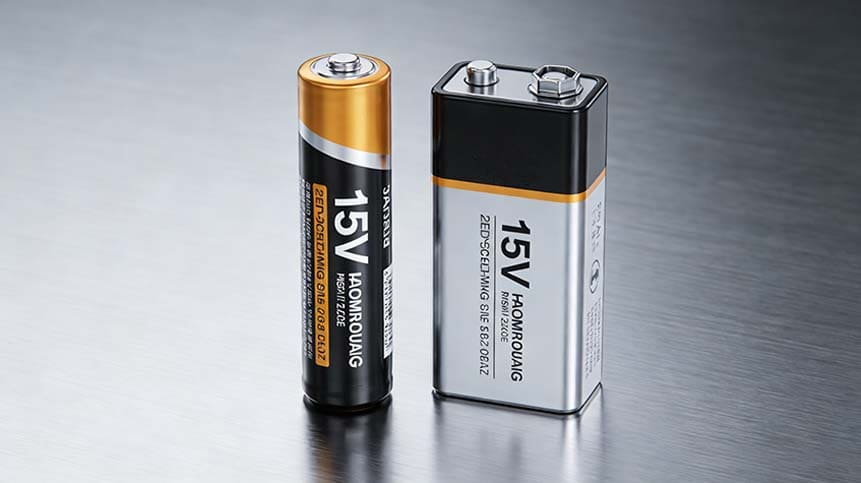
These square cells are easy to identify and widely used in radios, flashlights, and power tools requiring elevated voltage and capacity.
15V AA‑Style Battery
Although a standard AA is usually 1.5 V (per single cell), specialized AA internally configured to provide 15 V (multiple cells in series) are used in portable electronics that demand more compact form factors.
Custom 15V Battery Packs
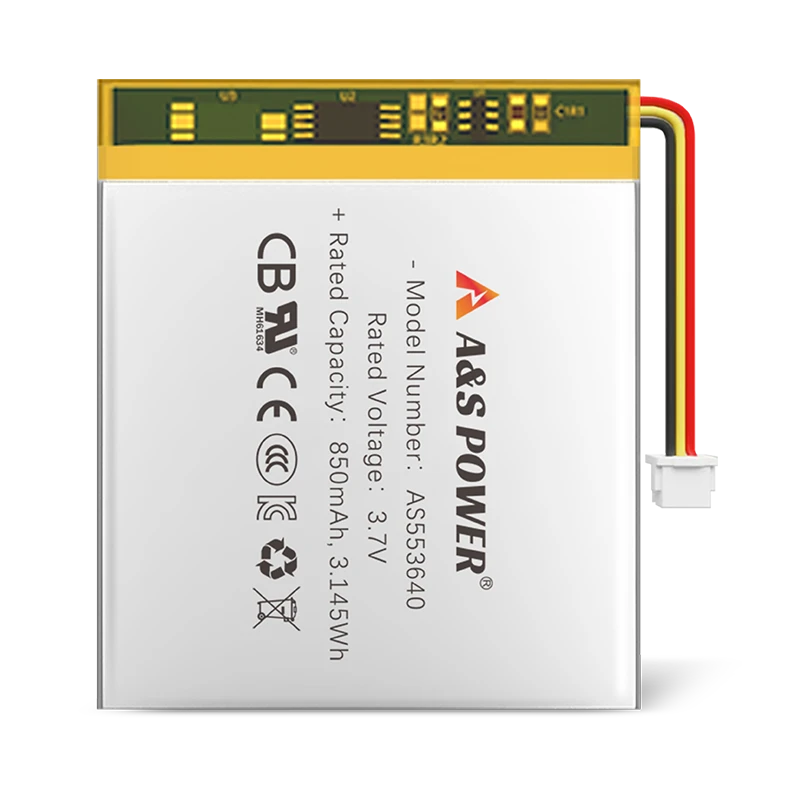
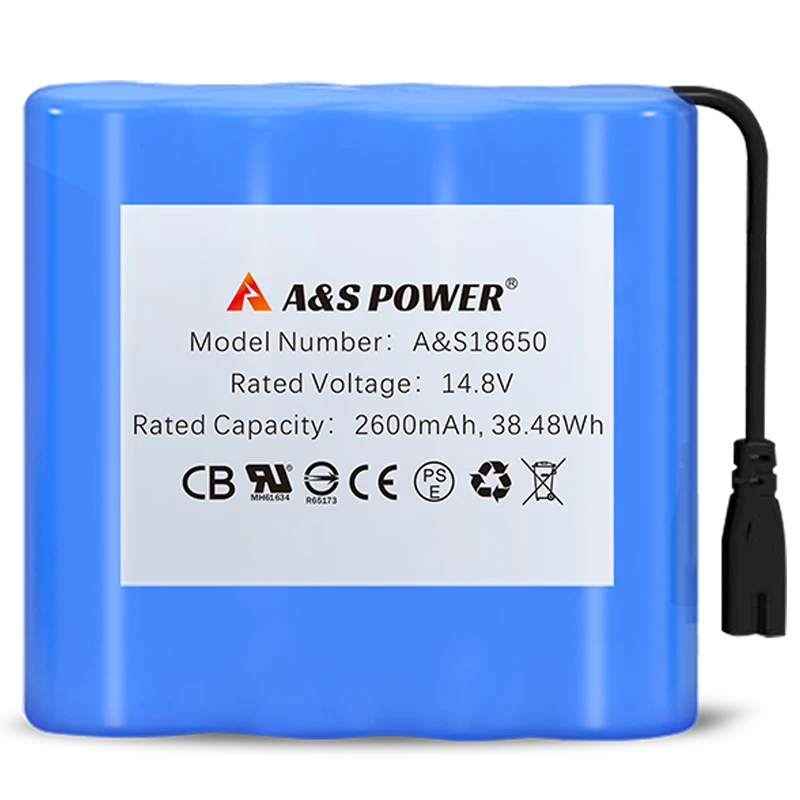
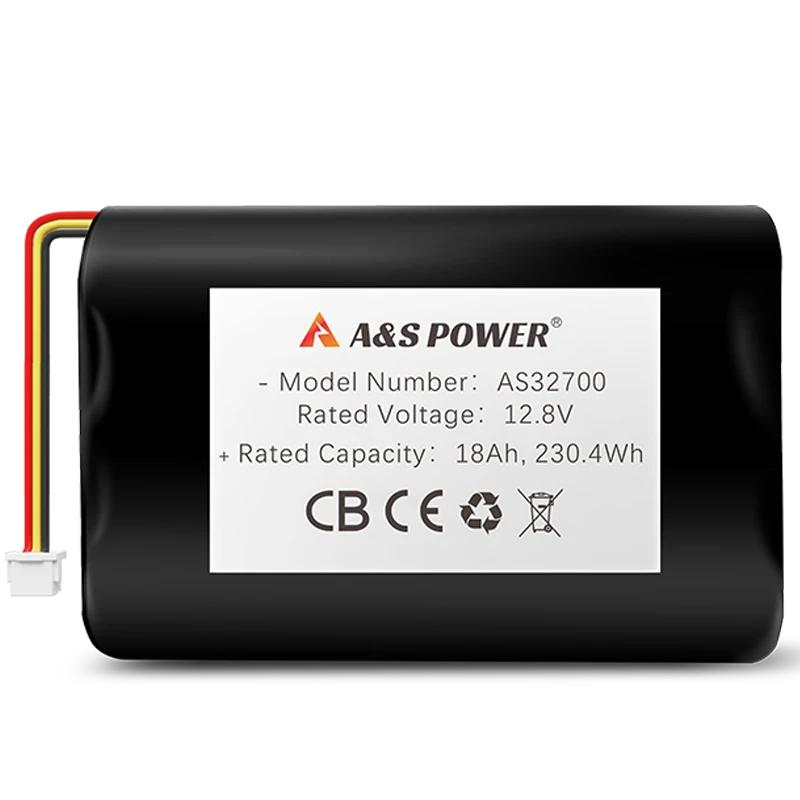
Manufacturers may combine multiple cells (Li‑ion or NiMH) to create custom battery packs delivering around 15 V for devices like electric bikes, power tools, or backup systems.
Comparing 15V vs 1.5V Batteries
Below is a table summarizing key differences:
|
Feature
|
Standard AA (1.5V)
|
15V Battery
|
|---|---|---|
|
Nominal Voltage
|
~1.5 V per cell
|
~15 V
|
|
Typical Use
|
Remotes, toys
|
High power devices, specialized tools
|
|
Chemistries
|
Alkaline, NiMH
|
Alkaline, Lithium, Rechargeable packs
|
|
Configurations
|
Single cell
|
Multiple cells or specialized pack
|
|
Rechargeable Options
|
Yes (NiMH)
|
Yes (NiMH, Li‑ion packs)
|
How 15V Batteries Are Built (Voltage & Cell Stacking)
A typical AA has ~1.5 V. To make a 15 V battery internally, manufacturers either:
- Stack 10 standard 1.5 V cells in series, OR
- Use a custom internal stack of smaller high‑energy cells, OR
- Use specialized chemistries that produce higher nominal voltages internally.
Technical Specifications & Typical Ratings
The exact specifications vary:
|
Parameter
|
Specification
|
|---|---|
|
Nominal Voltage
|
~15 V DC
|
|
Chemistry
|
Alkaline, Lithium, NiMH, custom
|
|
Capacity
|
Varies (mAh to Ah)
|
|
Operating Temp
|
Typically ‑20°C to 60°C
|
|
Size
|
Varies by form factor
|
For example, a lithium 15 V battery stack may have a fresh voltage slightly above nominal and discharge over time.
Common Devices That Use 15V Batteries
Devices include:
- Portable radios and communication gear
- Industrial sensors
- Medical equipment (e.g., analyzers)
- Laser pointers and calipers
- Custom electronic equipment requiring stable high voltage
Each application requires careful voltage matching to avoid device damage.
Can You Replace or Substitute a 15V Battery?
Direct Replacements
Where possible, replace with same chemistry and exact specs.
Series Configurations
Some people use series combinations (like multiple smaller batteries in series) to approximate 15 V, but this should only be done when voltage tolerances and device design allow.
Rechargeable Packs
Custom rechargeable packs must match voltage and current demands precisely.
Important: Incorrect voltage can damage devices — never exceed manufacturer voltage recommendations.
Safety and Best Practices
- Always match the voltage and polarity
- Use correct charger for rechargeable batteries
- Store batteries at recommended temperature and humidity
- Recycle used batteries properly
FAQ (Frequently Asked Questions)
Q1: Is a 15V battery rechargeable?
A1: Yes — rechargeable 15 V batteries (e.g., NiMH or Li‑ion packs) exist, but correct chargers and careful handling are required.
Q2: Can I replace a standard AA with a 15V battery?
A2: No. Standard devices designed for 1.5 V AA cells cannot safely use 15 V units without risking damage.
Q3: How long do 15V batteries last?
A3: Life depends on chemistry and load. Alkaline may last hundreds of hours; lithium variants often outperform them.
Q4: Are there environmental concerns with 15V batteries?
A4: Yes. Like all batteries, improper disposal can harm the environment — always recycle at certified facilities.
CONCLUSION
Understanding 15 V batteries — from AA‑based stacks to square specialty cells — empowers you to choose the right power solution for your device with confidence. This guide has brought together verified data and practical insights to help you optimize performance, safety, and long‑term reliability.
-

 May.2026.09.17Meet A&S Power at KES 2026 in Seoul – Custom Lithium Battery SolutionsLearn More
 -
 May.2026.09.16How to Choose a Custom Lithium Battery Manufacturer in China: A Buyer's GuideLearn More
 -
 May.2026.09.15Can VHR-4N Connectors Work With 14 AWG Battery Wires?Learn More
 -
 May.2026.09.14Who Pays UL Battery Certification Maintenance Fees?Learn More
 -
 May.2026.09.11PTC vs PCM: Why Use Both in Lithium Battery Protection?Learn More