




Soft-Pack Lithium Polymer Battery Customization: A Complete OEM Guide

Introduction
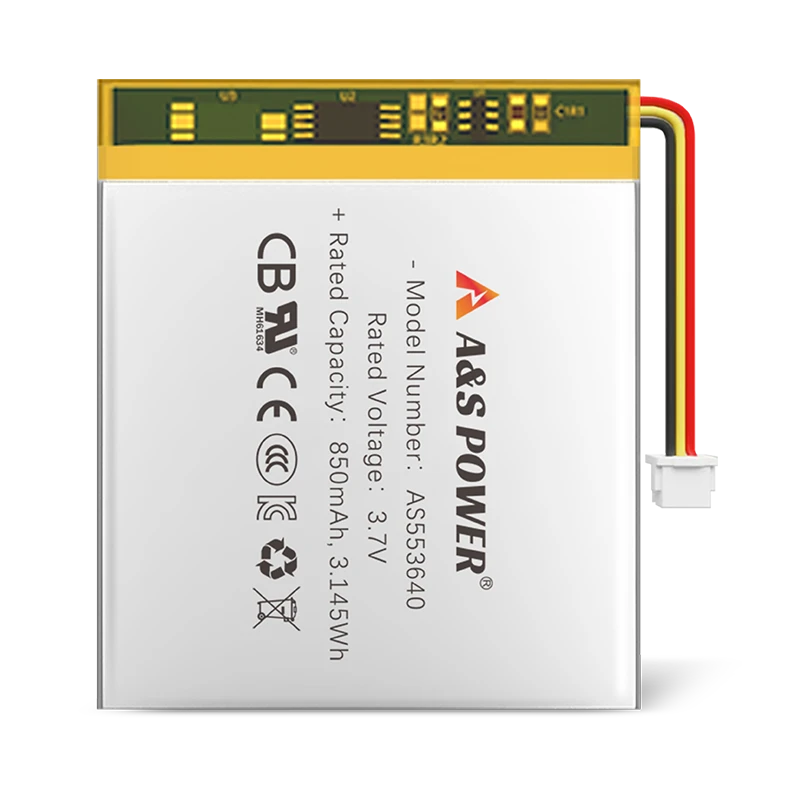
In today’s rapidly evolving electronics and medical device industries, custom lithium polymer batteries (LiPo batteries) have become essential for product differentiation. As a manufacturer specializing in custom battery solutions, I’ve seen how soft-pack lithium polymer batteries—also known as pouch cells—offer unmatched flexibility in size, weight, and performance.
This guide explains everything you need to know about soft-pack lithium polymer battery customization, from design parameters and material selection to safety certifications and real-world applications. Whether you’re developing a wearable device, medical instrument, or IoT product, this article will help you make informed decisions.
What Is a Soft-Pack Lithium Polymer Battery?
A soft-pack lithium polymer battery is a rechargeable battery that uses:
- Polymer electrolyte or gel electrolyte
- Aluminum-plastic laminate film packaging
- Flexible pouch structure instead of rigid metal casing
When designing a custom pouch battery, mechanical protection should also be considered alongside dimensions and electrical specifications. For a detailed comparison of pouch construction and rigid battery protection, see our guide to Soft Pouch LiPo vs. Hard Plastic Enclosure Lithium Packs.
Key Characteristics:
|
Feature
|
Soft-Pack LiPo Battery
|
Cylindrical Battery
|
|---|---|---|
|
Structure
|
Flexible pouch
|
Rigid steel shell
|
|
Weight
|
Lightweight
|
Heavier
|
|
Shape
|
Customizable
|
Fixed
|
|
Energy Density
|
High
|
Medium
|
|
Safety
|
Good (with PCM/BMS)
|
High
|
Why “Soft-Pack” Matters
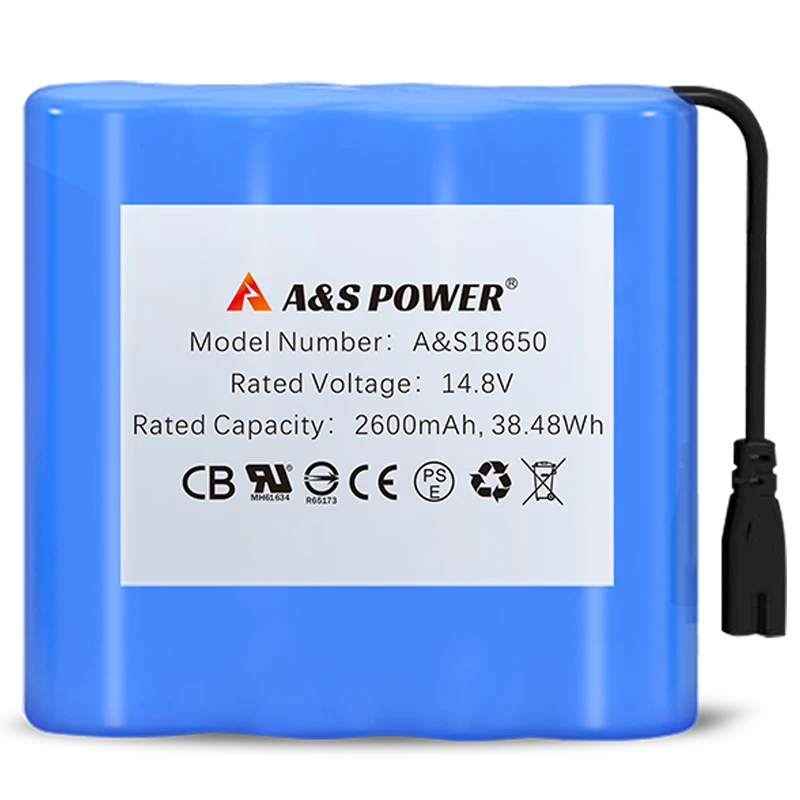
Unlike cylindrical batteries like 18650 cells, pouch batteries can be:
- Ultra-thin (down to <1mm)
- Irregularly shaped
- Fully customized for device housing
This makes them ideal for compact and high-end applications.
Why Customization Is Critical in Modern Products
From my experience working with OEM clients, standard batteries rarely meet real-world product requirements. Customization solves critical design challenges:
1. Space Constraints
Modern devices demand:
- Slim profiles
- Compact integration
- Irregular battery shapes
2. Performance Optimization
Customized batteries allow:
- Specific capacity (mAh)
- Required discharge rate (C-rate)
- Voltage platform (3.7V / 7.4V / etc.)
3. Safety & Compliance
Different industries require:
- UL, IEC, UN38.3 certifications
- Medical-grade safety compliance
Core Parameters in LiPo Battery Customization
When designing a soft-pack lithium polymer battery, I always guide clients through these critical parameters:
1. Voltage (V)
- Nominal voltage: 3.7V (standard)
- Options: 3.2V, 3.85V (high voltage LiPo)
2. Capacity (mAh)
Capacity determines runtime:
- Small devices: 100–1000mAh
- Medical / industrial: 2000–10000mAh
3. Size & Shape
Fully customizable:
- Thickness (T)
- Width (W)
- Length (L)
Example:
- 3.7V 500mAh → 5×30×40mm
- Ultra-thin wearable battery → <2mm
4. Discharge Rate (C-rate)
- Standard: 1C
- High power: 5C–20C
5. Cycle Life
Typical:
- 500–800 cycles (standard)
- 800–1200 cycles (optimized)
Customization Process (Step-by-Step)
From my real-world OEM projects, the customization process usually follows:
Step 1: Requirement Analysis
We define:
- Application scenario
- Size constraints
- Electrical requirements
Step 2: Cell Selection
Choose:
- Chemistry type
- Energy vs power balance
Step 3: Structural Design
Includes:
- Tab position (top/side)
- Connector type
- PCM/BMS integration
Step 4: Prototype & Testing
- Sample production
- Electrical testing
- Safety validation
Step 5: Mass Production
- Quality control
- Batch consistency
- Logistics compliance
Materials Used in Soft-Pack Batteries
1. Cathode Materials
- LiCoO₂ (high energy)
- NMC (balanced performance)
- LiFePO₄ (high safety)
2. Anode Materials
- Graphite (standard)
- Silicon-doped graphite (high capacity)
3. Packaging Film
- Aluminum-plastic composite
- Provides:
- Moisture resistance
- Mechanical protection
Safety Design in Custom LiPo Batteries
Safety is the biggest concern for lithium batteries.
Key Protection Mechanisms:
- Overcharge protection
- Over-discharge protection
- Short-circuit protection
- Thermal protection
Additional Enhancements:
- PTC (positive temperature coefficient)
- CID (current interrupt device)
- Smart BMS (Battery Management System)
Certifications & Compliance (Critical for Export)
For global markets, especially the US and EU:
Mandatory Certifications:
- UN38.3 (transport safety)
- IEC 62133 (international safety standard)
- UL 2054 / UL 1642 (US safety)
- RoHS / REACH (environmental compliance)
Applications of Custom Soft-Pack LiPo Batteries
1. Medical Devices
- Portable monitors
- Infusion pumps
- Hearing aids
2. Consumer Electronics
- Smartphones
- Tablets
- Bluetooth devices
3. Wearable Devices
- Smartwatches
- Fitness trackers
4. IoT & Industrial Devices
- GPS trackers
- Smart sensors
Data Insights: Why LiPo Batteries Dominate
Global Lithium Battery Market Data
|
Year
|
Market Size (USD Billion)
|
CAGR
|
|---|---|---|
|
2023
|
54
|
—
|
|
2025
|
75
|
18%
|
|
2030
|
135+
|
15–20%
|
Key Insights:
- LiPo batteries dominate portable electronics
- Custom batteries increase product differentiation by 30%+
- Lightweight designs reduce device weight by 20–40%
How to Choose a Reliable Custom Battery Manufacturer
From my experience, choosing the right supplier is critical.
Key Evaluation Criteria:
1. Engineering Capability
- In-house R&D team
- Custom design experience
2. Certification Coverage
- UL / IEC / UN38.3 availability
3. Production Capacity
- Automated production lines
- Consistent quality control
4. Communication Efficiency
- Fast response
- Clear technical documentation
Common Challenges in Customization
1. Size vs Capacity Trade-off
Smaller size = lower capacity
2. Heat Management
High discharge → heat issues
3. Cost vs Performance
Higher specs = higher cost
FAQ – Soft-Pack Lithium Polymer Battery Customization
Q1: What is the advantage of soft-pack lithium polymer batteries?
Soft-pack batteries offer flexible shapes, lightweight design, and higher energy density compared to traditional cylindrical batteries.
Q2: Can lithium polymer batteries be customized in size?
Yes, LiPo batteries can be fully customized in thickness, width, and length to fit specific device requirements.
Q3: What is the typical MOQ for custom batteries?
MOQ varies by manufacturer but typically ranges from 1,000 to 10,000 units.
Q4: Are custom LiPo batteries safe?
Yes, when designed with proper PCM/BMS and certified under standards like UN38.3 and IEC 62133.
Q5: How long does customization take?
Customization timelines typically require 7 to 15 days for samples and 20 to 35 days for mass production, depending on design complexity and order volume.
-

 May.2026.09.17Meet A&S Power at KES 2026 in Seoul – Custom Lithium Battery SolutionsLearn More
 -
 May.2026.09.16How to Choose a Custom Lithium Battery Manufacturer in China: A Buyer's GuideLearn More
 -
 May.2026.09.15Can VHR-4N Connectors Work With 14 AWG Battery Wires?Learn More
 -
 May.2026.09.14Who Pays UL Battery Certification Maintenance Fees?Learn More
 -
 May.2026.09.11PTC vs PCM: Why Use Both in Lithium Battery Protection?Learn More