


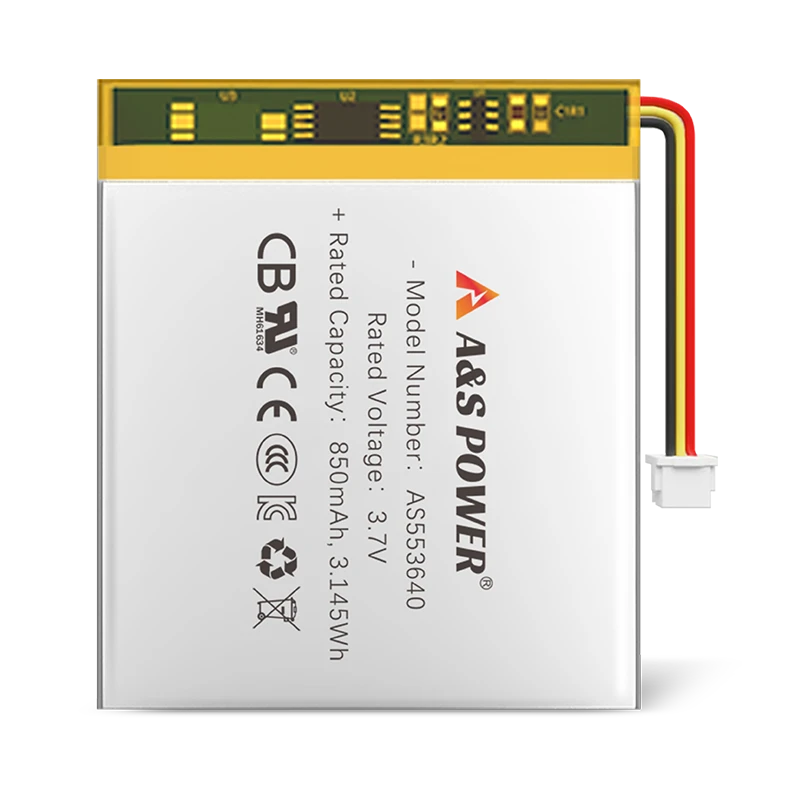
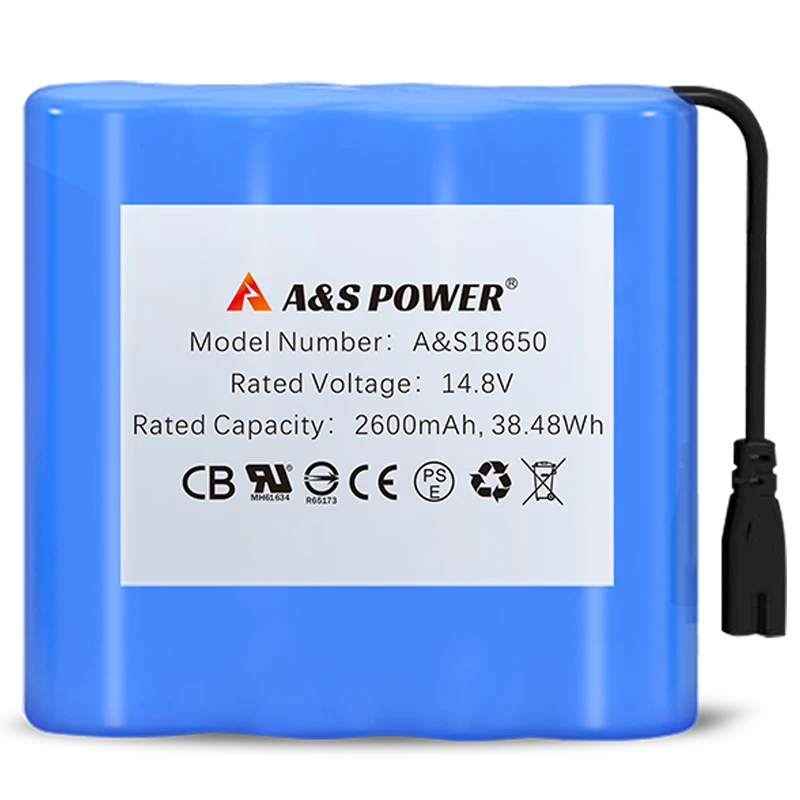
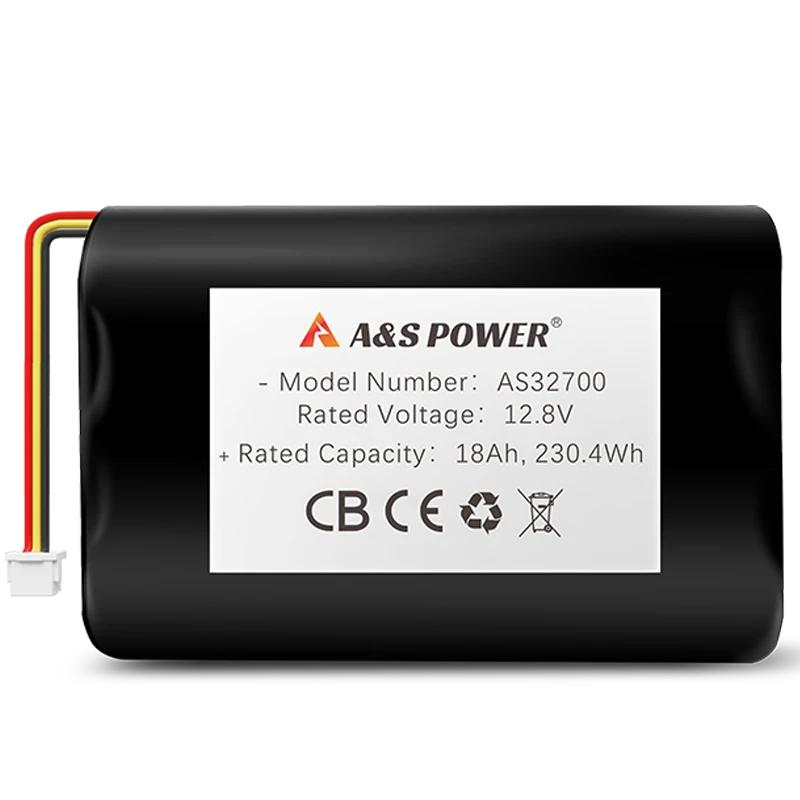


3.7V Lithium Battery Customization: A Complete OEM & Engineering Guide
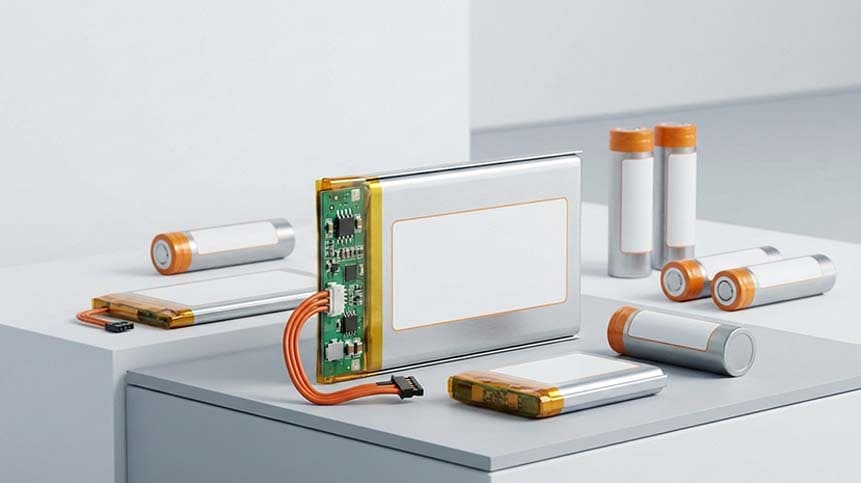
Introduction: Why 3.7V Lithium Battery Customization Matters
In our daily work as a lithium battery manufacturer, one thing is clear: off-the-shelf batteries rarely meet real-world device requirements.
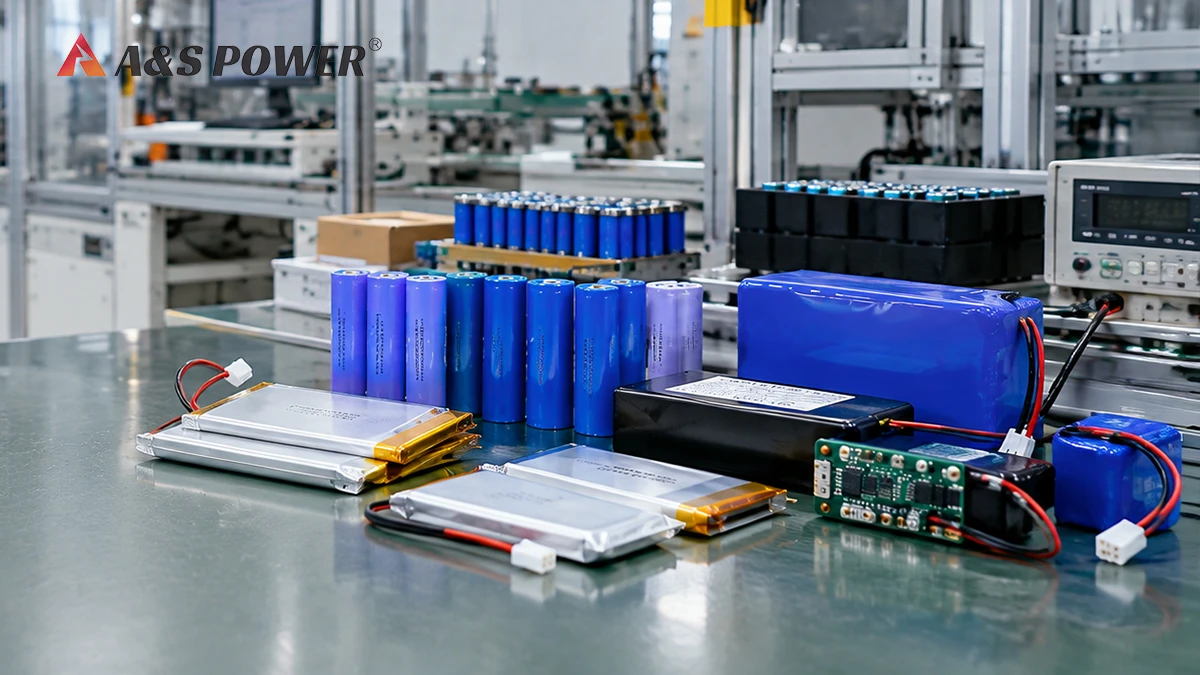
The 3.7V lithium battery has become the industry standard for portable electronics, medical devices, IoT sensors, GPS trackers, wearables, and smart consumer products. However, differences in space constraints, discharge rate, safety standards, and operating environments make customization not just beneficial—but often necessary.
This guide is written from first-hand manufacturing and engineering experience. We’ll explain how 3.7V lithium battery customization works, what parameters truly matter, how OEM buyers should evaluate suppliers, and how custom battery design improves performance, safety, and product lifespan.
What Is a 3.7V Lithium Battery?
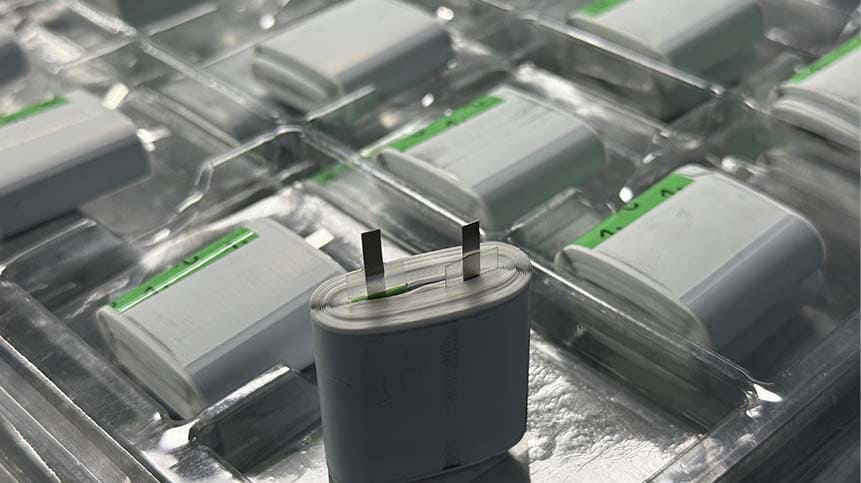
A 3.7V lithium battery refers to a single lithium cell with a nominal voltage of 3.6–3.7V and a full charge voltage of 4.2V.
Common 3.7V Lithium Battery Types
| Battery Type | Chemistry | Typical Shape | Use Case |
|---|---|---|---|
| Li-ion | NMC / NCA | Cylindrical / Prismatic | Industrial, GPS, POS |
| LiPo | Lithium Polymer | Pouch | Medical, wearables |
| LiFePO4 | LFP | Prismatic | Not standard at 3.7V |
For most custom 3.7V batteries, Li-ion and LiPo are the primary choices.
Why Customization Is Critical for 3.7V Lithium Batteries
1. Space and Mechanical Constraints
Modern devices are smaller and thinner. A custom battery allows:
-
Irregular shapes
-
Ultra-thin pouch designs
-
Cable exit orientation control
2. Electrical Performance Matching
Different devices require different:
-
Discharge current (C-rate)
-
Pulse current capability
-
Temperature tolerance
3. Safety and Compliance
Medical and industrial devices require:
-
Redundant protection circuits
-
Certified cells
-
Traceable production batches
Core Customization Parameters Explained
Cell Chemistry Selection
| Chemistry | Energy Density | Cycle Life | Safety | Typical Use |
|---|---|---|---|---|
| NMC | High | Medium | Good | Consumer electronics |
| NCA | Very High | Medium | Moderate | High-performance |
| LiPo | High | Medium | Very Good | Medical, wearables |
Capacity Design (mAh)
Capacity is not simply “bigger is better”.
We always calculate capacity based on:
-
Average load current
-
Peak current
-
Required runtime
-
Aging margin (20–30%)
Example calculation:
| Parameter | Value |
|---|---|
| Device current | 200 mA |
| Runtime | 8 hours |
| Required capacity | 1600 mAh |
| Design margin | +25% |
| Final capacity | ~2000 mAh |
Discharge Rate (C-rate)
-
Standard devices: 0.5C–1C
-
Wireless modules: 2C pulse
-
Medical motors: 3C–5C burst
Custom cell selection prevents:
-
Voltage drop
-
Overheating
-
Premature aging
PCM / BMS Customization
Protection Circuit Module options:
-
Overcharge protection
-
Over-discharge protection
-
Over-current protection
-
Short-circuit protection
-
NTC temperature sensing
For medical batteries, dual MOSFET + NTC is strongly recommended.
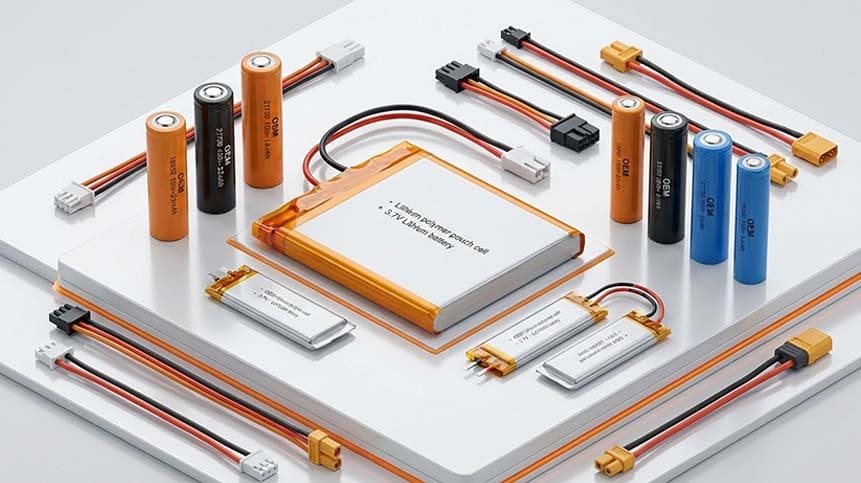
Custom Battery Form Factors
| Form Factor | Advantages | Typical Applications |
|---|---|---|
| Pouch (LiPo) | Ultra-thin, flexible | Wearables, medical |
| Cylindrical | Stable, standardized | GPS, trackers |
| Prismatic | Compact, rigid | Industrial devices |
Connector, Wire, and Assembly Options
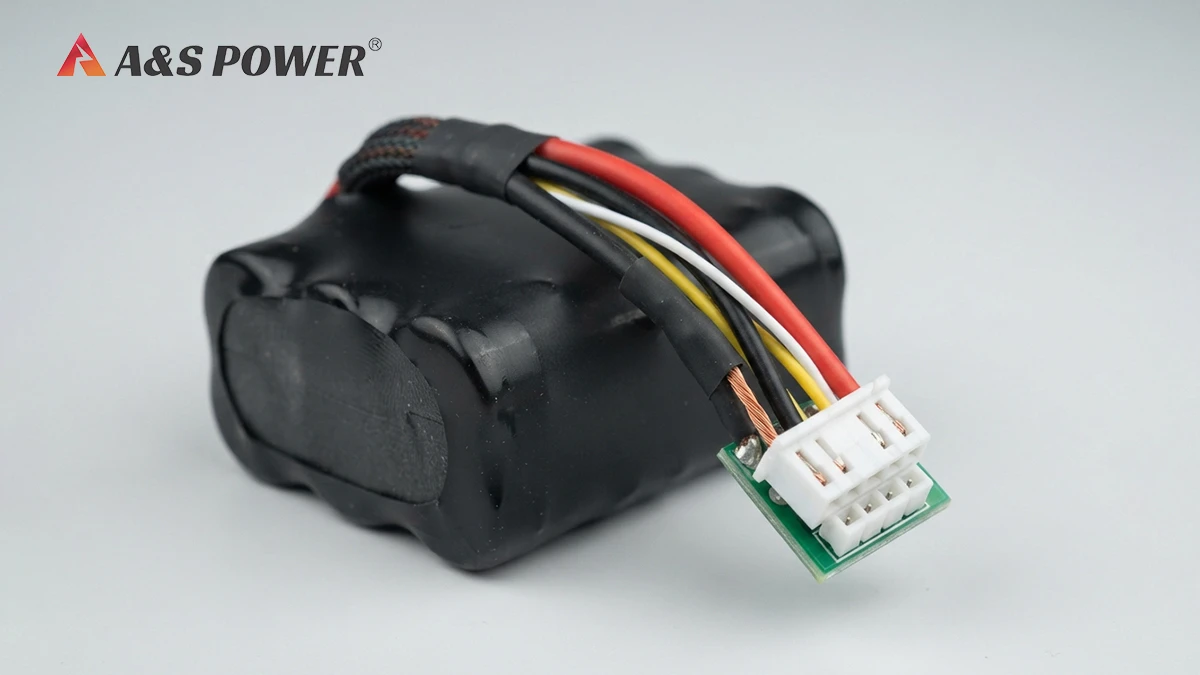
Customization includes:
-
JST, Molex, Hirose connectors
-
Wire gauge (AWG 24–30)
-
Wire length tolerance ±1mm
-
Heat-shrink or tape wrapping
-
Labeling & QR traceability
Certifications Required for 3.7V Custom Batteries
| Certification | Purpose |
|---|---|
| UN38.3 | Transportation safety |
| IEC 62133 | Cell & pack safety |
| CE | EU market access |
| RoHS | Environmental compliance |
| MSDS | Shipping documentation |
For medical batteries, additional requirements may include:
-
ISO 13485 manufacturing
-
Biocompatibility evaluation (device level)
Customization Process – From Concept to Mass Production
Step-by-Step OEM Workflow
-
Application requirement analysis
-
Electrical & mechanical design
-
Sample prototyping (7–15 days)
-
Performance & safety testing
-
Certification support
-
Mass production & QC
-
After-sales technical support
Data-Backed Benefits of Custom 3.7V Lithium Batteries
| Metric | Off-the-shelf | Custom Battery |
|---|---|---|
| Space utilization | 70–80% | 95%+ |
| Cycle life | 300–500 | 500–800 |
| Safety incidents | Higher | Lower |
| Device reliability | Medium | High |
Typical Applications
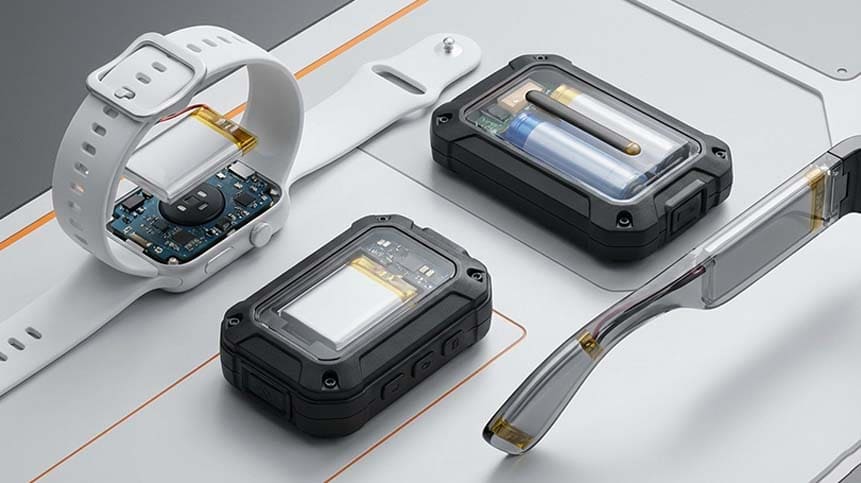
Medical Devices
-
Infusion pumps
-
Patient monitors
-
Breast pumps
-
Hearing aids
IoT & GPS
-
Asset trackers
-
Smart meters
-
Remote sensors
Consumer Electronics
-
Smart wearables
-
Handheld terminals
References
Frequently Asked Questions (FAQ)
Can a 3.7V battery be customized for low-temperature use?
Yes. Special electrolyte and cell screening allow operation down to -20°C or lower.
What is the MOQ for custom 3.7V batteries?
Typically 300–1000 pcs, depending on cell type and tooling.
How long does customization take?
Samples: 1–2 weeks
Mass production: 4–6 weeks
Is LiPo safer than Li-ion?
LiPo offers better form factor flexibility and swelling tolerance, but safety depends on protection design and manufacturing quality.
Why Work With a Professional Custom Battery Manufacturer
From our experience, successful OEM projects depend on:
-
Engineering communication
-
Stable cell supply
-
Transparent testing data
-
Long-term technical support
A reliable partner doesn’t just supply batteries—we reduce your device failure risk.
Conclusion: Turning Custom Batteries into Competitive Advantage
3.7V lithium battery customization is no longer optional for modern devices. It directly impacts product reliability, safety, user experience, and brand reputation.
If you are developing medical, IoT, or industrial equipment, working with an experienced customization-focused battery manufacturer will shorten development cycles and reduce total cost of ownership.
-

 May.2026.09.17Meet A&S Power at KES 2026 in Seoul – Custom Lithium Battery SolutionsLearn More
 -
 May.2026.09.16How to Choose a Custom Lithium Battery Manufacturer in China: A Buyer's GuideLearn More
 -
 May.2026.09.15Can VHR-4N Connectors Work With 14 AWG Battery Wires?Learn More
 -
 May.2026.09.14Who Pays UL Battery Certification Maintenance Fees?Learn More
 -
 May.2026.09.11PTC vs PCM: Why Use Both in Lithium Battery Protection?Learn More