




48V 1000W Lithium-Ion Battery: Complete Technical and Application Guide
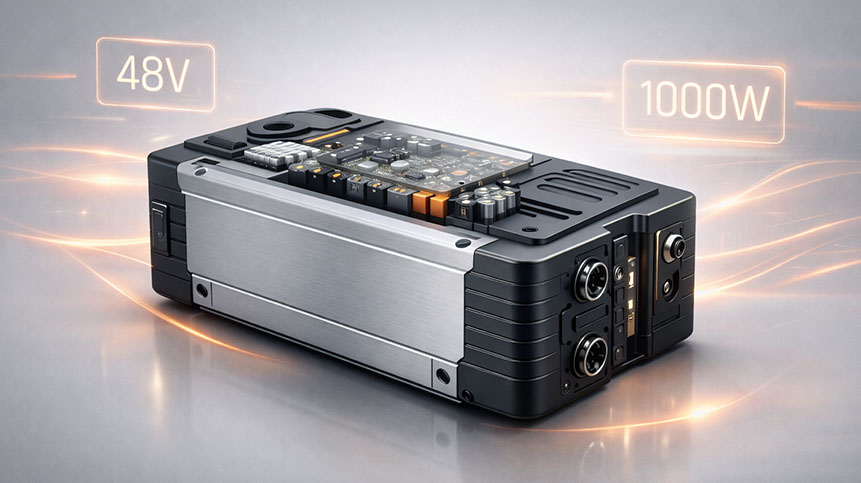
What Is a 48V 1000W Lithium-Ion Battery?
A 48V 1000W lithium-ion battery is a high-power rechargeable energy storage system designed to deliver 1000 watts of continuous output power at a nominal voltage of approximately 48 volts.
This configuration is widely used in:
-
Electric bicycles and electric scooters
-
Light electric vehicles (LEVs)
-
Solar energy storage systems
-
Industrial equipment
-
Robotics and automation systems
-
Backup power solutions
From an engineering perspective, “48V” typically refers to a nominal voltage, not the maximum or minimum operating voltage. Most 48V lithium-ion battery packs are built using 13-series (13S) or 14-series (14S) cell configurations depending on chemistry and design requirements.
Why 48V and 1000W Is an Industry-Preferred Configuration
The combination of 48V voltage architecture and 1000W power output strikes an optimal balance between:
-
Electrical efficiency
-
System safety
-
Manageable current levels
-
Component availability
-
Global regulatory acceptance
Electrical Efficiency Advantage
At higher voltages, the same power output requires lower current, which reduces:
-
Heat generation
-
Cable losses
-
Connector stress
-
Overall system inefficiency
For example:
-
24V at 1000W → ~41.7A
-
48V at 1000W → ~20.8A
Lower current directly improves reliability and lifespan.
Typical Voltage Range of a 48V Lithium-Ion Battery
A standard lithium-ion cell has a voltage range of:
-
Fully charged: 4.2V
-
Nominal: 3.6–3.7V
-
Cut-off: 2.5–3.0V
Common Pack Configurations
| Configuration | Nominal Voltage | Fully Charged | Cut-off Voltage |
|---|---|---|---|
| 13S Li-ion | 48.1V | 54.6V | ~39V |
| 14S Li-ion | 51.8V | 58.8V | ~42V |
| 16S LiFePO4 | 51.2V | 58.4V | ~40V |
This voltage window must be matched precisely with the motor controller, inverter, or load system.
Power vs Capacity – Understanding 1000W in Real Use
1000W represents power, not energy capacity.
Energy is measured in watt-hours (Wh):
Energy (Wh) = Voltage (V) × Capacity (Ah)
Example Calculations
| Battery Capacity | Energy (Wh) | Runtime at 1000W |
|---|---|---|
| 48V 10Ah | 480Wh | ~0.48 hours |
| 48V 20Ah | 960Wh | ~0.96 hours |
| 48V 30Ah | 1440Wh | ~1.44 hours |
| 48V 50Ah | 2400Wh | ~2.4 hours |
This makes capacity selection application-specific, not one-size-fits-all.
Cell Chemistry Options for 48V 1000W Systems
Lithium-Ion (NMC / NCA)
Advantages
-
High energy density
-
Compact size
-
Lighter weight
Typical Applications
-
E-bikes
-
Portable energy storage
-
Consumer and medical devices
Lithium Iron Phosphate (LiFePO4)
Advantages
-
Long cycle life (3000–6000 cycles)
-
Excellent thermal stability
-
Higher safety margin
Trade-Off
-
Larger size and heavier weight
Battery Cell Selection and Configuration
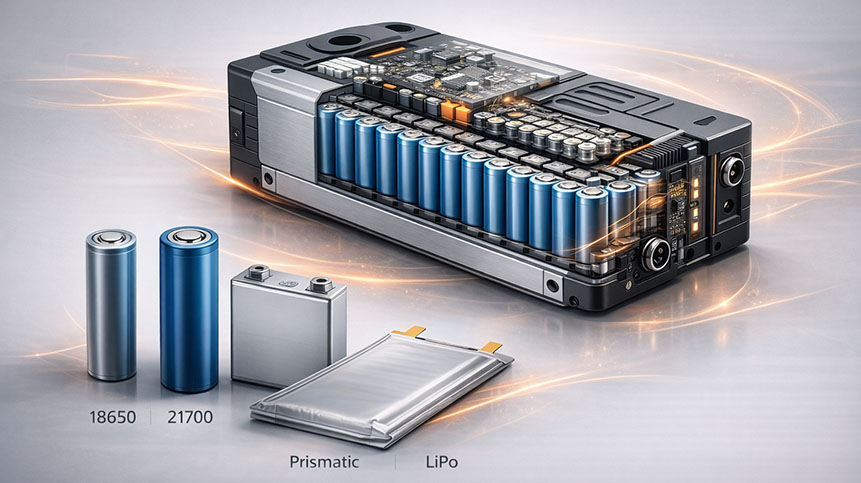
Common Cell Formats
-
18650
-
21700
-
Prismatic lithium cells
-
Lithium polymer (LiPo)
Example: 48V 20Ah Using 21700 Cells
-
Configuration: 13S8P
-
Cell capacity: 5Ah
-
Total cells: 104 cells
-
Nominal energy: ~960Wh
Cell consistency and matching directly affect cycle life, safety, and performance.
BMS (Battery Management System) Requirements
A 48V 1000W lithium-ion battery must include a professional BMS.
Key BMS Functions
-
Overcharge protection
-
Over-discharge protection
-
Overcurrent protection
-
Short-circuit protection
-
Cell balancing
-
Temperature monitoring
Typical BMS Ratings
| Parameter | Recommended |
|---|---|
| Continuous Current | ≥30A |
| Peak Current | ≥60A |
| Balance Accuracy | ≤30mV |
| Temp Sensors | ≥2 NTC |
Safety Standards and Certifications
For global markets, compliance is critical.
Common Certifications
Thermal Management and Enclosure Design
Heat is the primary enemy of lithium-ion batteries.
Design Considerations
-
Aluminum enclosure for heat dissipation
-
Internal spacing for airflow
-
Thermal pads between cells
-
Smart BMS temperature cutoff
Operating temperature range (recommended):
-
Charging: 0°C to 45°C
-
Discharging: -20°C to 60°C
Application Scenarios for 48V 1000W Lithium-Ion Batteries
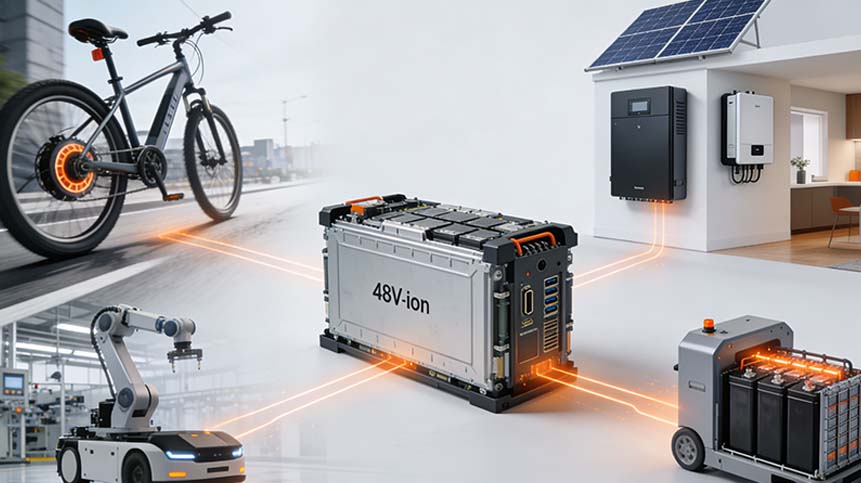
Electric Bicycles & Scooters
-
Strong torque support
-
Long riding range
-
Lightweight compared to lead-acid
Solar & Energy Storage Systems
-
Home ESS
-
Off-grid solar systems
-
Backup power
Industrial Equipment
-
Automated guided vehicles (AGVs)
-
Robotics
-
Portable industrial tools
Charging Requirements and Compatibility
Standard Charging Specs
-
Charger voltage: 54.6V (13S Li-ion)
-
Charging current: 0.2C–0.5C
-
Charging time: 4–8 hours
Smart chargers with CC/CV profiles are essential for battery longevity.
Cycle Life and Degradation Factors
Average Cycle Life
| Chemistry | Cycles (80% Capacity) |
|---|---|
| NMC | 800–1200 |
| NCA | 1000–1500 |
| LiFePO4 | 3000–6000 |
Degradation Influences
-
Depth of discharge
-
Charging rate
-
Operating temperature
-
Cell quality
Custom 48V 1000W Lithium Battery Solutions
For B2B customers, customization is often mandatory, not optional.
Custom Parameters
-
Capacity (Ah / Wh)
-
Size and enclosure
-
Connector type
-
Communication (CAN / UART / RS485)
-
Branding and labeling
This is where professional manufacturers like A&S Power / SZAS Power add value through engineering and quality control.
Quality Control and Manufacturing Process
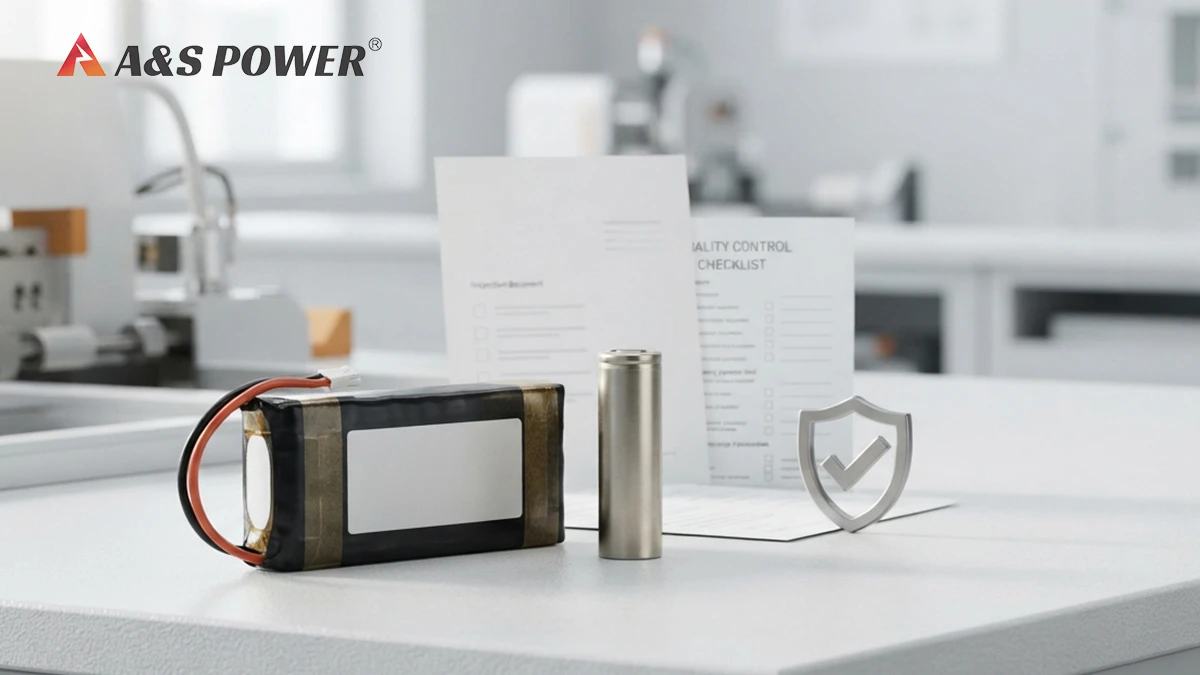
Key QC Steps
-
Incoming cell inspection
-
Cell matching and grading
-
Spot welding quality checks
-
BMS functional testing
-
Aging and capacity testing
-
Final safety inspection
Frequently Asked Questions (FAQ)
How long can a 48V 1000W battery run continuously?
Runtime depends on capacity. A 48V 20Ah battery (~960Wh) can power a 1000W load for approximately one hour under ideal conditions.
Is a 48V lithium-ion battery safe?
Yes, when designed with certified cells, a quality BMS, and proper thermal protection, 48V lithium-ion systems are widely considered safe for commercial use.
Can I customize a 48V 1000W lithium battery for my project?
Absolutely. Customization is common for enclosure size, connectors, communication protocols, and capacity to match specific equipment requirements.
What is the difference between 48V Li-ion and 48V LiFePO4?
Li-ion offers higher energy density and lighter weight, while LiFePO4 provides longer cycle life and enhanced thermal stability.
How should a 48V lithium battery be stored?
Store at 30–60% state of charge, in a dry environment, between 10–25°C, and recharge every 3–6 months for long-term storage.
Conclusion
The 48V 1000W lithium-ion battery has become a cornerstone power solution across mobility, energy storage, and industrial sectors. Its balance of efficiency, scalability, and safety makes it ideal for modern electrification needs.
For businesses seeking reliable, custom-engineered battery systems, working with an experienced lithium battery manufacturer ensures performance consistency, regulatory compliance, and long-term value.
-

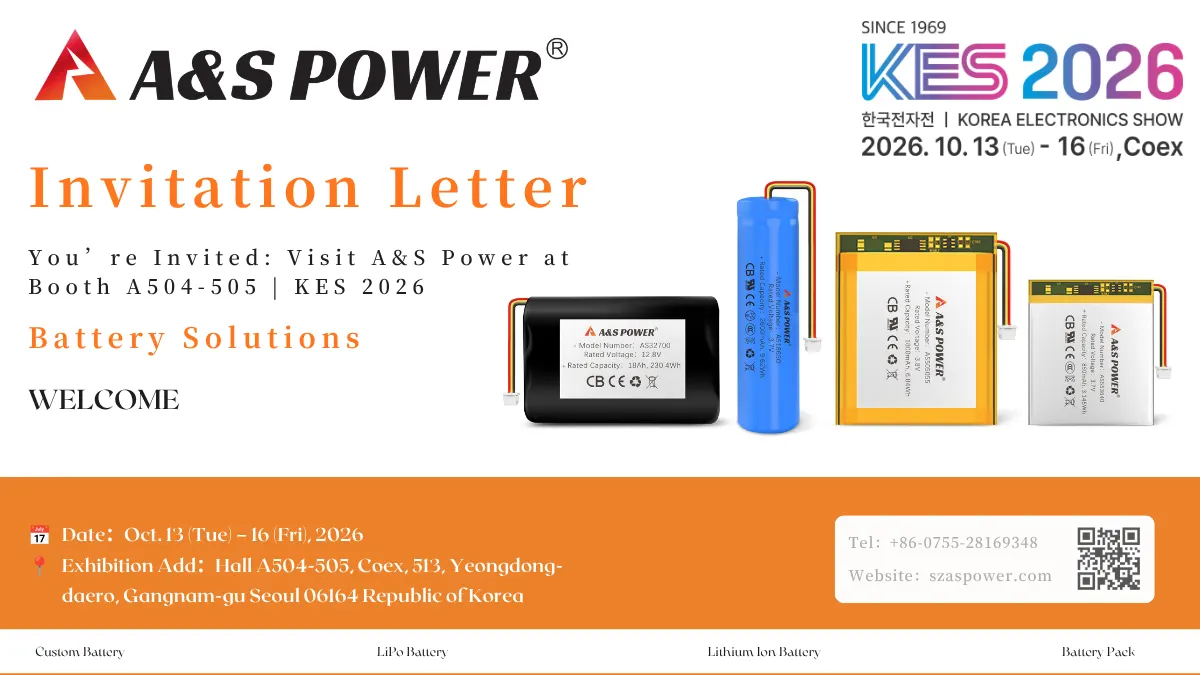 May.2026.09.17Meet A&S Power at KES 2026 in Seoul – Custom Lithium Battery SolutionsLearn More
 -
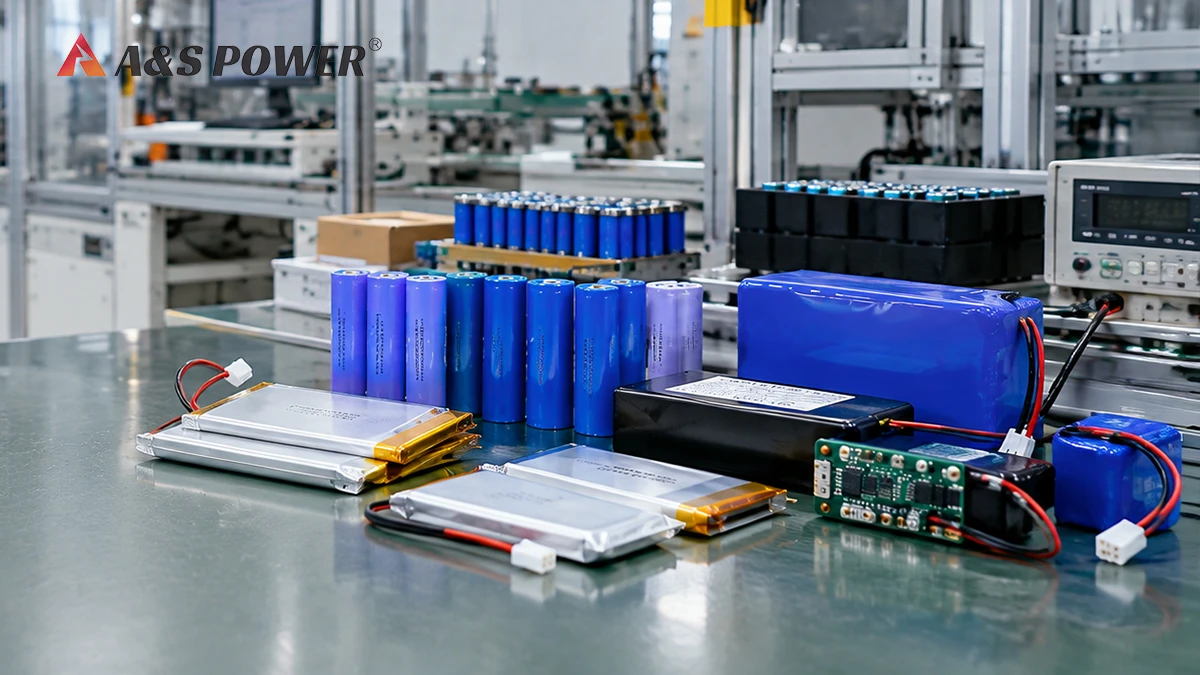 May.2026.09.16How to Choose a Custom Lithium Battery Manufacturer in China: A Buyer's GuideLearn More
 -
 May.2026.09.15Can VHR-4N Connectors Work With 14 AWG Battery Wires?Learn More
 -
 May.2026.09.14Who Pays UL Battery Certification Maintenance Fees?Learn More
 -
 May.2026.09.11PTC vs PCM: Why Use Both in Lithium Battery Protection?Learn More