




Does Lithium Polymer Last Longer Than Lithium Ion?
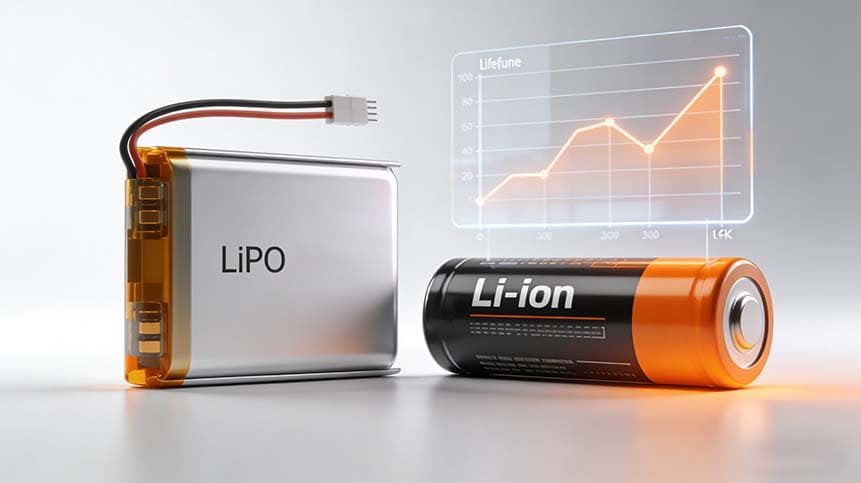
When someone asks me whether lithium polymer (LiPo) lasts longer than lithium-ion (Li-ion), I always start with one key clarification:
“LiPo and Li-ion are not a single, fixed technology — they are a family of chemistries and form factors.”
So the answer is not a simple “yes” or “no.” Instead, I evaluate real-world lifespan using measurable metrics:
-
Cycle life
-
Calendar life
-
Capacity retention
-
Temperature stability
-
Usage pattern (charge/discharge depth, C-rate)
In this article, I will explain the differences, show real comparison data, and tell you how to maximize battery life for your device or custom battery design.
1. Understanding the Basics: What Is Lithium Polymer vs Lithium Ion?
What Is Lithium-Ion (Li-ion)?
Lithium-ion is the most common rechargeable battery chemistry. It uses liquid electrolyte and typically comes in:
-
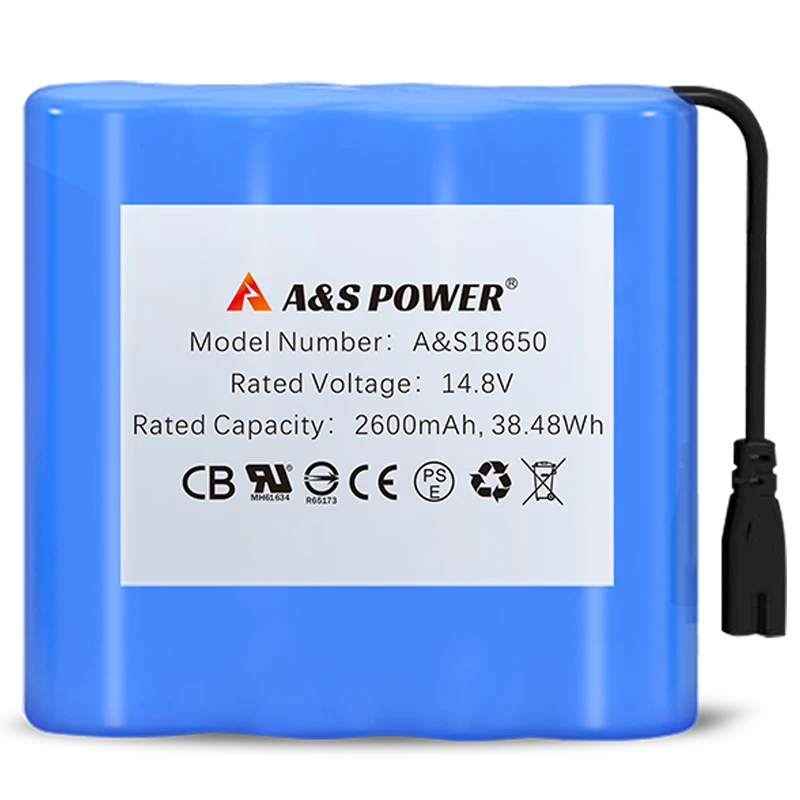
Cylindrical cells (18650, 21700, 26650)
-
Prismatic cells
-
Pouch cells
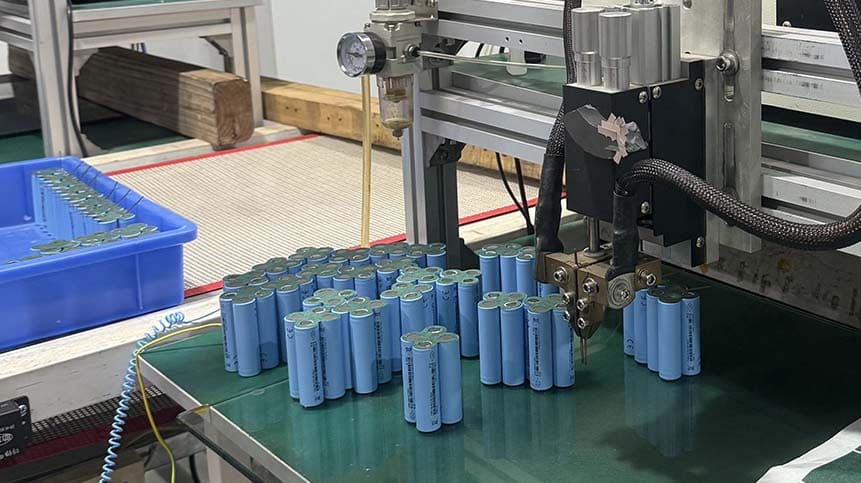
Li-ion strengths:
-
Higher energy density
-
Lower cost per watt-hour
-
Widely available
Li-ion weaknesses:
-
Liquid electrolyte can swell or leak if damaged
-
Higher risk if overcharged or overheated
-
Performance drops under extreme temperatures
What Is Lithium Polymer (LiPo)?
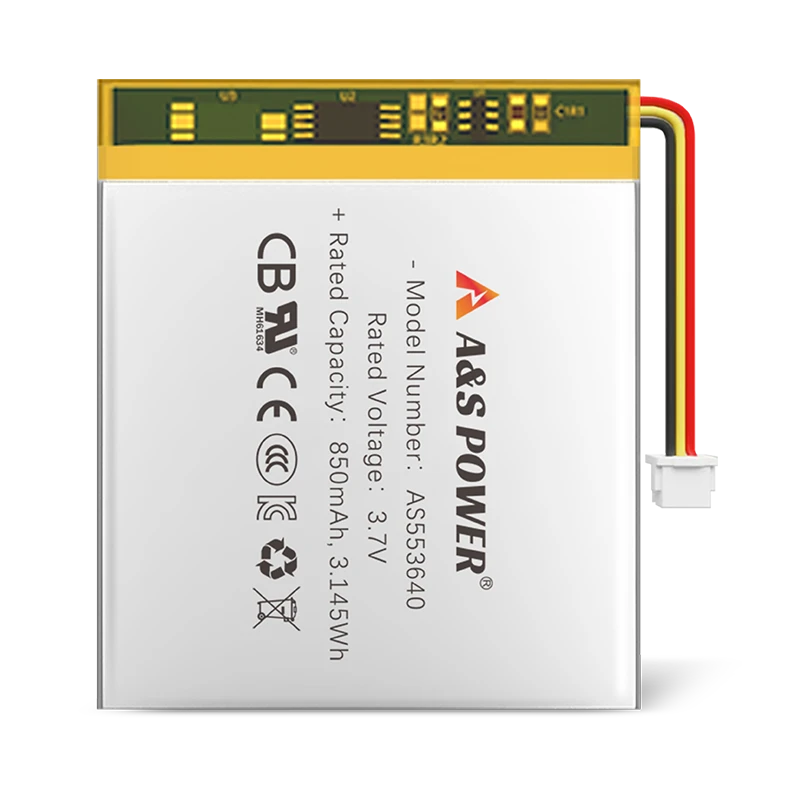
Lithium polymer is essentially a variant of Li-ion that uses a polymer electrolyte (often gel-like). LiPo batteries are commonly:
-
Thin and flexible
-
Lightweight
-
Used in drones, wearables, RC models, and custom devices
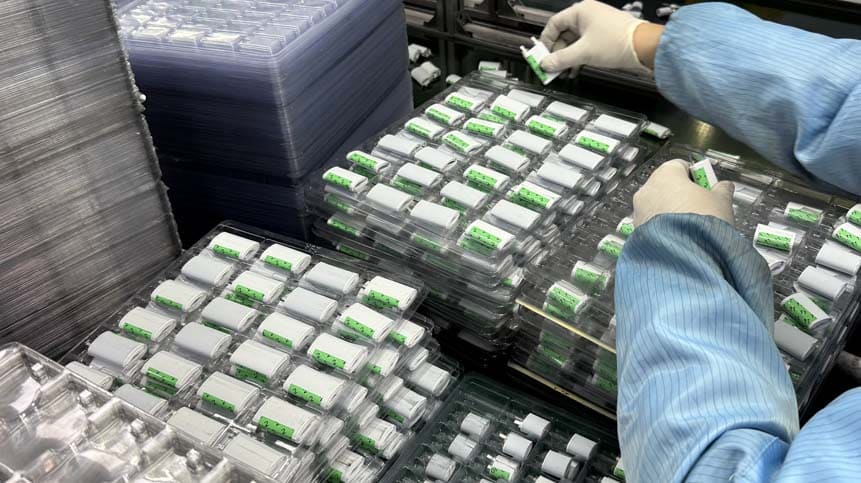
LiPo strengths:
-
Flexible packaging
-
Lower profile and weight
-
High discharge capability (good for high-current loads)
LiPo weaknesses:
-
Generally lower energy density than some Li-ion types
-
More sensitive to over-discharge
-
Can be less stable under harsh temperature
2. What Does “Last Longer” Really Mean?
When people ask “Does LiPo last longer?”, they usually mean one of these:
-
Cycle life (how many charge cycles)
-
Calendar life (how many years before degradation)
-
Runtime per charge (capacity and efficiency)
To answer correctly, we must compare these metrics.
3. Cycle Life Comparison (LiPo vs Li-ion)
Cycle life is the most practical indicator of “longevity” because it measures real usage.
Typical cycle life ranges
| Battery Type | Typical Cycle Life | Notes |
|---|---|---|
| Li-ion (18650/21700) | 500–1200 cycles | Depends on chemistry (NMC, NCA, LFP) |
| LiPo (standard) | 300–800 cycles | Often lower due to flexible packaging |
| LiPo (high-quality) | 500–1000 cycles | Depends on cell quality and design |
Conclusion:
In many cases, Li-ion has higher cycle life, especially LFP (Lithium Iron Phosphate) chemistry, which can reach 2000+ cycles.
However, high-quality LiPo can match Li-ion if properly designed and used.
4. Calendar Life: How Long Do They Last in Storage?
Calendar life is how long the battery lasts even when not used.
Factors that affect calendar life:
-
Storage temperature
-
State of charge
-
Self-discharge rate
-
Manufacturing quality
Typical calendar life
| Battery Type | Typical Calendar Life | Notes |
|---|---|---|
| Li-ion | 2–5 years | High temperature accelerates aging |
| LiPo | 2–4 years | Sensitive to over-charge and storage conditions |
| LFP | 5–10 years | Best calendar life among common chemistries |
Conclusion:
For long-term storage, Li-ion and LiPo are similar, but LFP clearly outperforms both.
5. Why Li-ion Often Lasts Longer in Real Use
Li-ion usually lasts longer because:
5.1 Stronger Cell Stability
Li-ion cells are more stable in rigid packaging, which reduces stress during cycles.
5.2 Better Thermal Performance
Most Li-ion cells handle heat better than typical LiPo.
5.3 Higher Quality Manufacturing
Li-ion has been mass-produced for decades, meaning manufacturing processes are more mature.
6. Why LiPo Can Still Be a Better Choice
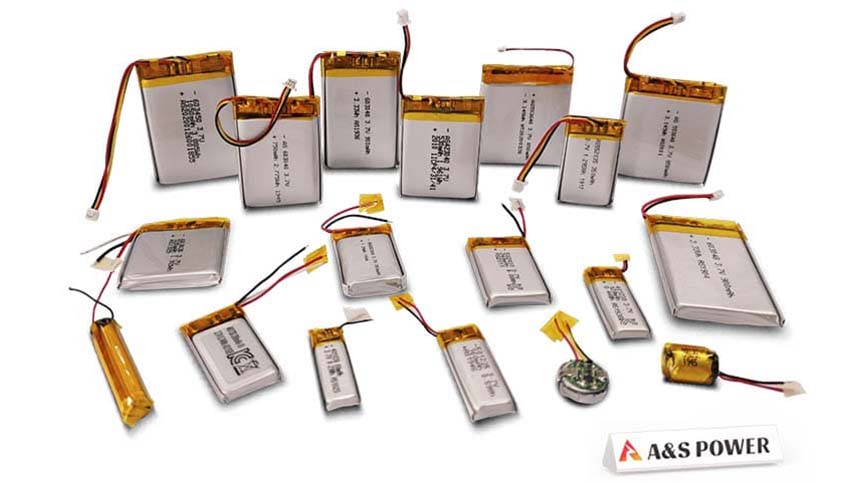
Even if Li-ion lasts longer, LiPo has advantages that matter in real applications:
6.1 Form Factor Flexibility
LiPo can be shaped to fit slim devices, such as:
-
Wearables
-
Medical devices
-
Thin handheld devices
6.2 High Discharge Rates
LiPo can deliver high current quickly, which is essential for:
-
Drones
-
RC models
-
Power tools
6.3 Customization
LiPo can be designed into custom sizes and shapes, making it ideal for bespoke battery packs.
7. Real-World Lifespan Factors (Both LiPo and Li-ion)
To determine lifespan, I always look at real usage patterns:
7.1 Depth of Discharge (DoD)
If you discharge only 20–30% per cycle, battery life can increase dramatically.
| DoD | Typical Cycle Life |
|---|---|
| 20% | 1500–3000 cycles |
| 50% | 800–1200 cycles |
| 80% | 300–600 cycles |
7.2 Charging Speed
Fast charging increases heat, which reduces lifespan.
7.3 Temperature
Heat is the enemy of batteries.
-
25°C (room temp) = best
-
40°C+ = accelerated degradation
-
0–10°C = reduced performance (but not always damage)
7.4 Storage Voltage
Storing at 40–60% charge is ideal.
8. How I Measure Battery Longevity in Real Life
If I want to compare LiPo and Li-ion in a real product, I use these methods:
| 8.1 Real Cycle Test | 8.2 Real Temperature Stress Test | 8.3 Real Discharge Rate Test |
|
I test:
|
I test at:
|
I test at:
|
9. Data-Supported Comparison (LiPo vs Li-ion)
Here is a realistic comparison based on typical data from battery manufacturers and industry standards (NMC vs LiPo pouch):
| Metric | Li-ion (NMC) | LiPo (Pouch) | Notes |
|---|---|---|---|
| Energy Density | 150–260 Wh/kg | 120–220 Wh/kg | Li-ion often higher |
| Cycle Life | 500–1200 | 300–800 | Li-ion generally higher |
| Self-Discharge | 1–3%/month | 2–4%/month | Similar range |
| Temperature Tolerance | -20 to 60°C | -10 to 60°C | LiPo slightly less cold tolerant |
| Safety | Moderate | Moderate | Both require protection |
| Cost | Lower | Higher | LiPo more expensive per Wh |
| Custom Shape | Limited | Excellent | LiPo advantage |
Conclusion:
In terms of lifespan, Li-ion often outperforms LiPo, but LiPo wins in custom shape, thin design, and high discharge.
10. Answering the Core Question: Does LiPo Last Longer?
My Conclusion
In most cases, Li-ion lasts longer than LiPo in terms of cycle life and calendar life.
However, high-quality LiPo can match Li-ion in real use, especially when used properly and with strong battery management.
So the answer is:
✅ Li-ion generally lasts longer
⚠️ LiPo can last equally long if designed and used correctly
Which Battery Should You Choose? (Practical Guidance)
Choose Li-ion if you want:
-
Highest cycle life
-
Best value per Wh
-
Long-term durability
-
Common consumer electronics
Choose LiPo if you want:
-
Thin, flexible design
-
High discharge current
-
Custom shape for a unique product
12. How to Maximize Battery Life (LiPo & Li-ion)
Best Practices for Both
-
Avoid deep discharge
-
Avoid high temperature
-
Store at 40–60% SOC
-
Use proper battery management system (BMS)
-
Avoid fast charging unless necessary
Specific Tips for LiPo
-
Avoid over-swelling
-
Use proper protection circuits
-
Store in fire-safe container if possible
13. My Recommendations for Custom Battery Projects
If you are designing a custom battery pack, I suggest:
13.1 Choose the right chemistry
-
Li-ion for durability and cost
-
LiPo for thin design and high discharge
13.2 Use a professional BMS
A good BMS increases lifespan dramatically.
13.3 Design for temperature
If the device runs hot, choose cells with better thermal stability.
14. FAQ (Frequently Asked Questions)
Q1: Is LiPo safer than Li-ion?
No. Both are safe when used correctly, but LiPo is more sensitive to over-discharge and swelling, so it requires careful protection.
Q2: Which battery has better energy density?
Li-ion typically has higher energy density than LiPo.
Q3: Do LiPo batteries last longer if I don’t fully charge them?
Yes. Partial charging (20–80%) reduces stress and can increase cycle life.
Q4: Can LiPo batteries be used in medical devices?
Yes. LiPo is often used in medical wearables due to thin shape, but it must be designed with strict safety and protection circuits.
Q5: How can I tell if my LiPo battery is degrading?
Signs include:
-
Reduced runtime
-
Swelling
-
High internal resistance
-
Heat during charge/discharge
15. Final Summary
Li-ion generally lasts longer than LiPo, but high-quality LiPo can match Li-ion when designed properly and used under the right conditions.
If you want a battery that lasts longer in cycles and calendar life, Li-ion (especially LFP) is typically the better choice.
If you need thin, custom shape or high discharge, LiPo is the right solution.
-

 May.2026.09.24Optimal Li-Polymer Battery Charge Voltage ExplainedLearn More
 -
 May.2026.09.24Optimal LiFePO4 Charge Voltage Explained: 12V, 24V and 48VLearn More
 -
 May.2026.09.22Can All Lithium Batteries Be Recharged?Learn More
 -
 May.2026.09.21UN3480 vs UN3481: Lithium-Ion Battery Shipping GuideLearn More
 -
 May.2026.09.2121700 Battery Specifications: Capacity, Size, Voltage, and UsesLearn More