




Lithium Manganese Dioxide Battery Ultimate Guide
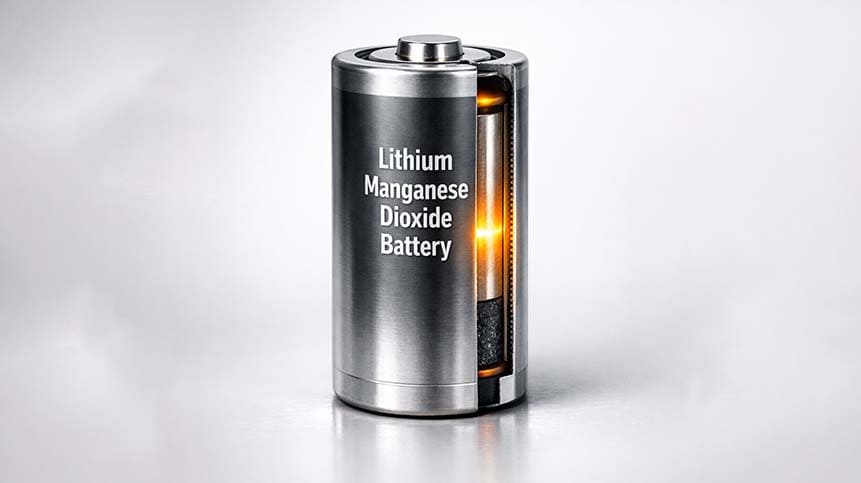
I’ve spent years working with battery technologies in medical, industrial, and consumer electronics sectors. In this guide, I’ll walk you through the science, performance, applications, and market trends for lithium manganese dioxide batteries — a key power solution in many high-reliability use cases.
1. What Is a Lithium Manganese Dioxide Battery?
A lithium manganese dioxide (Li-MnO₂) battery is a type of primary (non-rechargeable) lithium battery that uses metallic lithium as the anode and manganese dioxide (MnO₂) as the cathode. It produces a nominal voltage of ~3.0 volts, higher than most alkaline or silver oxide batteries, and exhibits steady discharge characteristics through most of its service life.
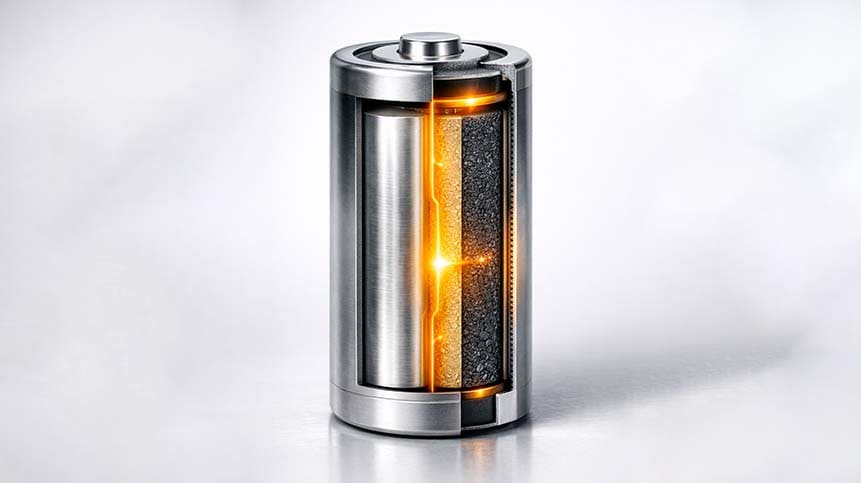
The electrochemical reaction is based on lithium ions moving from the anode to the MnO₂ lattice during discharge:
Li + MnO₂ → LiMnO₂
This results in consistent voltage output and high energy delivery.
Chemistry and Working Principle
At the core of Li-MnO₂ technology is the insertion (intercalation) process:
-
Anode (Negative): Lithium metal oxidizes, releasing electrons and ions.
-
Cathode (Positive): MnO₂ accepts lithium ions and electrons, reducing manganese.
This controlled ionic movement produces a nominal voltage around 3.0 V, with a stable working range and minimal voltage drop—ideal for devices requiring steady power delivery.
2. Key Features & Performance Metrics
Understanding the standout properties helps you evaluate if Li-MnO₂ is right for your product.
High Voltage & Stable Output
Li-MnO₂ cells deliver a high nominal voltage (~3.0 V) that remains steady throughout much of the discharge cycle, making them superior to alkaline in many precision applications.
High Energy Density
These batteries can achieve energy densities up to roughly 230–400 Wh/kg, far above typical alkaline chemistries, enabling longer runtimes in compact form factors.
Extremely Low Self-Discharge
At room temperature, Li-MnO₂ cells typically lose less than 1% capacity per year, giving them an exceptionally long shelf life of 10–20+ years.
Wide Operating Temperature Range
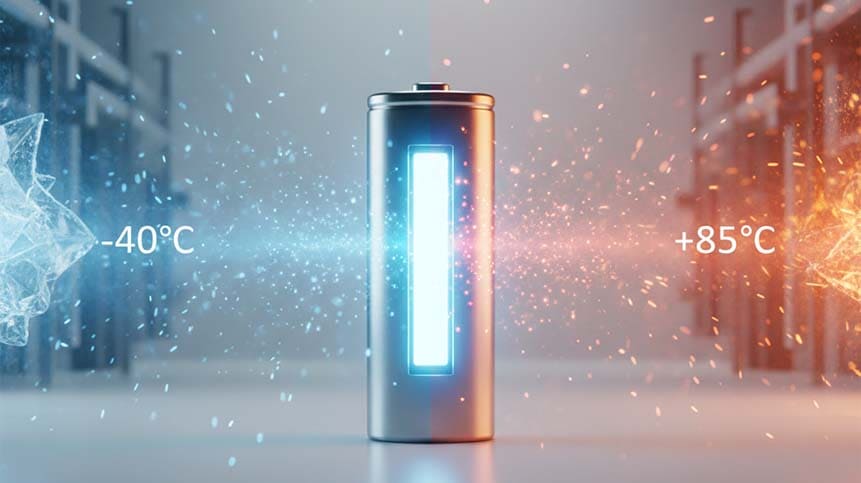
Li-MnO₂ batteries operate reliably in harsh conditions (–40°C to +85°C), making them suitable for industrial, military, and outdoor electronics.
High Safety and Stability
The inherent chemistry and hermetically sealed construction reduce risks of leakage, thermal runaway, or explosions.
Li-MnO₂ vs. Other Primary Batteries
| Feature | Li-MnO₂ | Alkaline | Silver Oxide |
|---|---|---|---|
| Nominal Voltage | ~3.0V | 1.5V | 1.55V |
| Shelf Life | 10-20+ yrs | 3-5 yrs | 3-7 yrs |
| Energy Density | High (~230-400 Wh/kg) | Medium | Medium-High |
| Temp. Range | -40 to +85°C | 0 to +50°C | 0 to +60°C |
| Self-Discharge | ≤1%/yr | ~2-3%/yr | ~3-4%/yr |
Insight: Li-MnO₂ stands out in long shelf life, voltage stability, and wide temperature tolerance, making it ideal for mission-critical applications.
3. Common Applications of Li-MnO₂ Batteries
Li-MnO₂ batteries are versatile and used widely where reliability matters.
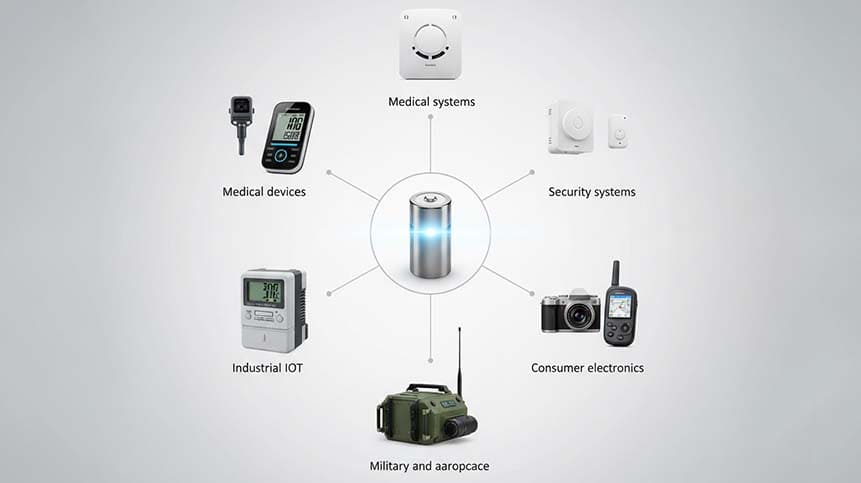
Medical Devices
Precision instruments, glucose monitors, pacemakers, and other life-critical systems depend on consistent power delivery over many years without battery changes.
Safety & Security Systems
Smoke alarms, CO detectors, wireless sensors, and security devices benefit from the low self-discharge and stable voltage, ensuring devices operate reliably at all times.
Consumer Electronics
Remote controls, cameras, GPS trackers, and keyless remote fobs value the compact form factor and long life.
Industrial and IoT Sensors
Remote sensors, flow meters, and telemetry equipment use Li-MnO₂ for maintenance-free operation over years.
Aerospace & Military
High safety, reliability, and wide temperature range make Li-MnO₂ a choice for avionics and communication equipment.
4. Performance Specifications Table
Below is a general spec comparison of common Li-MnO₂ cells:
| Parameter | Typical Value |
|---|---|
| Nominal Voltage | ~3.0 V |
| Open-Circuit Voltage | Up to ~3.3 V |
| Self-Discharge | ≤1%/yr |
| Energy Density | 230-400 Wh/kg |
| Operating Temp | -40 to +85°C |
| Shelf Life | 10-20+ years |
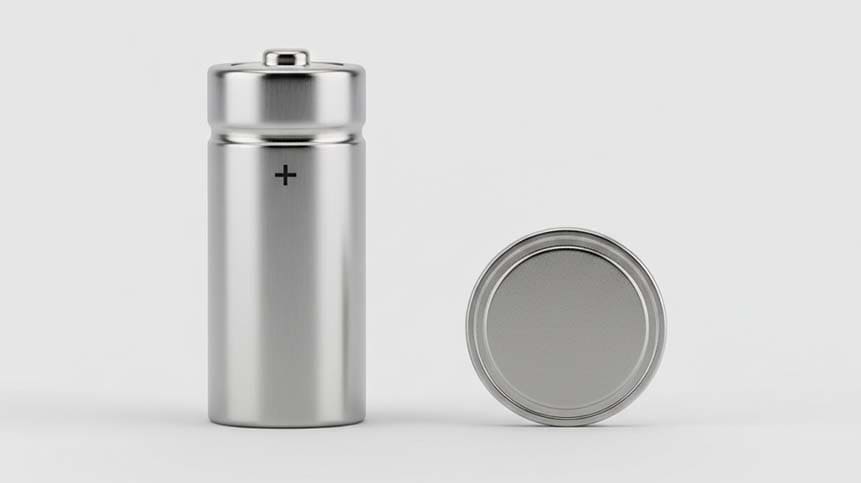
| Typical Formats | CR123A, CR2032, AA-size primaries |
(Values aggregated from industry sources)
5. Buying & Spec Selection Guide
When sourcing Li-MnO₂ batteries for OEM or production use:
Certification & Compliance
Ensure supplier products meet relevant standards such as UL, IEC, and UN transport tests for safety and international shipping.
Performance Verification
Ask for third-party testing reports to validate capacity, discharge rates, and shelf life claims.
Cost-Efficiency Tips
Calculate $ per Watt-hour (Wh) rather than unit cost, especially for large orders. Volume discounts can significantly lower unit pricing.
6. Market Trends & Growth Outlook
According to market research, the Li-MnO₂ battery market continues to expand as demand grows in consumer electronics, industrial IoT, security, and even EV/renewable energy segments.
Forecasts show an expanding product mix across cylindrical, prismatic, and pouch formats supporting diversified uses worldwide.
7. References
8. FAQ: Lithium Manganese Dioxide Battery
Q1: Are Li-MnO₂ batteries rechargeable?
A1: No. These are primary (non-rechargeable) lithium cells designed for long storage and one-time use. Attempted recharge may lead to leakage or safety risks.
Q2: How long can Li-MnO₂ batteries be stored before use?
A2: With proper storage, capacity loss is less than ~1% annually, supporting 10-20+ years of shelf life.
Q3: What voltage do Li-MnO₂ cells provide?
A3: Nominal ~3.0 V with open-circuit values up to ~3.3 V depending on design and load.
Q4: Which formats are most common?
A4: CR123A, CR2032, and specialty primary sizes used in electronics, meters, and medical sensors.
Q5: Are there safety concerns?
A5: Li-MnO₂ batteries are considered stable and safe when used according to specs, though all lithium cells should avoid short circuits or extreme abuse.
-

 May.2026.09.17Meet A&S Power at KES 2026 in Seoul – Custom Lithium Battery SolutionsLearn More
 -
 May.2026.09.16How to Choose a Custom Lithium Battery Manufacturer in China: A Buyer's GuideLearn More
 -
 May.2026.09.15Can VHR-4N Connectors Work With 14 AWG Battery Wires?Learn More
 -
 May.2026.09.14Who Pays UL Battery Certification Maintenance Fees?Learn More
 -
 May.2026.09.11PTC vs PCM: Why Use Both in Lithium Battery Protection?Learn More