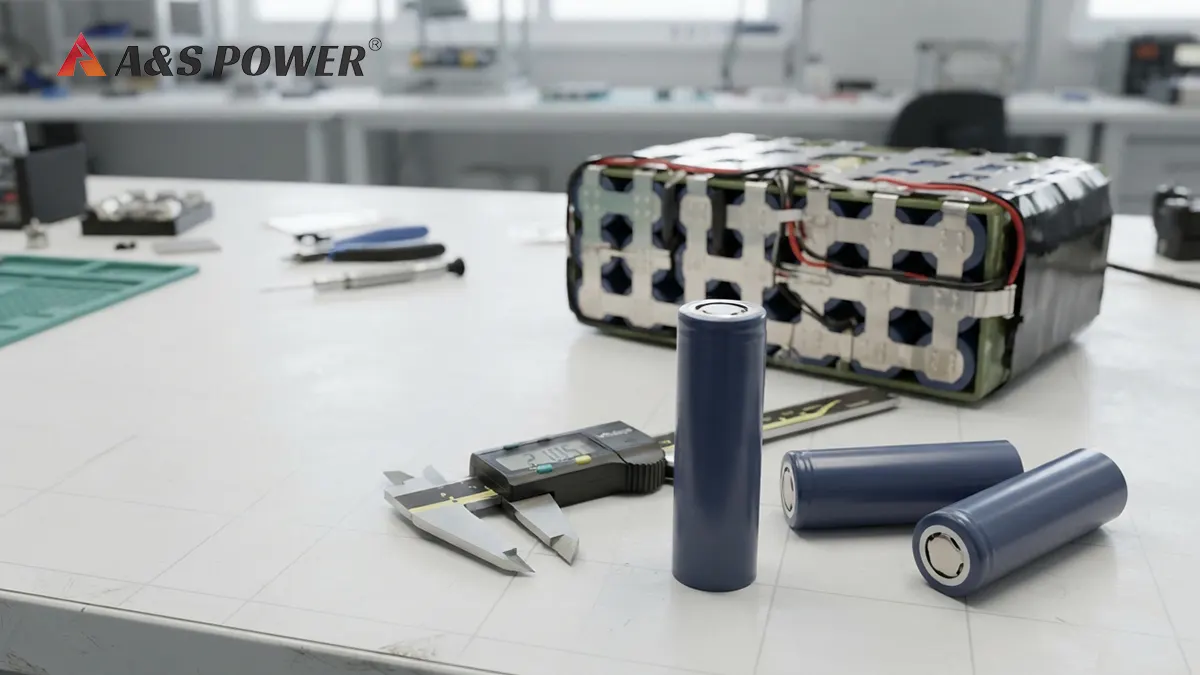


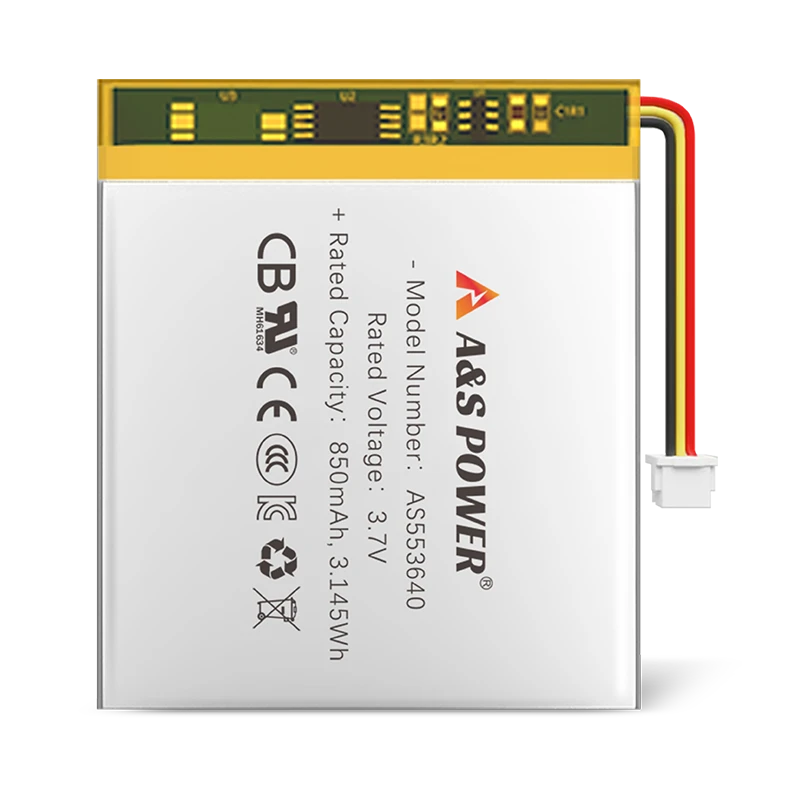
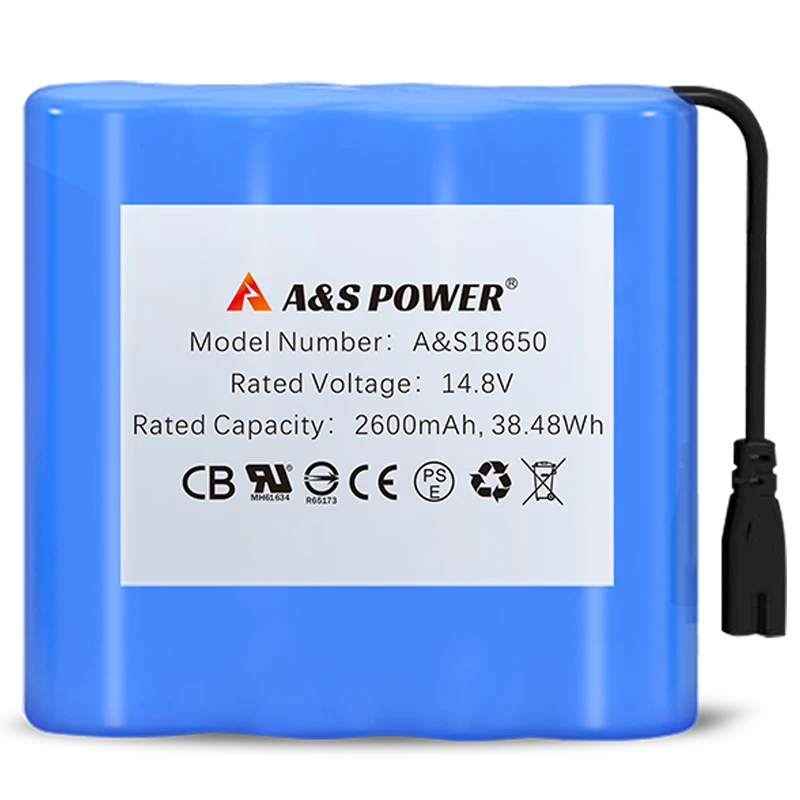
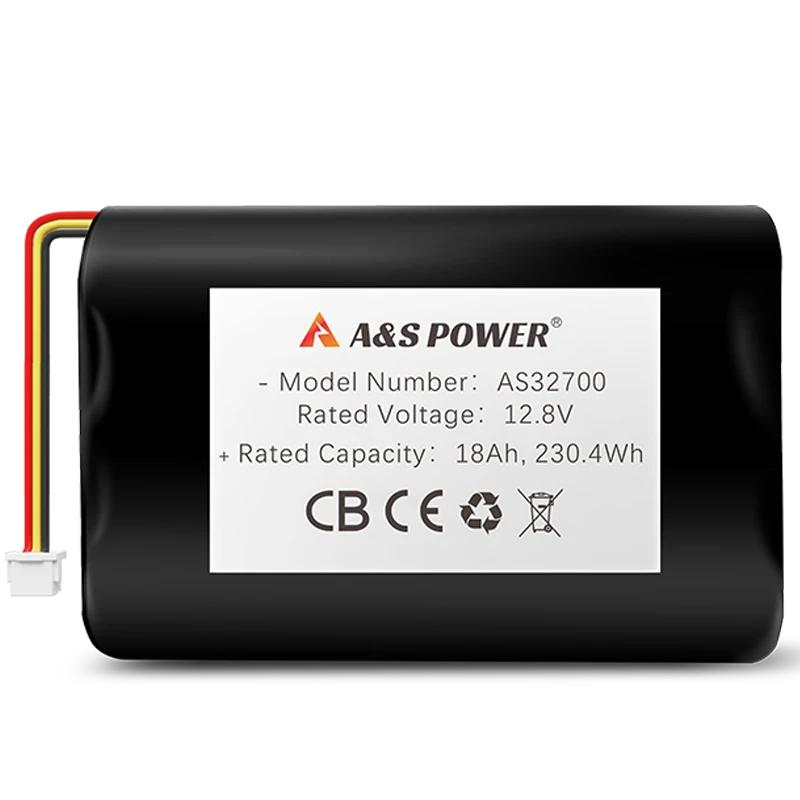


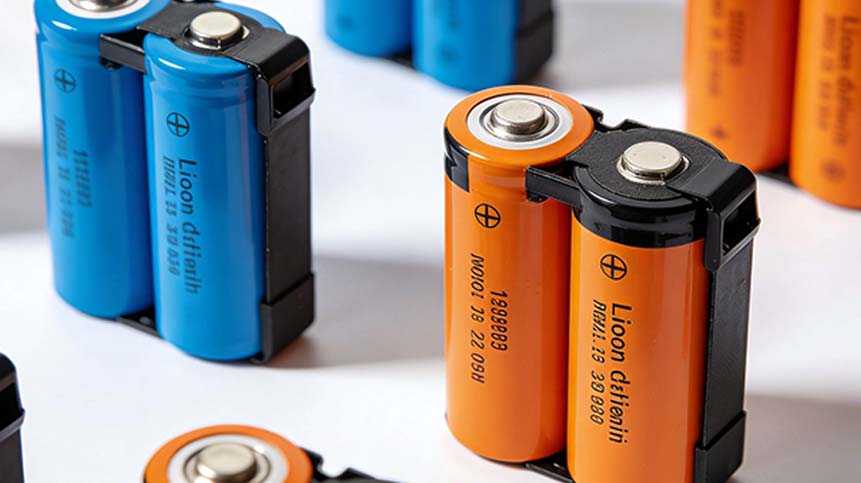
When people ask “what has a lithium battery?”, they are usually looking for a clear, practical answer—not chemistry theory.
From our experience as a lithium battery manufacturer working with OEM clients worldwide, lithium batteries power most modern portable, rechargeable, and high-performance electronic systems.
But the real value lies in which devices use them, why they are chosen, and how different industries rely on different lithium battery types.
That’s exactly what we’ll break down below.
Why Lithium Batteries Are Used Everywhere
Lithium batteries dominate modern energy storage because they outperform traditional battery technologies in nearly every measurable category.
| Feature | Why It Matters |
|---|---|
| High energy density | More power in smaller, lighter devices |
| Rechargeability | Hundreds to thousands of charge cycles |
| Low self-discharge | Ideal for standby and emergency devices |
| Flexible form factors | Cylindrical, prismatic, and pouch designs |
| Fast charging support | Essential for modern consumer electronics |
Consumer Electronics That Have Lithium Batteries
Smartphones and Tablets
Every modern smartphone and tablet uses a lithium-ion or lithium polymer battery.
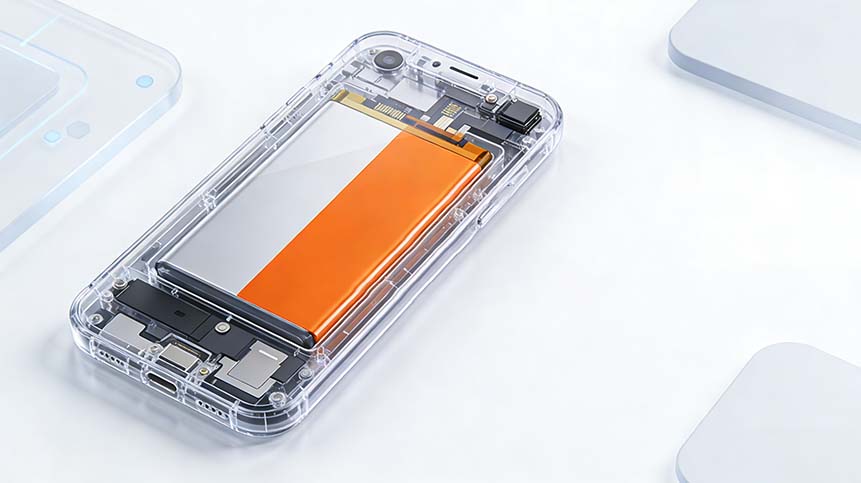
Typical specifications:
-
Voltage: 3.7V – 3.85V
-
Capacity: 2,000mAh – 6,000mAh
-
Chemistry: Li-ion or LiPo
Examples:
-
iPhone → Li-ion pouch battery
-
Samsung Galaxy → Li-ion polymer
-
iPad → High-capacity lithium battery packs
Laptops and Computers
All modern laptops rely on lithium battery packs due to their superior energy density and long cycle life. Ultrabooks typically use LiPo packs, while gaming laptops rely on high-capacity lithium-ion systems.
Laptops require:
-
High energy density
-
Stable discharge
-
Long cycle life
That’s why 100% of modern laptops use lithium batteries.
| Device | Battery Type |
|---|---|
| Ultrabooks | LiPo battery packs |
| Gaming laptops | High-rate Li-ion packs |
| Industrial laptops | Custom lithium battery modules |
Wearable Devices
Smartwatches, fitness trackers, AR glasses, and medical wearables use ultra-thin lithium polymer batteries designed for compact spaces.
Examples:
-
Apple Watch
-
Fitbit
-
Medical wearables
-
Smart rings
Home and Office Devices Using Lithium Batteries
Power Banks and UPS Systems
Power banks commonly use 18650, 21700, or lithium polymer cells. Mini UPS systems increasingly use lithium iron phosphate (LiFePO4) due to improved lifespan and safety.
Smart Home Devices
| Device | Lithium Battery Role |
|---|---|
| Smart door locks | Long standby and safety |
| Security cameras | Rechargeable backup |
| Smart sensors | Low self-discharge |
| Thermostats | Compact energy storage |
Medical Devices That Have Lithium Batteries
Portable Medical Equipment
Lithium batteries are used in infusion pumps, patient monitors, portable ventilators, and defibrillators due to their stable voltage output and reliability.
Implantable and Wearable Medical Devices
Some medical devices rely on lithium iodine batteries or specially encapsulated lithium-ion systems. These must comply with IEC 62133, UN38.3, and ISO 13485 standards.
Industrial and Commercial Equipment Using Lithium Batteries
Industrial Automation and Robotics
AGVs, warehouse robots, and mobile automation systems rely on custom lithium battery packs optimized for fast charging and long cycle life.
Measurement and Detection Equipment
Gas detectors, survey instruments, and portable testing devices require lithium batteries for extended standby time and reliability in harsh environments.
Transportation and Mobility Devices
Electric Vehicles (EVs)
| Vehicle Type | Battery Chemistry |
|---|---|
| Passenger EVs | NMC / LFP |
| E-bikes | Lithium-ion |
| Electric scooters | Li-ion / LiPo |
| Drones | High-discharge LiPo |
Energy Storage Systems (ESS)
Lithium batteries dominate residential, commercial, and grid-scale energy storage due to long lifespan, deep discharge capability, and lower total cost of ownership.
Global Lithium Battery Market Data
| Application | Market Share (%) |
|---|---|
| Consumer electronics | 33% |
| Electric vehicles | 41% |
| Energy storage | 17% |
| Industrial & medical | 9% |
Source: International Energy Agency (IEA), BloombergNEF
How to Know If a Device Has a Lithium Battery
- Label shows “Li-ion” or “LiPo”
- Rechargeable via USB or DC input
- Lightweight compared to size
- Requires UN38.3 transport documentation
Safety and Regulations for Lithium Batteries
Devices containing lithium batteries must comply with international safety and transport regulations including UN38.3, IEC 62133, UL 2054, CE, and FCC requirements.
Resources
- Custom Lithium Battery Packs
- Lithium Polymer Battery Solutions
- Medical Lithium Battery Manufacturer
- International Energy Agency – Batteries
- UL Lithium Battery Safety
- IEC International Standards
FAQ – What Has a Lithium Battery?
Do all rechargeable devices use lithium batteries?
Most modern rechargeable devices do. Lithium batteries dominate because of their efficiency, lifespan, and energy density.
Are lithium batteries safe in consumer products?
Yes, when properly designed and certified. Most incidents result from uncertified or low-quality battery packs.
Can lithium batteries be customized for specific devices?
Absolutely. OEM manufacturers often require custom voltage, capacity, shape, and protection circuitry.
Which industries rely most on lithium batteries?
Electric vehicles, medical devices, consumer electronics, industrial automation, and energy storage.
About Us
As a lithium battery manufacturer serving OEM and B2B clients globally, we work directly with engineers and compliance teams to deliver certified, application-specific lithium battery solutions.
Our experience spans consumer electronics, medical devices, industrial systems, and energy storage—allowing us to focus not only on what has a lithium battery, but why the right battery matters.