




Car lithium battery research and development hotspots
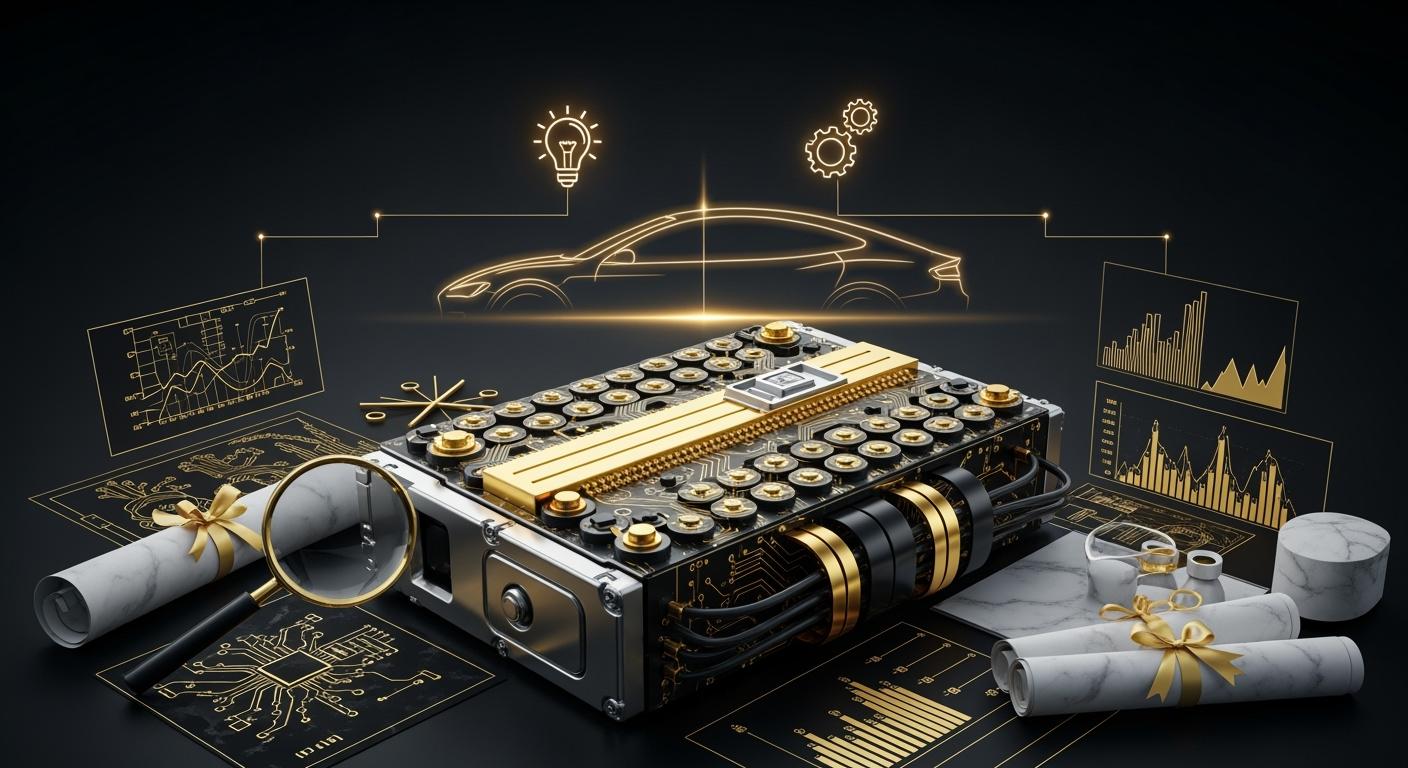
You might ask what makes a research hotspot in car lithium battery development. A hotspot is important because many people pay attention to it. Scientists, engineers, and investors want to improve battery technology for cars. These areas are important for the future of cars. Research trends change quickly when new discoveries happen. These discoveries affect how batteries work in cars.
- The average electric vehicle uses about 8.9 kg of lithium.
- Experts think lithium demand will be over 40 times higher by 2040.
You will find out how new ideas in lithium battery research help car performance and market growth.
Key Takeaways
- Lithium battery research tries to make batteries hold more energy. It also works on charging faster, being safer, lasting longer, being better for the planet, and costing less.
- More people are buying electric cars. Experts think over 10 million will be sold worldwide in 2024. This means we need better batteries.
- China, the United States, and India do a lot of lithium battery research. They help create new ideas and lead the way for others.
- New battery types like solid-state and sodium-ion batteries can charge faster. They are safer and cost less. This helps more people buy electric cars.
- Being good to the planet is important. Recycling batteries is getting better. This helps save important materials and keeps the earth cleaner.
Lithium battery R&D hotspots overview
Defining research hotspots
You might wonder what a research hotspot is for car batteries. A hotspot is a topic that many experts and companies watch. People pay attention because these topics can change battery technology a lot. New ideas and inventions show up fast. These ideas can help cars drive better, charge faster, and last longer.
Tip: If you follow research trends, you can see new breakthroughs before they are sold.
A research hotspot usually fixes a problem that many people have. For example, scientists try to make batteries safer or last longer. Some hotspots also help make batteries cheaper or easier to recycle. When you look at these topics, you learn what is important in car innovation.
Key innovation areas
There are several main innovation areas in lithium battery research. Each area helps make cars better and easier to use. Here are some of the top ones:
-
Energy Density Improvements
People want batteries that hold more energy. More energy density lets your car go farther before charging. -
Fast Charging Solutions
People want to charge batteries quickly. Fast charging saves time and makes electric cars easier to use. -
Safety Enhancements
People want batteries that do not get too hot or catch fire. Safety research keeps you and your car safe. -
Longer Lifespan
People want batteries that last for many years. Research helps batteries stay strong after lots of use. -
Sustainable Materials
People care about the environment. Scientists look for new materials that use less lithium and are easier to recycle. -
Cost Reduction
People want cars that do not cost too much. Lower battery costs help more people buy electric cars.
| Innovation Area | Why It Matters for You |
|---|---|
| Energy Density | Drive farther on one charge |
| Fast Charging | Spend less time charging |
| Safety | Stay safe on the road |
| Lifespan | Use your car longer |
| Sustainability | Help protect the environment |
| Cost | Save money on your next car |
You can see that lithium-ion batteries are important in these innovation areas. If you keep up with battery technology news, you learn how new ideas change cars. You also see that research in lithium battery design uses special tools and methods. These efforts help your car work better and last longer.
Automotive market trends and growth
EV market expansion
Electric vehicles are changing how people travel. In the last five years, the electric vehicle market grew fast. Many countries want cleaner ways to get around. You see more electric vehicles every year. Here are some facts about the market now:
- People in China bought 6 million electric vehicles last year. They also bought almost 3 million plug-in hybrid electric vehicles.
- Worldwide, sales of electric and hybrid vehicles may pass 10 million units in 2024.
- In the European Union, electric vehicles could be 15% of new car sales in 2023. Experts think there will be 35% growth in 2024.
- In the United States, electric vehicles may be about 10% of the market in 2024.
This growth shows people want better technology and cleaner air. Research trends focus on making electric vehicles cheaper and easier to use.
Automotive battery demand
More people pick electric vehicles, so better batteries are needed. Lithium-ion batteries power most electric cars. These batteries help cars go farther and charge faster. The need for lithium battery packs jumped by 65% in recent years. This is because of new car sales and replacing old batteries.
Car companies invest in new battery technology to make batteries work better. Global battery production capacity is rising quickly. Look at the table below to see how much growth is expected:
| Metric | Value |
|---|---|
| Projected annual growth rate | 20% |
| Global battery production capacity | 475 GWh (2020) to 2,850 GWh (2030) |
These changes make electric vehicles more reliable and better for the planet. You get longer-lasting batteries and a nicer drive. As the market grows, there is more focus on recycling and sustainability. The future of car technology depends on new research and ideas for lithium-ion batteries.
Global R&D trends in lithium-ion batteries
Leading countries and regions
Many countries want to be leaders in lithium battery research. China has the most research papers. The United States is close behind with many studies. South Korea and Japan keep getting better and move up in rank. India moved up fast and is now third. The United Kingdom went from twelfth to sixth place in ten years.
- China
- United States
- South Korea
- Japan
- India
- United Kingdom
These countries work hard to improve battery technology for cars. They focus on energy density and safety. Their research changes global trends and sets new rules for the industry.
Major institutions and initiatives
Many groups and teams help push battery research forward. The BATTERY 2030+ project in Europe brings top scientists together. They want to make batteries hold more energy and be safer. In the United States, labs and colleges work with car makers to improve lithium-ion batteries. South Korea and Japan spend money on research centers for car batteries.
Note: Big teams share ideas and help make battery design better faster.
These groups study new materials and ways to recycle batteries. Their work helps you get batteries that last longer and work better.
Publication and patent trends
There are more battery research papers and patents now. Scientists write thousands of papers every year. Patent numbers grow fast, especially in China and the United States.
| Country | Patent Growth (2014-2024) |
|---|---|
| China | Rapid increase |
| United States | Steady growth |
| India | Significant rise |
More patents show batteries with higher density and better safety. These trends show battery research keeps moving forward. You get better car batteries because of new ideas and improvements.
Advances in automotive battery technology
Solid-state and next-gen lithium-ion
Today, car battery technology is changing fast. Solid-state batteries are a big new idea. These batteries use solid electrolytes, not liquid ones. They charge faster and are safer. They also work better than older batteries. Experts think solid-state batteries will be 20% of the EV market by 2030. This is a big change for high-performance batteries. Next-generation lithium-ion batteries keep getting better. They have more energy density and improved safety.
| Technology Type | Key Advantages |
|---|---|
| Solid-State Batteries | Charge faster, safer, may be 20% of EV market by 2030 |
| Sodium-Ion Batteries | Cheaper, easy to make, good for city cars |
| Lithium Manganese-Rich | More energy, cheaper, lasts longer with new upgrades |
Sodium-ion and manganese-rich batteries
Sodium-ion batteries are a new technology you might hear about. These batteries use sodium instead of lithium. They are cheaper and use materials that are easy to find. This makes them good for city cars and helps the environment. Lithium manganese-rich batteries are also getting better. They have more energy and last longer. More research is happening to make these batteries even better for storing energy.
Silicon anode and lithium-sulfur
Silicon anode and lithium-sulfur batteries are also improving. New lithium-ion batteries use silicon anodes for better results. Here are some benefits you get:
- More energy for longer trips
- Better performance and faster charging
- Last longer and are safer
These new batteries help you drive farther and charge less often. Your battery stays healthy for a longer time.
Comparative advantages
You can look at these battery types to see what works best for you. Solid-state batteries are safest and charge fast. Sodium-ion batteries cost less and use easy-to-find materials. Lithium manganese-rich batteries have lots of energy and last a long time. Silicon anode and lithium-sulfur batteries give top performance. Each battery type helps make cars better and greener.
Battery management and health estimation
Importance for safety and performance
You want your car battery to work well and be safe. Battery management systems help you check your battery every day. These systems watch temperature, voltage, and current. If something is wrong, you get a warning. Good battery management stops your car from getting too hot. It helps you avoid problems when charging. You get better car performance and longer battery life. When your battery is healthy, you feel safe while driving.
Note: Battery management systems keep you and your car safe by stopping danger before it starts.
Recent advances in SOH estimation
Experts talk about state of health. This means how well your battery works now compared to when it was new. New research finds better ways to measure state of health. Scientists use smart sensors and computer models to check battery power and find problems. You can see how much energy your battery has and when to replace it. These new ideas help you plan for repairs and save money. You get more reliable trips and fewer surprises.
| SOH Estimation Method | Benefit for You |
|---|---|
| Smart Sensors | Early warning signs |
| Computer Models | Accurate predictions |
| Real-Time Monitoring | Safer driving |
High-resolution imaging and hotspot detection
High-resolution imaging lets you see inside your lithium battery. Scientists use X-ray machines to find hotspots and damaged spots. You learn where your battery gets too hot or loses electrolytes. This technology helps you stop sudden battery failures. When you find problems early, your battery lasts longer and helps the planet. You get more miles from your car and help the environment. Research teams use these tools to make batteries safer and stronger for everyone.
Tip: Ask your dealer for battery health checks to keep your car working well.
Regulation, sustainability, and supply chain

Regulatory impact on R&D
New rules change how car batteries are made and recycled. Governments want batteries to be safer and cleaner. These rules make companies improve technology and recycling. In China, laws tell electric car makers to set up recycling places. Companies cannot bring in electronic waste, so they build recycling plants in other countries. Europe wants eco-friendly ways and digital supply chains. In North America, car makers like GM try to lower battery costs because of strict rules. More countries ask for recycling, so companies invest more in it.
| Region | Regulatory Influence |
|---|---|
| China | New rules make EV makers recycle batteries and set up service places. Laws stop electronic waste imports, so companies build recycling plants in other countries. |
| Europe | Rules push for eco-friendly ways and digital supply chains. |
| North America | GM tries to lower battery costs because of tough rules. |
| Recycling | More money goes to recycling because rules say it must be sustainable. |
These rules help you get safer batteries. They also guide new research in car technology.
Sustainability and recycling
You want batteries that do not hurt the planet. New recycling methods help get back metals like lithium, cobalt, and nickel. Hydro-separators use water to split materials. This means less pollution and fewer bad chemicals. These ways also save money and make recycling faster. Recycling batteries means less mining for new metals. This helps make old batteries into new ones.
| Feature/Benefit | Description |
|---|---|
| Improved Material Recovery | Hydro-separators help get more lithium, cobalt, and nickel. |
| Reduced Environmental Impact | Water-based ways use fewer bad chemicals and lower pollution. |
| Increased Efficiency and Cost-Effectiveness | Recycling is faster and cheaper, and more metals are recovered. |
| Supports Sustainable Production | Less need for new mining, so battery making is more eco-friendly. |
Tip: Ask your dealer about battery recycling programs to help the planet.
Critical materials and supply chain
You may wonder which materials matter most for car batteries. Cobalt, lithium, and nickel are the main ones. These materials are needed and sometimes hard to get. If supplies run out, battery prices go up and making batteries slows down. You can help by recycling and picking cars with sustainable materials.
- Cobalt
- Lithium
- Nickel
Supply chain problems can make batteries cost more and be harder to find. When you know about these issues, you can choose better when buying a car.
Future outlook for lithium battery innovation
Predicted breakthroughs
Big changes are coming for car battery technology in the next ten years. New batteries will help your car go farther. They will charge faster and keep you safe in any weather. Experts think the next big ideas will make batteries lighter. Batteries will also be more powerful and smarter.
Here are some cool breakthroughs you might see soon:
| Breakthrough | Description |
|---|---|
| Extended Parking Power | You can use parking air conditioning for over 12 hours. The battery will weigh 60% less. |
| Reliable Cold-Weather Performance | Trucks will start easily, even when it is -40°C outside. |
| Comprehensive Lifecycle Management | Your battery will connect to a mobile app. You can check it in real time and get smart warnings. |
| Charging Speed Improvement | Charging will be 30% faster. Discharge efficiency will be 37.5% better than older batteries. |
| Enhanced Safety Standards | Battery safety will reach the highest level in the world. |
| Improved Energy Density | Your car will perform better. Each battery will have more energy inside. |
? Note: These breakthroughs will help you drive farther. You will be safer and enjoy more features in your car.
Batteries will last longer and work better in tough weather. Charging will be quicker and you will get more power for each mile. Smart apps will help you watch your battery’s health. They will warn you about problems before they happen. These changes will shape the future of electric vehicles. They will set new standards for the whole industry.
You have learned that new lithium battery research changes cars a lot. New batteries let cars drive longer and charge quicker. They also make cars safer for everyone. These changes help keep the air clean and save energy. You can help by learning about sustainability and new battery systems.
- Cars release 7.3 billion metric tons of carbon dioxide every year.
- Circular economies can lower emissions by 75% by 2030.
- More than half of groups now recycle and reuse with circular systems.
You should look for new battery breakthroughs and support research in recycling and smart battery management.
-

 May.2026.09.10What Happens When Battery Charging and Discharging Ports Are Swapped?Learn More
 -
 May.2026.09.10Will the Production Battery Be the Same as the Approved Sample?Learn More
 -
 May.2026.09.08Why Doesn't a 2A LiPo Battery Pulse Trip PCM Over-Current Protection?Learn More
 -
 May.2026.09.08How Long Do Custom Batteries Stay in Production?Learn More
 -
 May.2026.09.07Comprehensive Understanding of 7.4V BatteryLearn More