


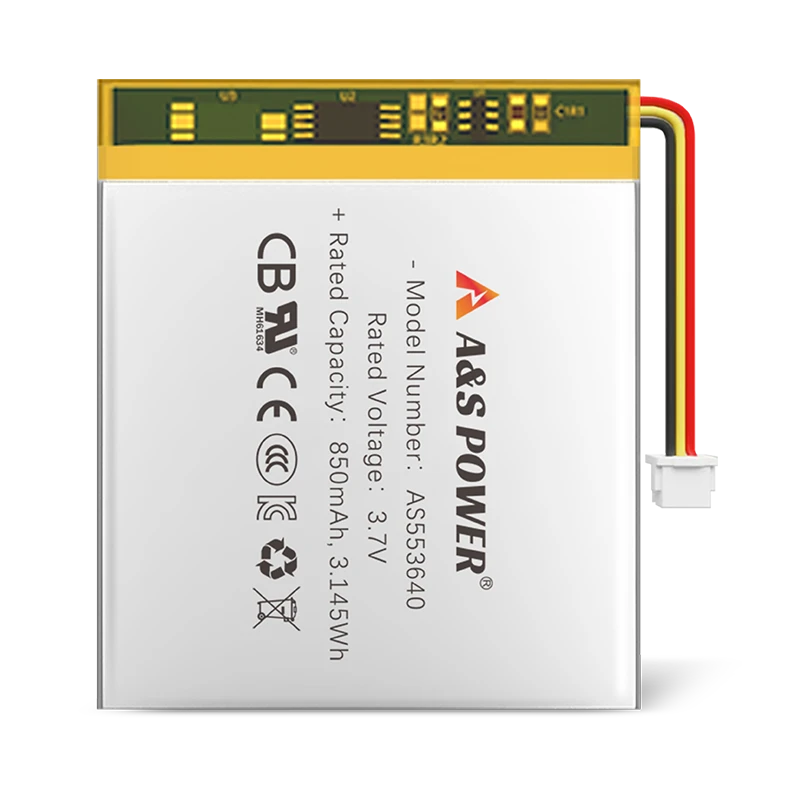
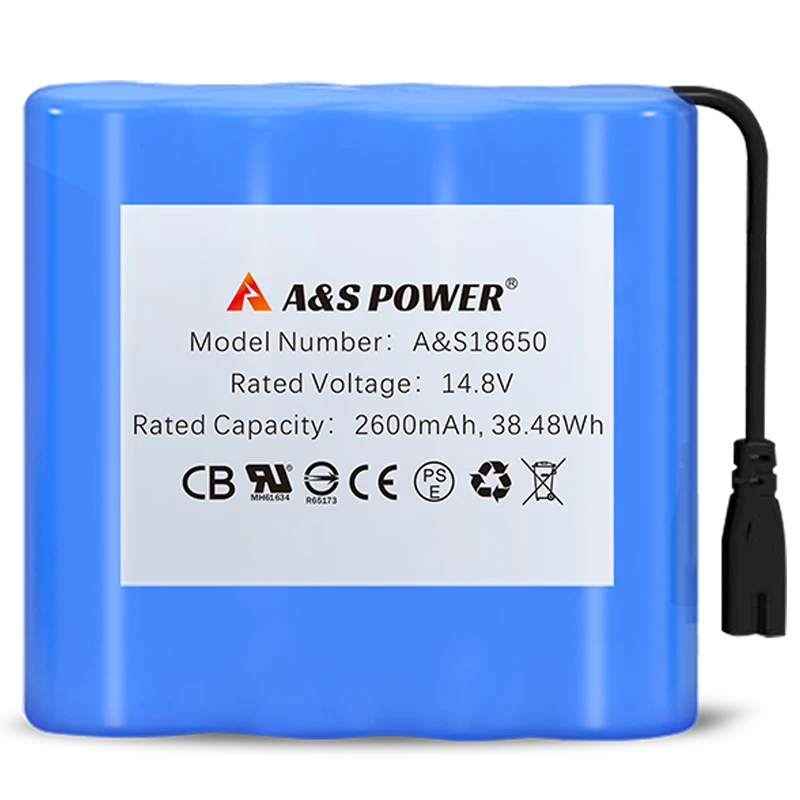
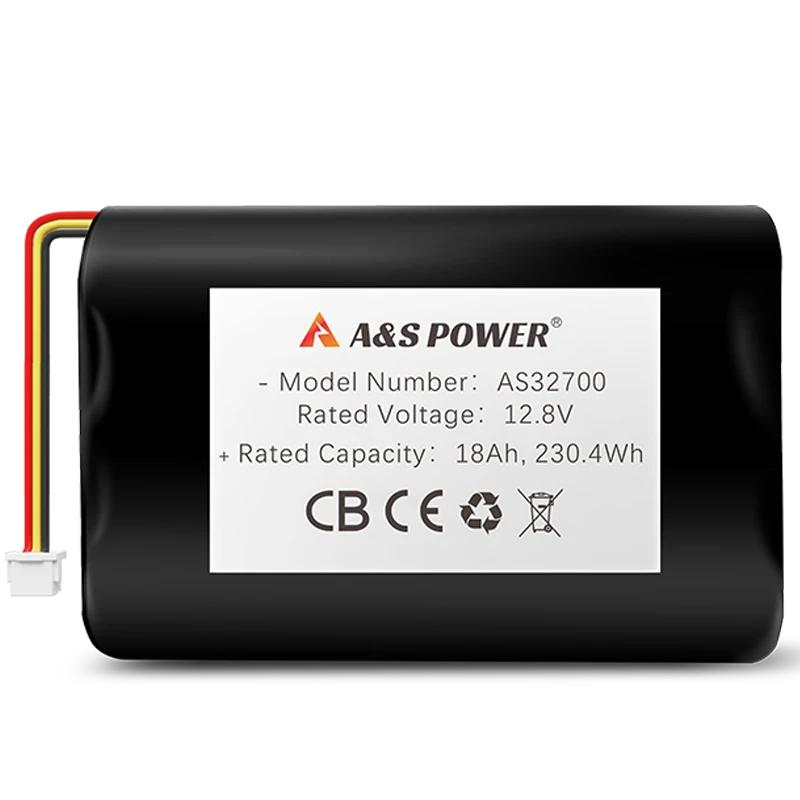


OEM Medical Grade Lithium Ion Battery Manufacturer for Medical Devices
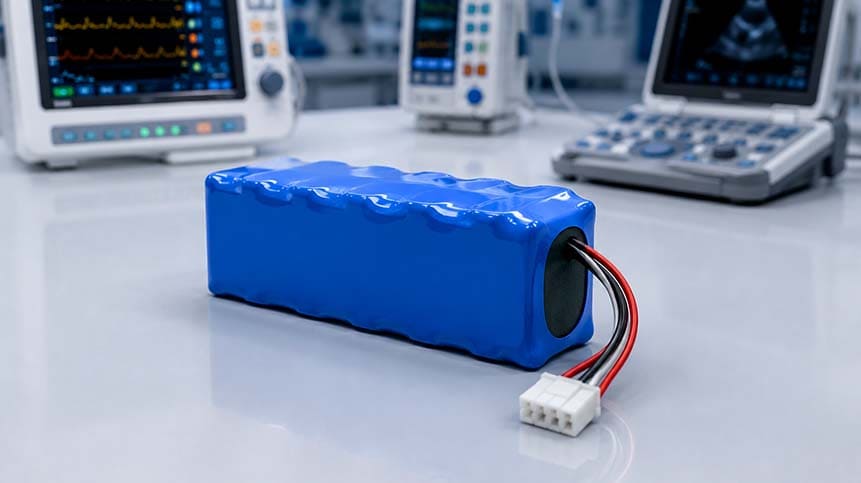
Complete professional guide for medical device brands seeking reliable OEM lithium-ion battery manufacturing, certification compliance, safety engineering, and custom battery pack development for healthcare applications.
What Is a Medical Grade Lithium Ion Battery?
A medical grade lithium-ion battery is a rechargeable battery pack specifically engineered for medical equipment and healthcare applications. Unlike standard commercial batteries, medical batteries must meet stricter requirements related to safety, consistency, certification, and long-term reliability.
These battery systems are commonly used in:
- Portable ultrasound systems
- Infusion pumps
- Portable ventilators
- ECG and patient monitoring devices
- Wearable healthcare electronics
- Portable diagnostic tools
- Defibrillators
- Home healthcare equipment
- Surgical devices
- Smart rehabilitation equipment
Medical battery packs often include:
- High-quality lithium-ion or lithium polymer cells
- Battery Management System (BMS)
- Overcharge and over-discharge protection
- Temperature monitoring
- Short-circuit protection
- Cell balancing functions
- Flame-retardant housing materials
- Smart communication protocols
Compared with standard consumer battery packs, medical-grade solutions focus more heavily on operational stability and regulatory compliance.
Why Medical Device Manufacturers Prefer Lithium-Ion Batteries
Lithium-ion technology has become the preferred energy solution for modern medical equipment because it offers a strong balance between energy density, cycle life, portability, and charging efficiency.
Key Advantages of Lithium-Ion Batteries in Medical Devices
| Feature | Benefit for Medical Devices |
|---|---|
| High Energy Density | Enables compact and lightweight device designs |
| Rechargeability | Reduces long-term operating costs |
| Long Cycle Life | Supports frequent charging cycles |
| Fast Charging | Minimizes equipment downtime |
| Low Self-Discharge | Improves storage reliability |
| Flexible Form Factors | Fits compact medical equipment |
| Stable Voltage Output | Maintains consistent device performance |
Portable medical systems increasingly require smaller batteries without sacrificing runtime. Lithium-ion and lithium polymer battery technologies help manufacturers achieve this balance.
Common Battery Chemistries Used in Medical Applications
Different medical applications require different lithium battery chemistries. Choosing the right chemistry affects safety, runtime, size, and lifespan.
Lithium-Ion (Li-ion)
Li-ion batteries are widely used in larger portable medical systems due to their high energy density and long operating life.
Typical applications include:
- Portable imaging devices
- Patient monitoring systems
- Mobile healthcare carts
- Ventilation systems
Lithium Polymer (LiPo)
Lithium polymer batteries are preferred when ultra-thin or custom-shaped battery designs are required.
Typical applications include:
- Wearable medical devices
- Smart patches
- Portable healthcare electronics
- Compact handheld diagnostic devices
Lithium Iron Phosphate (LiFePO4)
LiFePO4 batteries provide excellent thermal stability and safety performance.
Typical applications include:
- Emergency backup systems
- Hospital mobile stations
- High-reliability industrial medical equipment
Critical Certifications for Medical Lithium Battery Manufacturers
One of the most important factors when selecting an OEM battery manufacturer is certification compliance.
Medical device companies often require suppliers to meet international safety and transportation standards.
IEC 62133
IEC 62133 is one of the most important international safety standards for rechargeable lithium batteries used in portable equipment.
It evaluates:
- Electrical safety
- Mechanical integrity
- Thermal abuse resistance
- Short-circuit protection
- Overcharge performance
Official Reference: https://www.iec.ch
UL 2054
UL 2054 focuses on battery pack safety for household and commercial applications, including many medical devices sold in North America.
Official Reference: https://www.ul.com
UN38.3
UN38.3 certification is mandatory for lithium battery transportation.
It validates battery safety during:
- Altitude simulation
- Thermal testing
- Vibration testing
- Shock testing
- Short-circuit testing
Official Reference: https://unece.org
ISO 13485
ISO 13485 is the internationally recognized quality management system standard for medical devices.
Battery manufacturers serving medical industries increasingly adopt ISO 13485 processes to improve traceability and quality consistency.
Official Reference: https://www.iso.org/standard/59752.html
How OEM Medical Battery Manufacturers Support Device Companies
Custom Battery Design
OEM battery suppliers help develop:
- Voltage configurations
- Capacity optimization
- PCB/BMS integration
- Housing design
- Connector selection
- Wire harness customization
- Smart communication protocols
Safety Engineering
Medical battery safety engineering may include:
- Redundant protection systems
- NTC temperature sensors
- Fuse integration
- Thermal management design
- Flame-retardant materials
- EMC optimization
Certification Assistance
Experienced manufacturers can assist with:
- Battery documentation
- Compliance testing
- Regulatory file preparation
- Transportation certifications
- Factory audit support
Long-Term Supply Stability
Medical device projects often remain active for many years.
Reliable OEM suppliers provide:
- Long-term cell sourcing
- Stable BOM management
- Batch traceability
- Lifecycle support
- Consistent quality control
Medical Battery Design Challenges
Thermal Management
Many portable medical devices operate continuously for long periods.
Battery systems must maintain safe operating temperatures while minimizing overheating risks.
Compact Device Requirements
Medical devices continue becoming smaller and lighter.
Battery engineers must maximize energy density while fitting into limited internal space.
High Reliability Expectations
Medical battery failures can interrupt critical healthcare operations.
Manufacturers therefore emphasize:
- Cell consistency
- Stringent aging tests
- Low failure rates
- Stable discharge curves
Regulatory Documentation
Medical projects require extensive documentation, including:
- Material specifications
- Safety test reports
- MSDS documents
- Certification reports
- Traceability records
Battery Management Systems (BMS) in Medical Devices
The Battery Management System is one of the most important parts of a medical lithium battery pack.
A high-quality BMS helps ensure:
- Voltage stability
- Safe charging
- Cell balancing
- Temperature monitoring
- Overcurrent protection
- Data communication
Some advanced medical battery packs also support:
- SMBus communication
- I2C protocols
- Bluetooth monitoring
- Fuel gauge systems
These features improve device intelligence and battery diagnostics.
Typical Battery Specifications for Medical Applications
| Medical Device Type | Typical Voltage | Capacity Range | Common Battery Type |
|---|---|---|---|
| Portable Monitor | 7.4V–14.8V | 2000mAh–10000mAh | Li-ion |
| Infusion Pump | 7.4V | 2200mAh–6800mAh | Li-ion |
| Wearable Medical Device | 3.7V | 500mAh–3000mAh | LiPo |
| Portable Ultrasound | 14.8V–25.9V | 5000mAh–20000mAh | Li-ion |
| Diagnostic Device | 3.7V–11.1V | 1000mAh–8000mAh | LiPo / Li-ion |
How to Choose the Right OEM Medical Battery Manufacturer
Evaluate Industry Experience
Look for manufacturers with proven experience in:
- Medical electronics
- Portable healthcare equipment
- Low-volume custom projects
- Certification support
Review Quality Certifications
Strong suppliers typically maintain:
- ISO 9001
- ISO 13485
- IEC 62133 compliance
- UL certifications
Assess Engineering Capabilities
A capable OEM battery manufacturer should provide:
- In-house battery design
- PCB engineering
- Prototype support
- Reliability testing
- Aging tests
- Environmental testing
Check Production Traceability
Medical projects require strict traceability.
Ask suppliers about:
- Barcode systems
- Batch tracking
- Incoming material inspection
- Cell grading processes
Analyze Supply Chain Stability
Long-term cell availability is critical.
Reliable suppliers often partner with established cell manufacturers such as:
- Panasonic
- Samsung SDI
- LG Energy Solution
- Murata
Global Medical Battery Market Trends
Growth of Home Healthcare
Portable home-use medical devices require lightweight rechargeable battery solutions.
Expansion of Wearable Healthcare
Smart wearable medical electronics are driving demand for ultra-thin lithium polymer batteries.
AI-Enabled Medical Devices
Advanced monitoring devices require higher power efficiency and intelligent battery management.
Increased Regulatory Focus
Regulatory agencies continue strengthening battery safety expectations for medical electronics.
Industry research sources:
Best Practices for Medical Device Companies Sourcing OEM Batteries
Start Battery Design Early
Battery integration should begin during the device design phase rather than after enclosure development.
Prioritize Safety Over Lowest Cost
Medical batteries are not commodity products.
Cheaper battery packs may create:
- Certification delays
- Product recalls
- Runtime instability
- Long-term reliability problems
Validate Real-World Usage Conditions
Testing should include:
- Temperature cycling
- Vibration testing
- Continuous runtime testing
- Transportation simulation
Build Long-Term Supplier Relationships
Medical device companies benefit from stable long-term partnerships rather than constantly changing suppliers.
OEM vs ODM Medical Battery Manufacturing
| Model | Description | Best For |
|---|---|---|
| OEM | Custom battery built to customer specifications | Established medical device brands |
| ODM | Supplier provides partially pre-designed solution | Faster market entry |
| Fully Custom Development | Entirely new battery architecture | High-end specialized devices |
OEM solutions are usually preferred in regulated medical environments because they allow tighter integration with device requirements.
Future of Medical Lithium Battery Technology
Medical battery technology continues evolving rapidly.
Future innovations may include:
- Higher energy density cells
- Faster charging systems
- Solid-state batteries
- Improved thermal materials
- AI-based battery diagnostics
- Smarter wireless battery communication
Although solid-state batteries attract significant attention, mainstream adoption in medical equipment still requires further cost and manufacturing maturity.
Conclusion
Choosing the right OEM medical grade lithium ion battery manufacturer is a critical decision for any medical device company.
The ideal battery partner should offer more than assembly capabilities. They should provide engineering expertise, certification support, quality management systems, supply chain stability, and long-term technical collaboration.
As medical devices continue becoming more portable and intelligent, battery systems will remain central to product innovation. Companies that invest in high-quality, certified lithium battery solutions are better positioned to achieve regulatory approval, operational reliability, and long-term market success.
For healthcare brands developing portable medical equipment, selecting an experienced OEM lithium battery manufacturer can significantly reduce project risk while improving product performance and customer trust.
FAQ Section
What certifications are required for medical lithium-ion batteries?
The most common certifications include IEC 62133, UL2054, UN38.3, CE, and ISO 13485-related quality management systems.
What is the difference between medical-grade and consumer-grade lithium batteries?
Medical-grade batteries typically require stricter quality control, enhanced safety protection, better traceability, and more rigorous testing.
How long do medical lithium-ion batteries typically last?
Most lithium-ion medical battery packs support 300–1000 charge cycles depending on chemistry, discharge conditions, and charging practices.
Can lithium polymer batteries be used in wearable medical devices?
Yes. LiPo batteries are widely used in wearable healthcare electronics because they support compact and flexible form factors.
Why is a Battery Management System important in medical devices?
A BMS protects the battery from unsafe operating conditions while improving stability, monitoring temperature, and extending service life.
What should medical device companies look for in an OEM battery manufacturer?
Key factors include certification experience, engineering capabilities, traceability systems, quality management, long-term supply stability, and medical project experience.
-

 May.2026.09.24Optimal Li-Polymer Battery Charge Voltage ExplainedLearn More
 -
 May.2026.09.24Optimal LiFePO4 Charge Voltage Explained: 12V, 24V and 48VLearn More
 -
 May.2026.09.22Can All Lithium Batteries Be Recharged?Learn More
 -
 May.2026.09.21UN3480 vs UN3481: Lithium-Ion Battery Shipping GuideLearn More
 -
 May.2026.09.2121700 Battery Specifications: Capacity, Size, Voltage, and UsesLearn More