




LiPo Battery vs Lithium-ion Battery Key Differences and Similarities
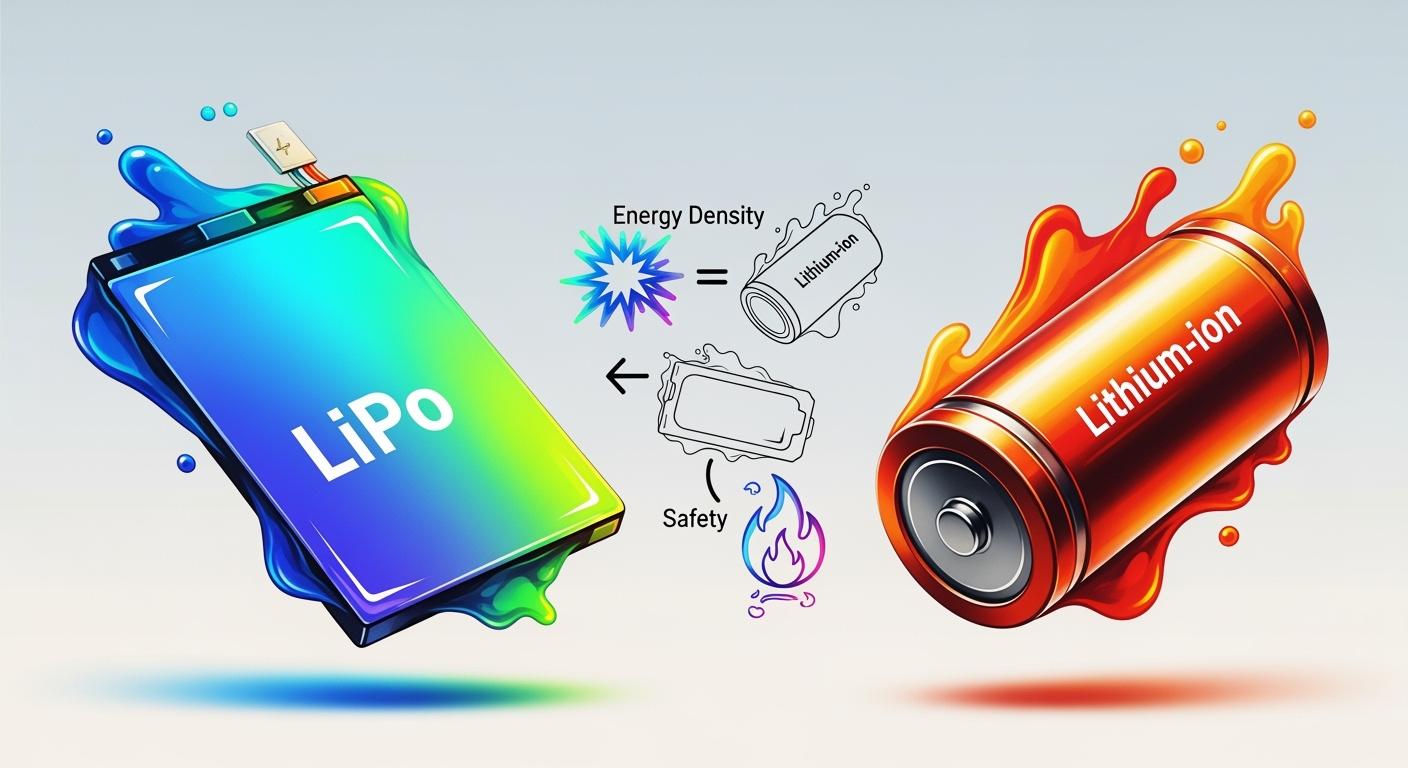
When you look at li po battery vs lithium ion, you see important differences. They are different in how they are made, how they work, and how safe they are. LiPo batteries have a polymer electrolyte. This makes them light and easy to shape. Lithium-ion batteries have a liquid electrolyte. They give you lots of energy and steady power. It is important to know this if you need batteries for different things. You might use them in medical devices, commercial equipment, 3C consumer electronics, drones, or to replace lead acid batteries. What you pick changes the size, how long it lasts, and how safe it is.
- Medical Devices
- Commercial Equipment
- 3C Consumer Electronics
- Drones
- Lead Acid Replacement
Key Takeaways
- LiPo batteries are light and bend easily. They work well for devices that need special shapes, like drones and wearables.
- Lithium-ion batteries store more energy and last longer. They are good for things we use every day, like smartphones and laptops.
- Safety is very important. LiPo batteries can get bigger and may catch fire if not used right. Lithium-ion batteries have a hard shell that keeps them safer.
- Pick LiPo if you need strong power fast. Lithium-ion is better for steady power and longer use.
- Always use batteries safely. Follow rules when charging and storing them to keep safe and make them work well.
Li Po Battery vs Lithium Ion: Main Differences
When you look at li po battery vs lithium ion, you find many differences. These differences change how well the batteries work, how safe they are, how much they cost, and where you use them. The table below shows the main things that make them different:
| Feature | LiPo Batteries | Lithium-ion Batteries |
|---|---|---|
| Electrolyte Type | Solid or gel-like polymer electrolyte | Liquid electrolyte |
| Packaging | Flexible pouch, soft casing | Rigid cylindrical or prismatic casing |
| Form Factor | Customizable shapes, lightweight | Standardized shapes, heavier |
| Energy Density | High, but often less than Li-ion | Higher, more energy per weight/volume |
| Discharge Rate | High, ideal for bursts of power | Moderate, ideal for steady use |
| Cycle Life | 300–800 cycles | 500+ cycles |
| Safety | Swelling, puncture risk, fire hazard | Safer, but still sensitive |
| Cost | Higher initial cost, more frequent replacement | Lower cost over time, longer life |
Electrolyte and Packaging
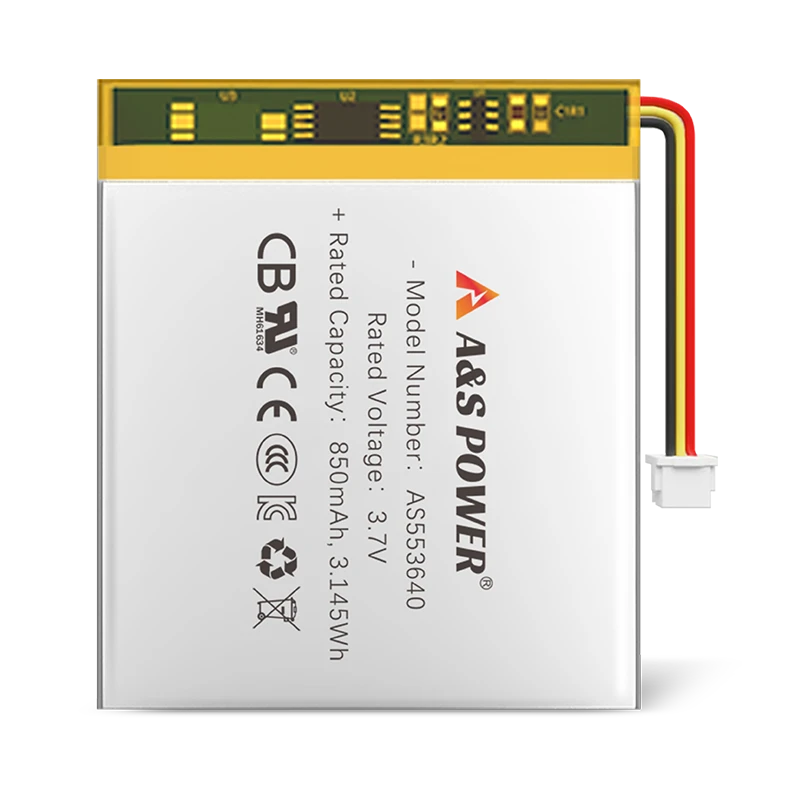
The first big difference is in the materials and how the batteries are packed. LiPo batteries have a solid or gel-like polymer electrolyte. This lets you make the battery into almost any shape. You can put them in thin devices, curved gadgets, or special electronics. The soft pouch design makes li po battery vs lithium ion good for drones, RC models, and wearables.
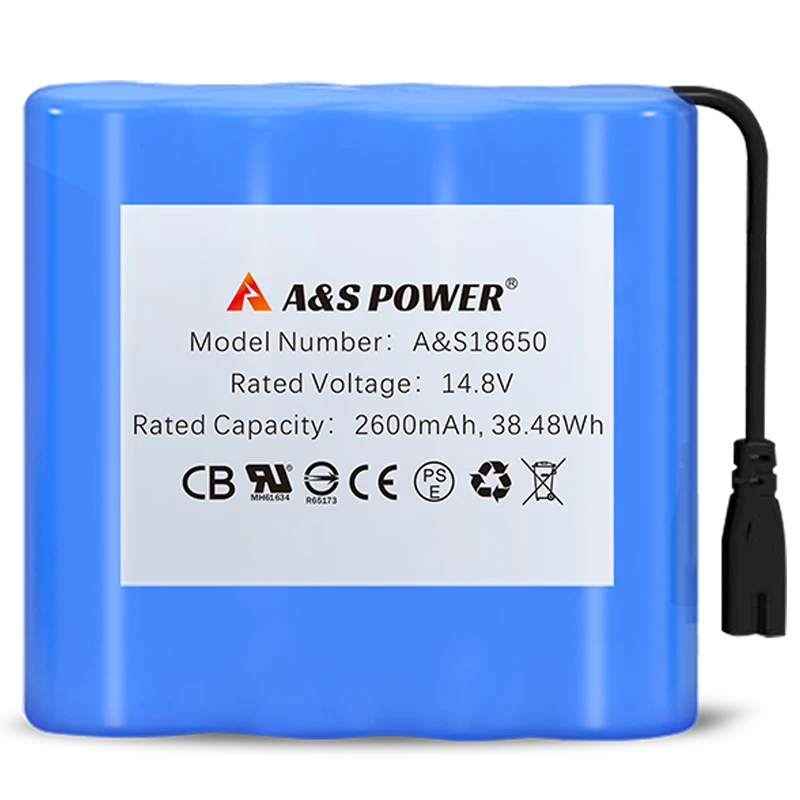
Lithium-ion batteries use a liquid electrolyte. They need a hard case, which is usually round or box-shaped. This means you cannot change their shape much, but they are stronger. You see these batteries in laptops, phones, and electric cars. The hard case keeps the battery safe, but it also makes it heavier.
Tip: If your device has a special shape or not much space, LiPo batteries are easier to fit. If you want a battery with a tough shell, lithium-ion batteries are better.
Structure and Design
How each battery is built changes how you use it. LiPo batteries have a soft pouch or casing. This makes them light and easy to carry. You can bend or shape them to fit your device. But they can swell or get hurt if you are not careful.
Lithium-ion batteries have a hard, strong casing. This makes them last longer and keeps them from swelling. They are less likely to get damaged. Both types can be charged again, but how they are made changes how safe they are and how long they last.
| Feature | LiPo Batteries | Lithium-Ion Batteries |
|---|---|---|
| Electrolyte Type | Solid or gel-like polymer electrolyte | Liquid electrolyte |
| Design | Flexible pouch or soft casing | Rigid cylindrical or rectangular casing |
| Rechargeability | Yes | Yes |
When you look at li po battery vs lithium ion, you see LiPo batteries are best for high-performance gadgets because of their flexible design. Lithium-ion batteries protect better and last longer because of their hard design.
Energy Density Comparison
Energy density means how much energy a battery holds for its size or weight. This is important in li po battery vs lithium ion. LiPo batteries have high energy density, but lithium-ion batteries usually have even more. This means lithium-ion batteries give you more power in a smaller size.
| Feature | LiPo Pouch Cell | LiFePO4 Pouch Cell |
|---|---|---|
| Energy Density | 150–250 Wh/kg | 110–160 Wh/kg |
| Cycle Life | 300–800 cycles | 3,000–6,000 cycles |
| Safety | Medium | Very High |
| Applications | Drones, RC models | EVs, Solar, Marine |
You see how energy density matters when you use these batteries. For drones or RC models, LiPo batteries give you power and light weight. For phones or laptops, lithium-ion batteries last longer and give more energy.
LiPo batteries are lighter because of their polymer electrolytes. This helps when you need small and strong power sources. Lithium-ion batteries have more energy density, so they are better for things that need power for a long time.
When you look at li po battery vs lithium ion, think about energy density, cycle life, and safety. LiPo batteries give you fast power and flexible shapes. Lithium-ion batteries give you more energy, last longer, and save money over time.
LiPo Batteries: Features and Pros & Cons
What Are LiPo Batteries?
You can find LiPo batteries in many new devices. These batteries use a solid or gel-like polymer for the electrolyte. They are made to be light and easy to shape. You see them in drones, RC cars, smartphones, and wearables. Their special design lets you use them in thin or custom-shaped devices.
Here is a simple look at what LiPo batteries can do:
| Feature | Description |
|---|---|
| Lightweight Design | LiPo batteries weigh less than other batteries. They are great for things you carry. |
| High Energy Density | They hold a lot of energy in a small space. This means you use your device longer. |
| Flexible Form Factors | You can shape LiPo batteries to fit almost any device. |
| Enhanced Safety | Extra layers help stop overcharging and heat problems. |
| Deep Cycle Capabilities | They can be used and recharged many times without losing power. |
| Low-Temperature Performance | LiPo batteries work well even when it is cold. |
Advantages of LiPo Batteries
LiPo batteries have many good points for people who need strong power. They have high energy density, so your device works longer without extra weight. Their shape and size can change, so they fit small or special gadgets.
- LiPo batteries give quick bursts of power. This is good for drones and RC cars.
- They keep voltage steady, so your electronics work well.
- They do not lose much charge when not used for a while.
- Their light weight makes your gear easier to carry or fly.
- You can make LiPo batteries fit special devices, so you have more choices.
Tip: If you want your drone to fly longer or need fast power for RC cars, LiPo batteries work very well.
Disadvantages of LiPo Batteries
Even though LiPo batteries are good, they have some problems. They can swell if you charge them too much or hurt them. You must be careful with them to stop fires or holes.
- LiPo batteries cost more than regular lithium-ion batteries.
- They do not last as long, so you might need new ones sooner.
- You need special chargers and must watch them when charging.
- If you store them wrong, they can lose power or get unsafe.
- They do not like too much heat or being squeezed.
You should always follow safety rules and use the right charger for LiPo batteries. Check for swelling or damage before you use them in your devices.
Li-ion Batteries: Features and Pros & Cons
What Are Li-ion Batteries?
You use li-ion batteries in lots of things every day. These batteries store energy by moving lithium ions between two parts inside. You can find li-ion batteries in smartphones, laptops, electric cars, and power tools. Companies make li-ion batteries with some important features:
- Platform voltage means the battery gives steady power as it runs.
- Mid-range voltage is the level when the battery is half full.
- Average voltage helps you guess how much energy is left.
- Cutoff voltage keeps charging and using the battery safe.
- Open-circuit voltage shows the battery’s state when not working.
Li-ion batteries have a liquid electrolyte and a tough case. They work well and last a long time. The ions move inside the battery, so it charges fast and gives steady power.
Advantages of Li-ion Batteries
Li-ion batteries have many good points for your devices. They have high energy density, so you get more power in a small size. The average voltage is about 3.6V, which is higher than old batteries. You can count on li-ion batteries for strong power and quick charging.
- High energy density, up to 450W.h/dm3 and 150W.h/kg.
- High average voltage, about three times more than Ni-Cd batteries.
- High output power for devices that need a lot.
- Low self-discharge rate, less than 10% each month.
- No memory effect, so they always work the same.
- Fast charging and discharging, reaching over 80% quickly.
- High charging efficiency, almost 100% after the first use.
- Wide temperature range, from -30 to +45℃.
- No maintenance needed.
- Environmentally friendly, often called green batteries.
- Long life, with over 900 cycles at full use and more than 5,000 cycles at shallow use.
Tip: You can use li-ion batteries in many places. They work well in hot or cold weather. You do not need to do much to take care of them.
Disadvantages of Li-ion Batteries
Li-ion batteries have some problems you should know. The materials inside can be rare and cost a lot. Some of these materials can also be bad for people and nature. The liquid inside li-ion batteries can be risky for safety.
- You might pay more for li-ion batteries than other types.
- The materials can hurt the environment if not recycled.
- There are safety risks because the liquid can catch fire if broken.
- Some materials are hard to find, which can make them cost more.
You should be careful with li-ion batteries. Always follow the rules for charging and storing them. This helps you use your lithium-ion batteries safely and for a long time.
Lithium-ion Batteries vs LiPo Batteries: Safety and Handling
Safety Risks and Precautions
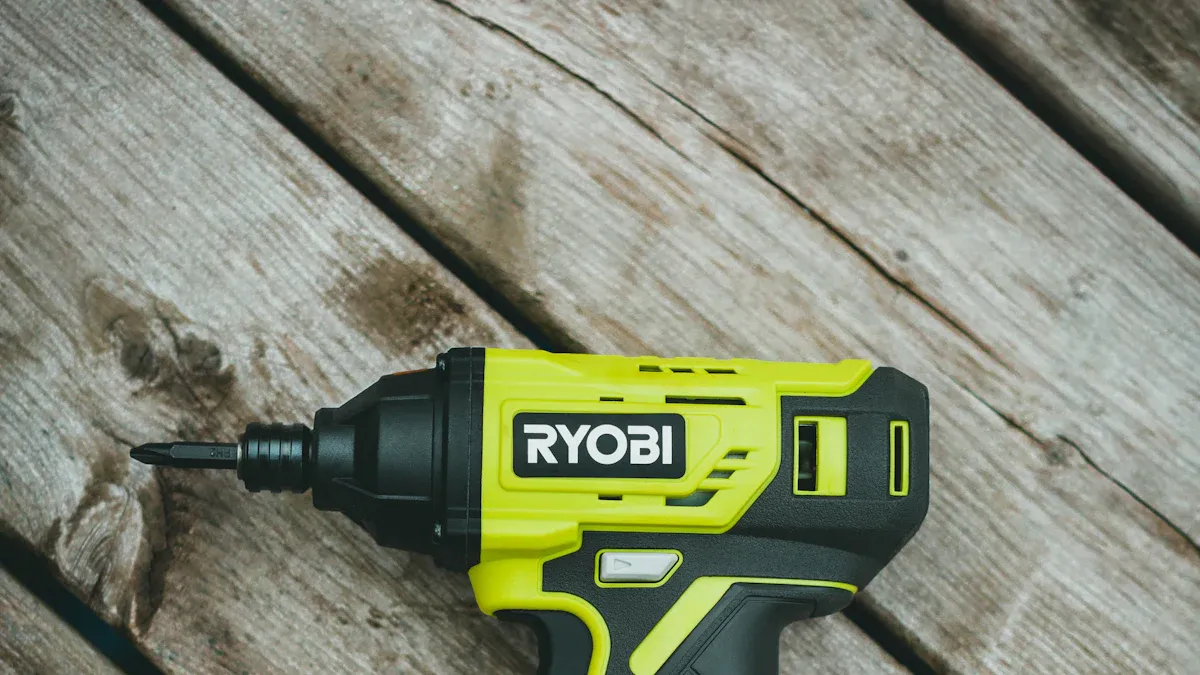
It is important to know battery safety rules. Both lithium-ion and LiPo batteries can be dangerous if you are not careful. You can stop most problems by following the maker’s instructions. Always use the right charger for your battery. Using the wrong charger can hurt the battery and start a fire. Keep the charging current under the limit on the datasheet. This helps stop overheating and makes the battery last longer.
Watch the temperature when you charge or use batteries. Charge batteries between 0 and 45℃. Only use them between -20 and 60℃. Do not let the voltage get too low. Try to keep it from 3.7V to 3.9V. Store batteries in a cool, dry place at half charge. Do not let batteries touch water, get hit hard, or short circuit. Never open a battery or throw it in fire.
Tip: Always watch kids when they use batteries. If you see swelling, leaking, or a weird smell, stop using the battery right away.
Here is a simple battery safety table:
| Precaution Category | Precaution Details |
|---|---|
| Charging | Use the right charger for your battery. |
| Charge Current | Stay under the max current listed. |
| Charge Voltage | Charge only in the safe voltage range. |
| Charge Temperature | Only charge from 0 to 45℃. |
| Discharge Current | Do not go over the recommended rate. |
| Discharge Temperature | Only use from -20 to 60℃. |
| Over-discharge | Keep voltage from 3.7V to 3.9V. |
| Storage | Store at half charge in a cool place. |
| Handling | Avoid drops, short circuits, and bad conditions. |
| Disassembly | Never open or take apart batteries. |
| Fire Safety | Never burn or put batteries in fire. |
| Liquid Exposure | Keep batteries dry all the time. |
Maintenance and Longevity
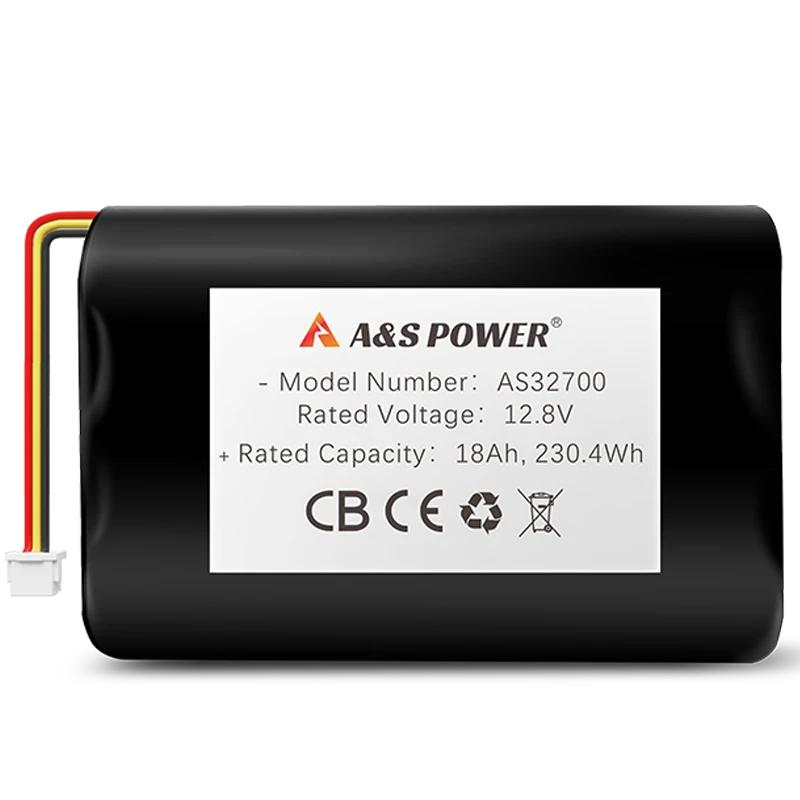
You can help your battery last longer with good care. LiPo batteries need more checks than lithium-ion batteries. Look for swelling or damage before you use LiPo batteries. Store LiPo batteries at half charge if you will not use them soon. Lithium-ion batteries need less care. Their hard case keeps them safe from most harm. You can use lithium-ion batteries in many devices without worry.
Here is a table comparing maintenance needs:
| Feature | Li-ion | LiPo |
|---|---|---|
| Energy Density | Higher | A little lower |
| Flexibility | Low | High |
| Cost | Lower | Higher |
| Safety | Stable, but can get hot | Can swell, needs more checks |
Always follow the maker’s instructions for each battery. This keeps you safe and helps your battery work well for a long time.
Applications: Choosing the Right Battery
Best Uses for LiPo Batteries
Pick LiPo batteries when you want strong power and flexible shapes. These batteries work best in things that need quick energy bursts. You see them in electric toys, drones, and RC cars. They help these devices start fast and turn quickly.
Electric toys like remote-controlled cars or drones need batteries that give quick power for fast moves.
LiPo batteries are good for high-performance gadgets that must be light. You find them in wearables, fitness trackers, and some tablets. They also power small drones and racing cars. If your device needs a special shape or size, LiPo batteries are a great choice.
Best Uses for Li-ion Batteries
Choose li-ion batteries for devices that need steady power and long life. These batteries work well in smartphones, tablets, and laptops. You also see them in electric cars and energy storage systems. Li-ion batteries give lots of energy and work well every day.
- Li-ion batteries are lighter and last longer than other types. They are great for:
- Mobile devices like smartphones and laptops
- Electric cars and hybrids
- Energy storage for solar and wind power
- Electric cars use much more lithium than phones. This shows how important these batteries are for cars.
- By 2030, most lithium will be used for batteries. This means batteries will be even more important.
You find li-ion batteries in phones and tablets because they work well and hold lots of energy. They also power electric cars and backup systems for solar power. These batteries help your devices last longer and weigh less.
Decision Guide for Users
Pick the battery that fits your needs. Think about power, size, price, safety, and how long it lasts. Use this checklist to help you choose:
- Need strong power for short times? Pick LiPo.
- Want long battery life for steady use? Choose li-ion.
- Need a special shape or light weight? Go with LiPo.
- Need lots of energy for phones or cars? Pick li-ion.
- Is safety most important?
Safety matters when picking a battery. Lithium polymer batteries are safer and less likely to leak or explode. Lithium-ion batteries can get very hot or break if used wrong.
- Want to save money over time? Li-ion batteries last longer and cost less.
- Using the battery in high-performance gadgets? LiPo batteries work better for drones and RC cars.
Think about energy, power, and how you use your device. You get the best results when you pick the battery that matches your needs.
Future Trends in Battery Technology
Innovations in Lithium-ion and LiPo Batteries
Battery technology changes quickly every year. Scientists work to make lithium-ion batteries hold more energy. They use new materials to help batteries last longer. These changes make batteries work better and give more power. Smaller batteries can now power bigger devices. This is important for things like phones and electric cars.
Ultra-thin LiPo batteries are getting better too. Companies use special materials and new ways to build them. This helps the batteries work stronger and last longer. Look at the table below to see how these upgrades help:
| Aspect | Description |
|---|---|
| Energy Density | Ultra-thin LiPo batteries store lots of energy. Devices run longer before you need to charge them. |
| Flexibility | These batteries bend to fit many shapes. This lets designers make cool new gadgets. |
| High Discharge Rate | They give lots of power fast. This helps devices that need quick bursts of energy. |
| Safety Improvements | Scientists keep working to make batteries safer and better. |
These new ideas mean your devices last longer, batteries are safer, and products look cooler.
What’s Next for Battery Development
Soon, you will see new kinds of batteries in stores. These new batteries will change how you use electronics in many places.
- Non-Magnetic Lithium Batteries: These batteries are safe for medical tools. They do not cause problems with magnets. This makes them more reliable.
- Low-Temperature LiPo Batteries: These batteries work well in very cold places. You find them in military gear and space equipment. Regular batteries often stop working in cold, but these do not.
- High-Current Li-SOCL₂ Batteries: These batteries give more energy and handle big power needs. They work in machines that need lots of electricity. They might replace older lithium-ion batteries.
Note: Battery technology will keep getting better. New materials and designs will make batteries safer, last longer, and give more power.
You can get the best batteries by picking ones that fit your needs. Watch for new battery ideas to stay ahead.
You can spot big differences between LiPo and lithium-ion batteries. LiPo batteries have soft, bendy packaging and are very thin. Lithium-ion batteries use hard metal cases and come in regular shapes. The table below shows these main features:
| Feature | LiPo Batteries | Lithium-Ion Batteries |
|---|---|---|
| Packaging | Flexible polymer | Rigid metal |
| Design | Ultra-thin | Standard |
| Weight | Lighter | Heavier |
| Applications | Low-power devices | High energy, robust devices |
| Safety | Enhanced | Standard |
New battery technology keeps getting better. Batteries now hold more energy, weigh less, and charge faster. These changes make it easier to pick the right battery for things like drones and electric bikes. Use the decision guide to help you find the best battery for what you need.
FAQ
What is the main difference between LiPo and lithium-ion batteries?
LiPo batteries have a polymer electrolyte and a soft pouch. Lithium-ion batteries have a liquid electrolyte and a hard shell. This changes how heavy, safe, and shaped the batteries are.
Can you use the same charger for both battery types?
No, you cannot use the same charger. Each battery needs its own charger with the right voltage and current. Using the wrong charger can break the battery or be unsafe.
Which battery lasts longer, LiPo or lithium-ion?
Lithium-ion batteries usually last longer than LiPo batteries. They can be charged more times and work better over many years. LiPo batteries might need to be replaced sooner if used a lot.
Are LiPo batteries safer than lithium-ion batteries?
Both batteries need careful handling. LiPo batteries can swell or catch fire if hurt or charged too much. Lithium-ion batteries have a hard case for more safety, but you still need to be careful.
Where should you store these batteries?
Store both batteries in a cool, dry spot. Keep them half charged if you will not use them for a while. Do not put them in sunlight or very hot or cold places.
-

 May.2026.09.17Meet A&S Power at KES 2026 in Seoul – Custom Lithium Battery SolutionsLearn More
 -
 May.2026.09.16How to Choose a Custom Lithium Battery Manufacturer in China: A Buyer's GuideLearn More
 -
 May.2026.09.15Can VHR-4N Connectors Work With 14 AWG Battery Wires?Learn More
 -
 May.2026.09.14Who Pays UL Battery Certification Maintenance Fees?Learn More
 -
 May.2026.09.11PTC vs PCM: Why Use Both in Lithium Battery Protection?Learn More