




Lithium ion vs lithium polymer batteries: differences and similarities
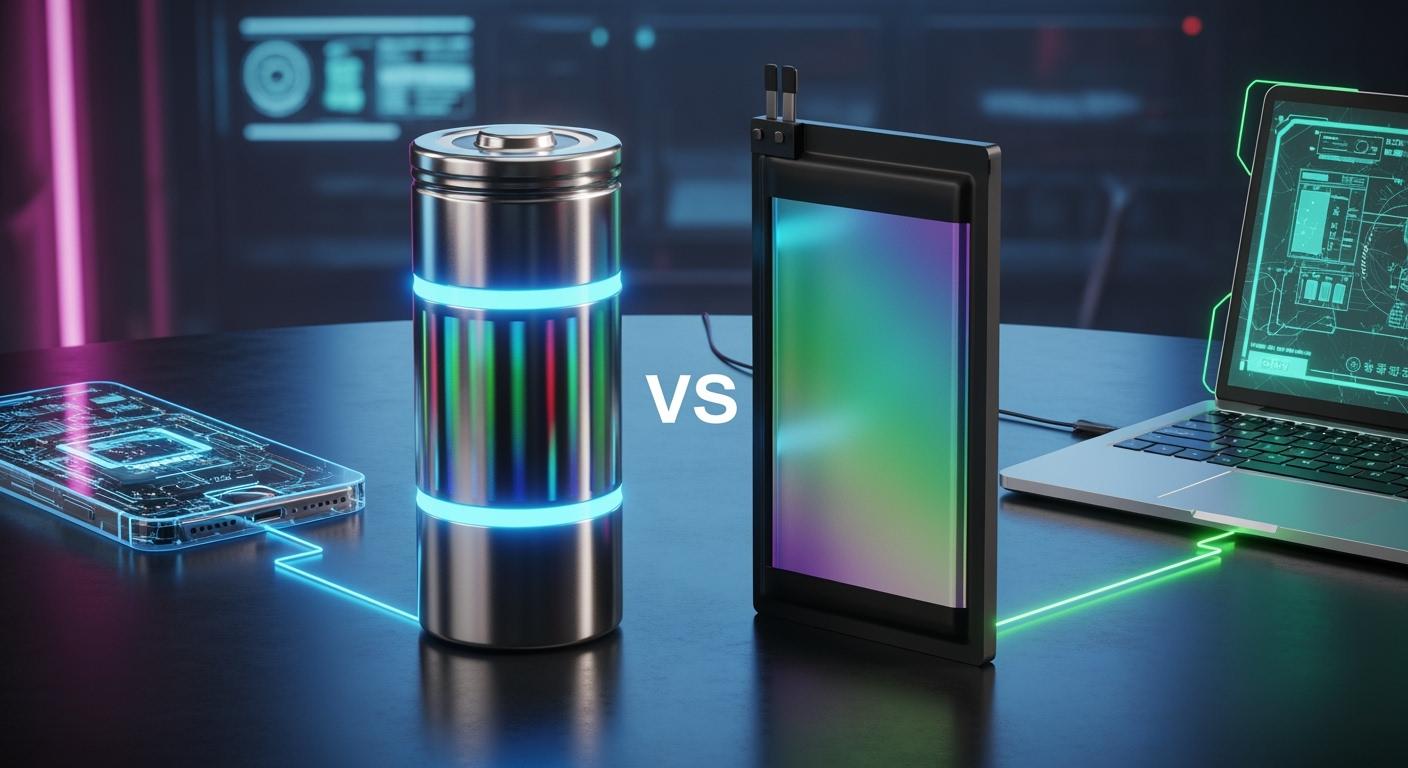
When you look at lithium ion batteries and lithium polymer batteries, you can see they are different in how they are built and what kind of electrolyte they use. Lithium ion batteries have a liquid electrolyte. Lithium polymer batteries use a solid polymer electrolyte. Each battery type has its own good points for energy density, safety, and price. You should think about the battery shape and what you need it for before picking one.
| Feature | Lithium Ion Batteries | Lithium Polymer Batteries |
|---|---|---|
| Electrolyte Type | Liquid electrolyte | Polymer electrolyte |
| Life Cycle | Usually lasts longer | Usually lasts shorter |
- LFP batteries make up about half of the world’s EV market in 2024.
- In China, LFP batteries were used in 80% of cases by late 2024.
- Big energy storage projects mostly use LFP batteries.
No lithium ion polymer battery works for every use. You need to pick the right one for your needs.
Key Takeaways
- Lithium ion batteries have a liquid inside. Lithium polymer batteries have a solid or gel-like material. This changes their shape and how safe they are.
- Pick lithium ion batteries for things that need to last long. They are good for electric cars and laptops. Choose lithium polymer batteries for thin and bendy devices. They work well in drones and wearables.
- Think about safety when picking a battery. Both types can swell or catch fire if not used right. Always follow the rules for charging and storing them.
- Lithium ion batteries usually cost less and last longer. This makes them a smart choice for many things.
- Always pick the right battery for your device. Think about size, weight, energy, and safety to choose well.
Lithium ion vs lithium polymer batteries: quick comparison
Main differences
There are clear differences between lithium ion and lithium polymer batteries. The biggest difference is the electrolyte type. Lithium ion batteries have a liquid inside. Lithium polymer batteries use a gel or solid polymer. This changes how each battery is made and used.
| Feature | Lithium-Ion | Lithium-Polymer |
|---|---|---|
| Electrolyte Type | Liquid electrolyte | Gel-like or solid polymer electrolyte |
| Structure | Cylindrical or prismatic hard shells | Flexible, lightweight pouch packaging |
| Form Factor | Rigid, less flexible | Thin, flexible, customizable shapes |
Lithium ion batteries are often found in hard cases. These cases keep the battery safe and hold its shape. Lithium polymer batteries come in soft pouches. You can bend or shape these pouches for different devices. This makes lithium polymer batteries good for thin gadgets and wearables.
Energy density is another way they differ. Lithium ion batteries store lots of energy for their weight. This means more power in a smaller size. They are used in planes and electric cars. Lithium polymer batteries have less energy density. You might need a bigger battery for the same power.
Safety is also different. Lithium ion batteries can get too hot or catch fire if broken. Lithium polymer batteries do not leak as much, but they can swell or stop working if not used right.
Cost is important when picking a battery. Lithium ion batteries are cheaper because they last longer and need less care. Lithium polymer batteries cost more because they are flexible and do not last as long.
Lithium ion batteries are used in electric cars, satellites, and backup systems. Lithium polymer batteries are best for drones, phones, and fitness bands.
Key similarities
Both lithium ion and lithium polymer batteries have things in common. You can recharge both types. They work in many devices, like phones and cars. Both use lithium to store and give out energy.
Both batteries work well and give steady power. They charge fast and are good for portable electronics and new technology.
You need to handle both types with care. Do not poke or overheat any lithium ion polymer battery. Keep batteries in cool, dry places. Follow safety rules to keep them safe.
Both lithium ion and lithium polymer batteries help modern devices run longer and better.
Tip: When you compare li-ion and li-polymer, think about what your device needs. Look at size, weight, safety, and price before you pick a battery.
Battery construction and materials
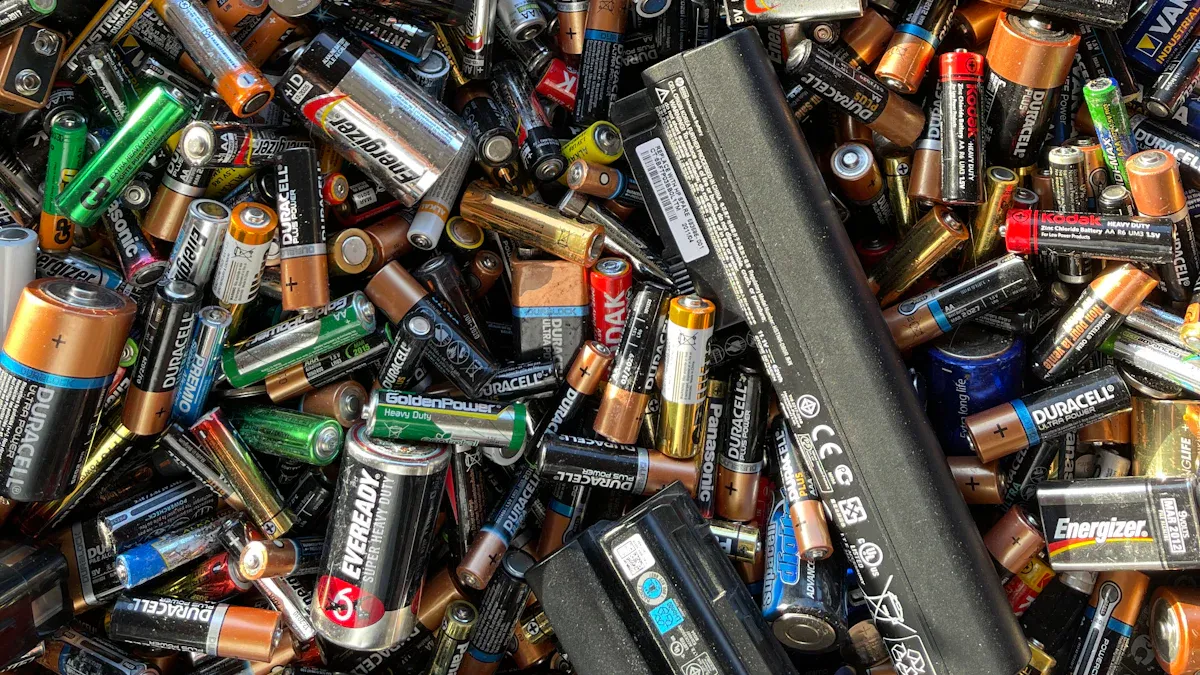
Lithium ion battery structure
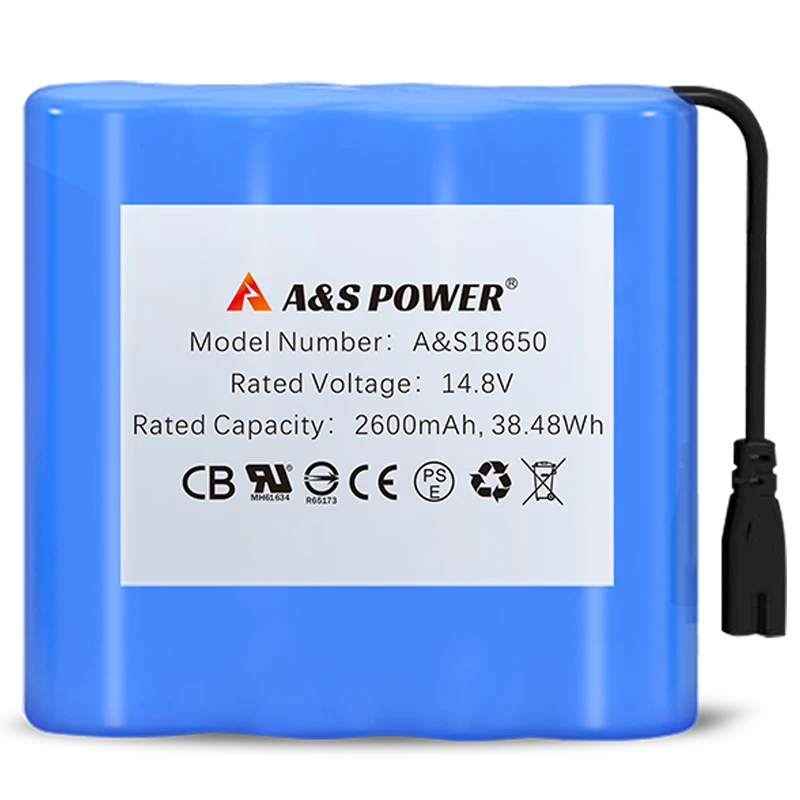
A lithium ion battery has a strong metal shell. This shell keeps the battery safe and keeps its shape. Inside, the cells use a liquid electrolyte. The liquid helps ions move from one side to the other. Many regular lithium ion batteries use this design. The hard case protects the battery from bumps and drops. This design gives the battery lots of energy for its size. You see lithium ion batteries in things like laptops and electric cars.
| Feature | Lithium Ion Battery | Lithium Polymer Battery |
|---|---|---|
| Electrolyte Type | Liquid electrolyte | Polymer electrolyte |
| Structure | Rigid metal shell | Flexible aluminum-plastic pouch |
| Safety | Prone to explosion under certain conditions | More resistant to physical trauma |
Lithium polymer battery structure
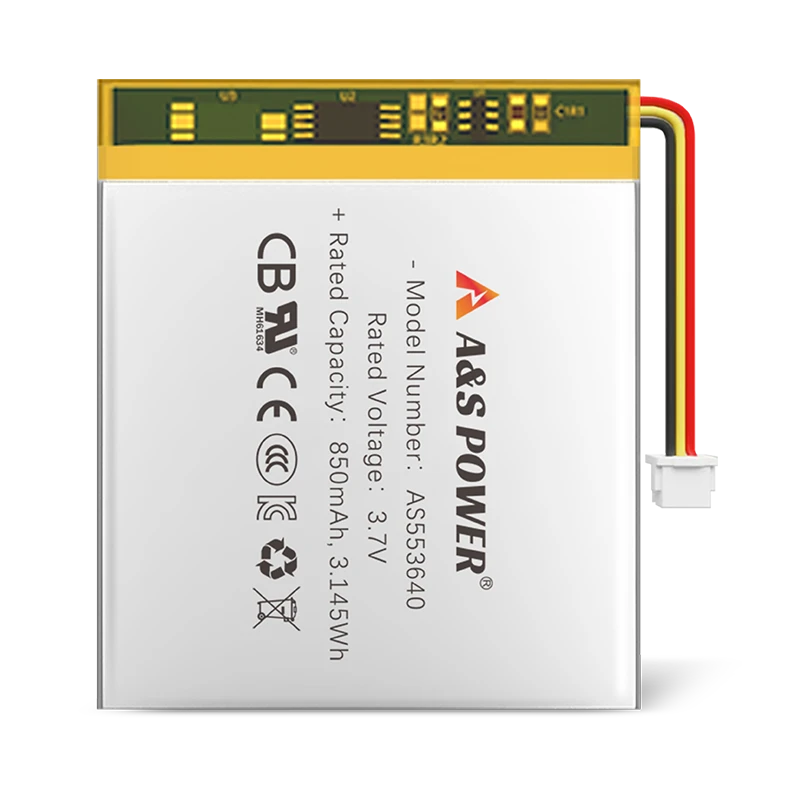
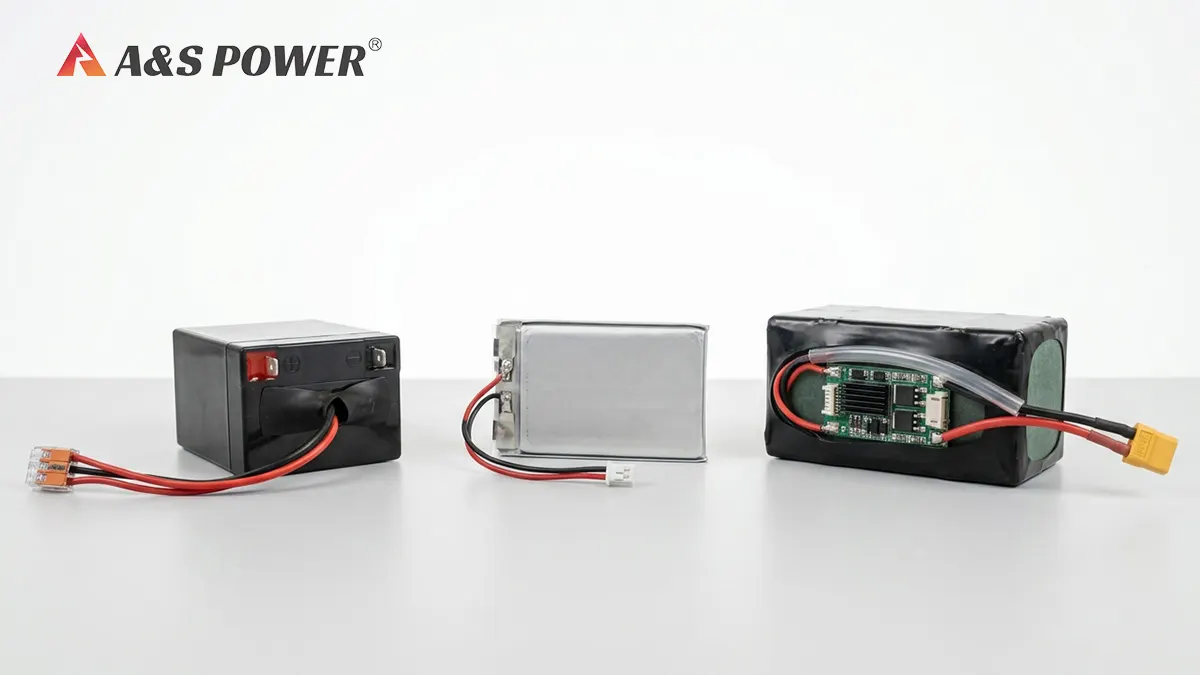
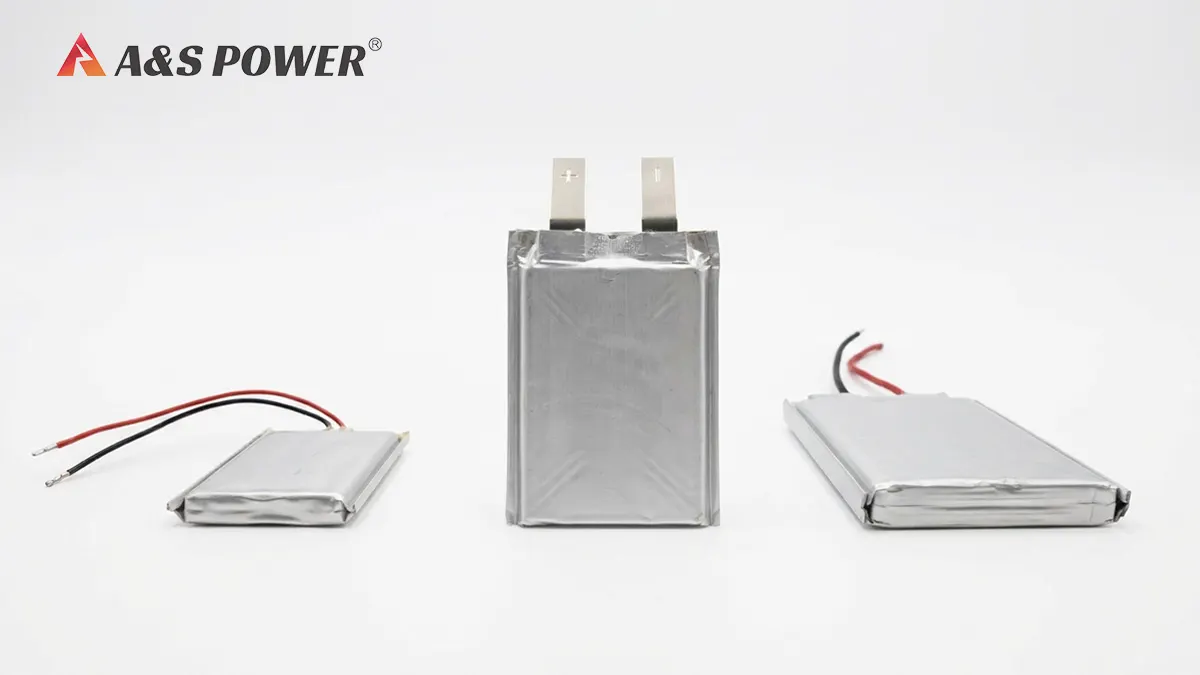
Lithium polymer batteries have a different design. They use a soft aluminum-plastic pouch, not a hard shell. This pouch lets you make the battery thin or curved. The cells use a polymer electrolyte that can be gel-like or solid. This makes the battery lighter and less likely to break if bent. You find lithium polymer batteries in phones, drones, and fitness bands. The pouch design lets you pick many shapes and sizes. But these batteries usually hold less energy than lithium ion batteries. You might need a bigger battery to get the same power.
Electrolyte types
It is important to know about the electrolyte in batteries. Lithium ion batteries use a liquid electrolyte that moves ions fast. This helps the battery store lots of energy and have good capacity. Lithium polymer batteries use a polymer electrolyte that is safer and does not leak much. The lithium ion polymer battery uses this solid or gel-like material for better safety. Both batteries use lithium to store energy, but the way ions move is different. You should pick the right electrolyte type for your device’s needs.
Note: The battery’s structure and electrolyte type change its energy, safety, and how you use it in devices.
Performance of lithium ion and lithium polymer batteries
Energy density and weight
Energy density is very important when you look at batteries. It tells you how much power fits in a small space. Lithium ion batteries have high energy density. They give more power for the same weight. These batteries work well in things like laptops and electric cars. Lithium polymer batteries have lower energy density. You might need a bigger battery to get the same power. If you want a thin and light device, lithium polymer batteries are a good choice. Battery density changes how long your device works before charging.
| Battery Type | Energy Density (Wh/kg) | Weight Advantage |
|---|---|---|
| Lithium ion battery | 150-250 | Heavier, more power |
| Lithium polymer batteries | 100-200 | Lighter, less power |
Tip: Pick a battery with high energy density if you want it to last longer and be less heavy.
Lifespan and cycle life
Think about how long a battery lasts before you buy one. Lifespan means how many years or months it works well. Lithium ion batteries usually last longer than lithium polymer batteries. You can charge and use li-ion batteries many times. Lithium polymer batteries do not last as long. You may need to get a new one sooner. Cycle life tells you how many times you can charge and use the battery. Most li-ion batteries can be charged 500 to 1,000 times. Lithium polymer batteries can be charged 300 to 500 times.
- A longer lifespan means you do not need to buy new batteries often.
- A shorter lifespan means you may spend more money over time.
- Cycle life tells you how often you will need to replace your battery.
Discharge rates
Discharge rate is how fast a battery gives power to your device. You need a battery that matches what your device needs. Lithium ion polymer battery types give steady power for most electronics. Lithium ion batteries are best for things that need a lot of power all the time. Lithium polymer batteries are good for quick bursts of power. You see these batteries in drones and fitness bands. If your device needs fast power, pick a battery with a high discharge rate. Your device works best when you choose the right battery.
Note: Always look at the discharge rate before you pick a battery for your device.
Safety of lithium ion polymer battery types
Swelling and fire risks
It is important to know the main safety problems with lithium ion polymer battery types. The biggest danger is thermal runaway. This happens when the battery gets too hot and cannot cool down. The battery might swell, make smoke, or catch fire. Most swelling and fire problems happen because of these reasons:
- Overcharging: If you keep charging the battery after it is full, it can get too hot or swell up.
- Overheating: Very high heat can cause thermal runaway and hurt the battery.
- Physical damage: If you drop or crush the battery, it can explode or catch fire.
Li-polymer batteries are less likely to explode than old battery types. But you still need to be careful to stop thermal runaway and other safety problems.
Built-in protections
Companies add special safety features to lithium ion polymer batteries. These features help stop thermal runaway and other dangers:
- Overcharge and over-discharge protection
- Reverse polarity protection
- Cell voltage balancing mechanisms
These systems work together to stop the battery from charging too much or losing all its power. They also keep each cell balanced, which helps stop thermal runaway. You should always use a li po battery with these safety features to lower risks.
Storage and handling
Storing and handling your batteries the right way keeps them safe and working well. Follow these easy tips:
| Recommendation | Description |
|---|---|
| Reduce the C rate when discharging | High discharge rates can hurt the battery and make it not last as long. |
| Avoid overcharging situations | Do not keep the battery at 100% or 0% for a long time. |
| Avoid extreme temperatures | Keep batteries between 20-50 degrees Celsius to stop damage and safety problems. |
| Use smart battery management | Smart systems can check battery health and warn you when the battery is low. |
| Do not overcharge | Use the right charger and follow the rules for safe charging. |
| Avoid deep discharge | Do not let the battery go below 20% to stop damage. |
| Ensure UL listing | Make sure batteries have safety tools and are UL Listed for safety. |
| Keep batteries cool | Store batteries in a cool place to stop overheating, especially in cars or garages. |
Always keep your lithium ion polymer battery in a cool, dry place. Never put batteries in direct sunlight or very hot places. Smart battery management systems help you watch battery health and stop thermal runaway. If you follow these tips, you can use li-polymer batteries safely and avoid most problems.
Form factor and design flexibility
Shape and size options
Devices need batteries that fit inside them. Lithium polymer batteries come in many shapes and sizes. You can get them thin, flat, or curved. This helps you make gadgets that look cool or are very slim. Lithium ion batteries are usually hard and have set shapes. They are often cylinders or rectangles. These shapes work for things that do not need a special fit.
If you want your device to be different, lithium polymer batteries help. You find them in smartwatches and fitness bands. These batteries bend and fit into tiny places. Lithium ion batteries are best for things that need strong cases. They work well in laptops and power tools.
Portability and weight
Weight and size are important for portable devices. Both lithium ion and lithium polymer batteries make products lighter. The table below shows how each battery helps with portability:
| Battery Type | Key Features |
|---|---|
| Lithium-ion | High energy density, light weight, good for portable devices |
| Lithium polymer | Flexible shape and size, helps with portability |
You want your phone or laptop to be easy to hold. Lithium ion batteries give lots of energy in a small size. Lithium polymer batteries can be shaped to fit thin or curved spots.
You see these batteries in many portable things:
- Good for smartphones
- Great for laptops
- Used in electric vehicles
Tip: If you want a slim or light device, check both lithium ion and lithium polymer batteries. Think about the shape, size, and how your device feels when you use it.
Cost and market use of batteries
Manufacturing costs
The cost to make batteries depends on what they are made of. It also depends on how they are built and how many are made. Lithium ion batteries use liquid electrolytes and strong metal shells. These parts are cheaper and easy to make in big amounts. Lithium polymer batteries use soft pouches and polymer electrolytes. Making these needs special tools and careful work. This makes lithium polymer batteries cost more. Factories must control the shape and thickness for each battery.
Tip: Pick batteries with simple designs and common materials if you want to save money.
Price differences
Lithium ion batteries usually cost less than lithium polymer batteries. The table below shows what you might pay for each type:
| Battery Type | Average Price per Wh ($) |
|---|---|
| Lithium ion batteries | 0.20 - 0.40 |
| Lithium polymer batteries | 0.30 - 0.60 |
Lithium polymer batteries cost more because they can be thin and light. If your device needs a special battery shape, you will pay extra. Most laptops and electric cars use lithium ion batteries because they are cheaper.
Market availability
Lithium ion batteries are used in many things. You see them in electric cars, laptops, and backup power systems. Lithium polymer batteries are found in phones, drones, and wearables. Most companies pick lithium ion batteries because they last longer and cost less. Lithium polymer batteries are chosen for devices that need to be light or have a special shape.
- Lithium ion batteries are most used in cars and energy storage.
- Lithium polymer batteries are popular in small electronics and gadgets.
Note: Always look at market trends before you pick a battery. Prices and choices can change as new technology comes out.
Applications of lithium ion and lithium polymer batteries
Consumer electronics
You use batteries in many devices every day. Lithium ion and lithium polymer batteries power lots of electronics. These batteries are in smartphones and laptops. They give long-lasting energy and charge quickly. You also find them in small gadgets that need light batteries.
- Alarm system
- Aquarium food devices
- Bicycle computer
- Birdcage feeders
- CD players
- Digital cameras
- Electronic calculators
- Electronic games
- Home security station
- Intelligent toys
- MP3/MP4/MP5 players
- Digital photo albums
- Portable DVDs
- Remote control
- Scent dispensers
- Shavers
- Solar applications
- Watches
- Bike lights
- Flashlights
- Hearing aids
Tip: Pick batteries that fit your device’s size and power needs.
Electric vehicles
Most electric vehicles use lithium ion batteries. These batteries hold a lot of energy and keep cars light. You do not need to take care of them much. They last a long time, so they are good for daily driving. Reports say these batteries help cars go farther before charging. There are some problems, like battery price, how much energy they store, charging speed, and safety. Companies are working to fix these problems and make electric cars better.
Note: If you drive an electric car, you need batteries that balance power, safety, and cost.
Drones and wearables
Lithium polymer batteries are used in drones and wearables. These batteries can be made in many shapes and are light. You can put them in slim fitness bands or curved smartwatches. Drones use these batteries for quick power and light weight. This helps drones fly longer and turn easily. You also see these batteries in wireless headphones and health trackers.
| Application | Battery Type | Benefit |
|---|---|---|
| Drones | Lithium polymer | Lightweight, high discharge rate |
| Wearables | Lithium polymer | Flexible, fits small spaces |
| Smartwatches | Lithium polymer | Thin, reliable power |
Callout: You get more choices and easy-to-carry devices with lithium polymer batteries for wearables and drones.
How to choose the right battery
Factors to consider
You have many things to think about when picking a battery. Each battery type is good for different needs. You should look at some important points before you choose:
- Device requirements: Check what size and shape your device needs. Some devices need thin batteries. Others need more power in a small space.
- Energy needs: Think about how long you want your device to work. Lithium ion batteries last longer between charges.
- Safety: Think about where you will use your device. Lithium polymer batteries do not leak much and can handle bumps better.
- Budget: Look at how much money you want to spend. Lithium ion batteries cost less and last longer, so you save money.
- Design flexibility: If your device is a special shape or needs to be light, lithium polymer batteries give you more choices.
- Operating environment: Think about the temperature and how you will use the battery. Some batteries work better in hot or cold places. Some need careful handling.
Tip: Pick the battery that fits your device’s main needs. Do not choose just by price or brand.
Real-world examples
You can see how these points help by looking at real devices. Here are some examples to help you pick:
| Device Type | Best Battery Choice | Why It Works Well |
|---|---|---|
| Smartphone | Lithium polymer | Thin, light, fits slim designs |
| Laptop | Lithium ion | High energy density, long run time |
| Drone | Lithium polymer | Lightweight, high discharge rate |
| Electric vehicle | Lithium ion | Stores more energy, lasts longer |
| Fitness tracker | Lithium polymer | Flexible, fits small spaces |
| Power tool | Lithium ion | Delivers steady, strong power |
If you want to make a smartwatch, you need a battery that bends and fits in a small case. Lithium polymer batteries are best for this. If you make a backup power bank, you want lots of energy and a long life. Lithium ion batteries are good for that.
Note: Always check your device’s manual or ask the maker for the best battery type. Using the wrong battery can make your device work badly or be unsafe.
You make a better choice when you think about your device’s needs, your budget, and how you will use it. Both lithium ion and lithium polymer batteries help modern devices work, but each is best for different things.
You now know lithium ion and lithium polymer batteries are good for different devices. Pick your battery based on what you need. Think about safety, size, price, and how well it works. Battery technology is getting better all the time. New ideas in energy storage, control systems, and electrolyte solutions might change which battery is best for you.
| Aspect | Lithium-Ion Batteries |
|---|---|
| Energy Storage Capacity | New technology helps store more energy |
| Control Systems | Safety and lifespan are better now |
| Electrolyte Solutions | There are new advanced designs |
Keep learning about new batteries so you can choose the right one for your device.
FAQ
What is the main difference between lithium ion and lithium polymer batteries?
Lithium ion batteries have a liquid inside called an electrolyte. Lithium polymer batteries use a solid or gel-like polymer for their electrolyte. This change makes the batteries different in shape, safety, and how much energy they can hold.
Can you use lithium polymer batteries in place of lithium ion batteries?
You can use lithium polymer batteries if your device needs a thin or bendable battery. Always check what your device needs first. Some devices need the higher energy density that lithium ion batteries give.
Which battery type lasts longer?
Lithium ion batteries last longer than lithium polymer batteries. They can be charged more times and work well for a longer time. Lithium polymer batteries might need to be replaced sooner, especially if your device uses a lot of power.
Are lithium polymer batteries safer than lithium ion batteries?
Lithium polymer batteries are better at stopping leaks and can handle bumps better. Both battery types can swell or get too hot if not used right. Always follow the safety rules when you charge or store these batteries.
-

 May.2026.10.23Why Does Actual Battery Capacity Differ from Rated Capacity?Learn More
 -
 May.2026.10.21Why Do High-Current Batteries Need High-Rate Cells?Learn More
 -
 May.2026.10.20Understanding Small 12 Volt Batteries and Their FeaturesLearn More
 -
 May.2026.10.19Why Does Battery Capacity Decrease at High Temperatures?Learn More
 -
 May.2026.10.19Does a Higher-Capacity LiPo Battery Have to Be Bigger?Learn More