




Medical Data Monitoring Equipment Battery: Custom Lithium Solutions
Quick Answer:
What Battery Is Best for Medical Data Monitoring Equipment?
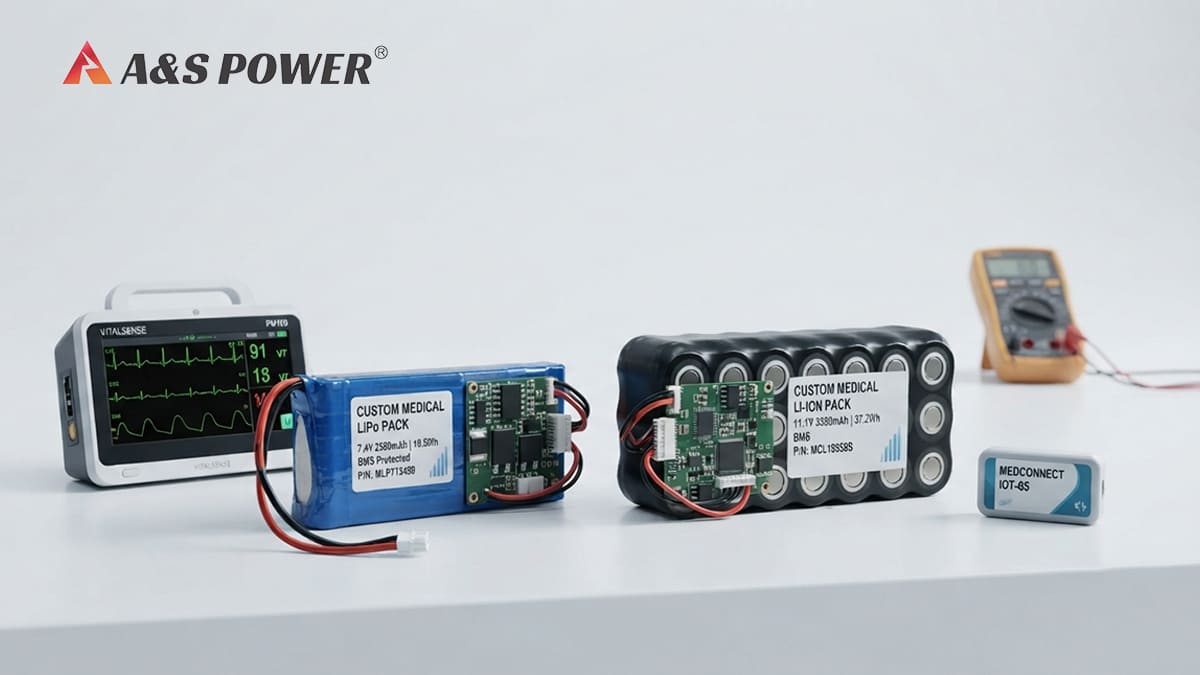
Medical data monitoring equipment requires batteries that provide stable power output, compact size, high reliability, and strict safety performance. In most portable medical monitoring applications, customized lithium polymer (LiPo) batteries and lithium-ion battery packs are preferred because they offer high energy density, flexible designs, long cycle life, and compatibility with advanced Battery Management Systems (BMS).
At A&S Power, we design and manufacture customized lithium battery solutions for medical monitoring devices, including wearable monitors, patient monitoring systems, portable diagnostic equipment, and healthcare IoT devices.
Introduction
Why Battery Performance Matters in Medical Data Monitoring Equipment
Modern healthcare is becoming increasingly connected. Medical professionals now rely on portable monitoring equipment to collect and analyze patient data outside traditional hospital environments.
Devices such as:
- Portable ECG monitors
- Blood pressure monitoring systems
- Blood glucose monitoring devices
- Wearable health trackers
- Remote patient monitoring terminals
- Portable ultrasound systems
- Smart medical sensors
all depend on reliable battery systems.
Unlike consumer electronics, medical monitoring equipment has much higher requirements for battery safety and consistency. A sudden power interruption may result in incomplete data collection, inaccurate monitoring results, or interruption of critical healthcare services.
From my experience working with OEM customers, battery selection is often one of the most important design decisions during medical device development. The battery must not only fit inside a compact enclosure but also maintain stable performance throughout thousands of charging cycles.
Key Requirements for Medical Data Monitoring Equipment Batteries
1. Stable Power Output for Accurate Medical Data Collection
Medical monitoring devices often operate continuously for several hours or even days. Sensors, communication modules, processors, and displays require consistent voltage supply.
A high-quality medical battery pack should provide:
- Stable discharge voltage
- Low internal resistance
- Reliable current output
- Minimal capacity degradation
For example, wearable monitoring equipment may continuously transmit patient data through Bluetooth or Wi-Fi. Voltage fluctuations caused by poor battery performance can affect device operation and data accuracy.
2. Compact and Lightweight Battery Design
Many modern medical devices are designed for portability.
Traditional battery solutions may limit product size because of fixed dimensions. Customized lithium batteries allow engineers to optimize:
- Battery thickness
- Shape
- Capacity
- Connector design
- Protection circuit placement
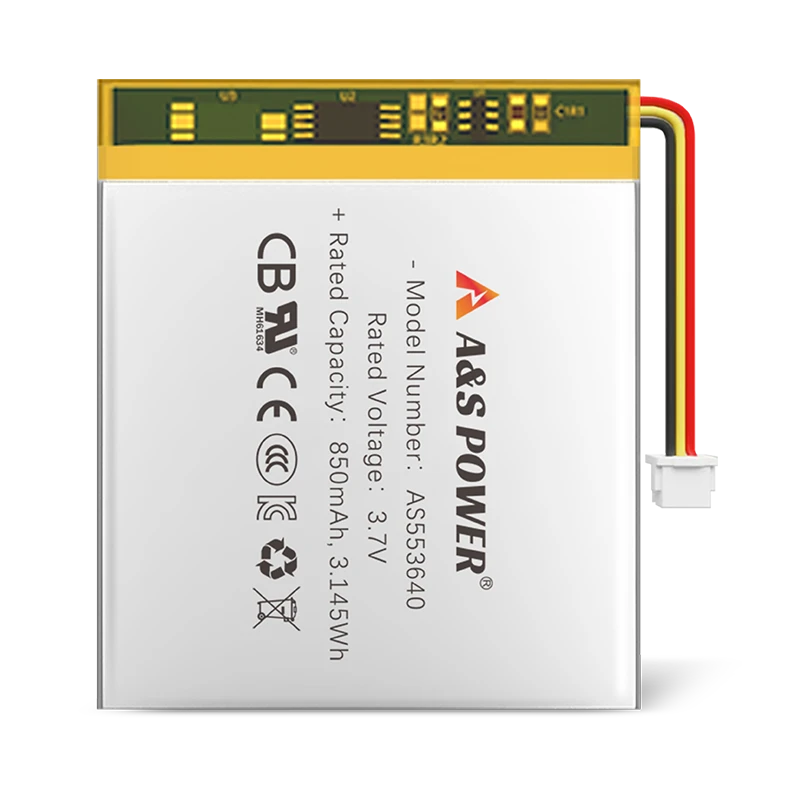
Lithium polymer batteries are especially suitable for medical monitoring devices because the pouch cell structure allows manufacturers to create customized shapes for limited installation spaces.
For example:
| Battery Type | Advantage | Typical Medical Application |
|---|---|---|
| Lithium Polymer Battery | Thin, lightweight, flexible shape | Wearable monitors, portable sensors |
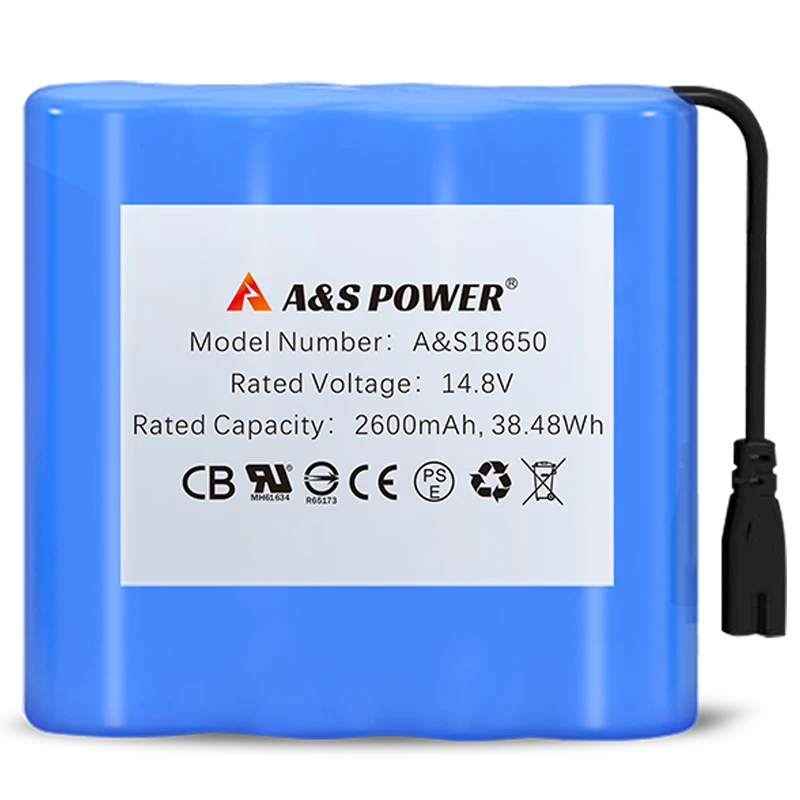
| 18650 Lithium-ion Pack | High capacity and durability | Portable diagnostic equipment |
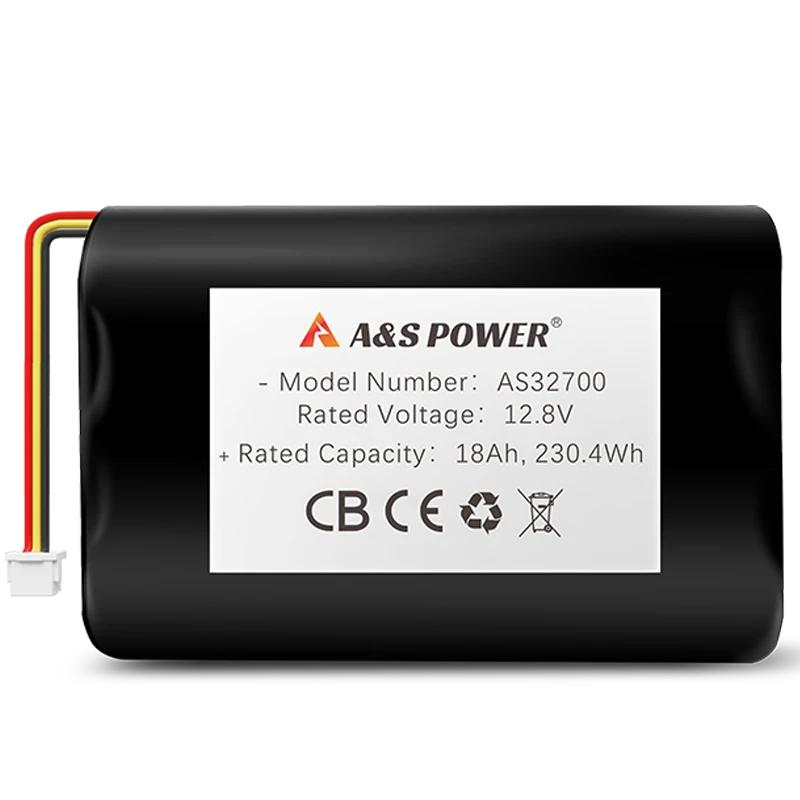
| LiFePO4 Battery | Excellent safety and cycle life | Medical backup systems |
Lithium Battery Technologies Used in Medical Monitoring Equipment
Lithium Polymer Battery (LiPo)
Lithium polymer batteries are widely used in compact medical devices because they provide excellent design flexibility.
Main advantages include:
- High energy density
- Thin profile design
- Lightweight construction
- Custom dimensions
- Low self-discharge rate
For wearable medical equipment where space is extremely limited, LiPo batteries can be manufactured in customized thicknesses and shapes.
Typical applications include:
- Smart medical wearables
- Portable monitoring patches
- Handheld diagnostic devices
- Patient tracking systems
Lithium-ion Battery Pack with BMS
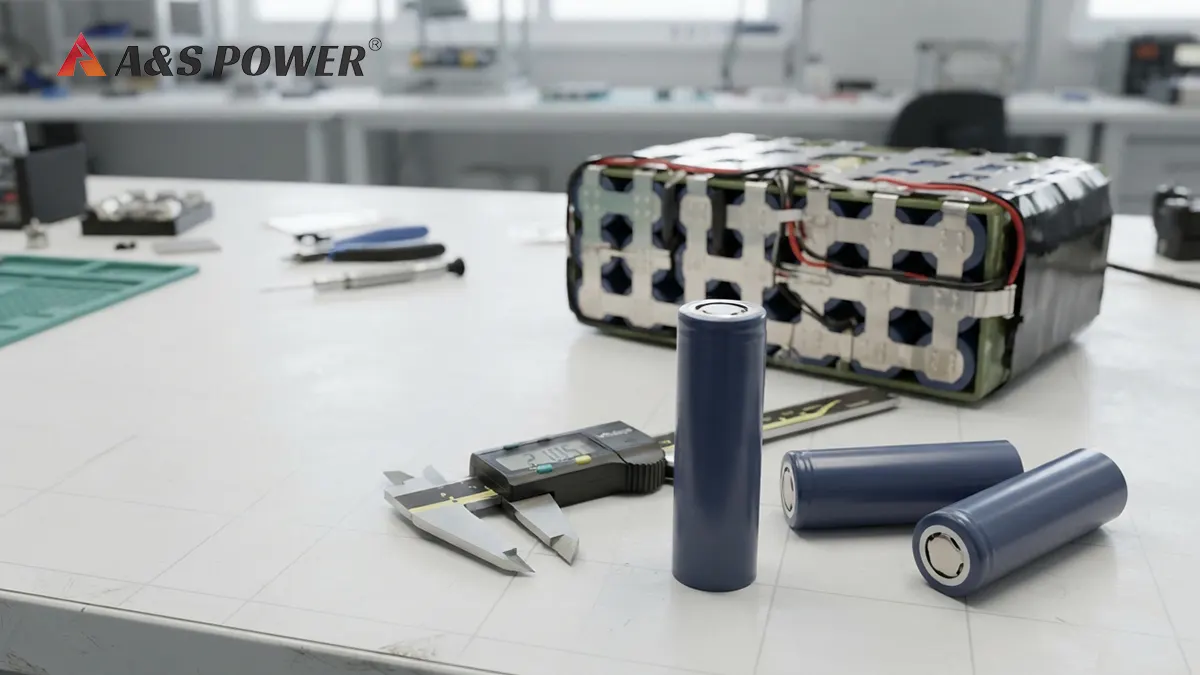
For devices requiring higher capacity and longer operation time, lithium-ion battery packs using cylindrical cells such as 18650 or 21700 are commonly selected.
A customized lithium-ion battery pack can include:
- Multiple battery cells
- Protection circuit module (PCM)
- Battery Management System (BMS)
- Temperature monitoring
- Custom connectors
- Communication interfaces
The BMS plays an important role by protecting the battery against:
- Overcharging
- Over-discharging
- Overcurrent
- Short circuit
- Abnormal temperature conditions
Important Battery Safety Standards for Medical Equipment
Medical battery solutions must comply with internationally recognized safety requirements.
Common standards include:
| Standard | Purpose |
|---|---|
| IEC 62133 | Safety requirements for rechargeable lithium batteries |
| UN38.3 | Transportation safety testing for lithium batteries |
| UL 1642 | Safety standard for lithium battery cells |
| UL 2054 | Safety requirements for battery packs |
| IEC 60601-1 | Medical electrical equipment safety requirements |
At A&S Power, we recommend selecting battery solutions according to the final device application, operating environment, and regulatory requirements.
A battery designed for a wearable health monitor may require different specifications compared with a hospital monitoring system.
How to Design a Battery for Medical Data Monitoring Equipment
Designing a battery for medical data monitoring equipment requires more than selecting a cell with sufficient capacity. The battery system must match the device’s electrical requirements, mechanical structure, operating environment, and regulatory expectations.
In my experience working with medical device manufacturers, successful battery design usually starts during the early product development stage. The battery should be considered as a core component of the device rather than simply a replaceable power source.
1. Determine Power Consumption and Operating Time
The first step in battery design is calculating the device’s energy requirements.
The basic calculation is:
Battery Capacity (mAh) = Device Current Consumption (mA) × Operating Time (hours)
However, real medical devices require additional considerations, including:
- Battery efficiency loss
- Temperature effects
- Aging over product lifetime
- Safety capacity margin
For example, a portable patient monitoring device may include:
- Sensor module: 50–100mA
- Display system: 100–300mA
- Wireless communication: 50–150mA
- Processor and control system: 50–200mA
The total power demand can vary significantly depending on device functions.
A professional battery manufacturer will evaluate actual operating conditions instead of only matching nominal capacity.
2. Battery Cycle Life and Long-Term Reliability
Medical monitoring equipment is often expected to operate reliably for years.
Battery degradation can directly affect:
- Device operating time
- Data transmission stability
- Maintenance frequency
- User experience
Lithium battery cycle performance depends on:
- Cell chemistry
- Charging voltage
- Discharge depth
- Temperature conditions
- Charging algorithm
A well-designed battery management system can help extend battery lifespan by controlling charging and discharging conditions.
The following table shows typical characteristics of different lithium battery solutions:
| Battery Solution | Energy Density | Cycle Life | Design Flexibility | Suitable Medical Applications |
|---|---|---|---|---|
| Lithium Polymer Battery | High | 500–1000+ cycles | Excellent | Wearable monitoring devices, portable medical electronics |
| 18650 Lithium-ion Pack | High | 500–1500+ cycles | Medium | Portable diagnostic equipment |
| LiFePO4 Battery Pack | Medium | 2000+ cycles | Medium | Medical backup power systems |
Actual performance depends on cell selection, operating conditions, and battery management design.
Why Custom Battery Packs Are Important for Medical Monitoring Devices
Standard batteries are often not suitable for advanced medical equipment because medical products have unique requirements.
A custom battery solution allows engineers to optimize:
Custom Battery Dimensions
Medical devices often have limited internal space.
For wearable and handheld equipment, battery thickness can directly influence:
- Product appearance
- User comfort
- Device weight
- Installation structure
Custom lithium polymer batteries can be designed with different:
- Length
- Width
- Thickness
- Shape configurations
This flexibility helps medical engineers maximize available space.
Customized Connectors and Protection Design
Different medical devices require different electrical interfaces.
A customized battery pack may include:
- JST connectors
- Molex connectors
- Wire length customization
- PCM/BMS integration
- Temperature sensors
- Fuel gauge communication
These features allow the battery to communicate with the main control system and improve operational reliability.
Battery Management System (BMS) for Medical Monitoring Equipment
A Battery Management System is an essential component for advanced medical battery packs.
The main functions include:
| BMS Function | Purpose |
|---|---|
| Overcharge protection | Prevents excessive charging voltage |
| Over-discharge protection | Prevents deep battery discharge |
| Overcurrent protection | Protects against abnormal current conditions |
| Temperature monitoring | Controls operation under different temperatures |
| Cell balancing | Improves multi-cell battery performance |
For multi-cell lithium-ion battery packs, BMS design becomes even more important because individual cell imbalance can reduce battery performance and safety.
Challenges in Medical Data Monitoring Equipment Battery Development
Although lithium batteries provide excellent performance, medical applications still present several engineering challenges.
1. Balancing Size and Battery Capacity
Medical device designers often need:
- Smaller device size
- Longer operating time
- Higher battery capacity
These requirements can conflict with each other.
A customized battery manufacturer must optimize:
- Cell selection
- Internal structure
- Energy density
- Thermal management
to achieve the best balance.
2. Ensuring Battery Safety
Safety is the highest priority in medical applications.
Battery risks such as:
- Thermal stress
- Incorrect charging
- Mechanical damage
- Manufacturing defects
must be controlled through proper design and testing.
Professional battery manufacturers normally perform:
- Cell quality inspection
- Aging tests
- Charge/discharge tests
- Protection circuit verification
- Safety certification testing
Future Trends of Batteries for Medical Data Monitoring Equipment
The medical industry is moving toward smaller, smarter, and more connected devices.
Future battery trends include:
1. Higher Energy Density Lithium Batteries
As medical devices become smaller, manufacturers require batteries that provide longer operation time without increasing size.
2. Smart Battery Communication
Future medical battery packs will increasingly integrate intelligent communication functions.
Examples include:
- Battery status monitoring
- Remaining capacity estimation
- Health condition reporting
These features help healthcare providers maintain equipment reliability.
3. Wearable and Remote Healthcare Applications
Remote patient monitoring is growing rapidly because healthcare providers need real-time patient information.
This trend increases demand for:
- Ultra-thin LiPo batteries
- Flexible battery designs
- Small medical battery packs
- Long-life rechargeable solutions
Why Choose A&S Power as Your Medical Battery Manufacturer?
At A&S Power, we specialize in customized lithium battery solutions for OEM applications.
With more than 15 years of battery manufacturing experience, we support medical device companies with:
- Custom lithium polymer batteries
- Lithium-ion battery packs
- Battery packs with BMS
- Customized connectors and cables
- Prototype development
- Mass production support
Our engineering team works closely with customers to select suitable battery chemistry, structure, and protection solutions according to device requirements.
For medical monitoring equipment manufacturers, battery reliability is not only about capacity. It is about ensuring stable operation throughout the entire product lifecycle.
Conclusion
Choosing the Right Battery for Medical Data Monitoring Equipment
Medical data monitoring equipment requires battery solutions that combine safety, reliability, compact design, and stable performance.
Compared with traditional battery technologies, customized lithium polymer batteries and lithium-ion battery packs provide significant advantages for modern healthcare devices.
From wearable patient monitors to portable diagnostic systems, the battery is a critical component that directly affects device reliability and user experience.
As an experienced custom lithium battery manufacturer, A&S Power focuses on developing OEM battery solutions that meet the practical requirements of medical equipment manufacturers, helping healthcare technology companies create safer and more reliable products.
FAQ
Q1: What type of battery is commonly used in medical data monitoring equipment?
Lithium polymer batteries and lithium-ion battery packs are commonly used because they provide high energy density, stable voltage output, and flexible customization options for portable medical devices.
Q2: Why are custom batteries better than standard batteries for medical devices?
Custom batteries allow manufacturers to optimize size, capacity, connectors, protection circuits, and communication functions according to specific medical equipment requirements.
Q3: Are lithium batteries safe for medical monitoring equipment?
Yes. When properly designed with suitable protection circuits, battery management systems, and safety testing, lithium batteries can provide reliable performance for medical applications.
Q4: What certifications are required for medical equipment batteries?
Common battery-related certifications and tests include IEC 62133, UN38.3, UL 1642, UL 2054, and other requirements depending on the target market and device category.
Q5: How long can a medical monitoring battery last?
Battery lifetime depends on chemistry, charging conditions, operating temperature, and usage frequency. Many rechargeable lithium battery systems can provide hundreds to more than one thousand charge cycles when properly designed.
-

 May.2026.09.24Optimal Li-Polymer Battery Charge Voltage ExplainedLearn More
 -
 May.2026.09.24Optimal LiFePO4 Charge Voltage Explained: 12V, 24V and 48VLearn More
 -
 May.2026.09.22Can All Lithium Batteries Be Recharged?Learn More
 -
 May.2026.09.21UN3480 vs UN3481: Lithium-Ion Battery Shipping GuideLearn More
 -
 May.2026.09.2121700 Battery Specifications: Capacity, Size, Voltage, and UsesLearn More