


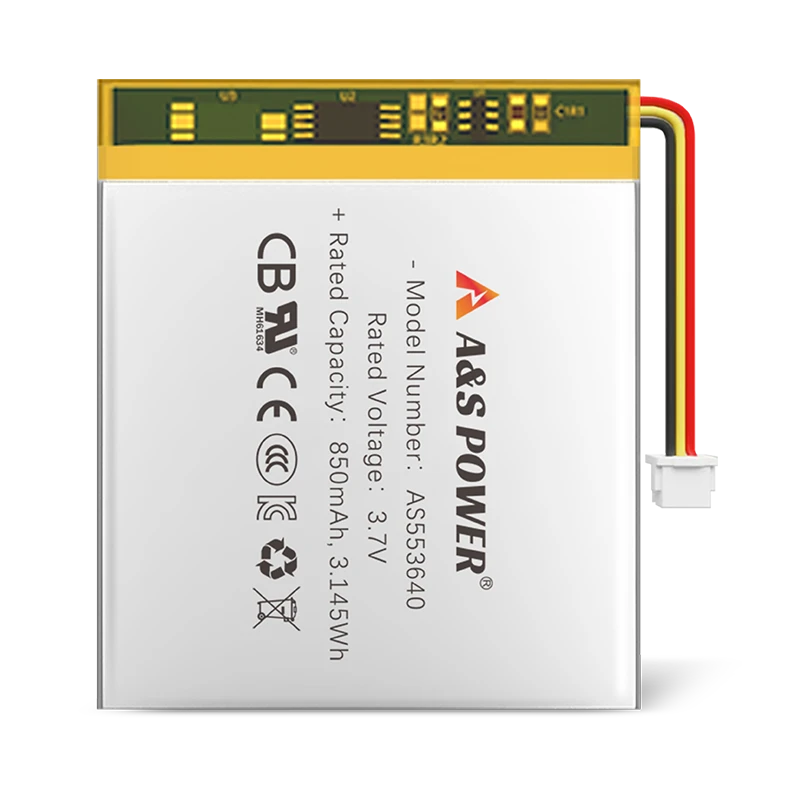
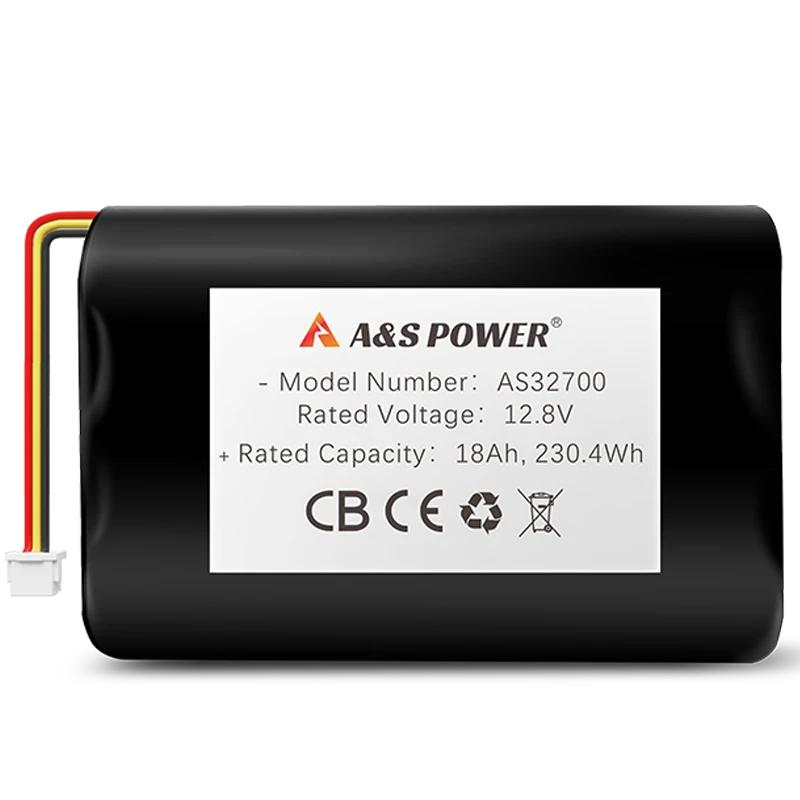


Complete Guide to Portable Amplifier Battery Packs (Li-ion & LiFePO4 Solutions)
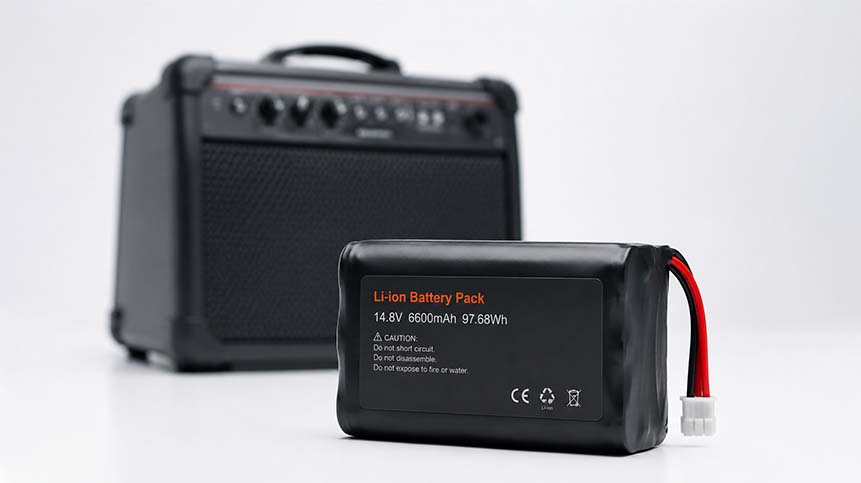
Portable amplifiers have transformed the modern music industry. From street performers and traveling musicians to portable PA systems and battery-powered keyboard amplifiers, today’s audio equipment increasingly depends on lightweight, rechargeable lithium battery technology.
As musicians demand longer runtime, lighter products, and higher power output, amplifier manufacturers are moving away from traditional lead-acid batteries and adopting custom lithium-ion battery packs instead.
Whether it is a portable guitar amplifier, a rechargeable PA system, a drum amplifier, or a compact speaker system, battery design has become one of the most critical parts of product development.
In this guide, we will explore:
- What batteries are used in portable amplifiers
- Why lithium batteries dominate modern audio equipment
- How 18650 battery packs are designed
- Li-ion vs LiFePO4 for amplifier systems
- Runtime calculation methods
- Battery management system (BMS) design
- OEM custom battery solutions for audio equipment manufacturers
If you are an audio equipment brand, OEM manufacturer, engineer, or product developer, this article will help you understand how to choose the right battery solution for your portable amplifier products.
Why Portable Amplifiers Need Advanced Battery Technology
The global demand for portable audio equipment has grown rapidly in recent years.
Portable guitar amplifiers, battery-powered PA systems, busking speakers, electronic drum amplifiers, and compact keyboard amps are now widely used in:
- Street performances
- Outdoor events
- Live streaming
- Mobile teaching
- Portable worship systems
- Traveling musicians
- Camping entertainment
- Battery-powered music production
Unlike traditional AC-powered amplifiers, portable systems must deliver:
- Long runtime
- Stable voltage
- Lightweight construction
- High discharge current
- Fast charging
- Safe operation
- Compact internal design
This creates major engineering challenges for battery manufacturers.
The battery must provide enough energy to power:
- Speakers
- DSP systems
- Bluetooth modules
- Wireless receivers
- Amplifier boards
- LED displays
- USB charging ports
At the same time, the battery must fit inside a limited enclosure space while maintaining excellent thermal performance and safety.
That is why custom lithium battery pack design has become essential for modern portable amplifiers.
What Battery Is Used in Portable Amplifiers?
Most modern portable amplifiers use one of the following battery types:
- Lithium-ion (Li-ion)
- Lithium Iron Phosphate (LiFePO4)
- Lithium Polymer (LiPo)
- Sealed Lead Acid (older systems)
Today, lithium-based batteries dominate the market because they provide significantly better performance than lead-acid batteries.
Lithium-Ion Batteries
Lithium-ion batteries are the most common choice for portable amplifiers.
Advantages include:
- High energy density
- Lightweight
- Long runtime
- Rechargeable
- Compact size
- Mature supply chain
- Cost-effective
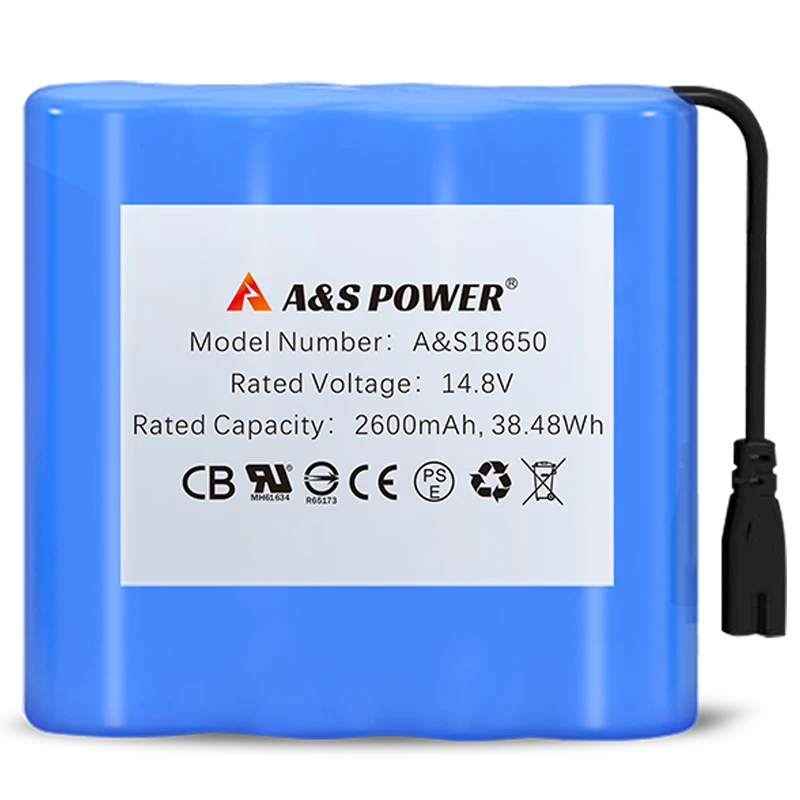
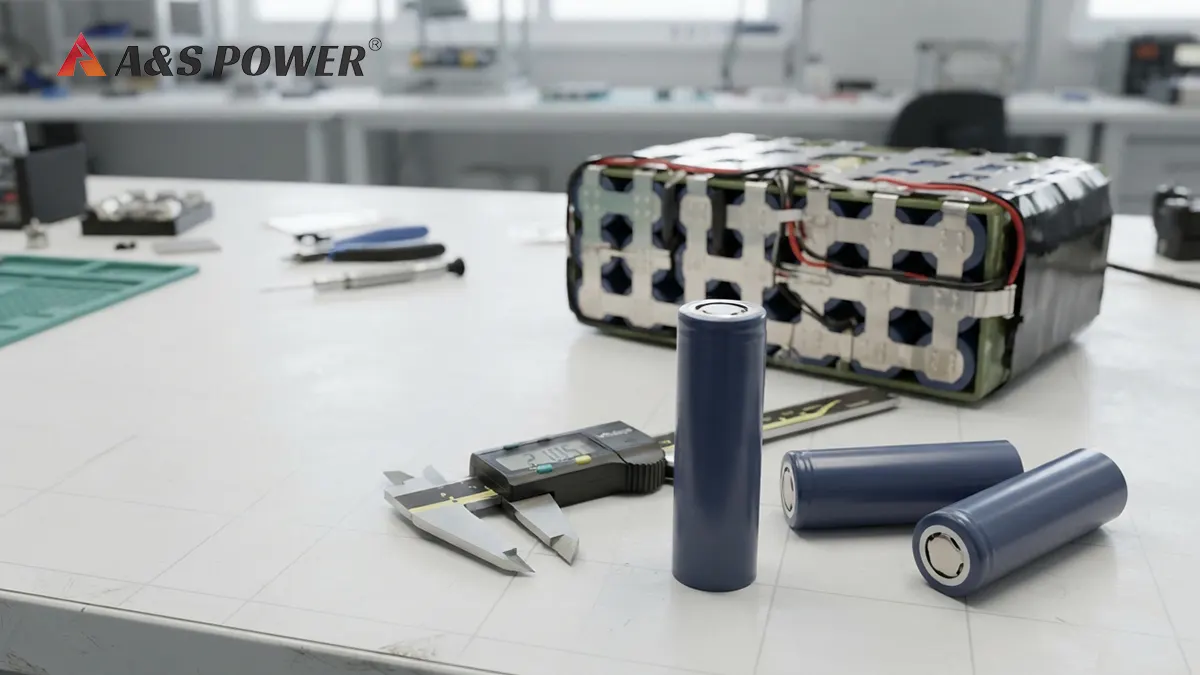
Most portable speaker systems and guitar amplifiers use 18650 lithium-ion cells arranged into custom battery packs.
Common configurations include:
- 3S
- 4S
- 5S
- 6S
depending on amplifier voltage requirements.
Why 18650 Battery Packs Are Popular for Amplifiers
The 18650 cell remains one of the most widely used battery formats in audio equipment.
An 18650 battery cell typically provides:
- Nominal voltage: 3.6V–3.7V
- Capacity: 2000mAh–5000mAh
- Rechargeable cycles: 500–1000+
- High energy density
Multiple cells are connected in:
- Series (S) for voltage
- Parallel (P) for capacity
to create custom amplifier battery packs.
For example:
A 4S2P battery pack means: 4 cells in series, 2 cells in parallel.
This configuration increases voltage while also increasing total capacity.
Common amplifier battery voltages include:
- 11.1V
- 14.8V
- 18.5V
- 22.2V
depending on amplifier power requirements.
How Portable Amplifier Battery Runtime Is Calculated
Runtime is one of the most important selling points for portable audio equipment.
Musicians want systems that can operate for hours without charging.
Battery runtime depends on:
- Battery capacity
- Amplifier power consumption
- Speaker efficiency
- Volume level
- DSP usage
- Wireless module activity
The basic runtime formula is:
Runtime(hours)=PowerConsumption(W) / BatteryCapacity(Wh)
For example:
A 14.8V 10Ah battery pack provides:
14.8V×10Ah=148Wh
If the amplifier consumes 30W continuously:
Runtime=30W / 148Wh≈4.9hours
In real-world applications, runtime varies depending on volume and signal conditions.
Many manufacturers target:
- 4–8 hours for portable amplifiers
- 6–12 hours for busking systems
- 8–20 hours for compact Bluetooth PA systems
Lithium-Ion vs LiFePO4 for Portable Amplifiers
Choosing the right chemistry is critical.
Lithium-Ion (NCM/NCA)
Advantages:
- Higher energy density
- Smaller size
- Lower weight
- More compact
- Better for portable products
Disadvantages:
- Slightly shorter lifespan
- Higher thermal sensitivity
Best for:
- Portable guitar amps
- Compact speakers
- Lightweight PA systems
- Travel amplifiers
LiFePO4 Batteries
Advantages:
- Extremely safe
- Longer cycle life
- Better thermal stability
- High durability
Disadvantages:
- Larger size
- Heavier weight
- Lower energy density
Best for:
- Large PA systems
- Outdoor speaker systems
- Rental equipment
- High-power audio systems
Why Audio Equipment Manufacturers Prefer Custom Battery Packs
Standard batteries rarely fit perfectly inside amplifier enclosures.
Portable amplifier manufacturers often require:
- Unique dimensions
- Special connectors
- Custom discharge rates
- Waterproof protection
- Integrated charging systems
- Smart BMS functions
That is why OEM custom battery pack solutions are essential.
A custom battery pack can be optimized for:
- Internal space usage
- Runtime targets
- Product weight
- Charging speed
- Thermal performance
- Product certification
Important Design Considerations for Amplifier Battery Packs
Designing a battery pack for audio equipment is more complex than simply connecting cells together.
Several critical engineering factors must be considered.
1. Output Voltage Stability
Audio amplifiers are sensitive to voltage drops.
If voltage fluctuates excessively:
- Audio distortion may occur
- DSP systems may reboot
- Bluetooth modules may disconnect
- Amplifier shutdown may happen
A properly designed lithium battery pack maintains stable voltage under load.
2. High Discharge Capability
Amplifiers can generate sudden power peaks.
For example:
- Bass transients
- Drum impacts
- High-volume output
These require batteries capable of high discharge current.
Battery cells must support:
- Continuous current
- Pulse current
- Low internal resistance
Otherwise, performance problems may occur.
3. Thermal Management
Heat is one of the biggest challenges in amplifier battery design.
Inside a portable amplifier enclosure, heat comes from:
- Power amplifiers
- DSP boards
- Charging systems
- Battery cells
Poor thermal design can reduce battery lifespan.
Manufacturers often use:
- Thermal pads
- Aluminum brackets
- Ventilation channels
- Temperature sensors
to improve safety and durability.
4. Battery Management System (BMS)
A BMS is essential for lithium battery safety.
The BMS protects against:
- Overcharge
- Overdischarge
- Overcurrent
- Short circuit
- Overtemperature
Advanced BMS systems may also support:
- Bluetooth monitoring
- Fuel gauge functions
- Smart balancing
- Communication protocols
Without a reliable BMS, lithium batteries may become unstable or unsafe.
Why Portable Amplifiers Are Replacing Lead-Acid Batteries
Many older portable speaker systems used sealed lead-acid batteries.
However, lead-acid technology has several disadvantages:
- Heavy weight
- Large size
- Short lifespan
- Slow charging
- Lower energy density
Lithium batteries solve these issues.
For example:
A lithium battery pack can reduce total amplifier weight by 30%–60%.
This is especially important for:
- Street performers
- Traveling musicians
- Portable teaching systems
- Mobile entertainers
Lightweight products improve portability and user experience significantly.
Applications of Lithium Battery Packs in Audio Equipment
Lithium battery packs are now used across many audio product categories.
Portable Guitar Amplifiers
Portable guitar amplifiers require:
- Lightweight design
- Long runtime
- Compact battery size
- Stable voltage
Many modern guitar amps use rechargeable lithium-ion battery systems.
Portable PA Systems
PA systems often demand:
- Higher power output
- Larger battery capacity
- Multiple speaker drivers
- Extended outdoor usage
LiFePO4 batteries are increasingly popular in this segment.
Keyboard Amplifiers
Keyboard amplifiers typically need:
- Clean voltage delivery
- Stable DSP operation
- Long-duration performance
Custom battery packs help optimize space and runtime.
Electronic Drum Amplifiers
Electronic drum systems can create strong transient loads.
Battery packs must support:
- High pulse discharge
- Voltage stability
- Heat resistance
Busking Speakers
Street performers require:
- Long battery life
- Fast charging
- Lightweight portability
- Weather resistance
Battery runtime is often a major selling point in this market.
Waterproof and Outdoor Battery Design
Outdoor amplifiers face additional challenges.
Manufacturers often require:
- IP-rated enclosures
- Moisture protection
- Dust resistance
- Shock resistance
Battery packs may include:
- Waterproof wrapping
- Silicone sealing
- Reinforced connectors
- Protective casing
to improve reliability in outdoor environments.
Fast Charging for Portable Amplifiers
Modern users expect fast charging capabilities.
Fast charging improves convenience for:
- Live performers
- Traveling musicians
- Rental companies
- Event organizers
However, fast charging increases:
- Heat generation
- Cell stress
- BMS complexity
Battery packs must be carefully engineered to balance charging speed and battery lifespan.
Smart Battery Features in Modern Amplifiers
Advanced portable amplifiers increasingly include smart battery functions.
Examples include:
- LED battery indicators
- Mobile app monitoring
- Bluetooth battery status
- Remaining runtime estimation
- USB-C charging
- Power bank functionality
Smart battery systems enhance product competitiveness and user experience.
Safety Certifications for Amplifier Battery Packs
Audio equipment sold internationally often requires battery certifications.
Common certifications include:
- UN38.3
- CE
- UL
- IEC62133
- RoHS
- MSDS
These certifications are especially important for:
- International shipping
- Air transportation
- Retail distribution
- OEM partnerships
Choosing an experienced battery manufacturer helps simplify compliance processes.
How OEM Battery Manufacturers Support Audio Brands
Professional battery manufacturers provide more than cells.
A complete OEM battery solution may include:
- Battery pack design
- Cell selection
- PCM/BMS integration
- Connector customization
- Wire harness design
- Charging solution support
- Certification assistance
- Sample prototyping
- Mass production
For audio equipment brands, working with an experienced lithium battery manufacturer can shorten development cycles significantly.
Common Battery Problems in Portable Amplifiers
Audio equipment manufacturers often encounter battery-related issues during development.
Short Runtime
Possible causes:
- Insufficient battery capacity
- Inefficient amplifier design
- High standby current
Voltage Sag
Possible causes:
- Low-quality cells
- High internal resistance
- Weak BMS design
Excessive Heat
Possible causes:
- Poor thermal layout
- Overloaded discharge
- Fast charging stress
Battery Swelling
Possible causes:
- Overcharging
- Low-quality LiPo cells
- High-temperature exposure
Charging Failure
Possible causes:
- Incorrect charger design
- BMS communication issues
- Connector problems
A reliable battery supplier can help prevent these problems during the design phase.
Future Trends in Portable Amplifier Batteries
The portable audio market continues to evolve rapidly.
Future trends include:
- Higher energy density cells
- Faster charging
- GaN charging technology
- Smart battery systems
- AI-based power management
- USB-C PD integration
- Wireless charging
- Sustainable battery materials
Battery technology will continue to shape the future of portable music equipment.
Choosing the Right Custom Battery Pack Supplier
When selecting a battery manufacturer, audio equipment companies should evaluate:
Engineering Capability
Can the supplier provide:
- Battery design support
- Thermal analysis
- BMS customization
- Certification guidance
Manufacturing Experience
Look for suppliers with experience in:
- Portable electronics
- Audio equipment
- High-power battery packs
- OEM manufacturing
Quality Control
Reliable suppliers should provide:
- Cell matching
- Aging tests
- Capacity testing
- Safety inspection
- Traceability systems
Certification Support
Global brands require:
- UN38.3
- CE
- UL
- IEC62133
Support for these certifications is essential.
Scalability
A supplier should support:
- Prototype samples
- Small-batch production
- Large-scale OEM manufacturing
Conclusion
Portable amplifiers are becoming lighter, smarter, and more powerful.
As the audio industry continues shifting toward rechargeable portable systems, lithium battery technology has become a core component of product innovation.
Whether designing a portable guitar amplifier, rechargeable PA system, busking speaker, or compact keyboard amplifier, choosing the right battery solution directly affects: Runtime, Weight, Performance, Safety, User experience
18650 lithium-ion battery packs remain one of the most popular solutions for portable audio equipment because they provide an excellent balance of: Energy density, Cost, Reliability, Design flexibility.
For larger or high-power systems, LiFePO4 batteries may offer additional safety and longevity advantages.
For OEM audio equipment manufacturers, custom lithium battery packs provide the flexibility needed to optimize product design, improve portability, and enhance market competitiveness.
As demand for portable music equipment continues growing worldwide, advanced battery technology will remain one of the key drivers of innovation in the amplifier industry.
FAQ
What battery is used in portable guitar amplifiers?
Most portable guitar amplifiers use rechargeable lithium-ion battery packs, often built with 18650 cells. These batteries provide lightweight construction, long runtime, and stable voltage performance.
How long does a portable amplifier battery last?
Battery runtime depends on battery capacity and amplifier power consumption. Most portable amplifiers operate for 4 to 12 hours on a full charge.
Are lithium batteries better than lead-acid for amplifiers?
Yes. Lithium batteries are lighter, smaller, faster charging, and offer higher energy density than traditional lead-acid batteries.
What is the best battery chemistry for portable PA systems?
Lithium-ion batteries are ideal for lightweight portable systems, while LiFePO4 batteries are often preferred for larger high-power PA systems due to their safety and long cycle life.
Can amplifier battery packs be customized?
Yes. OEM battery manufacturers can customize voltage, capacity, size, connectors, BMS functions, and enclosure protection according to amplifier requirements.
-

 May.2026.09.24Optimal Li-Polymer Battery Charge Voltage ExplainedLearn More
 -
 May.2026.09.24Optimal LiFePO4 Charge Voltage Explained: 12V, 24V and 48VLearn More
 -
 May.2026.09.22Can All Lithium Batteries Be Recharged?Learn More
 -
 May.2026.09.21UN3480 vs UN3481: Lithium-Ion Battery Shipping GuideLearn More
 -
 May.2026.09.2121700 Battery Specifications: Capacity, Size, Voltage, and UsesLearn More