




What factors determine the capacitance of a lithium polymer battery
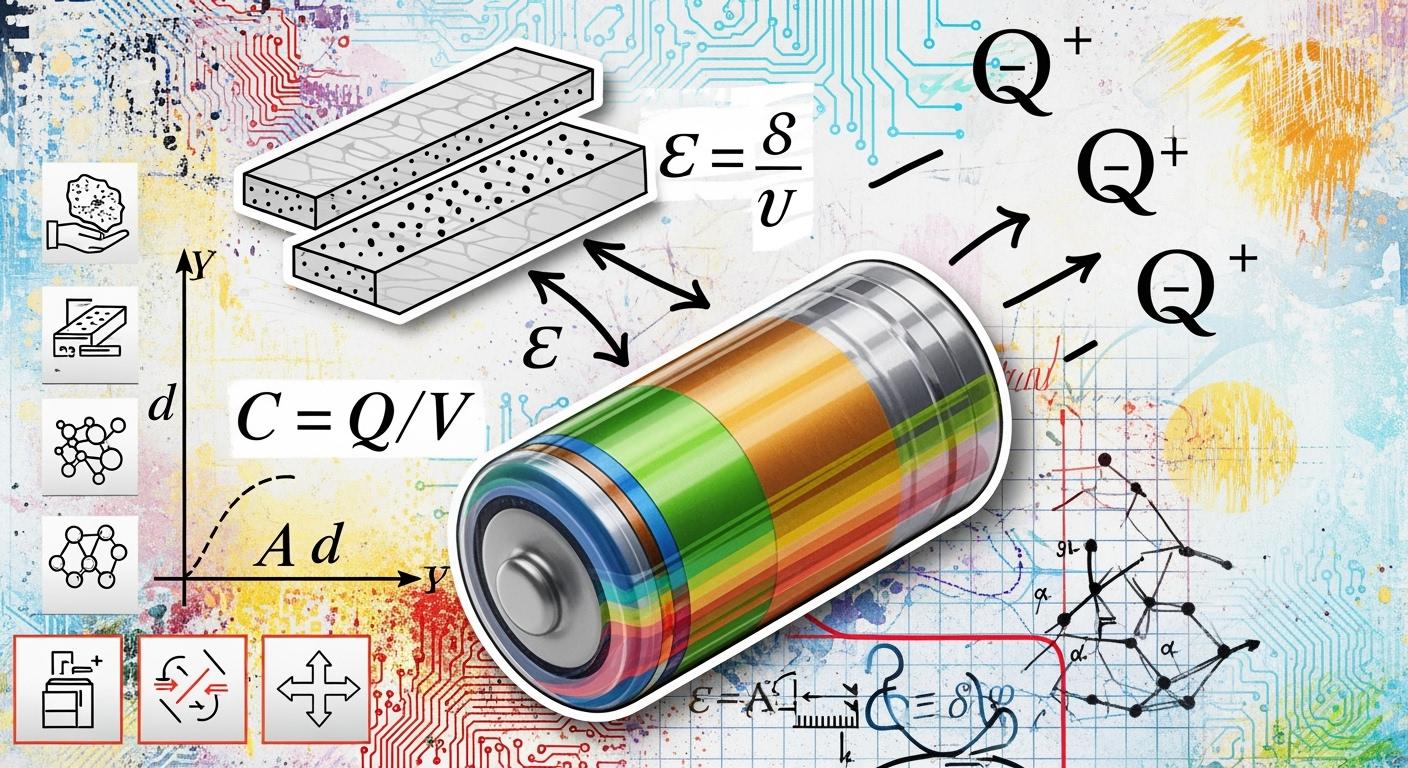
When you look at lithium polymer batteries, several factors determine capacitance. You should consider the battery’s size, as it plays a crucial role. The kind of electrode and cathode materials also matters significantly. The chemical makeup inside the battery is important as well. Additionally, how the cells are set up can change capacitance. Working conditions, such as temperature and the way you charge the battery, are also critical.
Understanding these factors helps you choose the best battery. It also aids in creating systems that operate efficiently and have a longer lifespan.
- Physical size
- Electrode and cathode materials
- Chemical makeup
- Cell setup
- Working conditions
Key Takeaways
- Battery size is very important. Bigger batteries can hold more energy. This is because they have more room for chemical reactions.
- Pick the best materials. The kind of electrode and cathode you use matters. It changes how many lithium ions can move. This affects how much energy the battery can hold and its voltage.
- Keep the charge steady. Try to keep your battery between 80% and 100%. This helps the battery work better and last longer.
- Pay attention to temperature. Very hot or cold weather can hurt your battery. It can also make it work less well.
- Charge your battery the right way. Do not let it run out all the way or charge it too much. This will help your battery last longer and keep its energy.
Key Factors Determine Capacitance
Physical Dimensions and Structure
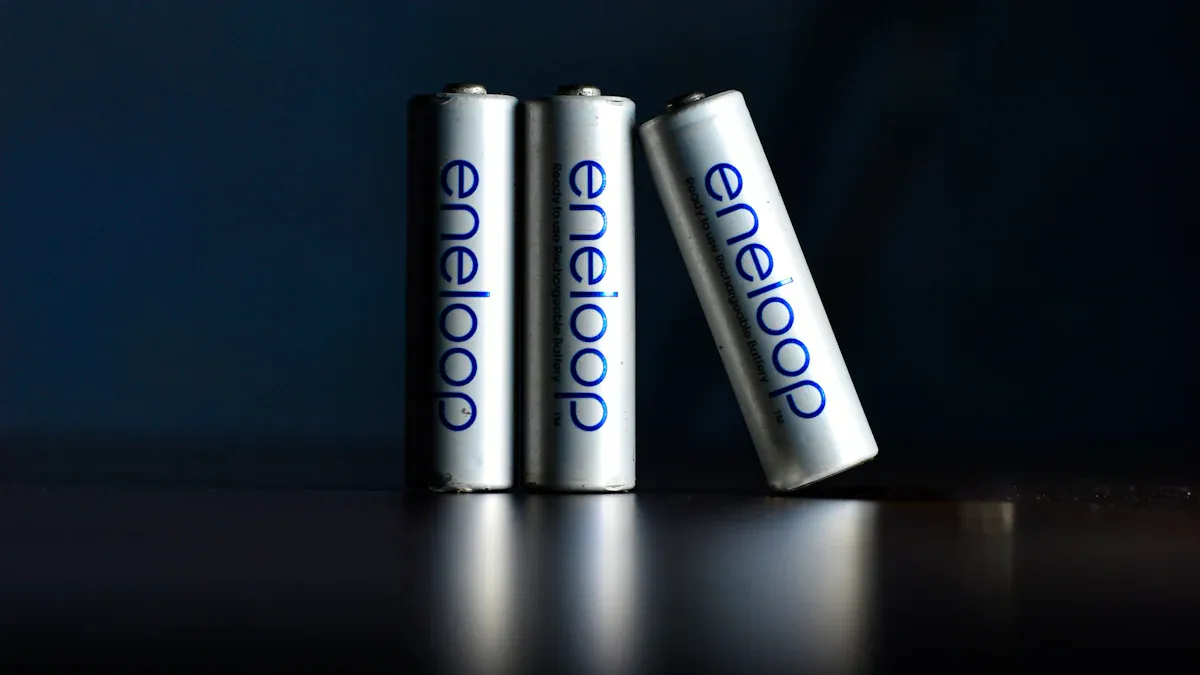
The size and shape of a lithium polymer battery matter a lot. Thickness, width, and length all help decide how much energy it stores. Bigger batteries usually hold more charge. This is because they have more room for chemical reactions. The inside structure is important too. If the layers are stacked or wound tightly, the battery uses space better. These physical features are main reasons why capacitance changes in lithium polymer batteries.
Tip: Pick a battery with bigger size and smart design if you want more capacity.
Electrode and Cathode Materials
The materials for the electrodes and cathode are very important. Graphite is often used for the cathode. Lithium metal oxide is used for the anode. These materials control how many lithium ions move when charging and discharging. More moving ions mean higher capacity. Different materials also change the battery’s voltage. Some lithium metal oxides give higher voltage. This means more power for your devices. The choice of materials is a key reason why capacitance and performance change.
Chemical Composition and Cell Design
The chemicals inside the battery affect its capacity and voltage. A lithium polymer battery uses a graphite cathode, a lithium metal oxide anode, and a polymer electrolyte. This mix makes the battery more efficient than older lithium batteries. How the cell is designed matters too. The anode and cathode sizes must match well. If the anode cannot hold all the lithium ions, the battery will not work well. Designers use the N/P ratio to balance the anode and cathode. They try to keep this ratio close to 1. Sometimes they change it to stop problems like lithium plating, which can hurt the battery. These design choices are big reasons why capacitance changes and help keep the battery safe and long-lasting.
Note: A balanced cell design gives more capacity and protects the battery from harm.
The factors that change capacitance in lithium polymer batteries include size, materials, chemicals, and cell design. Knowing these things helps you pick the best battery for your needs.
Operational and Environmental Influences
State of Charge (SOC) Consistency
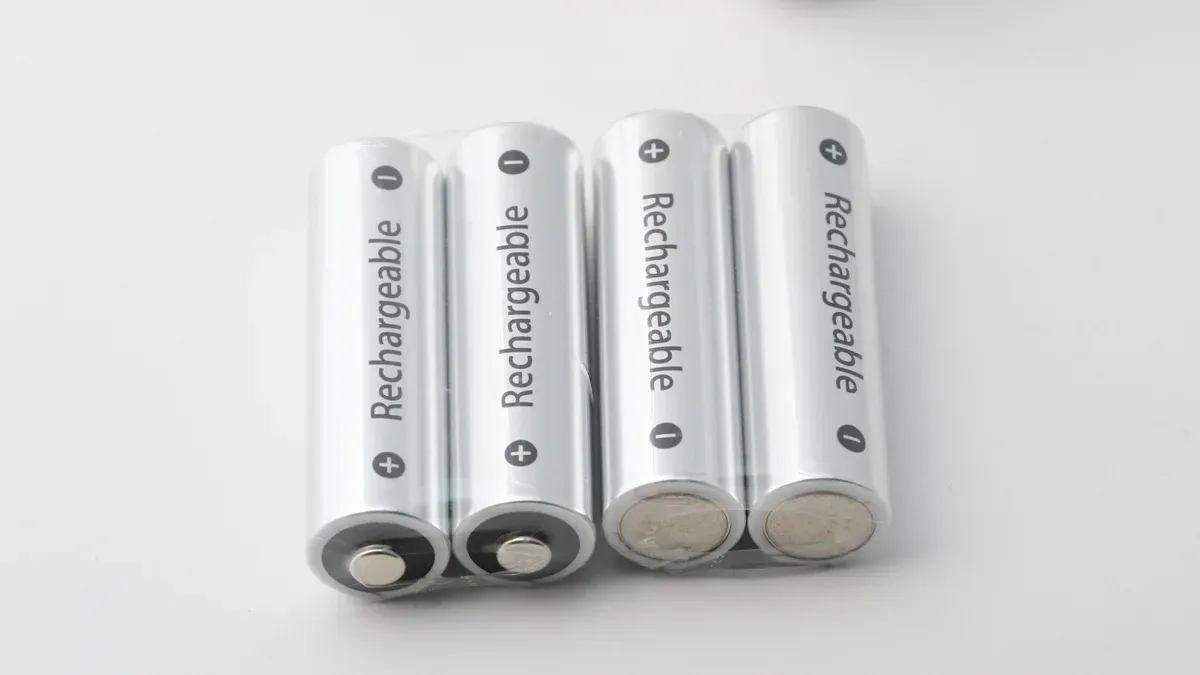
Keeping the state of charge steady helps your battery work better. If you use your battery between 80% and 100%, it gives you more power. A steady SOC makes your battery last longer. You will get more time to use your device before charging again. Here are some things to remember:
- Using 80-100% SOC gives more power.
- Keeping SOC steady helps your battery last longer.
- A steady SOC means your battery works as expected.
Tip: Do not let your battery go below 20%. Do not keep it at 100% for too long. This helps your battery stay strong and last longer.
Temperature and Current Effects
Temperature and current change how your battery works. Hot weather makes the battery age faster and lose power. Cold weather slows the battery down and gives less energy. If you use your battery in very hot or cold places, it may not work as well. Using a lot of current can make the battery heat up and lose power. These things change how much power your battery gives in real life. The shape and roughness of the electrode also matter. Sometimes your battery does not give as much power as the label says because of these reasons.
Note: Keep your battery at room temperature for best results. Do not use heavy loads that drain the battery fast.
Charging and Discharging Cycles
Charging and using your battery changes how much power it can hold. The number of times you charge and use it affects its power over time. Charging too much or using all the power can hurt the battery. If you use most of the battery each time, it wears out faster. Here is what research shows:
| Key Findings | Description |
|---|---|
| Capacity Fade | After 100 charges, batteries lose some power. |
| Impedance Increase | Battery health drops as power goes down and resistance goes up. |
| Cycle Range | Studies show changes from 150 to 2,300 charges. |
| Predictive Modeling | Early charges can help guess battery life with computer models. |
You can slow down power loss by charging and using your battery gently. Do not use all the power or leave it fully charged for a long time.
Reminder: Take care of your battery and charge it smart. This helps it last longer and work better.
Estimating Battery Capacitance
Basic Calculation Methods
There are simple ways to guess a lithium polymer battery’s capacity. The most common way is to multiply the discharge current by how long the battery lasts. This tells you how much charge the battery can give. The formula is:
Capacity (Ah) = Discharge Current (A) × Discharge Time (h)
You can also use the battery’s size to estimate its capacity. Measure the thickness, width, and length. Multiply these numbers together. Then, multiply by a constant called K. K depends on the battery’s chemistry and design. K is usually between 0.07 and 0.11 if you measure in mAh/mm³.
| Method | Description |
|---|---|
| Capacity Formula | Capacity (Ah) = Discharge Current (A) × Discharge Time (h) |
| Quick Estimation | Capacity = Thickness × Width × Length × K (K in mAh/mm³) |
| K Value Range | K typically ranges from 0.07 to 0.11 |
Note: Your calculation is only correct if you use a steady current and stop at the right voltage. If you use too much current or stop at the wrong voltage, your answer may not be right.
Practical Example
Here is an example of how to estimate battery capacity. You use a constant current of 1 ampere to discharge the battery. The battery lasts for 2.5 hours before it stops. Use the formula:
Capacity = 1 A × 2.5 h = 2.5 Ah (or 2500 mAh)
You can also use the quick method with the battery’s size. Measure the thickness, width, and length. Let’s say the battery is 5 mm thick, 40 mm wide, and 60 mm long. If K is 0.09, the math is:
Capacity = 5 × 40 × 60 × 0.09 = 1,080 mAh
Tip: Always use the right discharge current and end voltage for your battery. This helps your results match what happens in real life.
The end voltage and discharge current are very important for a good estimate. If you discharge too fast or stop at the wrong voltage, your answer may be off. For best results, follow the maker’s rules and test the same way each time.
You now know what things affect lithium polymer battery capacitance. These things are voltage, current use, temperature, and battery size. The table below explains how each thing matters:
| Factor | Description |
|---|---|
| Voltage | Decides how much energy the battery gives. |
| Current Consumption | Changes how fast the battery charges or drains. |
| Temperature | Affects how well and how long the battery works. |
| Dimensions of Battery | Sets the limit for how much charge it can hold. |
If you learn these facts, you can choose the best battery. You can use your battery in a smart way. You can also help your battery last longer.
FAQ
What is the main factor that affects lithium polymer battery capacity?
Battery size is the most important factor. Bigger batteries can hold more energy. If you make the battery thicker or wider, it stores more power. Scientists found this in the Journal of Power Sources.
Can temperature damage my lithium polymer battery?
Yes, very hot or cold weather can hurt your battery. High heat makes the battery get old faster. Cold weather makes it work less well. Studies in Electrochimica Acta say room temperature is best for battery life.
How do I make my battery last longer?
Do not let your battery go empty or charge it all the way. Try to keep the charge between 20% and 80%. Battery research shows this helps your battery last longer and wear out slower.
Does fast charging reduce battery capacity?
Fast charging makes the battery hotter and puts on stress. This can make the battery lose power over time. Experts say to use normal charging to keep your battery healthy.
Why does my battery lose capacity after many cycles?
Every time you charge and use your battery, it changes a little inside. These small changes build up over time. Research shows this makes the battery hold less power and have more resistance.
-

 May.2026.09.17Meet A&S Power at KES 2026 in Seoul – Custom Lithium Battery SolutionsLearn More
 -
 May.2026.09.16How to Choose a Custom Lithium Battery Manufacturer in China: A Buyer's GuideLearn More
 -
 May.2026.09.15Can VHR-4N Connectors Work With 14 AWG Battery Wires?Learn More
 -
 May.2026.09.14Who Pays UL Battery Certification Maintenance Fees?Learn More
 -
 May.2026.09.11PTC vs PCM: Why Use Both in Lithium Battery Protection?Learn More