




2025 Guide to UL 2054 & UL 1642 for the US Market
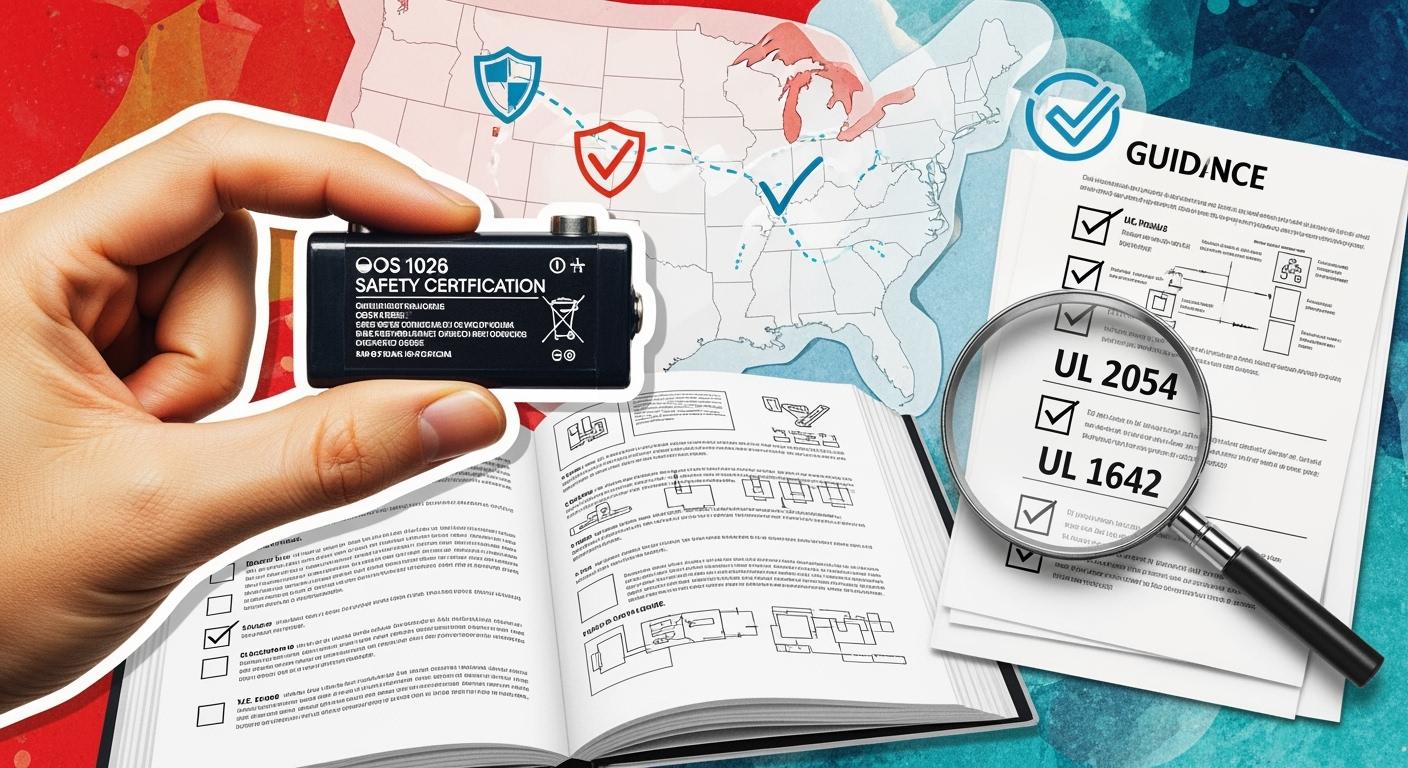
You need UL 2054 and UL 1642 to sell lithium batteries in the US in 2025. These standards have tough rules for lithium ion battery safety. UL 2054 looks at batteries as a whole system. UL 1642 checks each cell by itself. Following these standards helps you get into important markets. It lowers risks and helps people trust you. Here is how different groups gain:
| Audience | Benefits |
|---|---|
| Manufacturers | Market respect, rule approval, less chance of lawsuits |
| Consumers/Businesses | Safe use, trust, meets insurance rules |
| Industries | Needed for product approval in many fields |
The 2025 Guide explains why following the rules is important for makers and importers.
Key Takeaways
- UL 2054 and UL 1642 are very important for selling lithium-ion batteries in the US. They help make sure batteries are safe and follow the rules.
- Companies get more respect and face fewer legal problems when they use these standards. People who buy the batteries get safer products.
- UL 2054 checks battery packs, but UL 1642 checks single lithium cells. Both are needed to make sure everything is safe.
- It is very important to keep up with safety rules. New rules might mean more tests and steps to follow.
- Good paperwork and using approved labs make UL certification easier. This can save time and money.
2025 Guide to UL Battery Standards
What Are UL 2054 and UL 1642?
If you want to sell lithium-ion batteries in the US, you need to know about UL safety standards. The 2025 guide talks about two main standards: UL 2054 and UL 1642. These rules are strict and help keep batteries safe. They also help you follow the law.
Here is a table that explains what each standard covers:
| Standard | Definition and Scope |
|---|---|
| UL 2054 | Household and commercial battery packs. |
| UL 1642 | Lithium-ion cells - tests for overcharge, short-circuit, and thermal stability. |
UL 2054 is for battery packs used at home or work. UL 1642 is for lithium-ion cells and checks if they are safe from overheating or short circuits. You need both standards to make sure your batteries are safe in the US.
Each standard works in a different way:
- UL 1642 tests lithium cells for how they are built and how they handle heat and damage.
- UL 2054 checks battery packs and uses UL 1642 to make sure the cells are safe.
- UL 1642 is the main test for lithium-ion battery safety.
- UL 2054 makes sure battery packs are safe for people and businesses.
If you make lithium-ion batteries, you must follow both UL 2054 and UL 1642. These rules are needed to sell batteries in the US. You cannot skip them if you want to avoid problems like recalls or lawsuits.
Why UL Standards Matter in 2025
The 2025 guide explains why UL standards are very important now. There are new rules and higher safety needs for batteries. UL 2054 and UL 1642 help you meet these rules and keep your products safe.
Here is a table that shows how UL 2054 and UL 1642 work for lithium-ion batteries in the US:
| Feature | UL 2054 | UL 1642 |
|---|---|---|
| Scope | Consumer products | Lithium batteries |
| Testing Conditions | Normal usage | Extreme conditions |
| Focus Area | General battery safety | Lithium-specific risks |
| Performance Evaluation | Operational scenarios | Abusive scenarios |
| Application | Electronics | Electric vehicles, tools |
You need UL 2054 for battery packs in things like laptops and phones. UL 1642 is important for lithium-ion batteries in electric cars and power tools. Both standards help show your batteries are safe in everyday and tough situations.
You should watch for new rules in 2025. The US and other places now want stronger safety rules for lithium-ion batteries. If you follow UL 2054 and UL 1642, you show your batteries are very safe. You also lower your chance of recalls or lawsuits.
Tip: The 2024 State of the Nation Recall Index said there were over 3,300 recalls in 2023. Many recalls happened because products did not meet safety rules. You can avoid this by following UL 2054 and UL 1642.
UL certification is very important for safety and getting approval. You build trust with customers and partners when you meet these rules. You also protect your brand from legal and money problems. The 2025 guide helps you see why UL standards matter for lithium-ion batteries in the US.
You must use UL 2054 and UL 1642 to show your lithium-ion batteries are safe. These rules help you sell in the US, meet insurance needs, and earn respect from buyers. The 2025 guide gives you what you need to do well as battery safety rules change.
Scope and Application of UL Standards
UL 2054 Coverage
If you work with lithium-ion batteries, you should know about UL 2054. This standard is for many battery packs in homes and businesses. UL 2054 helps make sure battery packs are safe for people. You see UL 2054 used in battery packs for electronics, power tools, and medical devices. It is also used in security systems and home backup batteries.
UL 2054 has strict rules for testing lithium-ion batteries. Here is a table that shows some main rules:
| Requirement | Description |
|---|---|
| Short Circuit Test | Each charged lithium-ion cell is short-circuited with a set load. |
| Temperature Limits | The outside of the cell cannot get hotter than 150°C (302°F). |
| Testing Conditions | Tests happen at 20 ± 5°C and 55 ± 2°C. |
| Individual Testing | Each lithium-ion cell is tested alone unless used in a group. |
| Protective Devices | Tests run without extra protection unless built into the cell. |
| Fire and Explosion Prevention | Batteries must not explode or catch fire during tests. |
UL 2054 helps keep lithium-ion batteries safe in many things you use every day.
UL 1642 Coverage
UL 1642 is for lithium cells. You use this standard to check both non-rechargeable and rechargeable lithium-ion batteries. UL 1642 covers cells with metallic lithium, lithium alloy, or lithium-ions. You find UL 1642 in batteries for homes and businesses.
Here is a table that explains what UL 1642 covers:
| Type of Lithium Cell | Description |
|---|---|
| Non-rechargeable lithium | Used until empty, cannot recharge. |
| Rechargeable lithium | Can be used again and again. |
| Electrochemical cell types | Includes cells with metallic lithium, lithium alloy, or lithium-ions. |
| Safety requirements | Limits lithium content for safety. |
UL 1642 makes sure lithium-ion batteries do not catch fire, explode, leak, or shock people. You see UL 1642 in batteries for phones, laptops, and electric cars.
Key Differences and Overlaps
It is important to know how UL 2054 and UL 1642 work together. UL 2054 checks the safety of battery packs as a whole. UL 1642 looks at each lithium cell inside those packs. You often need both standards for lithium-ion batteries.
Here is a table that shows the main differences:
| Standard | Focus | Scope |
|---|---|---|
| UL 1642 | Safety for lithium and lithium-ion cells | Individual cells |
| UL 2054 | Safety for household and commercial batteries | Battery packs as complete units |
UL 1642 tests how lithium cells handle stress, like short circuits or crushing. UL 2054 checks the safety of the whole battery pack, including circuits and connectors. You choose which standard to use based on your battery type and where you want to use it. Many times, you need both UL 2054 and UL 1642 for full safety and approval.
Note: The FDA says both UL 2054 and UL 1642 are important for battery safety. You should follow both to meet US rules for lithium-ion batteries.
UL Testing and Certification Process

Core Safety Tests for UL 2054
You need to know the main safety tests for ul 2054. These tests show if your lithium batteries are safe at home or work. The ul standard checks how battery packs act in hard situations. You must pass every test to get certified.
Here is a table with two big safety tests for ul 2054:
| Test Type | Description | Pass/Fail Criteria |
|---|---|---|
| Abusive Overcharge Test | Tests lithium-ion batteries under extreme charging conditions to assess safety. | No explosion or fire; must withstand specified conditions. |
| Forced-Discharge Test | Evaluates the safety of lithium-ion cells in multi-cell applications under forced discharge conditions. | No explosion or fire; must return to ambient temperature. |
You must pass these tests to prove your lithium battery is safe and meets ul 2054 rules.
Cell-Level Testing with UL 1642
You also need to test each lithium cell with ul 1642. This standard checks the safety of single cells. You see how each cell acts when stressed or damaged. The ul 1642 standard uses different tests than system tests.
Here is a table that shows the difference:
| Test Type | Description | Purpose |
|---|---|---|
| Cell-Level | Short circuit, crush, overcharge, impact | Ensures integrity of individual cells |
| System-Level | Vibration, drop, insulation faults | Evaluates safety of complete battery systems |
You must use ul 1642 to make sure each lithium cell is safe before making battery packs.
Certification Steps and Documentation
You need to follow clear steps to get ul certification for lithium batteries. You must meet all rules and have the right documents.
Tip: Good paperwork helps you avoid delays and extra costs when getting certified.
Follow these steps for ul certification:
- Learn the standards for your batteries based on where and how they are used.
- Do safety tests like overcharge, short circuit, and temperature tests.
- Write a technical report with test results and diagrams.
- Send the report to the right group for review.
You must include these documents:
- Full system details showing voltage, current, capacity, and how it works.
- Circuit diagrams that show wires and safety devices.
- Plans for heat control and cooling.
- Drawings that show what the battery case is made of and how strong it is.
- Reports that look at what could go wrong.
- A list of parts with proof they are certified.
- Software details for battery management.
- Tests for electromagnetic compatibility.
You should plan to spend $15,000 to $20,000 and expect ul certification to take 10 to 12 weeks. Good planning and full paperwork help you meet all rules for ul 2054 and ul 1642.
Compliance Strategies for UL Standards
Design for Safety and Compliance
You need good design to meet UL standards in the US. A strong design helps stop common problems and keeps batteries safe. You must follow battery safety rules from UL 2054 and UL 1642. These rules help lower fire and explosion risks when using, moving, or storing batteries. You should use clear safety steps in every part of your design.
Here is a table that shows what each standard covers:
| Standard | Description |
|---|---|
| UL 2054 | Covers how household and business batteries work and stay safe, including lithium and lithium-ion types. It tries to stop fires and explosions during use, moving, and throwing away. |
| UL 1642 | Focuses on keeping lithium batteries safe, including labels and safety instructions to lower fire, explosion, and burn risks. |
You must not have design mistakes in electrodes, separators, or electrolytes. These mistakes can make batteries fail. Problems in making batteries can cause short circuits and thermal runaway. Bad design can lead to fire or smoke. You need strong quality checks when making batteries to stop mistakes and meet safety rules. Always use battery safety rules to keep people and storage safe.
Tip: Use strong cell designs and safety circuits to meet UL rules and help your battery packs get certified.
Documentation Best Practices
You must keep good records to meet UL rules for lithium-ion batteries. Good paperwork helps you pass checks and shows you follow safety rules. You need to write down every part of your battery packs, like design, tests, and storage plans.
Here is a table with best practices for documentation:
| Documentation Aspect | Description |
|---|---|
| Comprehensive Testing | Careful testing of the whole battery pack, including heat and electric tests. |
| Design Evaluation | Checking the full design, including how cells are set up and safety steps. |
| BMS Scrutiny | Checking the battery management system for safety against too much charging and thermal runaway. |
| Extensive Documentation | Need for detailed records of design steps and safety features. |
| Ongoing Compliance | Regular checks to make sure you follow UL rules. |
You must have a General Certificate of Conformity for CPSC rules. This paper needs product details, safety rules, company name, contact info, and the name of the person who keeps test records. You should say when and where you made and tested the product. You also need info about the outside testing company. These steps help you meet battery safety rules and get certified.
Note: Clear and full records make the UL certification process faster and easier.
Working with Certified Labs
You need to use certified labs to meet UL rules for lithium-ion batteries in the US. These labs test your battery packs for safety, how well they work, and if they last. They follow strict safety steps and rules. You should pick labs with ISO/IEC 17025 approval. This shows they meet world rules for battery testing and storage.
Many labs, like SGS and TÜV SÜD, offer UL 1642 and UL 2054 testing for batteries and energy storage systems. These labs have experts who know battery safety rules and what is needed for safety. They help you with factory checks and making sure you follow the rules. You should check if the lab can test your battery packs and storage systems. You also need to see if the lab has experience with lithium-ion batteries and battery pack certification.
Tip: Book a spot at a certified lab early. Wait times can be 8–12 weeks when labs are busy.
Audit Preparation
You must get ready for UL certification checks. Good prep helps you meet safety rules and pass the check. You need to follow battery safety rules and safety steps for lithium-ion batteries and battery packs. You should know your system boundary, like just modules, a skid, or a full container. Match your own test plans to UL tables early. This helps you meet rules for battery energy storage systems and storage places.
Here is a simple checklist for audit preparation:
- Find the UL rules that fit your batteries and storage systems.
- Make sure your design and making process meet safety rules.
- Test early to find and fix problems before the real test.
- Finish the real test at a certified lab.
- Get all your papers ready for the check.
- Go through the certification check with your lab.
- Get your battery pack certified.
- Keep up with regular checks and following the rules.
You must keep your records current and ready for review. This helps you meet US rules and safety needs for lithium-ion batteries and battery packs.
Reminder: Planning early and having strong records help you avoid delays and extra costs during UL certification.
You can meet UL rules for lithium-ion batteries in the US by following these steps. Good design, clear records, certified labs, and careful prep help you meet safety and certification needs. These steps protect your batteries, storage systems, and users.
Common Challenges in UL Certification
Navigating Complex Requirements
It can be hard to get ul certification for lithium batteries. The rules for ul 2054 and ul 1642 are not easy to follow. You have to use strict safety steps and watch for new rules. Many companies have these problems:
- Lithium cells can fail and get too hot.
- Mistakes in making batteries might not show up in tests.
- Problems in the supply chain can slow down parts and tests.
You need to know every part of the ul certification process. If you skip a step, you might fail safety checks or launch late. You also have to keep up with new rules for lithium batteries. These rules change a lot, so you must pay attention.
Managing Costs and Timelines
You need to plan for the money and time ul certification takes. Testing for ul 1642 and ul 2054 can last many weeks. If your battery fails, you may have to fix it. This means more time and money. You also pay for each test you do. If the supply chain is slow, it gets worse. You must save enough money and time for all these steps.
Technical and Regulatory Issues
Technical and rule problems can slow down ul certification for lithium batteries. You might have trouble with design, testing, or following the rules. The table below shows some common problems:
| Issue Type | Description |
|---|---|
| Cost and Time | You need lots of tests, which can slow projects. |
| Design Changes | If a part fails, you may need to fix your design. |
| Complex Standards | Many UL rules can confuse new companies. |
You must follow all ul certification steps to meet safety and rule needs. If you do not, you might not pass the rules for lithium batteries. You should work with your team and labs. This helps you fix problems fast and keep your project moving.
Tip: Start planning for ul 1642 and ul 2054 early. If you start soon, you can avoid last-minute problems and keep your battery project on time.
Impact on Lithium Ion Battery Safety and Market Access
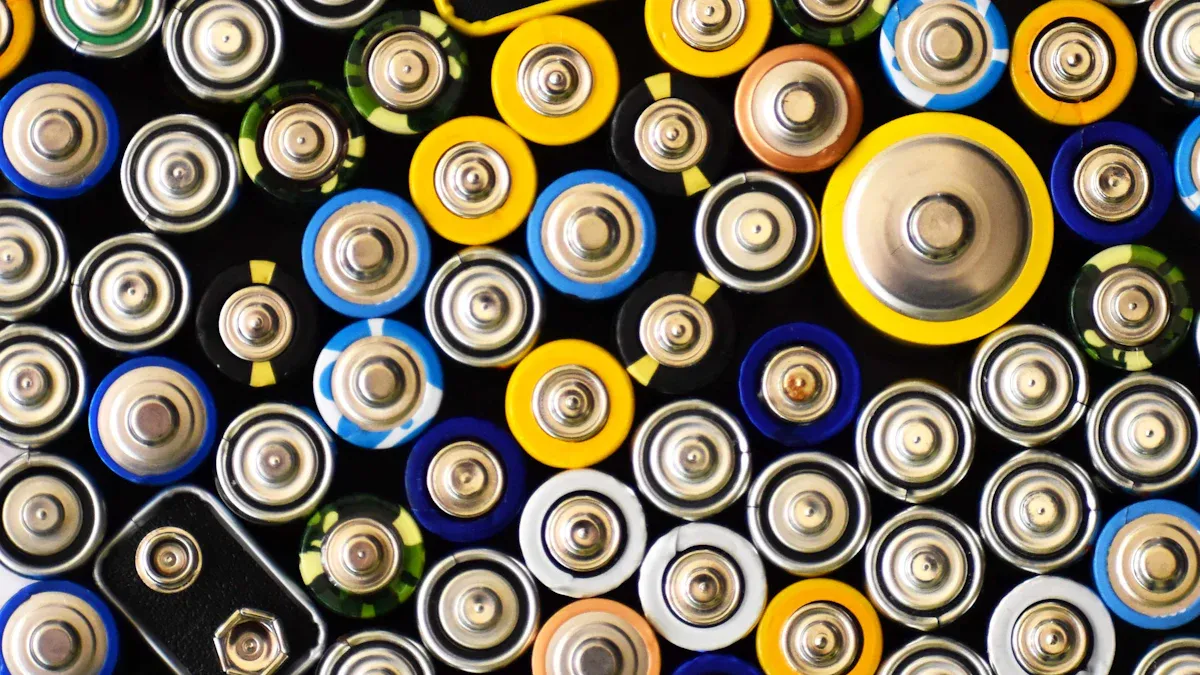
Enhancing Product Safety
When you follow ul standards, lithium ion batteries get safer. You lower the chance of overheating, leaking, or fire. This helps keep people and devices safe. Medical devices use ul 1642 and ul 2054 certification. These rules help protect patients and make devices work well. Strong safety tests are needed for batteries in life-support equipment. This lowers the risk of battery problems.
- Testing batteries helps medical devices work well.
- ul 1642 and ul 2054 are important for battery safety.
- You lower dangers like overheating and leaking in batteries.
- You help keep people safe who use life-support devices.
Facilitating US Market Entry
You need ul certification to sell lithium-ion batteries in the US. This shows your batteries follow safety rules. Buyers and partners trust your products more. It also helps you get approval faster. The table below shows how ul standards help you sell in the US:
| UL Standard | Description of Requirements | Impact on Market Entry |
|---|---|---|
| UL1642 | Safety rules for lithium batteries. | Needed to follow US safety laws. |
| UL2054 | High safety needs for battery systems. | Helps buyers trust and accept your product. |
| UL62133 | Matches IEC rules for safety. | Makes it easier to sell in the US. |
You must have ul 1642 and ul 2054 certification for lithium-ion batteries. This helps you meet US safety rules and sell your products.
Adapting to Regulatory Changes
You need to watch for new rules about lithium-ion battery safety. The US and Canada are making changes. Health Canada wants new safety rules for these batteries. These rules may need third-party checks and ul standards. New rules will help stop overheating, fires, and thermal runaway. You should check for updates and change your safety plans.
- Health Canada wants new safety rules for lithium-ion batteries.
- You may need third-party checks with ul 1642 and ul 2054.
- New rules help stop overheating, fires, and thermal runaway.
- You need to update your safety steps for lithium-ion batteries.
Tip: Check for new safety rules every year. This keeps your lithium-ion batteries safe and ready for the US market.
You can get UL certification for lithium batteries if you do these things:
- Start planning for safety rules as soon as you can.
- Write down your design ideas and test results in a simple way.
- Use labs that are certified so your tests are correct.
- Look for new rules about lithium standards every year.
If you stay ready and check often, you can meet all safety goals and sell your batteries in the US without worry.
FAQ
What is UL certification for lithium-ion batteries?
UL certification means your lithium-ion batteries meet strict safety rules. You show that your products pass tests for fire, explosion, and overheating. This helps you sell batteries in the US and build trust with buyers.
How do you start the UL testing process?
You begin by choosing a certified lab. You send your battery design and samples for testing. The lab checks your batteries using safety tests. You get a report that shows if your batteries meet UL standards.
Why do you need UL for battery packs?
You need UL for battery packs to prove they are safe. This protects users from fire or injury. UL certification helps you follow US laws and makes it easier to sell your products.
How long does UL certification take?
You usually wait 10 to 12 weeks for UL certification. Planning early helps you avoid delays. You should prepare your documents and test samples before you start.
What happens if your battery fails UL tests?
If your battery fails, you must fix the problem. You change the design or improve safety features. You test again until your battery passes. This helps you avoid recalls and legal issues.
-

 May.2026.09.24Optimal Li-Polymer Battery Charge Voltage ExplainedLearn More
 -
 May.2026.09.24Optimal LiFePO4 Charge Voltage Explained: 12V, 24V and 48VLearn More
 -
 May.2026.09.22Can All Lithium Batteries Be Recharged?Learn More
 -
 May.2026.09.21UN3480 vs UN3481: Lithium-Ion Battery Shipping GuideLearn More
 -
 May.2026.09.2121700 Battery Specifications: Capacity, Size, Voltage, and UsesLearn More