



Introduction
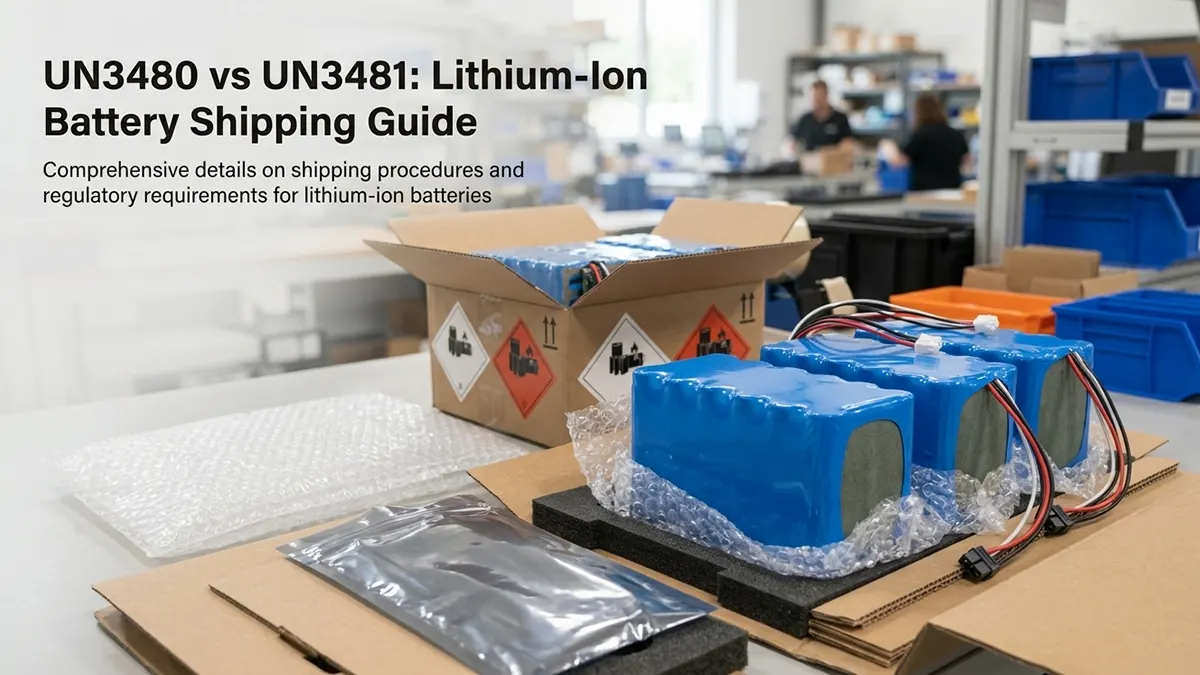
When I work with customers preparing lithium-ion battery shipments, one of the most common questions is surprisingly simple: Should the shipment be classified as UN3480 or UN3481?
The answer depends primarily on how the lithium-ion battery is presented for transportation.
UN3480 refers to lithium-ion cells or batteries shipped by themselves, without the equipment they are intended to power. UN3481 applies when lithium-ion cells or batteries are shipped either packed with equipment or contained in equipment. This distinction affects packaging, labeling, documentation, aircraft restrictions, and the applicable packing instruction.
This difference is important for OEM battery manufacturers, electronics companies, distributors, freight forwarders, and engineering teams. A battery pack that is correctly designed electrically can still require different shipping treatment depending on whether it is shipped as a standalone battery or together with its end-use equipment.
In this guide, I will explain the practical difference between UN3480 and UN3481, the major 2026 air-shipping requirements, common packaging considerations, and the information I recommend confirming before a lithium-ion battery shipment leaves the factory.
UN3480 is generally used for lithium-ion batteries shipped alone, while UN3481 is used when lithium-ion batteries are packed with or contained in the equipment they power. For air transportation, UN3480 is subject to particularly strict requirements, including a 30% state-of-charge limit under the applicable IATA provisions and a prohibition on transport as cargo aboard passenger aircraft. For UN3481, the applicable requirements depend on whether the battery is packed with equipment under PI 966 or contained in equipment under PI 967.
UN3480 vs UN3481: What Is the Difference?
The simplest way to understand the two UN numbers is to look at the battery's relationship with the equipment.
| Item | UN3480 | UN3481 |
|---|---|---|
| Battery type | Lithium-ion | Lithium-ion |
| Typical configuration | Battery shipped by itself | Battery packed with or contained in equipment |
| Example | Custom battery pack shipped to an OEM | Battery installed in a medical device |
| Equipment included | No | Yes |
| Main air packing instruction | PI 965 | PI 966 or PI 967 |
| 2026 SoC treatment | Generally ≤30% of rated capacity for air transport | PI 966: specific 30% rules apply; PI 967: reduced SoC is strongly recommended but not universally mandatory |
| Passenger aircraft cargo | Forbidden as cargo unless applicable approval applies | Different provisions apply depending on PI 966 or PI 967 and the applicable section |
| Important energy thresholds | 20 Wh per cell / 100 Wh per battery are key thresholds under the IATA classification flowchart | 20 Wh per cell / 100 Wh per battery help determine the applicable section under PI 966 or PI 967 |
| Hazard class | Class 9 when subject to dangerous-goods regulation | Class 9 when subject to dangerous-goods regulation |
The U.S. PHMSA lithium battery guide separates these configurations into different shipping guides for UN3480 and UN3481, with additional distinctions based on battery size and configuration.
Its current guide identifies separate provisions for UN3480 and UN3481 depending on the applicable battery configuration and transportation requirements.
For air transportation, the 2026 IATA guidance further separates lithium-ion batteries into PI 965 for UN3480, PI 966 for batteries packed with equipment, and PI 967 for batteries contained in equipment. :contentReference[oaicite:1]{index=1}
What Does UN3480 Mean?
UN3480 is the UN identification number used for lithium-ion cells and batteries shipped by themselves. The U.S. Pipeline and Hazardous Materials Safety Administration (PHMSA) provides a detailed Lithium Battery Guide for Shippers covering lithium battery configurations, packaging, hazard communication, and transportation requirements.
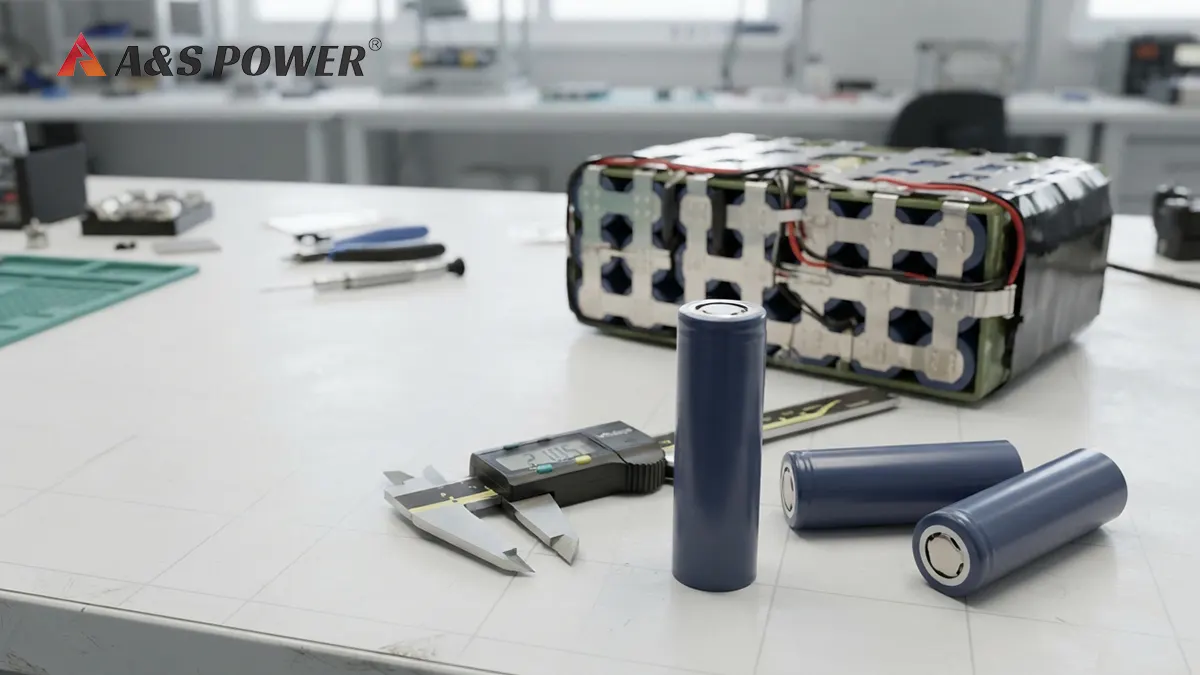
This includes rechargeable lithium-ion battery packs and lithium-ion cells that are not installed in the equipment they are intended to power.
For example, if I manufacture a custom 14.8V lithium-ion battery pack for a medical device manufacturer and ship the battery packs separately to the customer's assembly facility, the shipment would generally fall under UN3480.
PHMSA has also addressed power-bank classification in its interpretation on power banks. IATA's 2026 guidance similarly states that power banks and similar power packs primarily designed to provide power to another device are classified as batteries rather than batteries contained in equipment. :contentReference[oaicite:2]{index=2}
UN3480 Air Shipping Requirements
UN3480 receives particularly strict treatment when transported by air.
Under the 2026 IATA lithium battery guidance, lithium-ion cells and batteries shipped by themselves under UN3480 are forbidden as cargo on passenger aircraft.
In addition, UN3480 batteries shipped by air generally must be offered for transportation at a state of charge (SoC) not exceeding 30% of rated capacity, unless the applicable regulatory approval is obtained.
The 2026 IATA classification flowchart also separates UN3480 into PI 965 Section IA and Section IB according to the relevant cell and battery watt-hour thresholds. :contentReference[oaicite:3]{index=3}
This requirement is one reason why I recommend that battery manufacturers confirm the intended transport mode before production and packaging are finalized.
A battery shipment prepared for ocean or road transportation cannot simply be assumed to meet the requirements for international air transportation.
What Does UN3481 Mean?
UN3481 covers lithium-ion cells and batteries that are:
- Packed with equipment, or
- Contained in equipment.
The distinction between these two situations is important because they use different IATA packing instructions.
Lithium-Ion Battery Contained in Equipment
A battery is "contained in equipment" when the battery is installed in the device and is intended to power that device.
Examples include:
- Laptop computers
- Medical monitoring equipment
- GPS devices
- Portable industrial instruments
- Electronic measuring equipment
- Wireless communication equipment
For example, if a custom rechargeable battery is installed inside a medical monitoring device before the finished product is shipped, the lithium-ion battery portion generally falls under the UN3481 contained-in-equipment framework.
Lithium-Ion Battery Packed with Equipment
A battery is "packed with equipment" when the battery and the equipment are shipped together but the battery is not installed in the equipment.
For example, an electronic device may be packed in the same outer package as a spare battery intended to power that device.
IATA uses Packing Instruction 966 for lithium-ion batteries packed with equipment and Packing Instruction 967 for lithium-ion batteries contained in equipment. :contentReference[oaicite:4]{index=4}
2026 Air Shipping: PI 965, PI 966 and PI 967
One of the most important updates for a current UN3480 vs UN3481 guide is the 2026 treatment of state of charge for lithium-ion batteries shipped with or contained in equipment.
The applicable packing instruction depends on the transportation configuration:
| Shipping configuration | UN number | IATA packing instruction | 2026 SoC treatment |
|---|---|---|---|
| Battery shipped by itself | UN3480 | PI 965 | Generally ≤30% SoC. Above 30% requires the applicable State approvals. |
| Battery packed with equipment | UN3481 | PI 966 | Section I: ≤30% SoC. Section II: cells/batteries above 2.7 Wh must be ≤30% SoC. |
| Battery contained in equipment | UN3481 | PI 967 | ≤30% SoC or indicated battery capacity ≤25% is strongly recommended; reduced SoC is not universally mandatory. |
For PI 966, the 2026 IATA guidance specifies that Section I lithium-ion cells and batteries must be offered at a state of charge not exceeding 30% of rated capacity unless the applicable approvals are obtained. For Section II, lithium-ion cells and batteries with a watt-hour rating in excess of 2.7 Wh are subject to the 30% SoC requirement. :contentReference[oaicite:5]{index=5}
For PI 967, which applies to lithium-ion batteries contained in equipment, IATA recommends either a state of charge not exceeding 30% of rated capacity or an indicated battery capacity not exceeding 25%. IATA specifically states that reduced SoC is not mandatory for these items, although it is strongly recommended as a transport safety measure. :contentReference[oaicite:6]{index=6}
Important: The 30% SoC rule should not be copied mechanically across every UN3481 shipment. For a battery packed with equipment, check PI 966 and the applicable section. For a battery contained in equipment, check PI 967. The classification, battery energy, packaging arrangement, transport mode, and applicable regulatory provisions all need to be considered together.
UN3480 vs UN3481: Why the Difference Matters
From my experience working with custom battery projects, the most important point is that the UN number should be determined from the actual shipping configuration, not simply from the battery's voltage, capacity, or chemistry.
A 3.7V 2,000mAh lithium-ion battery can be UN3480 in one shipment and fall under UN3481 when shipped as part of an appropriate equipment configuration.
The battery itself has not changed. The transportation configuration has changed.
This is why I recommend documenting the following information before arranging shipment:
- Battery chemistry
- Cell or battery configuration
- Rated capacity
- Watt-hours
- Number of cells
- Number of batteries
- Battery weight
- State of charge
- Whether the battery is installed in equipment
- Whether the battery is packed with equipment
- Transport mode
- Destination country
- Applicable carrier requirements
How to Calculate Lithium-Ion Battery Watt-Hours
Watt-hour rating is important because it helps determine which provisions may apply under the IATA packing instructions.
For a lithium-ion cell or battery, the basic calculation is:
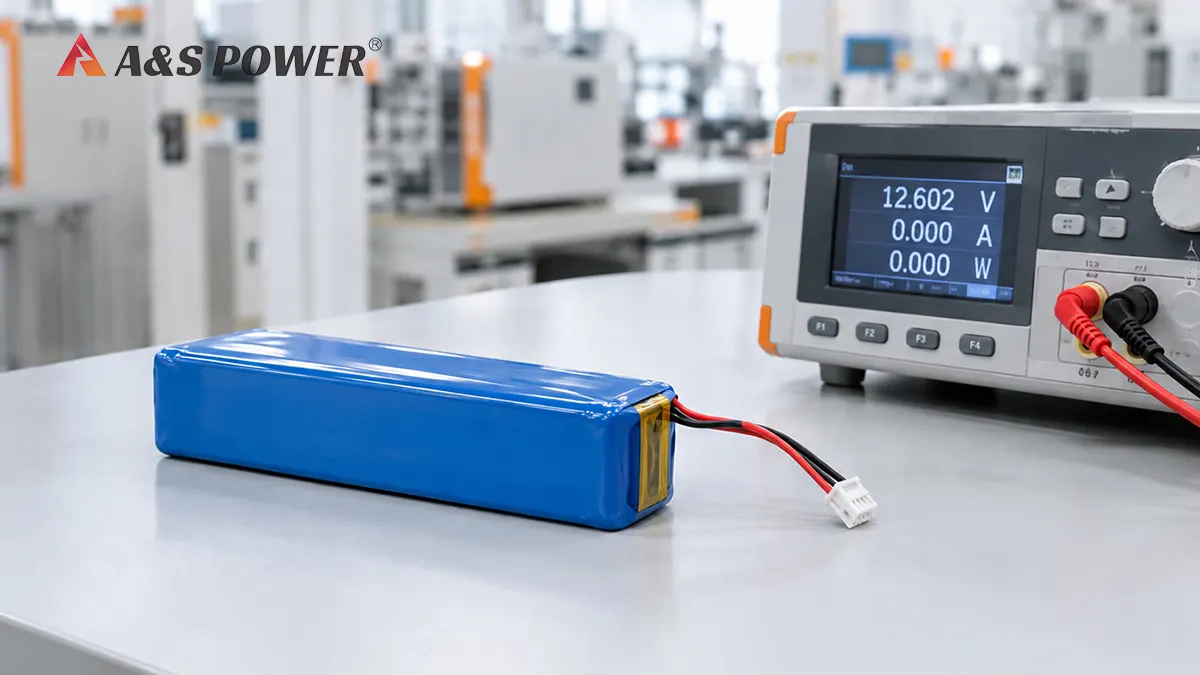
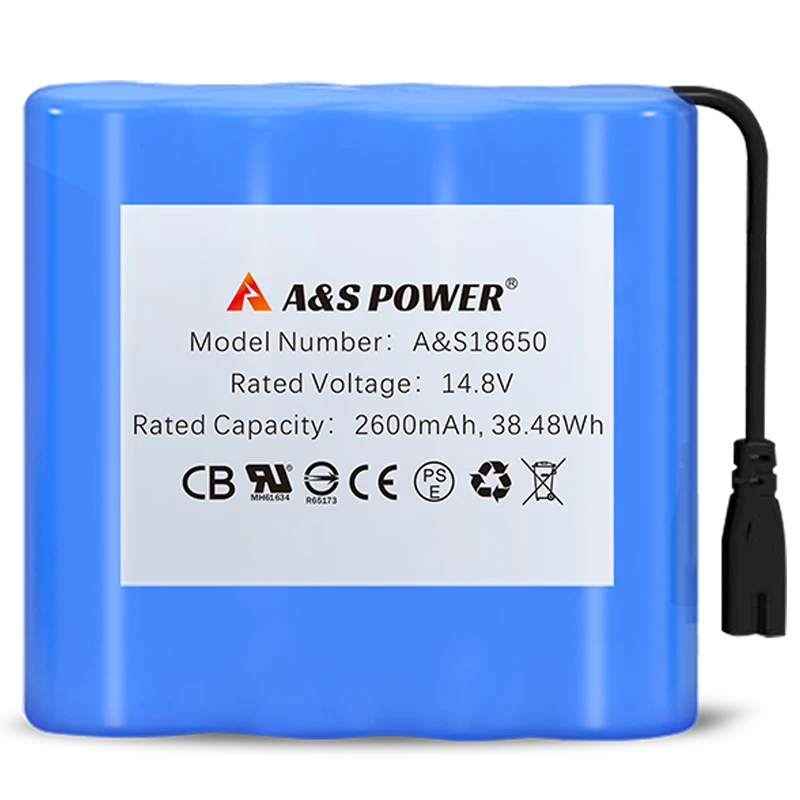
For example, a battery rated at 14.8V and 2.6Ah has a nominal energy rating of:
For batteries built from multiple cells, the calculation should use the rated capacity and nominal voltage of the finished battery configuration rather than simply adding the voltage and capacity values of individual cells incorrectly.
The 2026 IATA classification flowchart uses 20 Wh per cell and 100 Wh per battery as important thresholds when determining the applicable section of PI 965, PI 966, or PI 967. PI 966 Section II also has a specific 2.7 Wh threshold for the 2026 reduced-SoC requirement. :contentReference[oaicite:7]{index=7}
For OEM battery development, I therefore recommend calculating and documenting the Wh rating before the shipping configuration is finalized.
Lithium-Ion Battery Packaging Requirements
Regardless of whether a shipment is UN3480 or UN3481, protection against short circuit and accidental damage is fundamental.
Battery terminals should be protected so that the cells or battery cannot come into contact with conductive materials during transportation.
The package also needs to prevent movement that could damage the battery or cause an unsafe condition.
For regulated air shipments, the applicable IATA Packing Instruction determines the specific packaging requirements.
For UN3481 shipments, the packaging arrangement also needs to account for the relationship between the battery and the equipment.
Different packing instructions can impose requirements relating to outer packaging, quantity, weight, package performance, marks, labels, and documentation.
From an engineering perspective, I also recommend considering mechanical protection during the battery design stage rather than treating shipping protection as an afterthought.
Lithium Battery Marking and Labeling
Correct classification does not automatically mean that every shipment uses the same markings.
Depending on the applicable regulation, packing instruction, battery size, and transport mode, a shipment may require a lithium battery mark, Class 9 lithium battery label, Cargo Aircraft Only label, shipping documentation, or other dangerous-goods information.
For example, the 2026 IATA guidance states that packages prepared under PI 965 Sections IA and IB must bear a Cargo Aircraft Only label in addition to other required marks and labels. :contentReference[oaicite:8]{index=8}
For fully regulated air shipments, additional dangerous-goods labels and documentation can apply.
Therefore, I do not recommend choosing a label simply because the battery is "lithium-ion." The correct marking should be determined from the complete shipping scenario.
UN3480 and UN3481: State of Charge Requirements
State of charge, or SoC, is one of the most important current air-shipping considerations.
The 2026 IATA lithium battery guidance states that lithium-ion batteries shipped by themselves under PI 965 must generally be offered for air transport at a state of charge not exceeding 30% of rated capacity. Cells or batteries above 30% may only be shipped under the applicable approval provisions. :contentReference[oaicite:9]{index=9}
For UN3481 packed with equipment under PI 966, the 2026 rules are more specific. Section I requires ≤30% SoC, while Section II requires lithium-ion cells and batteries with a watt-hour rating above 2.7 Wh to be offered at ≤30% SoC. Above 30%, the applicable Section I provisions and approvals apply. :contentReference[oaicite:10]{index=10}
For UN3481 contained in equipment under PI 967, IATA recommends either ≤30% SoC or an indicated battery capacity of ≤25%. However, IATA explicitly notes that reduced SoC is not mandatory for these items. :contentReference[oaicite:11]{index=11}
For that reason, logistics teams should avoid applying the UN3480 30% rule mechanically to every lithium battery product. The classification and packing instruction should be confirmed first.
UN38.3 Testing: A Basic Shipping Requirement
Lithium-ion cells and batteries intended for transportation must meet applicable lithium battery testing requirements.
UN 38.3 testing addresses the safety of lithium cells and batteries under transportation-related test conditions.
For manufacturers, the UN 38.3 test summary is an important document to maintain and make available as required.
A&S Power also maintains a range of battery certification records, including UN38.3, UL2054, UL1642, CE, CB, KC, CCC and other certification information for applicable battery products.
IATA's 2026 guidance states that manufacturers and subsequent distributors must make the applicable lithium battery test summary available, subject to the stated exceptions. :contentReference[oaicite:12]{index=12}
A battery manufacturer's shipping documentation should therefore be connected to the actual battery model being shipped rather than relying on a generic document from another product.
This becomes especially important for OEM battery packs because changes to cell type, configuration, capacity, protection circuitry, or other construction details may affect the applicable test and compliance documentation.
What About 35 kg?
The 35 kg figure is often mentioned in lithium battery shipping discussions, but it should not be interpreted as a universal weight limit for every lithium battery shipment.
Under the 2026 IATA classification flowchart, for example, UN3480 PI 965 Section IA has a 35 kg cargo-aircraft limit per package, while PI 965 Section IB has a 10 kg cargo-aircraft limit. UN3481 PI 966 and PI 967 Section I show a 35 kg cargo-aircraft limit, while Section II shows a 5 kg limit. :contentReference[oaicite:13]{index=13}
These figures demonstrate why the 35 kg number cannot be used as a universal lithium battery carton limit.
The exact rule depends on the transportation mode, applicable jurisdiction, packing instruction, battery configuration, and regulatory provision.
This is another reason why simply asking "How many kilograms of batteries can I put in one carton?" is not enough to determine compliance.
Common UN3480 and UN3481 Shipping Mistakes
In practical battery projects, I see several recurring mistakes.
1. Treating UN3480 and UN3481 as battery chemistry classifications
They are not different lithium-ion chemistries.
The distinction is primarily based on how the battery is presented for transportation.
2. Assuming every lithium-ion battery can be shipped by passenger aircraft
This is incorrect for standalone UN3480 batteries.
The 2026 IATA guidance explicitly prohibits UN3480 lithium-ion batteries from being transported as cargo on passenger aircraft. :contentReference[oaicite:14]{index=14}
3. Applying the 30% SoC rule to every UN3481 shipment
This can also be misleading. PI 966 has specific 2026 SoC requirements, while PI 967 treats reduced SoC as a strong recommendation rather than a universal mandatory requirement.
4. Ignoring the transport mode
Road, sea, rail, and air transportation can involve different requirements.
5. Using a generic battery label
The applicable marking and labeling depend on the shipping configuration and regulatory requirements.
6. Waiting until shipment day to check compliance
For OEM projects, shipping requirements should ideally be reviewed during the battery development and sample stage.
A Practical UN3480 vs UN3481 Decision Process
I use a simple decision process when reviewing a battery shipment:
If yes, continue.
If yes, the shipment is generally considered UN3480 / PI 965 for air transportation.
If yes, it is generally UN3481 / PI 967 — contained in equipment.
If yes, it may be UN3481 / PI 966 — packed with equipment.
Air transportation requires particular attention to the applicable IATA requirements.
Check the applicable cell and battery energy thresholds, including the 2.7 Wh threshold relevant to PI 966 Section II.
This process does not replace a dangerous-goods assessment, but it provides a practical starting point for OEM shipping discussions.
How Battery Manufacturers Can Reduce Shipping Problems
From the battery manufacturer's side, I recommend preparing compliance information before the customer's purchase order reaches the shipping department.
For each battery model, the technical file should ideally contain:
- Cell chemistry
- Nominal voltage
- Rated capacity
- Watt-hour rating
- Cell configuration
- Battery dimensions
- Battery net weight
- UN38.3 information
- Test summary availability
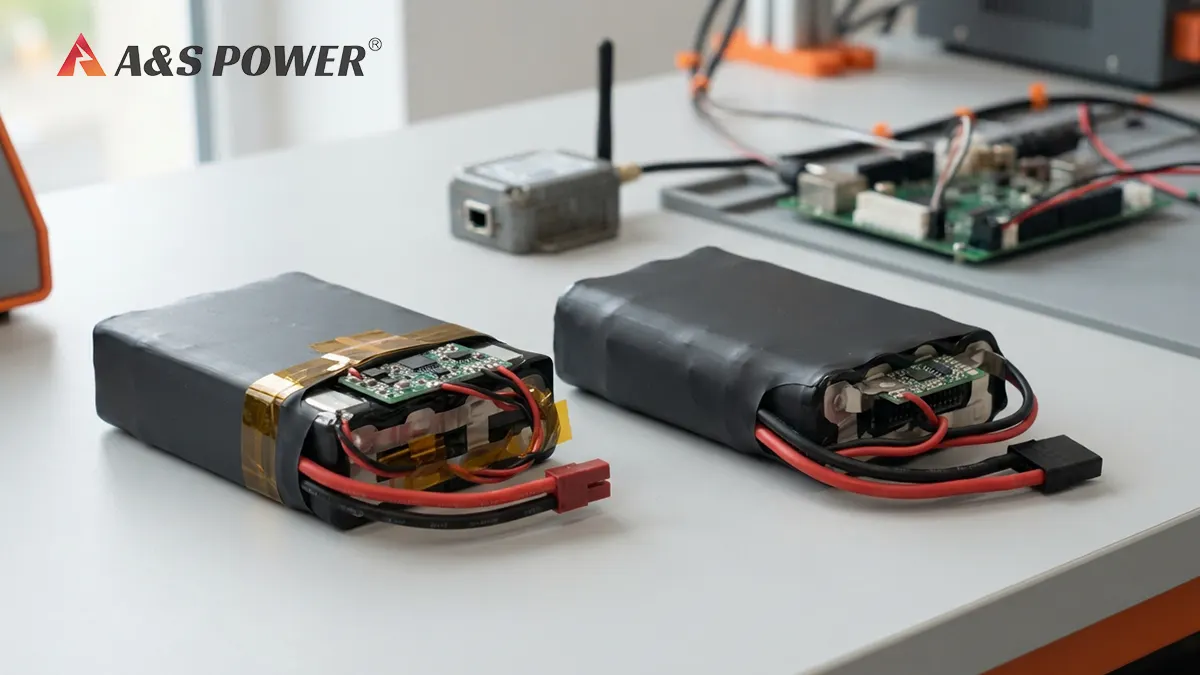
- Protection circuit information
- Applicable certifications
- Recommended shipping configuration
- Packaging information
For custom OEM battery packs, I also recommend confirming the customer's final application and logistics route before selecting the shipping configuration. This is particularly important when developing custom lithium ion battery packs, because the final battery configuration, equipment integration, protection requirements, and shipping route should be considered together.
At A&S Power, this is particularly relevant because custom lithium-ion, lithium-polymer, and LiFePO4 battery packs can be developed for different equipment and transportation requirements. Shipping compliance should be considered together with battery design, protection, certification, and production requirements rather than treated as a separate logistics issue.
UN3480 vs UN3481: Key Takeaways
The essential difference is straightforward:
UN3480 = lithium-ion batteries shipped by themselves.
UN3481 = lithium-ion batteries packed with or contained in equipment.
For air transportation, the corresponding IATA packing instructions are PI 965 for UN3480, PI 966 for UN3481 packed with equipment, and PI 967 for UN3481 contained in equipment.
However, the practical shipping requirements depend on more than the UN number. Transport mode, battery size, watt-hours, SoC, packaging configuration, applicable packing instruction, destination, and carrier requirements can all affect the shipment.
For international air transportation in 2026, UN3480 is particularly important because standalone lithium-ion batteries are prohibited as cargo on passenger aircraft and are generally subject to the 30% SoC requirement under PI 965.
For UN3481, the 2026 rules should be checked according to the actual configuration. PI 966 has specific 30% SoC requirements, including the 2.7 Wh threshold for Section II, while PI 967 recommends reduced SoC but does not make it universally mandatory. :contentReference[oaicite:15]{index=15}
For OEM battery buyers and product engineers, the best approach is to determine the intended shipping configuration early and provide accurate battery documentation to the logistics provider.
Conclusion
UN3480 and UN3481 are easy to confuse because both describe rechargeable lithium-ion batteries. The difference is not the basic lithium-ion chemistry but how the battery is shipped in relation to the equipment it powers.
A standalone battery shipment is generally UN3480, while a lithium-ion battery packed with or contained in equipment is generally UN3481.
For air transportation, the distinction also determines which IATA packing instruction applies: PI 965 for UN3480, PI 966 for batteries packed with equipment, and PI 967 for batteries contained in equipment.
The 2026 requirements make this distinction even more important because reduced state-of-charge requirements now specifically apply to PI 966 configurations, while PI 967 has a strong reduced-SoC recommendation rather than a universal mandatory requirement. :contentReference[oaicite:16]{index=16}
As a battery manufacturer, I recommend treating shipping compliance as part of the battery engineering process. Confirming the battery configuration, Wh rating, UN38.3 documentation, packaging, SoC, transport mode, and destination requirements early can help prevent avoidable shipment delays and rework.
For an OEM project, the most reliable approach is to review the actual battery configuration and transportation route with the responsible dangerous-goods or logistics specialist before shipment.
Frequently Asked Questions
Is UN3480 the same as a lithium-ion battery?
UN3480 is the UN identification number used for lithium-ion cells and batteries shipped by themselves. It is not a separate battery chemistry.
What is the difference between UN3480 and UN3481?
UN3480 generally applies to lithium-ion batteries shipped separately from equipment. UN3481 applies when lithium-ion batteries are packed with equipment or contained inside equipment.
What are PI 965, PI 966 and PI 967?
PI 965 applies to UN3480 lithium-ion batteries shipped by themselves. PI 966 applies to UN3481 lithium-ion batteries packed with equipment. PI 967 applies to UN3481 lithium-ion batteries contained in equipment.
Can UN3480 lithium-ion batteries be shipped on passenger aircraft?
No. Under the 2026 IATA guidance, lithium-ion cells and batteries shipped by themselves under UN3480 are forbidden as cargo on passenger aircraft unless the applicable approval provisions are used.
What is the 30% SoC rule for lithium-ion batteries?
For PI 965, UN3480 lithium-ion cells and batteries must generally be offered for air transport at a state of charge no greater than 30% of rated capacity unless the applicable approval provisions are used. Under PI 966, the 2026 rules also require ≤30% SoC for Section I and for cells or batteries above 2.7 Wh in Section II. PI 967 has a strong reduced-SoC recommendation rather than a universal mandatory requirement.
Is a power bank UN3480 or UN3481?
Under the 2026 IATA guidance, power banks and similar power packs primarily designed to provide power to another device are classified as batteries and assigned to UN3480 for lithium-ion batteries. :contentReference[oaicite:17]{index=17}
Does UN3481 always mean the battery is installed in equipment?
No. UN3481 covers lithium-ion batteries both contained in equipment and packed with equipment. The applicable IATA packing instruction differs between these configurations.
Does every lithium-ion battery shipment require the same label?
No. Marking and labeling requirements depend on the applicable transport regulations, packing instruction, battery configuration, quantity, and mode of transportation. Always confirm the requirements for the actual shipment rather than using a generic label.
Should an OEM battery manufacturer provide UN38.3 documentation?
The applicable transportation regulations require lithium batteries to meet relevant transport safety testing requirements. Maintaining the appropriate UN38.3 test documentation and test summary information is therefore an important part of an OEM battery compliance file.