




18650 vs 21700 Batteries for Medical Equipment: Complete Design Guide
Quick Answer:
For most portable medical equipment, 21700 batteries provide higher energy density, longer runtime, and fewer cells per battery pack compared to 18650 batteries. However, 18650 cells remain widely used in medical devices because of their mature supply chain, compact size, lower thermal concentration, and broader compatibility with existing medical battery pack designs.
Medical device manufacturers often choose 18650 batteries for compact portable equipment and choose 21700 batteries for high-capacity applications requiring longer operating time and improved energy efficiency.
As portable medical devices continue evolving toward smaller, lighter, and longer-lasting designs, selecting the correct lithium-ion battery cell becomes increasingly important. Two of the most commonly used cylindrical lithium-ion battery formats in medical equipment are the 18650 battery and the 21700 battery.
Although both battery types use similar lithium-ion chemistry, they differ significantly in capacity, thermal behavior, energy density, mechanical design flexibility, and battery pack architecture. These differences directly affect the performance, safety, runtime, and portability of medical devices.
This guide explains the key differences between 18650 and 21700 batteries for medical equipment and helps OEM medical device manufacturers choose the right solution for their applications.
What Is an 18650 Battery?
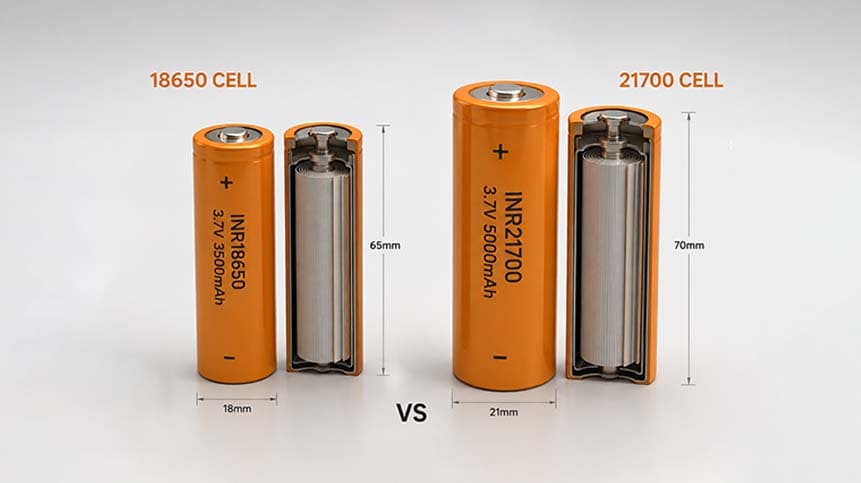
An 18650 battery is a rechargeable cylindrical lithium-ion cell measuring approximately 18mm in diameter and 65mm in length. It is one of the most widely used lithium-ion battery formats in portable electronics and medical battery packs.
18650 batteries are commonly used in:
- Portable patient monitors
- Infusion pumps
- Portable ultrasound systems
- Medical carts
- ECG monitors
- Wearable medical devices
What Is a 21700 Battery?
A 21700 battery is a larger cylindrical lithium-ion rechargeable cell measuring approximately 21mm in diameter and 70mm in length. Compared with 18650 cells, 21700 batteries offer higher capacity and improved energy density.
21700 cells are increasingly used in:
- High-capacity medical equipment
- Portable diagnostic systems
- Mobile imaging devices
- Emergency medical equipment
- Battery-powered surgical systems
18650 vs 21700 Battery Size Comparison
| Specification | 18650 Battery | 21700 Battery |
|---|---|---|
| Diameter | 18 mm | 21 mm |
| Length | 65 mm | 70 mm |
| Typical Capacity | 2200–3500mAh | 4000–6000mAh |
| Energy Density | Medium to High | Higher |
| Pack Weight | Lighter | Slightly Heavier |
| Thermal Distribution | More Distributed | Higher Cell Concentration |
| Cycle Life | Excellent | Excellent |
| Cost | Lower | Slightly Higher |
Why 18650 Batteries Are Popular in Medical Devices
1. Proven Reliability
18650 batteries have been used in medical battery packs for many years. Their long-term performance history makes them highly trusted in regulated medical applications.
2. Easier Thermal Management
Because 18650 battery packs use more distributed smaller cells, heat generation is often easier to manage compared with larger high-density cells.
3. Better Design Flexibility
The smaller cylindrical size allows engineers to create compact and irregular battery pack structures suitable for handheld and wearable medical equipment.
4. Mature Global Supply Chain
18650 cells are widely available from multiple qualified manufacturers, helping reduce procurement risks for medical OEM projects.
Advantages of 21700 Batteries for Medical Equipment
1. Higher Energy Density
21700 batteries can store significantly more energy than 18650 batteries within a similar battery pack volume. This allows medical devices to achieve longer operating time.
2. Fewer Cells Required
Because each 21700 cell provides higher capacity, battery packs may require fewer cells overall. This simplifies battery pack architecture and reduces welding points.
3. Longer Runtime
Portable medical devices that require extended continuous operation benefit greatly from the larger capacity of 21700 batteries.
4. Improved Efficiency
In some applications, larger 21700 cells can reduce internal resistance and improve overall battery efficiency.
Safety Considerations for Medical Battery Packs
Safety is one of the most critical factors in medical battery pack design. Both 18650 and 21700 batteries can achieve excellent safety performance when combined with proper Battery Management Systems (BMS), thermal protection, and certified cell sourcing.
Medical battery packs commonly require:
- Overcharge protection
- Over-discharge protection
- Short-circuit protection
- Temperature monitoring
- Cell balancing
- Medical-grade insulation materials
Most medical battery projects also require compliance with standards such as:
- IEC 62133
- UL2054
- UN38.3
- IEC 60601 related standards
Which Battery Is Better for Portable Medical Equipment?
The answer depends on the specific medical application.
| Application Type | Recommended Battery |
|---|---|
| Wearable Medical Devices | 18650 |
| Portable ECG Monitor | 18650 |
| Portable Ultrasound Equipment | 21700 |
| Medical Cart Systems | 21700 |
| Compact Diagnostic Devices | 18650 |
| Long Runtime Portable Systems | 21700 |
OEM Custom Battery Pack Design Considerations
Medical device manufacturers should evaluate several factors when choosing between 18650 and 21700 batteries:
- Operating runtime requirements
- Medical device size limitations
- Heat dissipation design
- Target device weight
- Certification requirements
- Charging system compatibility
- Production cost targets
In many medical projects, custom lithium battery packs are designed specifically around the device’s mechanical structure and power consumption profile.
Future Trends in Medical Lithium Battery Technology
The medical battery industry continues moving toward higher energy density, improved safety, and longer cycle life. 21700 battery adoption is increasing in larger portable systems, while 18650 batteries remain highly relevant for compact medical electronics.
Future medical battery pack designs may also integrate:
- Smart battery communication systems
- AI-based battery monitoring
- Fast charging technology
- Higher energy-density lithium chemistries
- Ultra-lightweight pack structures
Conclusion
Both 18650 and 21700 lithium-ion battery offer excellent performance for medical equipment applications. 18650 batteries remain ideal for compact portable devices requiring flexible battery pack design and proven long-term reliability. Meanwhile, 21700 batteries provide superior capacity and runtime advantages for high-power medical systems.
Choosing the correct battery format depends on the medical device’s power requirements, physical size, runtime expectations, and certification goals. For OEM medical equipment manufacturers, custom battery pack engineering remains the most effective way to optimize both performance and safety.
FAQ
Are 21700 batteries safer than 18650 batteries?
Both battery types can achieve high safety performance when using certified cells and proper battery management systems. Safety depends more on pack design and protection circuitry than cell size alone.
Why are 18650 batteries still widely used in medical equipment?
18650 batteries have a long proven history, excellent supply chain stability, compact size, and strong compatibility with existing medical device designs.
Do 21700 batteries last longer than 18650 batteries?
21700 batteries usually provide longer runtime because they offer higher capacity per cell. However, actual operating time depends on device power consumption and battery pack configuration.
Which battery is better for portable ultrasound machines?
21700 batteries are often preferred for portable ultrasound equipment because they provide higher energy density and extended operating time.
What certifications are required for medical lithium battery packs?
Common certifications include IEC 62133, UL2054, UN38.3, and additional medical device standards depending on the target market and application.
-

 May.2026.09.17Meet A&S Power at KES 2026 in Seoul – Custom Lithium Battery SolutionsLearn More
 -
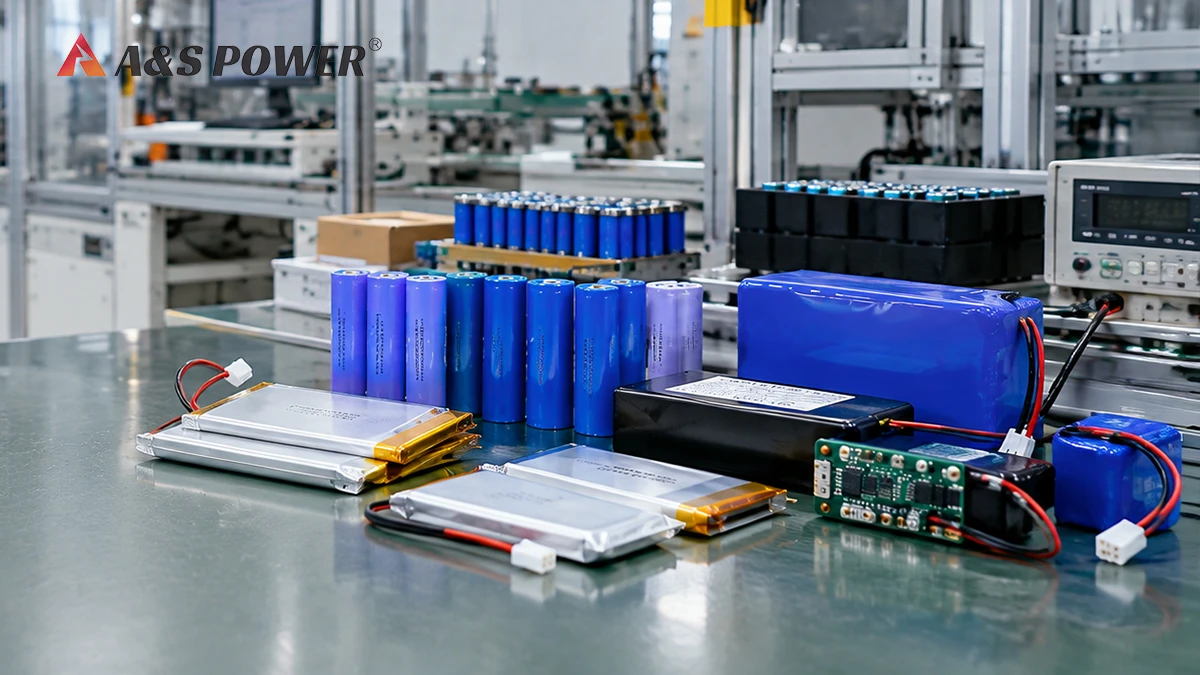 May.2026.09.16How to Choose a Custom Lithium Battery Manufacturer in China: A Buyer's GuideLearn More
 -
 May.2026.09.15Can VHR-4N Connectors Work With 14 AWG Battery Wires?Learn More
 -
 May.2026.09.14Who Pays UL Battery Certification Maintenance Fees?Learn More
 -
 May.2026.09.11PTC vs PCM: Why Use Both in Lithium Battery Protection?Learn More