



Written by A&S Power Technical Team | Battery Engineering & OEM Specialists
Published: September 8, 2026 · Updated: September 8, 2026
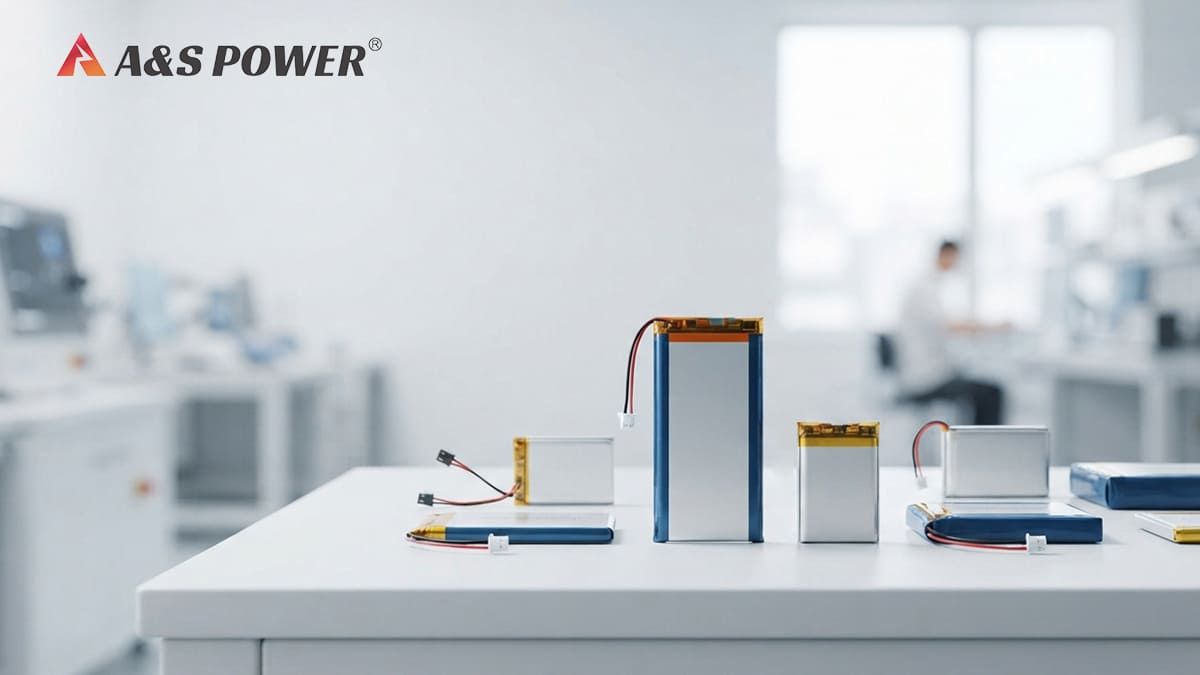 OEM Battery Manufacturing
When selecting a battery for an OEM product, long-term supply continuity can be just as important as voltage, capacity, dimensions, and price. This guide explains how the production lifecycle of a custom battery is managed and why customer demand plays an important role in long-term OEM battery supply.
Quick Answer
A custom battery does not necessarily follow the same product lifecycle as a standard catalog battery. For OEM projects, the production lifecycle of a customized battery is closely connected to the customer's product requirements and ongoing demand.
At A&S Power, when a battery is developed specifically for a customer's project, we treat it as part of that project's long-term supply program. As long as the customer continues to require the battery, we remain committed to supporting its production and supply.
This approach can help OEM customers reduce the risk of being forced into an unexpected battery replacement simply because a standard battery model has been discontinued.
However, long-term battery availability should never be evaluated based on one statement alone. OEM customers should also consider cell availability, component sourcing, production capability, quality control, engineering documentation, certification requirements, and communication about future changes.
Introduction
When an OEM selects a battery for a new product, the immediate questions are usually about voltage, capacity, dimensions, discharge performance, connector configuration, and price. But once the battery becomes part of a commercial product, another question becomes equally important:
"How long will you continue producing this battery?"
This concern is especially important for medical devices, industrial equipment, portable electronics, smart devices, GPS products, wearables, and other applications that may remain in production for several years. Replacing a battery after the product has already been designed and validated can involve much more than purchasing a different cell. It may require mechanical changes, electrical validation, firmware adjustments, reliability testing, regulatory review, certification work, inventory changes, or even redesign of the finished product.
At A&S Power, we regularly communicate with customers to understand the practical concerns they face when selecting and managing battery solutions. These conversations help us see the questions that matter beyond basic battery specifications. Long-term availability, production continuity, component changes, and supply stability are recurring concerns among OEM customers.
One customer recently raised a question that illustrates this concern very clearly: if they choose a customized battery for their project, how can they avoid moving to another battery only a short time later?
What We Learn From Customer Conversations
For battery manufacturers, customer feedback is valuable because it reveals risks that may not appear in a conventional battery specification sheet. A customer may not simply be asking whether a battery can be produced today. They may be asking whether the battery will still be supported after their product enters mass production.
This distinction is important. For an OEM, battery selection is often a long-term engineering decision. Once the battery is integrated into the product, changing it can affect purchasing, manufacturing, testing, certification, service, and after-sales support.
That is why we believe battery suppliers should discuss lifecycle and supply continuity with customers early in the project instead of treating these issues as something to consider only when a product is already in production.
Why OEM Customers Worry About Battery Obsolescence?
Battery technology continues to evolve, and manufacturers may change their product portfolios over time. Standard catalog batteries can be particularly vulnerable to product-line changes because manufacturers manage them according to broader market demand.
For an OEM, however, the consequences can be much larger.
Suppose a device has been designed around a specific battery. If that battery suddenly becomes unavailable, the manufacturer may need to:
- Find another battery with compatible dimensions
- Re-evaluate voltage and capacity
- Check charging compatibility
- Re-test the protection circuit
- Modify mechanical components
- Change the connector or cable
- Revalidate thermal performance
- Update technical documentation
- Repeat relevant safety or compliance testing
- Manage inventory of the previous battery
- Potentially redesign part of the finished product
The problem is therefore not simply the price of the replacement battery.
The real concern is not simply: "Will this battery be available next year?"
The more useful question is: "Can my battery supplier support this battery throughout the expected production life of my product?"
The real concern is the total cost and engineering risk associated with the replacement.
Battery supply-chain management is a recognized part of broader product lifecycle management because battery systems depend on multiple upstream components and suppliers.
How Is a Custom Battery Lifecycle Different?
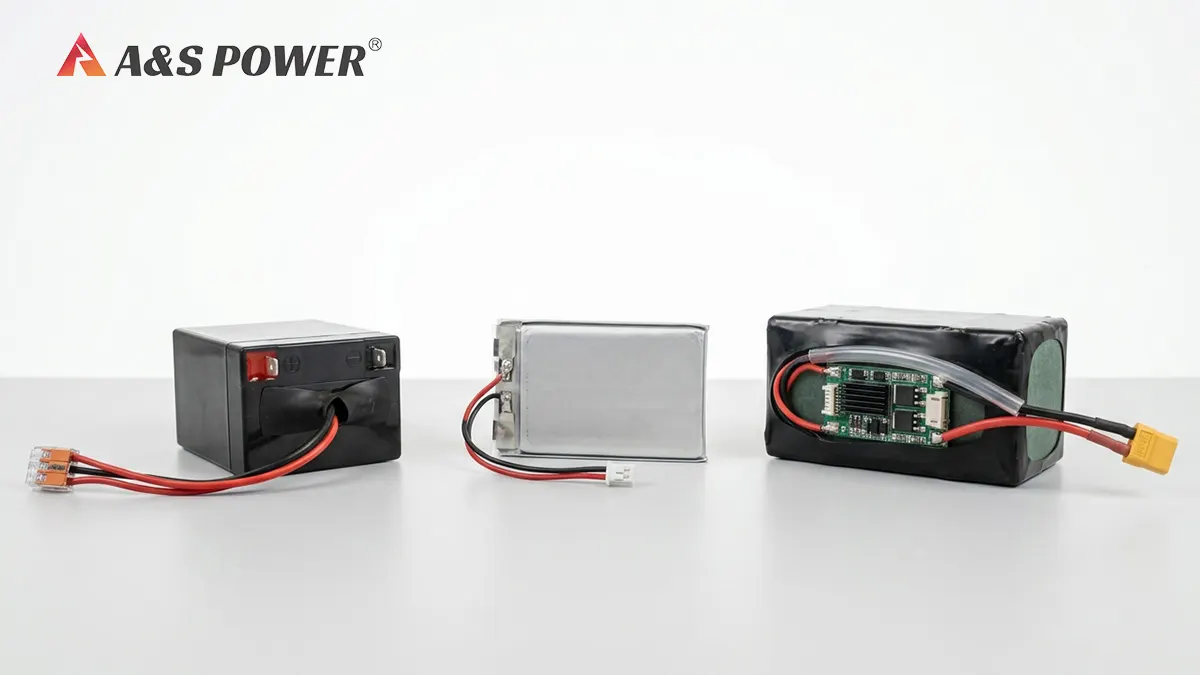
A custom OEM battery is developed around a specific customer's application rather than being designed primarily for general catalog sales.
The customization may involve:
- Battery dimensions
- Voltage
- Capacity
- Cell configuration
- Connector
- Cable length
- PCM or BMS
- Protection parameters
- Communication functions
- Packaging
- Operating temperature
- Charging requirements
- Certification requirements
For this reason, the battery becomes closely integrated with the customer's product.
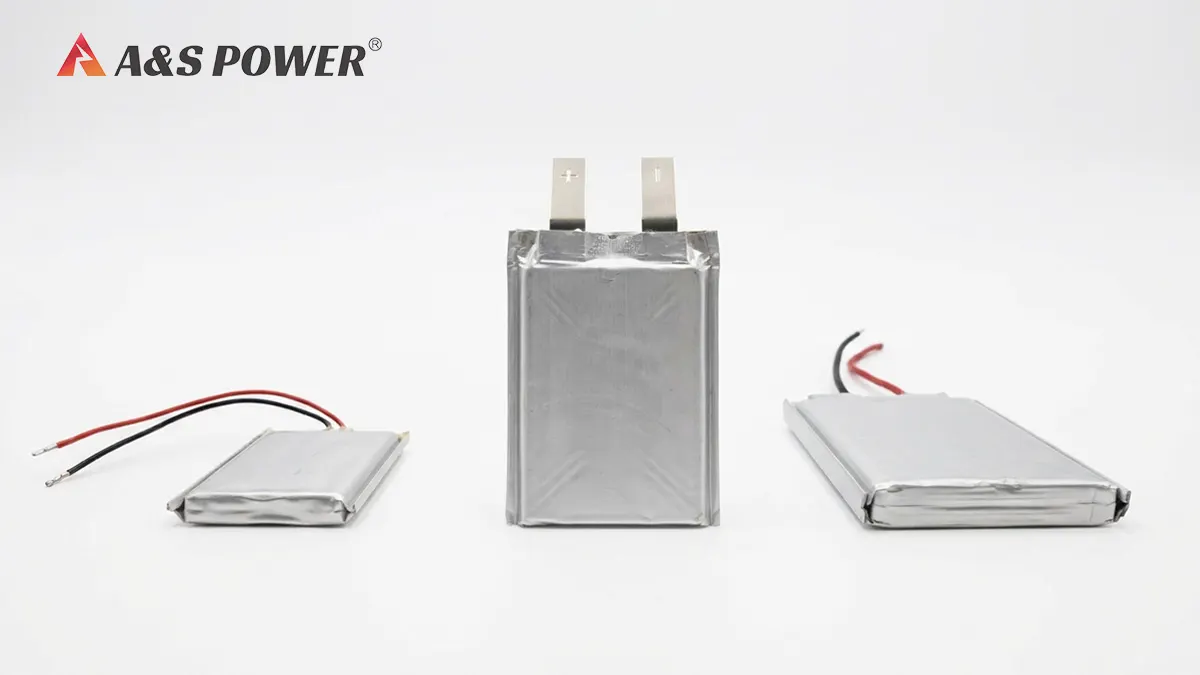
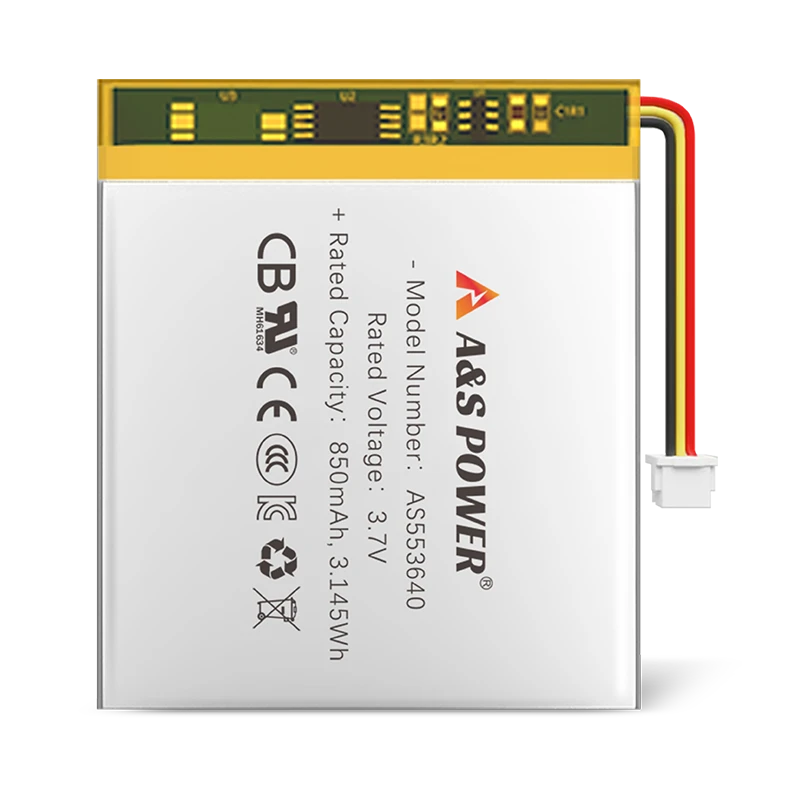
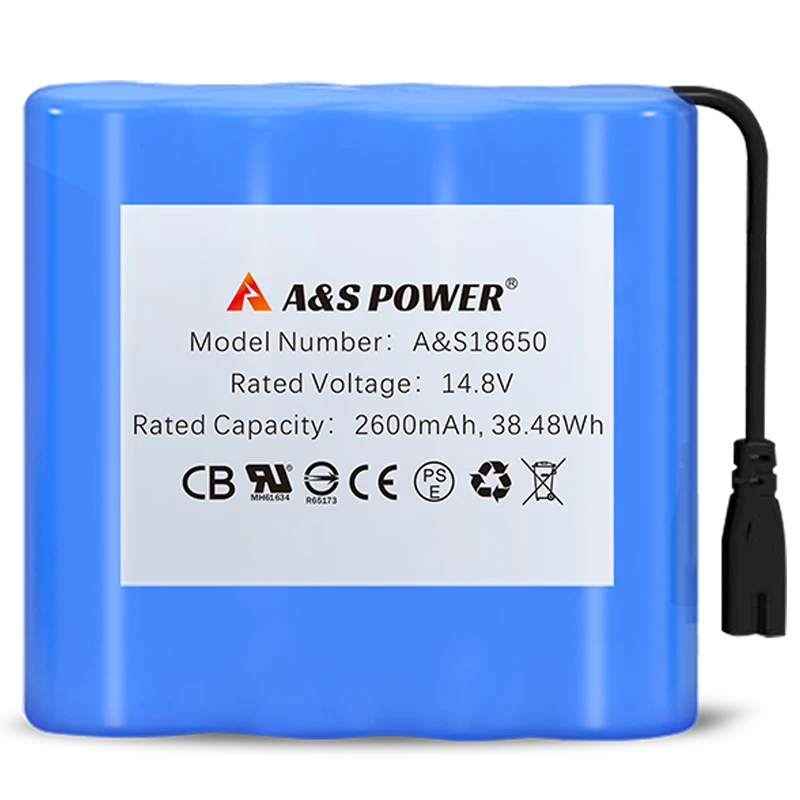
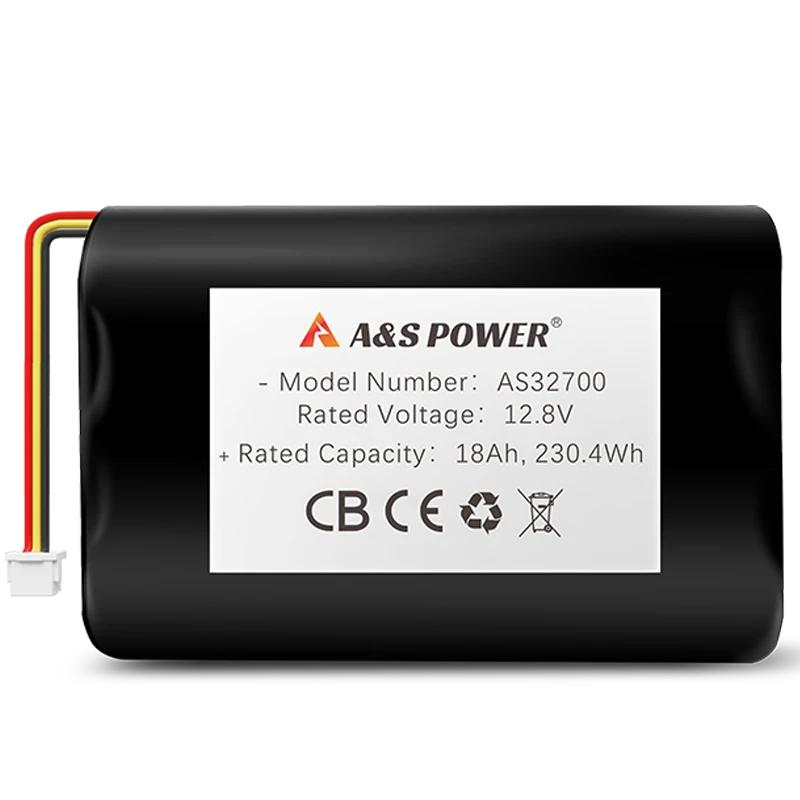
A&S Power provides customized lithium-ion and lithium polymer battery solutions covering electrical design, mechanical integration, connectors, cables, and protection systems.
Learn more about our custom battery solutions .
This creates an important difference in how the production relationship is managed.
A standard battery may be discontinued because the supplier changes its catalog.
A project-specific battery, by contrast, is produced because a customer has an ongoing application that requires it.
That means customer demand becomes an important driver of the battery's production lifecycle.
What Determines How Long a Custom Battery Remains Available?
There is no universal number of years that applies to every custom battery project.
Instead, long-term supply depends on several factors.
1. Customer Demand
This is one of the most important factors.
If a customer continues to manufacture and sell a product that requires a particular custom battery, there is a continuing commercial reason to maintain production and supply.
This is why we tell customers:
As long as the customer continues to have demand for the customized battery, A&S Power is committed to continuing production and supply.
The objective is not simply to sell the first production batch. The objective is to support the customer's product lifecycle.
2. Cell and Material Availability
A battery pack may contain multiple critical components, including cells, protection components, connectors, wires, PCBs, and other materials.
A change involving one upstream component can potentially affect the finished battery.
For this reason, a reliable OEM battery supplier needs to pay attention not only to final assembly but also to the broader supply chain.
3. Production Capability
Long-term supply also depends on whether the manufacturer has the engineering and manufacturing capabilities required to reproduce the approved design consistently.
For OEM customers, production continuity should therefore be evaluated together with:
- Manufacturing capability
- Quality management
- Engineering support
- Production documentation
- Material management
- Testing capability
- Change control
4. Product and Certification Requirements
If a battery is used in a regulated application, changing the battery may require additional evaluation.
A&S Power's certification portfolio includes UL2054, UL1642, CE, CB, UN38.3, CCC, KC, PSE, WERCS, BIS and other certification records for applicable products.
Visit our battery certification page to learn more about applicable certifications.
This is another reason why OEM customers should consider supply continuity before selecting a battery.
A battery change is potentially more complicated when the original battery is already part of a validated product configuration.
A Real Customer Question: Will You Continue Producing Our Battery?
This question comes directly from a real customer communication.
The customer's concern was straightforward:
"Have you had a chance to discuss with the manufacturer how long they intend to continue producing this battery? We would like to avoid transitioning to a battery that may need to be replaced in a short time."
This is a very reasonable question for an OEM customer.
The customer was not simply asking whether the battery was available today. They were asking whether choosing this battery would create another engineering problem in the near future.
Our response was:
"Please rest assured that since this is a customized battery for the customer's project, its lifecycle is entirely driven by the customer's demand. As long as the customer has the demand, we are fully committed to continuing production and supply."
This reflects an important principle of custom battery manufacturing.
When a battery is developed specifically for an OEM project, the relationship is not based solely on a catalog number. The battery is connected to the customer's product, specifications, forecast, and ongoing requirements.
Therefore, continued customer demand is a key factor in maintaining production.
Custom Battery vs. Standard Battery: Supply Lifecycle
| Factor | Standard Battery | Custom OEM Battery |
|---|---|---|
| Primary purpose | General market applications | Specific customer application |
| Design | Predefined | Customer-specific |
| Dimensions | Standardized | Customizable |
| Connector | Usually fixed | Customizable |
| PCM/BMS | Standard configuration | Can be customized |
| Production driver | General market demand | Customer project demand |
| Replacement risk | Depends on catalog lifecycle | Managed around customer program |
| Engineering support | Usually limited | Long-term project support |
| Supply planning | Stock/catalog based | Project and forecast based |
| Product integration | Limited | High |
Neither approach is automatically better for every application.
A standard battery may be ideal when a product uses a common size and has a short development cycle.
A custom battery becomes more attractive when the battery is an important part of the product architecture and the OEM expects a longer product lifecycle.
A&S Power's previous comparison of custom and off-the-shelf batteries similarly emphasizes that the decision should consider development risk and total cost, not only the initial battery price.
How OEMs Can Reduce Long-Term Battery Replacement Risk
Choosing a battery supplier is an important part of product lifecycle planning.
Before starting mass production, I recommend OEM customers ask the following questions.
1. Is the battery standard or project-specific?
Understand whether you are buying a catalog product or a battery developed specifically for your application.
2. What is the expected product lifecycle?
Tell the supplier whether the finished product is expected to remain in production for two years, five years, ten years, or longer.
This gives the battery manufacturer a better basis for supply planning.
3. Can the manufacturer support repeat production?
Ask whether the supplier has experience supporting repeat OEM orders rather than only producing prototypes or one-time batches.
4. How are material changes handled?
A good supplier should have a process for managing important changes involving cells, materials, components, specifications, and production processes.
5. Can technical records be maintained?
Keep approved drawings, specifications, test results, battery samples, certification documents, and production records organized.
This makes future production and engineering review much easier.
6. Is there a communication process for potential supply changes?
For long-life products, communication is just as important as manufacturing capability.
The earlier an OEM knows about a potential supply issue, the more time it has to evaluate alternatives.
Why Long-Term OEM Battery Relationships Matter
For a custom battery manufacturer, the relationship does not end when the first production order is shipped.
The real challenge is maintaining consistent production over time.
A custom battery program may move through several stages:
Requirement → Design → Prototype → Testing → Validation → Certification → Mass Production → Repeat Supply
The later stages can continue for years depending on the customer's product lifecycle.
A&S Power's custom battery manufacturing process covers requirements, design, sampling, testing, confirmation, production, and delivery.
This project-oriented approach is particularly valuable for products where the battery is difficult to replace.
Examples include:
- Medical devices
- GPS trackers
- Wearable electronics
- Industrial equipment
- Security systems
- IoT products
- Consumer electronics
- Portable instruments
What Should an OEM Include in a Long-Term Battery Supply Plan?
A good supply plan should contain more than an annual purchase quantity.
Technical Information
- Battery model
- Voltage
- Capacity
- Dimensions
- Cell chemistry
- Maximum charge/discharge current
- Connector
- Cable specification
- PCM/BMS specification
Commercial Information
- Forecast annual demand
- Minimum order quantity
- Lead time
- Production schedule
- Safety stock requirements
Quality Information
- Approved sample
- Inspection criteria
- Test requirements
- Batch traceability
- Change-control expectations
Regulatory Information
- Applicable certifications
- Test reports
- Compliance documents
- Transportation requirements
This information creates a stronger foundation for maintaining battery supply throughout the product lifecycle.
Key Takeaways
- A custom battery's production lifecycle can be closely connected to the customer's product demand.
- OEM customers should evaluate battery supply continuity before mass production.
- Replacing a battery can involve more than simply purchasing a different cell.
- Mechanical, electrical, charging, BMS, testing, and certification requirements may all need to be reconsidered.
- Customer demand is an important driver of continued production for project-specific batteries.
- A long-term battery supplier should provide engineering, manufacturing, quality, and communication support—not just a battery quotation.
- For long-life products, supply continuity should be treated as part of battery selection.
Conclusion
When an OEM customer chooses a battery, the question should not only be "Does this battery work today?"
A better question is:
"Can this battery solution continue supporting our product throughout its expected commercial lifecycle?"
For standard catalog batteries, availability can depend heavily on the supplier's product strategy and market demand.
For a custom battery developed specifically for an OEM project, the situation is different. The battery is connected to the customer's application, specifications, and ongoing demand.
At A&S Power, our approach is straightforward: when we develop a customized battery for a customer's project, we view continued production and supply as part of supporting that project. As long as the customer continues to require the battery, we are committed to continuing to support its production and supply.
For OEMs developing medical devices, industrial equipment, IoT products, wearables, and other long-life products, discussing battery lifecycle and supply continuity at the beginning of the project can help reduce future redesign risk and improve long-term planning.
Frequently Asked Questions
How long will a custom lithium battery stay in production?
There is no universal fixed production period for every custom battery. For a project-specific battery, production is closely related to the customer's ongoing demand, product lifecycle, component availability, and manufacturing requirements.
Can a custom battery be produced for many years?
Yes. A custom battery can support long-running OEM programs when the customer continues to require the battery and the necessary materials, components, production processes, and quality requirements can be maintained.
Is a custom battery less likely to be discontinued than a standard battery?
A custom battery is managed differently from a standard catalog battery because it is developed around a specific customer project. Continued customer demand therefore becomes an important factor in production planning.
What happens if a battery component becomes unavailable?
The manufacturer should evaluate the affected component, technical requirements, approved specifications, and potential alternatives. Depending on the application, additional testing or validation may be necessary before a substitute is approved.
Should OEM customers discuss battery lifecycle before placing an order?
Yes. This is especially important for products expected to remain in production for several years. Discussing expected product lifecycle, annual demand, supply expectations, and change-control procedures early can reduce future risk.
Does A&S Power provide custom battery solutions for long-term OEM projects?
Yes. A&S Power provides OEM and ODM battery solutions including customized lithium polymer batteries, lithium-ion battery packs, LiFePO4 solutions, BMS and PCM customization, connectors, cables, prototypes, and mass production support.
About A&S Power
A&S Power is a lithium battery manufacturer providing OEM and ODM battery solutions for global customers. The company develops customized lithium-ion, lithium polymer, and LiFePO4 battery solutions for applications including medical equipment, industrial products, IoT devices, wearables, and consumer electronics.
A&S Power has developed more than 1,000 battery specifications since 2011 and maintains a broad portfolio of certified battery products.
Need a Custom Lithium Battery?
If your product requires a battery that needs to remain available throughout a long commercial lifecycle, it is worth discussing the project with the battery manufacturer before finalizing the product design.
A&S Power can help evaluate your:
- Voltage and capacity requirements
- Battery dimensions
- Shape and thickness
- Connector and cable
- PCM/BMS requirements
- Charging and discharge requirements
- Certification requirements
- Expected production volume
- Long-term supply requirements
Contact A&S Power to discuss your custom battery project and develop a battery solution aligned with your product's technical and lifecycle requirements.
Contact A&S PowerRecommended External References
The following resources provide additional background on battery supply chains and lifecycle considerations: