



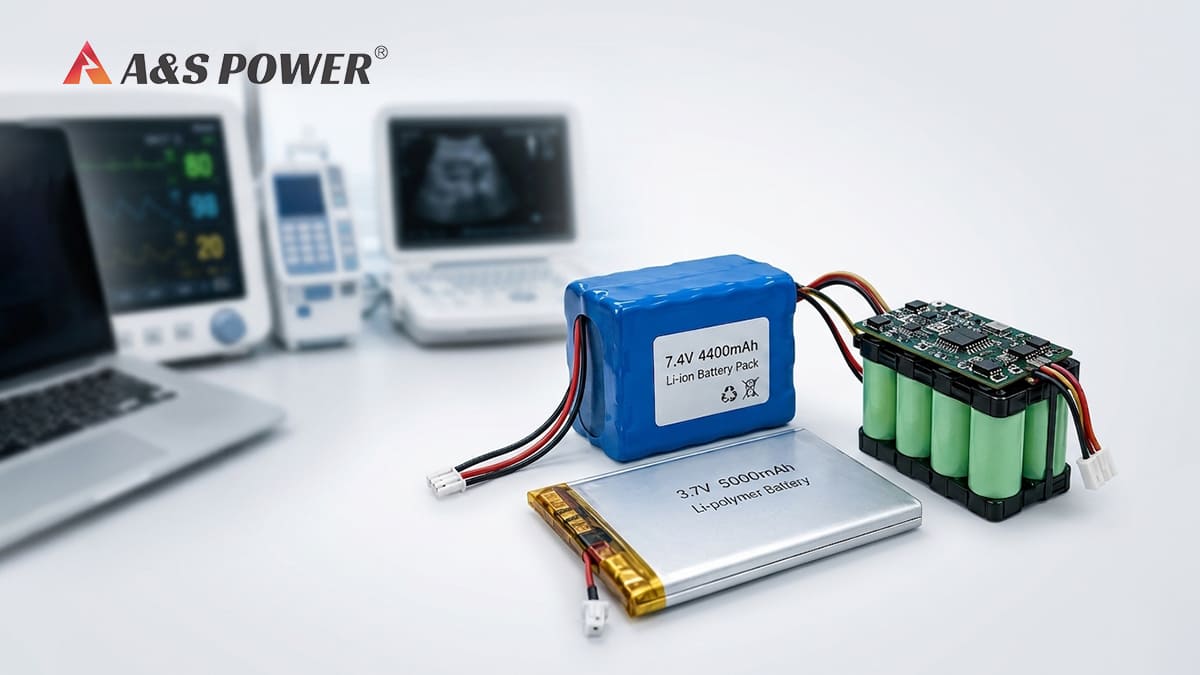
Introduction
Designing a battery pack for medical electronics is vastly different from building power units for standard consumer gadgets. In life-critical applications—such as infusion pumps, portable ventilators, and wearable patient monitors—a battery failure is not merely an inconvenience; it can jeopardize patient safety and lead to severe regulatory liability. Engineers and procurement managers must balance rigid spatial constraints with strict safety certifications like IEC 62133 and UL 2054. This practical guide and checklist walk you through chemistry selection, BMS safety design, mechanical tolerances, and compliance requirements to ensure your custom medical battery pack is reliable, cost-effective, and fully certified for global distribution.
1. Ideal Application & Technical Constraints
Medical-grade custom battery packs are engineered specifically for life-critical, portable, and diagnostic equipment where power interruption or thermal risk is unacceptable.
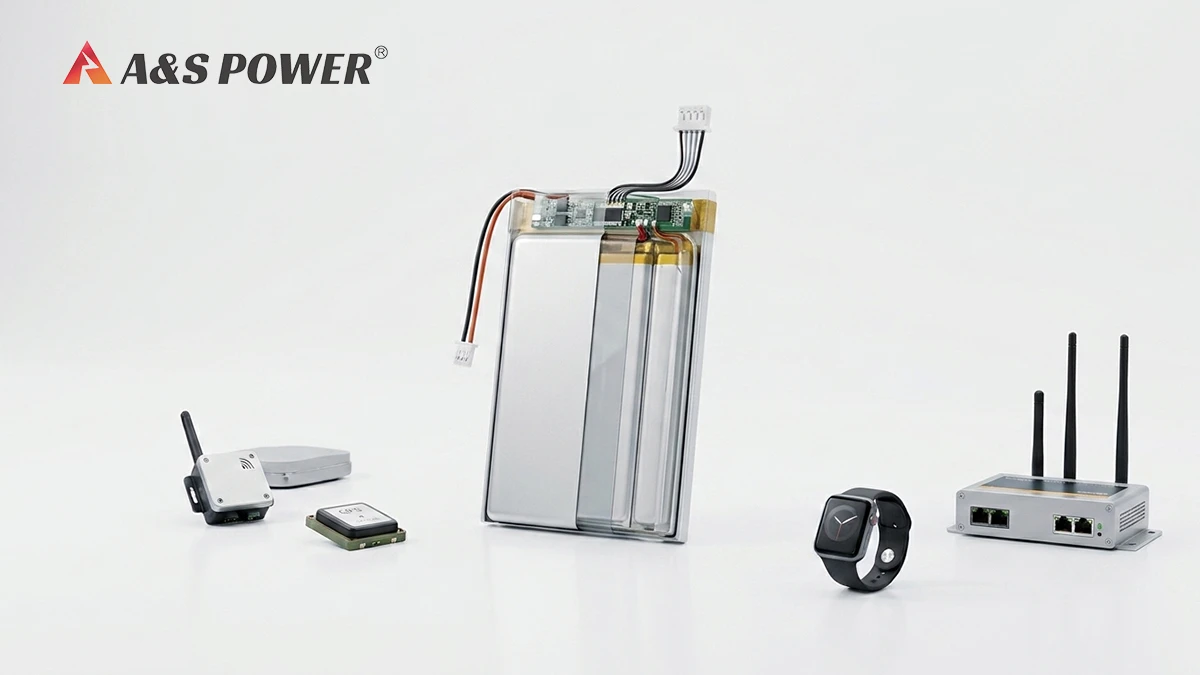
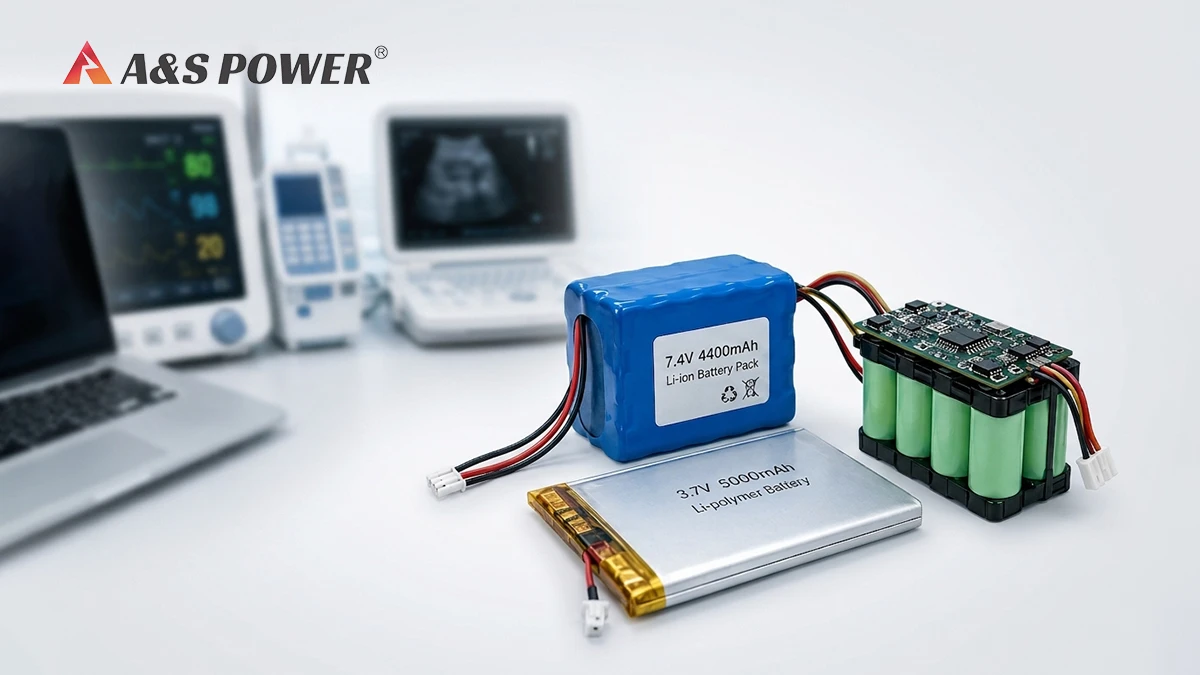
- Ideal Applications: Portable ventilators, patient monitors, infusion pumps, wearable biosensors, mobile ultrasound devices, and clinical diagnostic handhelds.
- Non-Ideal Applications: Low-cost consumer gadgets or non-critical electronics where standard off-the-shelf batteries without ISO 13485 audit trails, specialized BMS protection, or strict batch traceability are sufficient.
2. Key Selection Criteria: Chemistry, Voltage & Size
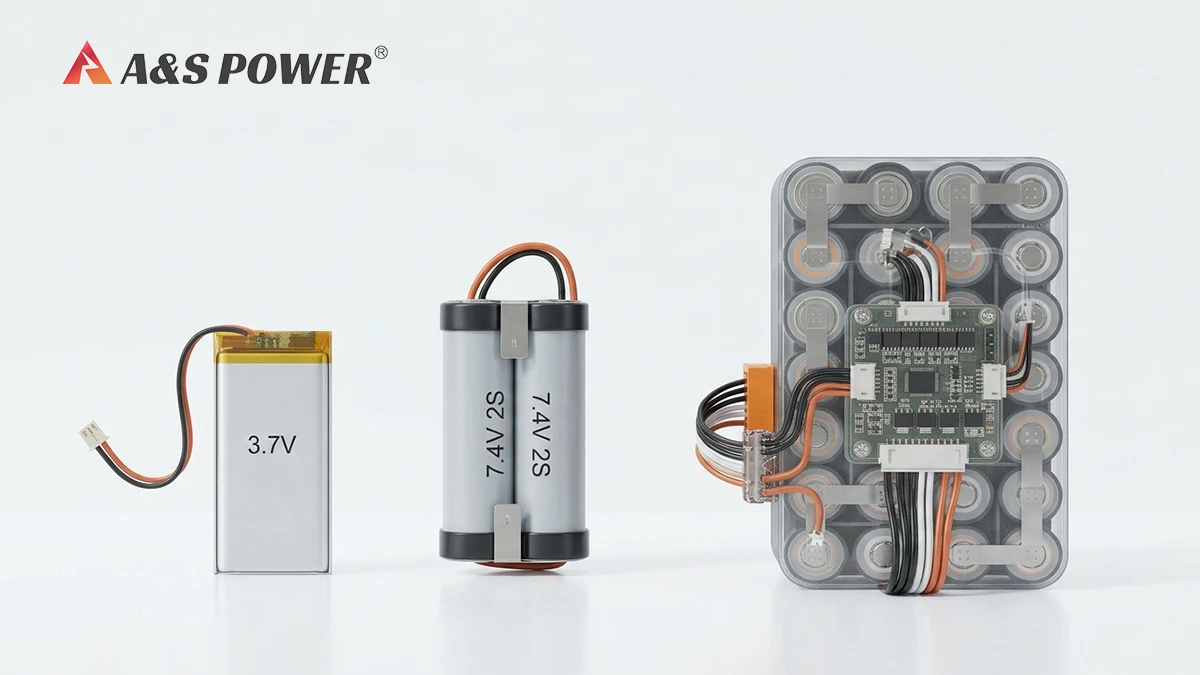
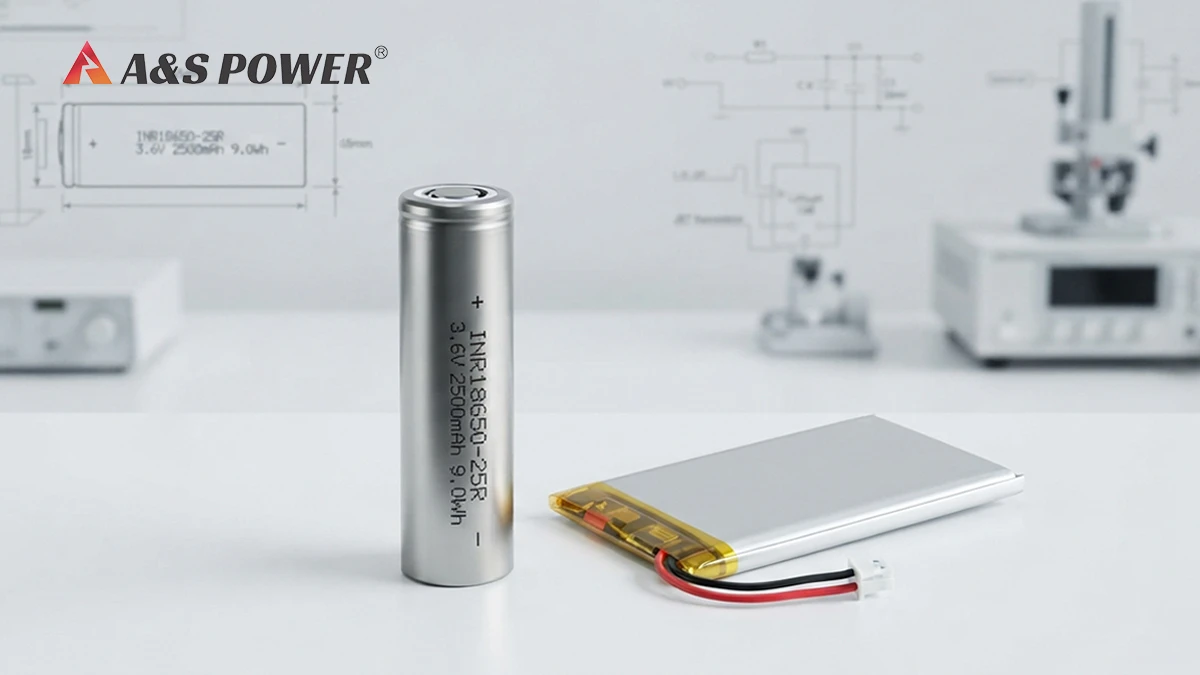
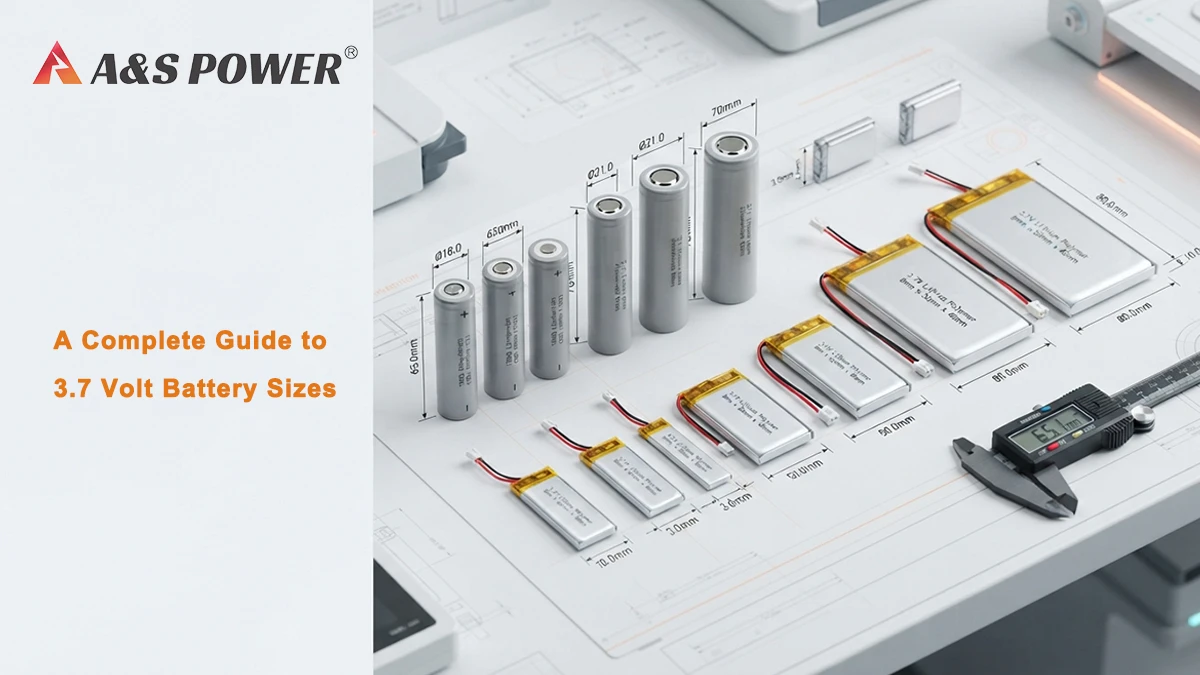
Selecting the right battery chemistry involves balancing volumetric energy density against cycle life, thermal behavior, and enclosure tooling costs.
| Technical Parameter | Lithium Polymer (LiPo) | Lithium Iron Phosphate (LiFePO₄) | Ternary Lithium Cylinder (18650 / 21700) |
|---|---|---|---|
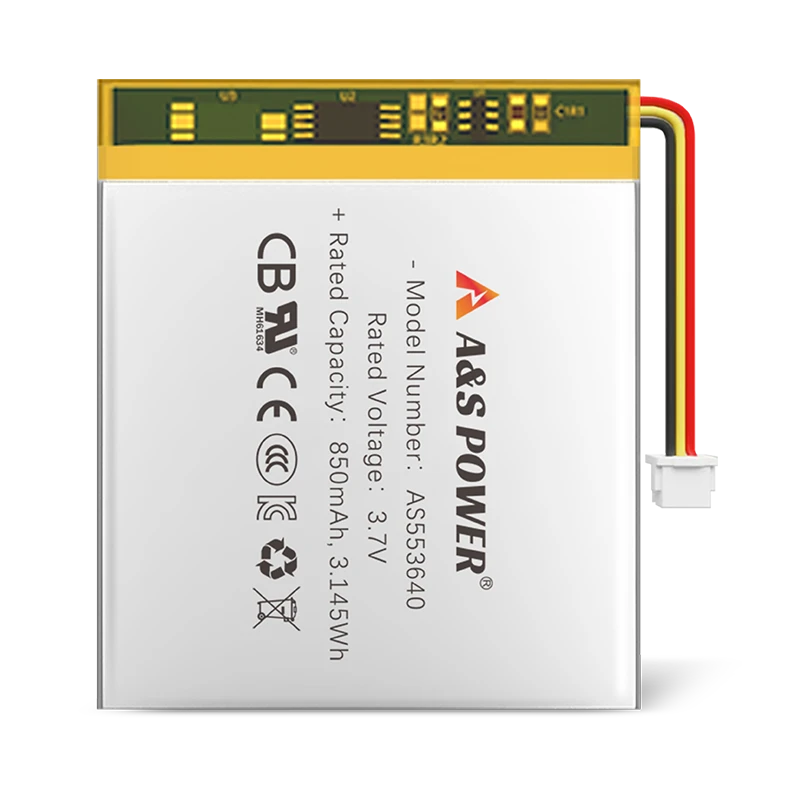
| Energy Density | High (Ultra-thin down to 0.8 mm) | Medium | High |
| Nominal Voltage | 3.7V per cell | 3.2V per cell | 3.6V–3.7V per cell |
| Cycle Life (80% DoD) | 500 – 800 cycles | 2,000 – 4,000 cycles | 800 – 1,000 cycles |
| Thermal Runaway Temp | ~150°C | > 270°C (Highly Stable) | ~210°C |
| Tooling & Mold Cost | Low ($300 - $800) | Medium to High | None for cells; standard cylindrical steel cans |
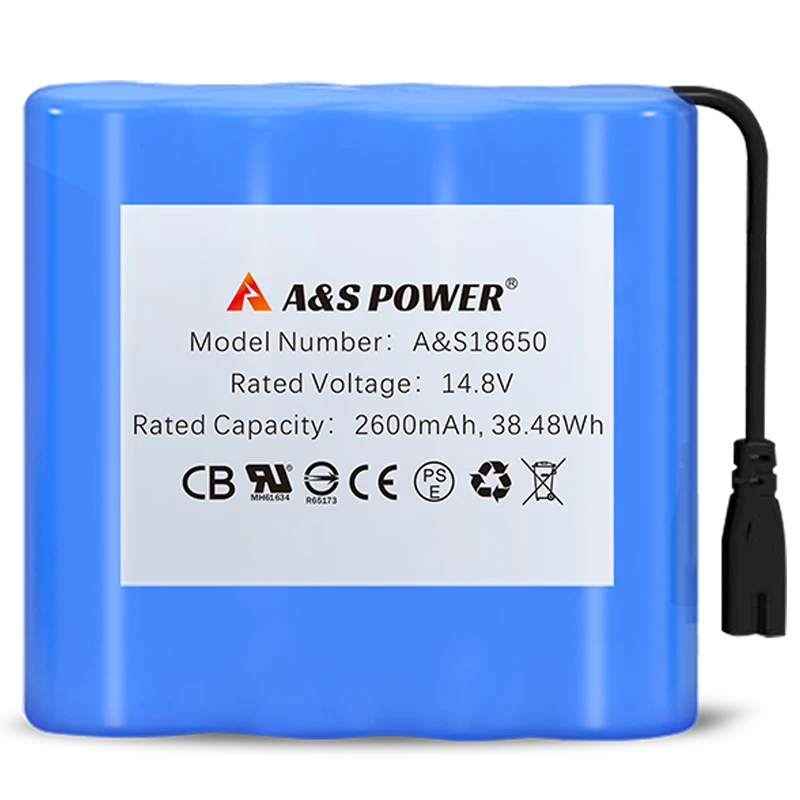
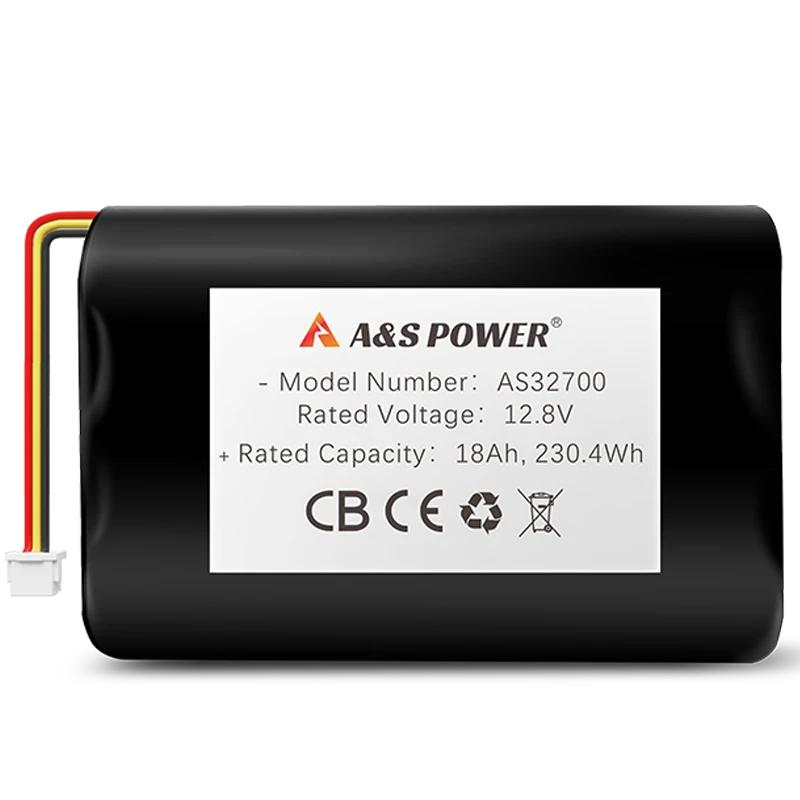
| Best Medical Fit | Wearables, compact handhelds, ultra-thin monitors | Heavy-duty medical carts, stationary backups | Detachable click-in battery packs, portable ventilators |
3. Critical BMS & Safety Requirements
Medical devices require a dedicated Battery Management System (BMS) with hardware-level redundancy to prevent overcharging, deep discharge, and short circuits under ISO 13485 quality frameworks.
- Dual-Level Hardware Protection: Primary protection handles operational thresholds, while a secondary independent thermal fuse or IC acts as a hard fail-safe if primary FETs fail.
- Precision Fuel Gauge ICs: Medical equipment requires accurate State of Charge (SOC) and State of Health (SOH) monitoring via SMBus, I²C, or HDQ communication protocols.
- NTC Thermistor Integration: Embedded NTC thermistors are required for real-time temperature sensing during fast charging and high-discharge operating cycles.
4. Common Engineering Pitfalls in Medical Battery Design
Pouch LiPo cells expand by 8% to 10% over their operational lifespan. Designing a rigid enclosure without expansion allowance leads to mechanical crushing, shorting, or housing rupture.
Failing to design for UN38.3 air transport requirements (altitude simulation, thermal shock, vibration, impact) delays international freight compliance.
Using basic wiring instead of UL1007/UL1571 wires with molex-equivalent anti-misinsertion connectors risks connector fatigue and failure during field use.
5. Medical Battery Certification & Procurement Checklist
Use this checklist during your Request for Quotation (RFQ) stage to streamline prototype development and regulatory review:
Electrical & Physical Parameters
- Target Voltage & Capacity: Nominal voltage (e.g., 3.7V, 7.4V, 11.1V, 24V) and minimum Ah/Wh.
- Peak & Continuous Discharge Current: Maximum current draw during active device operation vs. standby sleep mode.
- Dimensions & Enclosure Limits: Max Length × Width × Thickness (L × W × T) including swelling margin and housing clearance.
Safety, BMS & Communication
- Protection Thresholds: Over-voltage, under-voltage, over-current, and short-circuit protection values.
- Data Protocol: SMBus, I²C, RS485, CANbus, or simple analog voltage feedback.
- Connector & Wiring Specs: Wire gauge (AWG), cable length, and connector brand/part number (e.g., JST, Molex, Hirose).
Regulatory & Quality Compliance
- Required Certifications: IEC 62133-2, UL 2054, UL 1642, CE, RoHS, REACH, UN38.3 + MSDS.
- Traceability & Audits: Full cell batch traceability, ISO 13485 manufacturing compliance, and incoming quality control (IQC) reports.
6. Prototyping Lead Times & Cost Structure
- Engineering NRE & Tooling: $300 - $1,500 depending on custom PCB design, PCM layout, and plastic injection or aluminum housing tooling.
- Prototype Lead Time: 10 to 15 business days for custom PCB fabrication, cell matching, sampling, and internal testing.
- Regulatory Testing Lead Time: 3 to 5 weeks for third-party lab testing (IEC 62133 / UN38.3 certification).
- Production MOQ: 500 units for custom pouch/cylindrical packs; scalable to high-volume OEM production.
Frequently Asked Questions (FAQ)
IEC 62133 is the harmonized global standard for portable sealed secondary cells and batteries containing alkaline or other non-acid electrolytes. UL 2054 is a stringent US safety standard specifically focusing on commercial and industrial battery packs, enforcing rigorous double-fault protection and fault-condition testing.
Always allocate a mechanical breathing clearance of 8% to 10% along the cell's thickness axis during the structural housing design phase. Additionally, configure the BMS to restrict continuous fast-charging at extreme temperatures to minimize gas generation over extended charge-discharge cycles.
Yes, but the battery pack must pass UN38.3 transport testing and possess a valid MSDS (Material Safety Data Sheet). Furthermore, for standalone lithium batteries shipped via air freight (IATA DG regulations PI965), the State of Charge (SOC) must not exceed 30% at the time of shipment.
Conclusion
Selecting and custom-engineering a medical battery pack requires a systematic approach where regulatory compliance and safety engineering lead the specification process. By establishing clear electrical parameters, integrating redundant BMS hardware protections, accounting for physical cell swelling, and locking in certifications like IEC 62133 early in the design phase, OEM/ODM medical teams can avoid costly redesigns and certification delays.
Partnering with an experienced battery manufacturer with ISO 13485 quality control and in-house engineering ensures your device moves seamlessly from prototype to market approval.
Get Engineering Support for Your Medical Device Battery Pack
Need custom engineering advice, or a formal quote for your medical battery pack? Send us your device power profile, dimensional constraints, and certification requirements. We will review your spec sheet and provide a custom battery pack design proposal within 24 hours.
Submit Your Technical RFQ & Battery Specifications