




Do Batteries Expire? Understanding the Shelf Life of Alkaline, Lithium, and Rechargeable Batteries
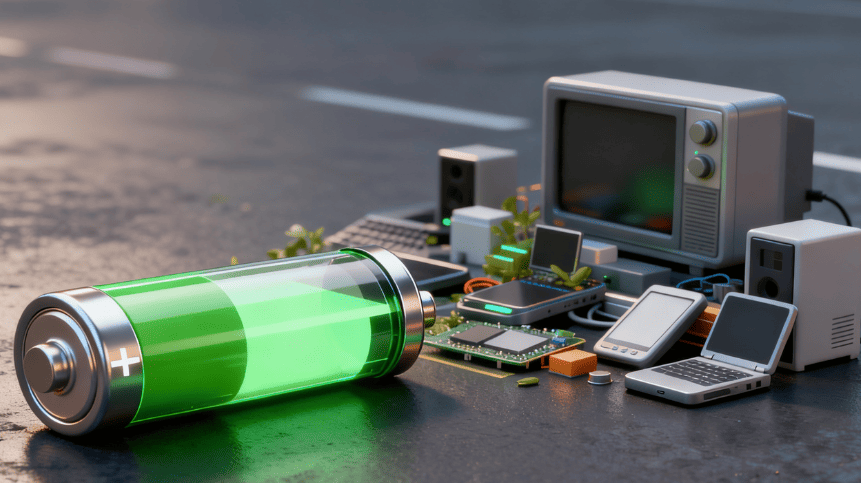
Do Batteries Really Expire?
At first, it might sound like a simple question — like asking whether milk or sour cream goes bad after its expiration date. But batteries are different. While some can still function after their labeled “expiry,” others may degrade or become unusable.
Let’s break down why batteries expire, how long they last, and what happens as they age.
1. Alkaline Batteries: Long Shelf Life but Gradual Decline
Standard alkaline batteries (AA, AAA, etc.) have a relatively long shelf life of 5 to 10 years. They self-discharge slowly, losing about 2–3% of their energy per year.
While they never truly reach “zero,” their voltage eventually drops below what most devices require. However, even a “dead” alkaline battery can still power low-drain devices such as remote controls or wall clocks for a short time.
Key takeaway: Alkaline batteries are reliable for long-term storage and low-power applications, but they gradually lose effectiveness over time.
2. Lithium Primary Batteries: Extremely Stable and Long-Lasting
Lithium primary batteries (non-rechargeable) provide higher voltage and exceptionally low self-discharge — around 1% per year.
Because of their chemical stability, these batteries can hold a charge for many years, making them ideal for long-term storage and devices that require reliable, instant power (like cameras or medical sensors).
Still, they do eventually expire once their voltage drops below the usable threshold.
Best use: Long-term storage, critical backup systems, and emergency kits.
3. Rechargeable Lithium-Ion Batteries: High Performance but Shorter Shelf Life
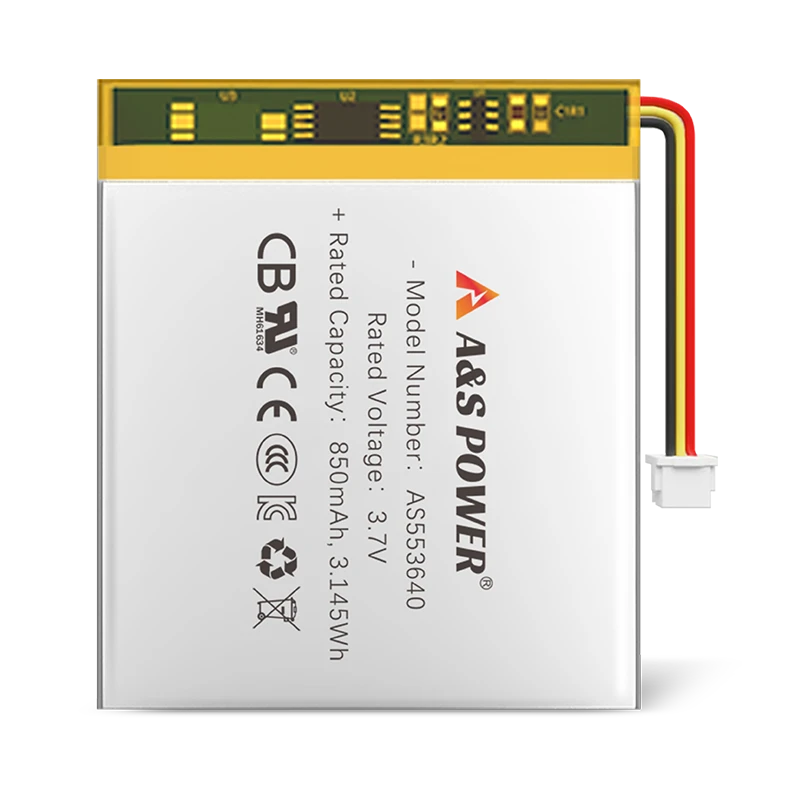
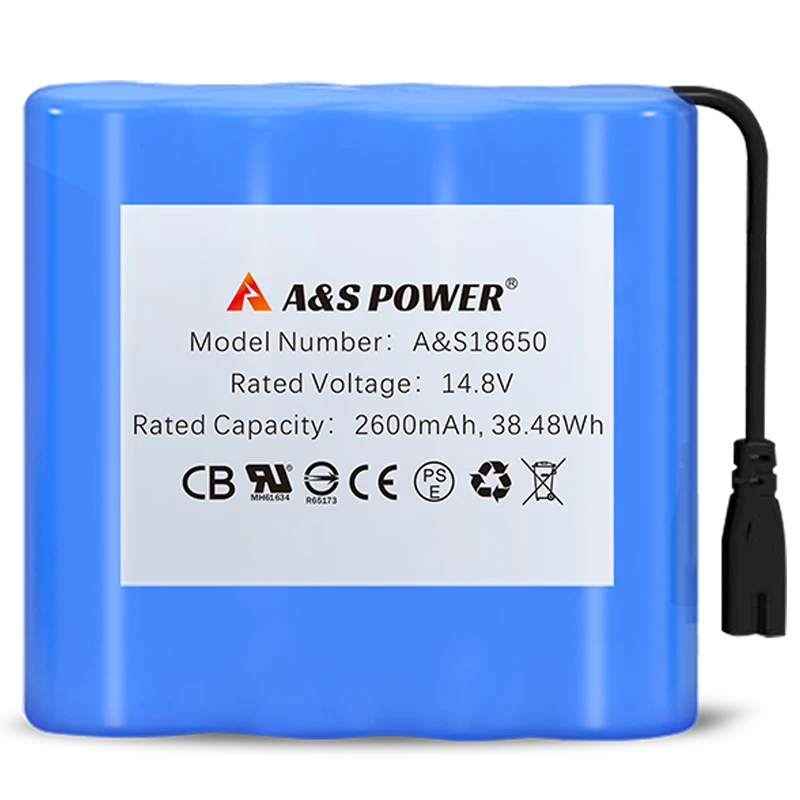
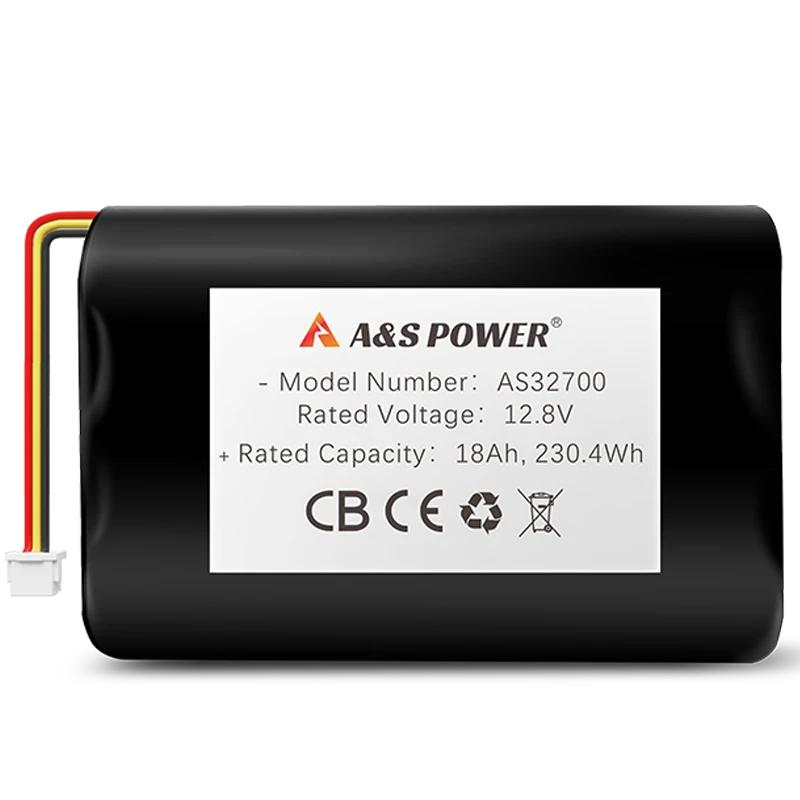
Lithium-ion (Li-ion) batteries are the most common rechargeable type — used in phones, laptops, and power tools — but they have a shorter shelf life of 2 to 3 years.
Their relatively high self-discharge rate (2–5% per month) and built-in Battery Management System (BMS) cause a constant, small drain. Over time, the battery’s internal chemistry degrades, reducing capacity even when unused.
However, Li-ion batteries can be recharged hundreds of times, making them cost-effective and environmentally friendly. Even as they age, they usually remain functional — just with shorter run time.
Note: Proper storage (at 40–60% charge, in a cool, dry place) can help extend Li-ion battery lifespan.
4. Best Batteries for Emergency Power Preparedness
For emergency or off-grid power, it’s best to keep both alkaline and Li-ion batteries on hand:
-
Li-ion batteries are rechargeable via solar panels, power banks, or generators — ideal for sustainable, reusable power.
-
Alkaline batteries provide instant energy and retain most of their charge even after years in storage.
Drawback:
-
Stored Li-ion batteries may discharge and need recharging before use.
-
Alkaline batteries, while ready to use anytime, cannot be recharged.
Combining both types ensures reliability — immediate power plus long-term sustainability.
5. Can You Use 10-Year-Old Batteries?
That depends on the type:
-
Alkaline: After a decade, they’ll have lost about 50% capacity, but may still work in low-drain devices.
-
Primary Lithium: Retain most of their charge and are often still usable in small electronics like calculators or key fobs.
-
Rechargeable Li-ion: After 10 years, they’re usually heavily degraded, with most capacity lost and poor current delivery.
Tip: Always inspect older batteries for leakage, swelling, or corrosion before use.
6. When Is a Battery at “End of Life”?
For rechargeable batteries like Li-ion, “end of life” usually means it can only hold 80% of its original capacity.
Even then, it’s often still functional — many devices can operate with slightly reduced voltage or capacity. In other words, while a battery may “expire” in terms of performance, it doesn’t become completely useless.
Proper battery recycling or repurposing (for low-drain applications) is the best next step once capacity noticeably declines.
Conclusion: Batteries Don’t “Expire” — They Gradually Fade
Batteries don’t have a hard expiration date like perishable food. Instead, their chemistry changes over time, leading to reduced voltage and capacity.
-
Alkaline batteries are great for long-term storage.
-
Primary lithium batteries excel in durability.
-
Rechargeable Li-ion batteries offer flexibility and sustainability but require proper care.
Understanding how each type ages helps you choose the right one — whether you’re powering emergency gear, industrial devices, or everyday electronics.
Frequently Asked Questions
Do batteries expire if they are not used?
Yes. Batteries gradually lose performance even when they are not used. Alkaline and primary lithium batteries can remain usable for several years, while rechargeable lithium-ion batteries continue to age because of chemical degradation and self-discharge. Storage temperature and state of charge can significantly affect how quickly a battery loses capacity.
How long do batteries last in storage?
Shelf life depends on the battery chemistry and storage conditions. Alkaline batteries typically have a shelf life of about 5–10 years, while primary lithium batteries can last even longer under suitable conditions. Rechargeable lithium-ion batteries generally have a shorter practical storage life because their capacity decreases over time even when they are not actively used.
Can you use batteries after their expiration date?
Sometimes, but it depends on the battery type and its condition. An older battery may still provide usable power after its labeled date, but its voltage and capacity may have decreased. Before using an old battery, check for swelling, leakage, corrosion, physical damage, or other visible signs of deterioration.
How should lithium-ion batteries be stored for long-term use?
For long-term storage, lithium-ion batteries should generally be kept in a cool, dry environment and at a partial state of charge rather than fully charged. A storage level around 40–60% is commonly recommended for lithium-ion batteries. Avoid high temperatures, moisture, and prolonged storage at full charge.
How do you know when a rechargeable battery needs to be replaced?
A rechargeable battery may need replacement when its usable capacity has declined significantly, runtime becomes noticeably shorter, the device shuts down unexpectedly, or the battery shows physical damage such as swelling. For lithium-ion and LiPo batteries, swelling or other visible damage should be treated as a safety warning rather than simply a sign of reduced performance.
Do lithium-ion batteries have a fixed expiration date?
Not exactly. Lithium-ion batteries have a finite calendar life, but they do not suddenly stop working on a specific expiration date. Their internal chemistry gradually changes, causing capacity, voltage performance, and power delivery to decline over time. Actual service life depends on factors such as temperature, charging conditions, storage state of charge, and usage.
-

 May.2026.09.17Meet A&S Power at KES 2026 in Seoul – Custom Lithium Battery SolutionsLearn More
 -
 May.2026.09.16How to Choose a Custom Lithium Battery Manufacturer in China: A Buyer's GuideLearn More
 -
 May.2026.09.15Can VHR-4N Connectors Work With 14 AWG Battery Wires?Learn More
 -
 May.2026.09.14Who Pays UL Battery Certification Maintenance Fees?Learn More
 -
 May.2026.09.11PTC vs PCM: Why Use Both in Lithium Battery Protection?Learn More