




Choosing the Best Battery for High-Drain Devices Lithium-Ion or Alkaline
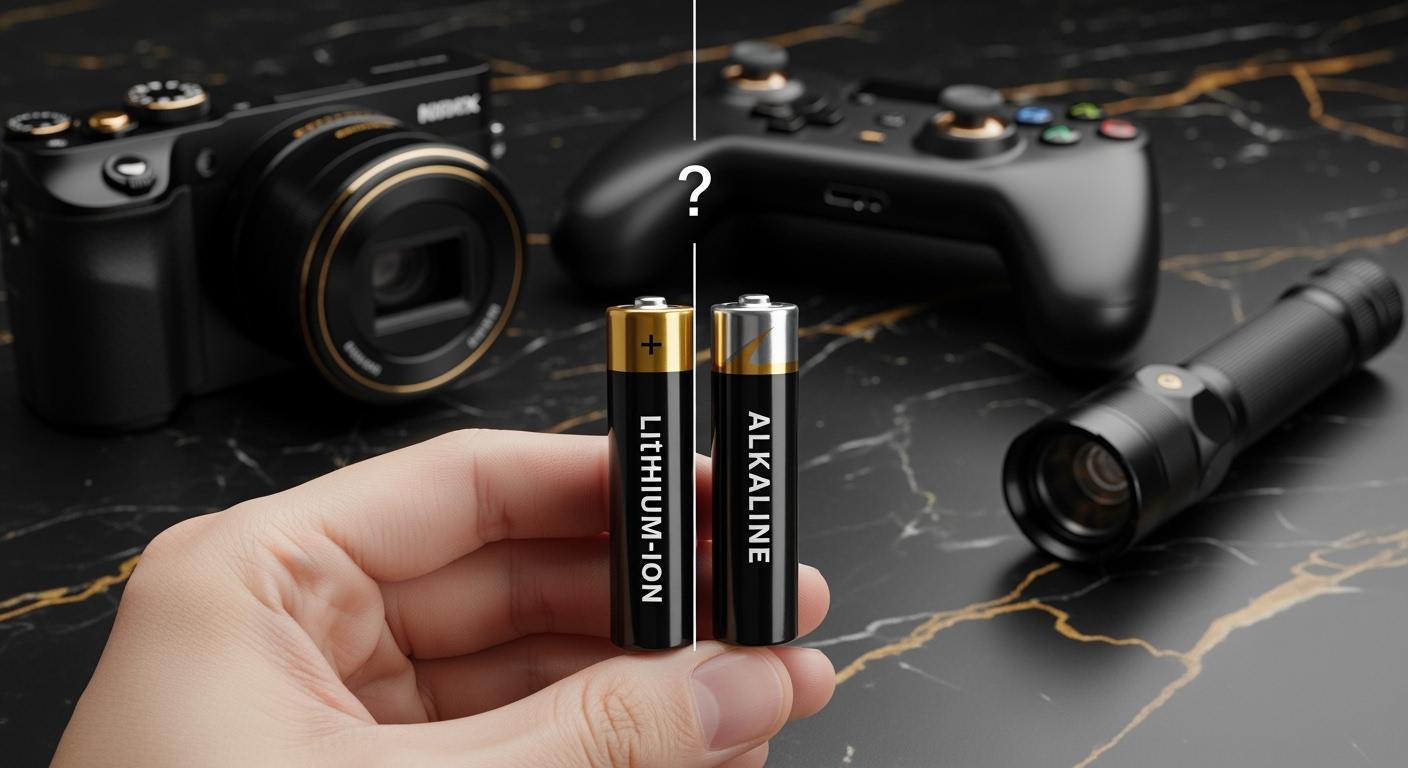
You want the best battery for your high-drain device. Lithium-ion batteries deliver superior performance. They pack more energy, last longer, and weigh less than alkaline batteries. The table below shows you why lithium-ion stands out in energy density:
| Battery Type | Energy Density (Wh/kg) |
|---|---|
| Lithium-ion | 150-200 |
| Alkaline | 100 |
You find lithium-ion batteries in smartphones, electric cars, and power tools. When you compare lithium ion battery vs alkaline, you see that lithium-ion gives you more power and reliability for demanding tasks.
Key Takeaways
- Lithium-ion batteries outperform alkaline batteries in high-drain devices, offering longer lifespan and better performance.
- Choose lithium-ion for devices like cameras and power tools to enjoy consistent power and fewer interruptions.
- Alkaline batteries are suitable for low-drain devices, but they require frequent replacements and may not deliver reliable performance.
- Investing in lithium-ion batteries saves money over time due to their durability and reduced need for replacements.
- Always recycle used batteries to protect the environment and reduce waste.
Quick Verdict for High-Drain Devices
Why Lithium-Ion Leads
You want your high-drain device to run longer and perform better. Lithium-ion batteries give you that edge. You get consistent power, fast charging, and a lightweight design. Recent studies from the battery industry show that lithium-ion batteries excel in several key areas:
| Benefit | Description |
|---|---|
| High-rate discharge | Delivers steady capacity under heavy load |
| Fast Charging | Recharges in less than an hour |
| Long cycle life | Handles thousands of charge cycles |
| High energy efficiency | Converts 96% of energy to usable power |
| No gas emission | Safe, sealed operation |
You notice the difference when you use devices like digital cameras, power tools, or drones. Lithium-ion batteries keep your equipment running at peak performance. You spend less time swapping batteries and more time getting things done. You also benefit from a longer lifespan, which means fewer replacements and less waste.
Tip: Choose lithium-ion batteries for any device that demands high power output or frequent use. You save money and avoid frustration.
When Alkaline Is Used
You might still use alkaline batteries in some situations. Alkaline batteries work well for devices with low or moderate power needs. You find them in remote controls, clocks, and basic flashlights. They cost less upfront and are easy to find in shops.
You may prefer alkaline batteries if you need a quick replacement or if your device does not support rechargeable options. In the lithium ion battery vs alkaline debate, alkaline batteries offer simplicity and convenience for low-drain gadgets. However, they fall short in high-drain scenarios, where lithium-ion batteries outperform them in every major category.
Lithium Ion Battery vs Alkaline: High-Drain Use
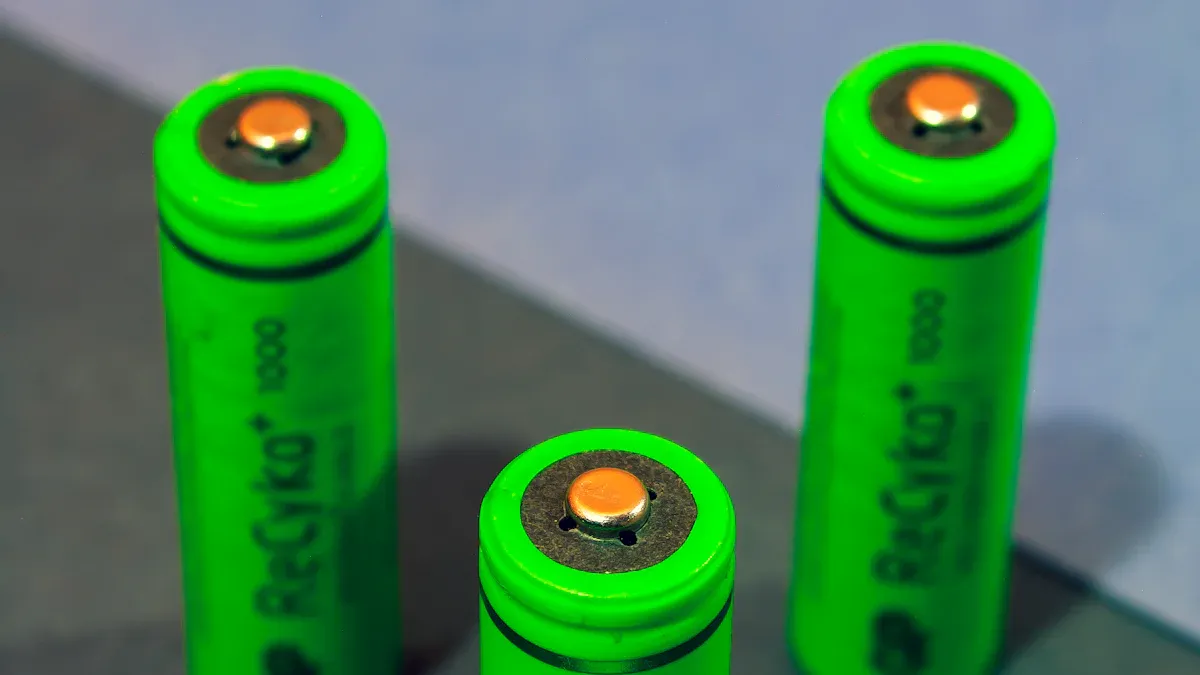
Energy Density and Output
You want your high-drain device to deliver maximum performance. The energy density of a battery determines how much power you get before needing a replacement or recharge. When you compare lithium ion battery vs alkaline, you see a clear difference. Lithium-ion batteries offer an energy density of 150-200 Wh/kg, while alkaline batteries provide only about 100 Wh/kg. This means you get more power packed into a lighter cell with lithium-ion.
You notice the impact in devices like digital cameras, portable speakers, and power tools. Lithium-ion batteries maintain a steady voltage throughout their discharge cycle. Your device runs at full strength until the battery is nearly empty. Alkaline batteries, on the other hand, lose voltage quickly under heavy load. Your device slows down or shuts off sooner, forcing you to swap batteries more often.
Alkaline batteries in high-drain devices require frequent replacements. Their practical mAh capacity drops rapidly, which shortens the operational time of your device. You spend more money and time buying spares, and you face the inconvenience of carrying extras. Lithium-ion batteries last longer between charges, saving you hassle and reducing waste.
Note: If you want reliable, long-lasting power for demanding tasks, lithium-ion batteries outperform alkaline every time.
Weight and Portability
You value portability in your high-drain devices. Weight matters when you carry equipment for work or leisure. Lithium-ion batteries weigh less than alkaline batteries for the same energy output. This makes your devices lighter and easier to handle.
Consider the lithium ion battery vs alkaline debate for outdoor gear, drones, or professional cameras. Lithium-ion batteries keep your kit compact and manageable. You move freely without feeling weighed down. Alkaline batteries add bulk and require frequent changes, which means you carry more replacements.
Temperature also affects battery performance. The table below shows how each type responds in extreme conditions:
| Battery Type | Performance in Extreme Temperatures | Capacity Reduction in Cold Conditions |
|---|---|---|
| Alkaline Batteries | Significant reduction in capacity | 50% reduction in very cold conditions |
| Lithium Batteries | Better performance in extreme temps | Maintains stable voltage throughout discharge |
You see that lithium-ion batteries maintain stable voltage and reliable output, even in cold or hot environments. Alkaline batteries lose up to half their capacity in freezing conditions. Your high-drain device may stop working when you need it most.
When you compare lithium ion battery vs alkaline for high-drain use, lithium-ion batteries give you more energy, lighter weight, and dependable performance in any climate. You get longer run times, fewer replacements, and a better experience every time.
In-Depth Analysis of Battery Lifespan and Reliability for High-Drain Devices
Recharge Cycles and Longevity
You want your high-drain devices to last as long as possible between battery changes. When you compare lithium ion battery vs alkaline, you see a clear advantage in lifespan. Lithium-ion batteries handle hundreds of recharge cycles without losing much capacity. Alkaline batteries, especially the rechargeable type, fall behind quickly. You can see the difference in the table below:
| Battery Type | Average Lifespan (Recharge Cycles) |
|---|---|
| Lithium-ion | 300 to 500 |
| Rechargeable Alkaline | 50 to 100 |
You get more value from lithium-ion batteries because you replace them less often. This means you spend less money and create less waste. Industry research confirms that lithium-ion technology stands out for durability and long-term performance. You can trust these batteries to power your devices through many charge and discharge cycles.
Tip: Choose lithium-ion if you want a battery that keeps up with frequent use and heavy demands.
Consistent Power Delivery
You need reliable power for your high-drain devices. Lithium-ion batteries deliver steady energy from the first use to the last. You avoid sudden drops in performance, even when your device works hard. Alkaline batteries, on the other hand, lose voltage quickly under heavy load. Your device may slow down or stop working before the battery is fully drained.
- Lithium-ion batteries are rechargeable and have a high energy density, making them ideal for high-drain devices.
- Alkaline batteries are typically single-use and better suited for low to moderate power needs.
- Lithium-ion batteries provide consistent power delivery over extended use, enhancing their reliability in high-drain applications.
You want your camera, power tool, or speaker to perform at its best every time. Lithium-ion batteries give you that confidence. You get longer run times, fewer interruptions, and a better overall experience. When you compare lithium ion battery vs alkaline, you see why professionals and enthusiasts choose lithium-ion for demanding tasks.
Comprehensive Cost Factors: Upfront Investment and Long-Term Value Analysis
Upfront vs Long-Term Cost
You want to make a smart investment when choosing batteries for your high-drain devices. At first glance, alkaline batteries seem attractive because of their low price. You pay less at the checkout, which feels like a win. The table below shows the typical cost difference:
| Battery Type | Cost Comparison |
|---|---|
| Lithium Batteries | Up to three times more expensive than alkaline batteries. |
| Alkaline Batteries | More affordable upfront, lower initial cost. |
You might hesitate to buy lithium-ion batteries because of the higher price tag. However, you need to look beyond the initial cost. Lithium-ion batteries last much longer and require fewer replacements. Over a year, you spend less money on replacements and enjoy more reliable performance. The next table highlights the long-term impact:
| Battery Type | Lifespan | Replacement Frequency | Long-term Cost Impact |
|---|---|---|---|
| Lithium-ion | Several years | Fewer replacements | Lower overall cost |
| Alkaline | Shorter lifespan | More frequent | Higher overall cost |
Tip: You save more money in the long run by choosing lithium-ion batteries for high-drain devices.
Value for High-Drain Devices
You want the best value for your money. Lithium-ion batteries deliver higher energy density, better performance, and longer lifespan. Consumer reports confirm that lithium-ion batteries outperform alkaline options in every key area. The table below summarises the value differences:
| Battery Type | Energy Density | Performance | Longevity |
|---|---|---|---|
| Lithium | Higher | Better for high-drain | Longer-lasting |
| Alkaline | Lower | Less effective | Shorter-lasting |
You get more power and longer run times with lithium-ion batteries. You avoid the hassle of frequent replacements and enjoy consistent performance. Research from the battery industry supports these findings, showing that lithium-ion technology offers superior value for demanding applications.
Choosing lithium-ion batteries means you invest in reliability, efficiency, and long-term savings. You make your high-drain devices work harder for you.
Comprehensive Safety Considerations and Environmental Impact of Battery Choices
Usage Risks
You want your high-drain devices to perform safely every time. Lithium-ion batteries offer impressive power, but you must handle them with care. These batteries can face several risks if you do not follow best practices. You may encounter thermal runaway, where the battery releases energy uncontrollably. This can cause fires or explosions, especially if you use non-certified chargers or charge your device in a confined space. Overheating often starts this chain reaction, so always allow your device to cool and avoid running demanding applications for long periods.
Mechanical damage also poses a threat. Dropping your device or exposing it to physical stress can compromise the battery’s integrity. Electrical overloads, caused by excessive current, may lead to battery failure. Improper storage or handling increases the risk of accidents. You should never charge your phone or laptop under a pillow or blanket, as trapped heat can quickly escalate to dangerous levels.
Alkaline batteries present fewer dramatic risks, but you still need to avoid mixing old and new cells or exposing them to extreme temperatures. Leaks from damaged alkaline batteries can harm your device and pose health hazards.
Always follow manufacturer guidelines for charging and storage. Choose certified chargers and avoid exposing batteries to unnecessary stress.
Disposal and Sustainability
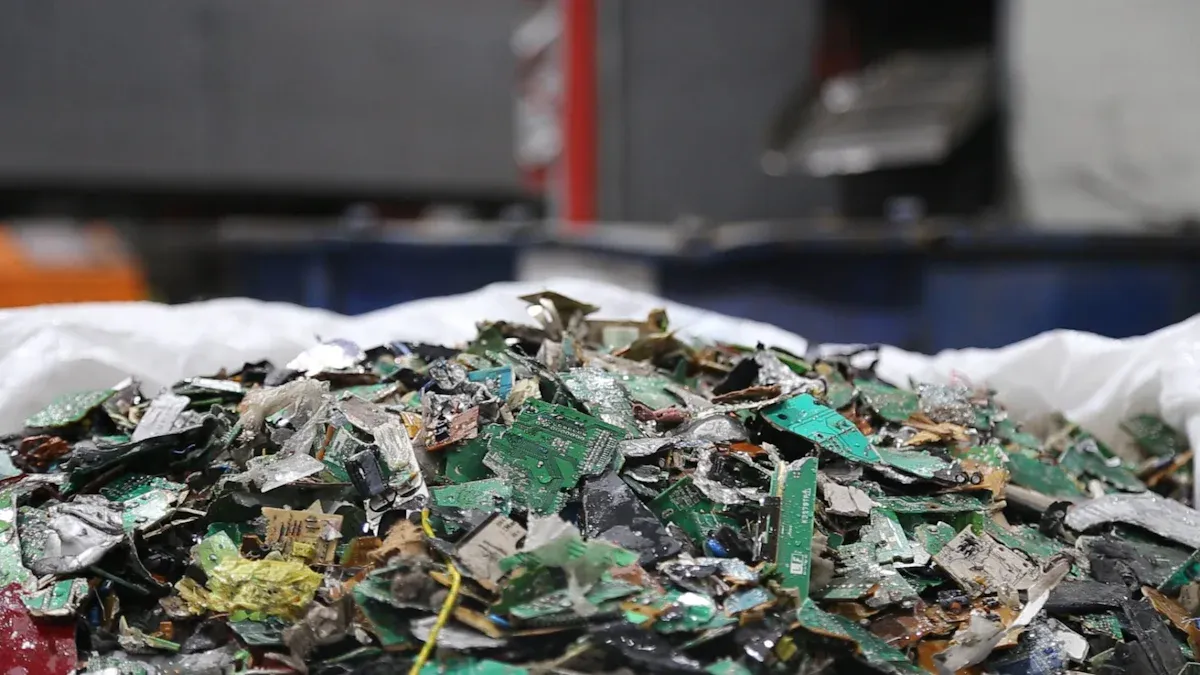
You play a crucial role in protecting the environment when you dispose of batteries responsibly. Both lithium-ion and alkaline batteries can harm the planet if you throw them away carelessly. Toxic chemicals may leak into the soil, reducing fertility and contaminating crops. Water pollution becomes a risk when landfill leachate carries battery pollutants into rivers and reservoirs, threatening both human health and aquatic life.
Incinerating batteries releases harmful fumes, degrading air quality and increasing health risks for nearby communities. Toxic elements from batteries can enter food chains, disrupting ecosystems and endangering wildlife. Human exposure to these hazardous substances may cause neurological and developmental problems.
You can make a difference by recycling batteries at approved collection points. Many manufacturers and retailers now offer take-back schemes. By choosing lithium-ion batteries, you reduce waste thanks to their longer lifespan, but you must still recycle them properly at the end of their life.
Protect your health and the environment. Always recycle used batteries and encourage others to do the same.
Practical Recommendations
Best Choice by Device Type
You want your high-drain devices to perform at their best. Choosing the right battery makes all the difference. Here is a quick guide to help you select the ideal option for common high-drain gadgets:
| Device Type | Recommended Battery | Key Benefits |
|---|---|---|
| Digital Cameras | Lithium or NiMH | Superior performance, longer life, reliable power |
| Power Tools | Lithium-ion (Cylindrical or Pouch) | High discharge rate, robust, fast charging |
| Outdoor Gear | Lithium-ion | Lightweight, stable in extreme temperatures |
| Portable Speakers | Lithium-ion | Consistent output, longer playtime |
| Drones | Lithium-ion | High energy density, lightweight |
You see that lithium-ion batteries lead in most categories. For digital cameras, lithium batteries deliver excellent performance, though they cost more than alkaline. NiMH rechargeable batteries also offer good value and can be reused many times. In power tools, lithium-ion batteries—especially cylindrical and pouch cells—provide the power and durability you need for heavy-duty tasks. Industry tests show that these batteries match corded performance and work with leading platforms like Bosch 18 V.
Tip: Invest in lithium-ion batteries for any device that demands frequent use or high power. You gain longer run times and fewer interruptions.
Special Cases for Alkaline
You may still find alkaline batteries useful in certain situations. Some devices do not require high power or frequent use. Alkaline batteries suit:
- Remote controls
- Wall clocks
- Emergency torches
- Basic toys
You benefit from their low upfront cost and easy availability. For occasional use or backup, alkaline batteries remain a practical choice. However, for high-drain devices, you will save money and frustration by choosing lithium-ion or NiMH options.
Note: Always match your battery choice to your device’s needs. For high-drain applications, lithium-ion stands out as the clear winner.
You want the best for your high-drain devices. Lithium-ion batteries deliver longer lifespan, superior performance, and better reliability than alkaline options. User ratings confirm that lithium batteries last up to nine times longer and perform better under heavy load. You save money over time and reduce waste. Choose lithium-ion for cameras, GPS units, and power tools. Always recycle batteries to protect the environment. For more insight, explore research on NiMH and NiCd batteries, their capacity, durability, and eco-friendliness.
| Battery Type | Lifespan | Performance | Cost-Effectiveness |
|---|---|---|---|
| Lithium-ion | Longer | Superior | Best for high-drain |
| Alkaline | Shorter | Adequate | Best for low-drain |
- Lithium-ion batteries offer higher recyclability and enhanced safety features.
- NiMH batteries provide excellent capacity for demanding devices.
Make the switch to lithium-ion for high-drain needs and enjoy reliable, efficient power.
FAQ
What makes lithium-ion batteries better for high-drain devices?
You get higher energy density and longer lifespan with lithium-ion batteries. Research from the Journal of Power Sources shows lithium-ion cells deliver steady voltage and outperform alkaline batteries in demanding applications.
Can you recharge alkaline batteries?
You cannot recharge standard alkaline batteries safely. Rechargeable alkaline cells exist, but they offer fewer cycles and lower performance than lithium-ion batteries. You save time and money by choosing lithium-ion for frequent use.
Are lithium-ion batteries safe to use?
You enjoy safe operation if you follow manufacturer guidelines. Studies in Energy Storage Materials confirm lithium-ion batteries include built-in safety features. Always use certified chargers and avoid physical damage.
Do lithium-ion batteries work well in cold weather?
You benefit from stable performance in extreme temperatures. Lithium-ion batteries maintain voltage in cold conditions, as shown in research by the International Journal of Electrochemical Science. Alkaline batteries lose capacity quickly when exposed to low temperatures.
How do you dispose of used batteries responsibly?
You protect the environment by recycling batteries at approved centres. Many retailers offer take-back schemes. Research from Environmental Science & Technology highlights the importance of proper disposal to prevent soil and water pollution.
-

 May.2026.09.17Meet A&S Power at KES 2026 in Seoul – Custom Lithium Battery SolutionsLearn More
 -
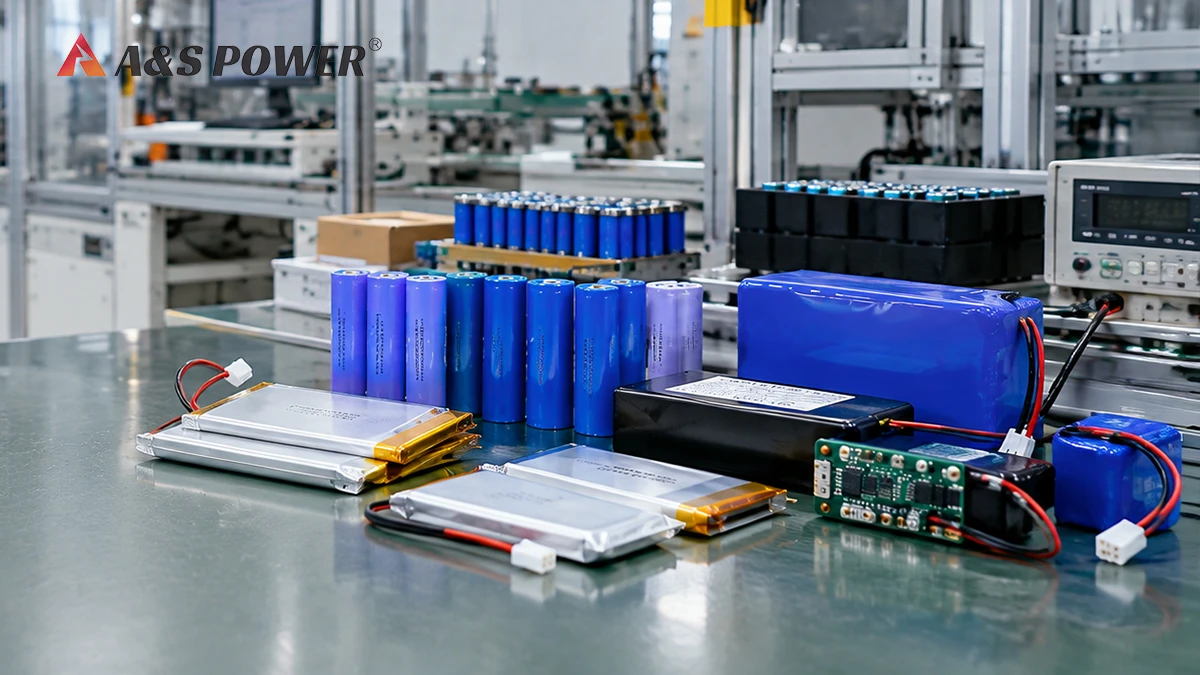 May.2026.09.16How to Choose a Custom Lithium Battery Manufacturer in China: A Buyer's GuideLearn More
 -
 May.2026.09.15Can VHR-4N Connectors Work With 14 AWG Battery Wires?Learn More
 -
 May.2026.09.14Who Pays UL Battery Certification Maintenance Fees?Learn More
 -
 May.2026.09.11PTC vs PCM: Why Use Both in Lithium Battery Protection?Learn More