




Top Tips for Buying Lithium Ion Solar Batteries Online

You want good value and safety when you buy a lithium ion solar battery online. Many people say there are big risks. Look at the table below to see common problems:
| Risk Type | Description |
|---|---|
| Fire hazard | Broken batteries can get too hot and start fires. |
| Temperature Sensitivity | Batteries do not work well in very hot or cold places. |
| Inverter Compatibility | Some inverters do not work with lithium batteries. |
Smart choices keep your money safe and protect your home.
Key Takeaways
- Always look for safety marks like UL or CE before you buy a lithium ion solar battery. These marks show the battery passed safety checks.
- Figure out how much energy you use each day. Pick a battery that fits your power needs. This helps stop power loss and saves you money.
- Buy from trusted dealers to get real products with good warranties. This keeps your money safe and makes sure you stay safe.
Check Safety Certifications for Lithium Ion Solar Battery
Recognize Certification Marks
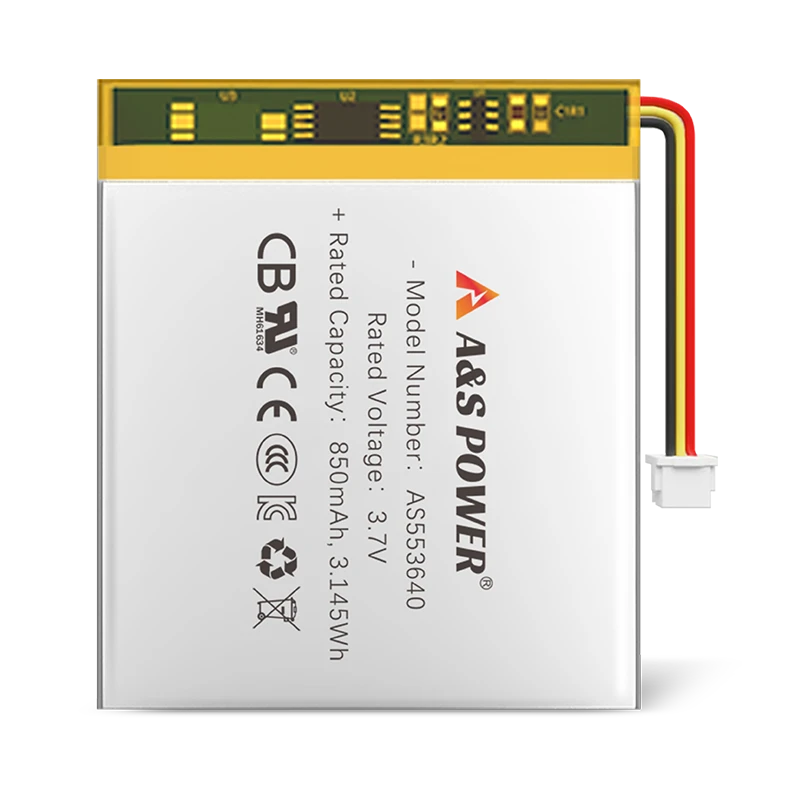
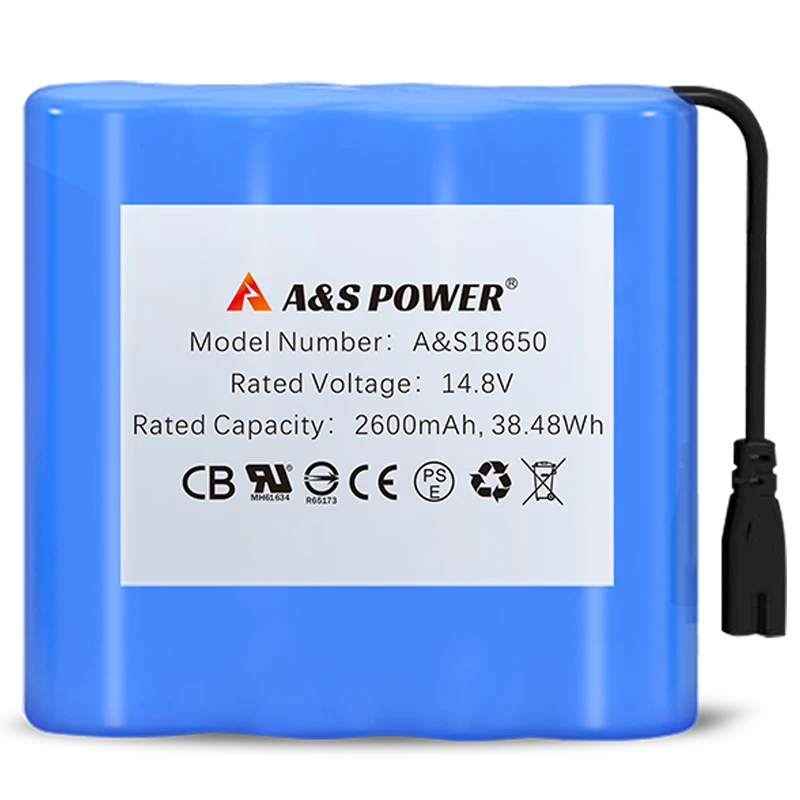
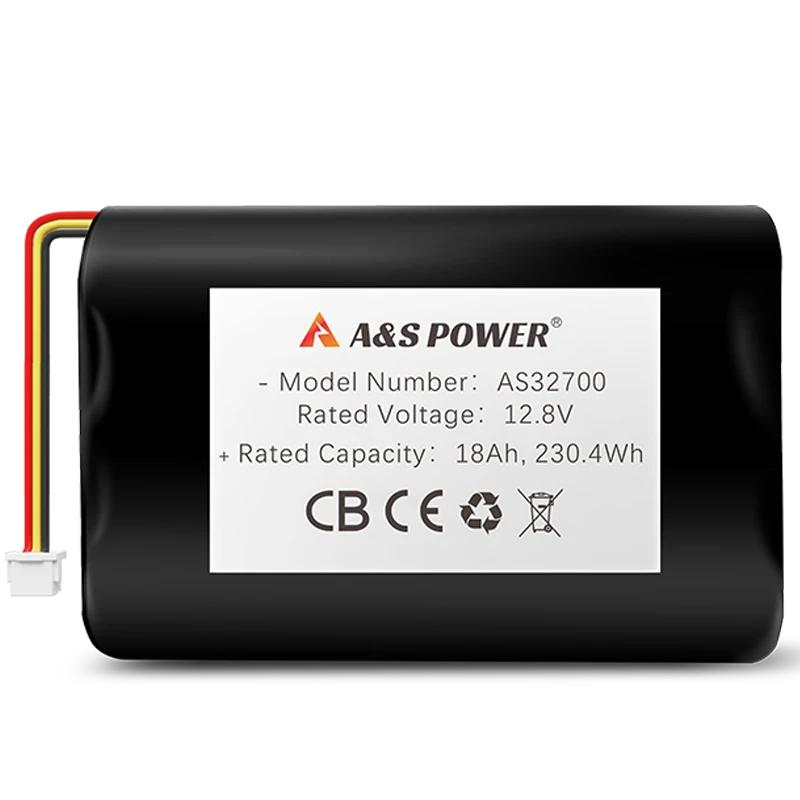
Before you buy a lithium ion solar battery online, check for safety certifications. Trusted sellers show official marks like UL, CE, IEC, or BIS. These marks mean the battery passed tough tests for fire, shock, and heat. Look for these marks on the product page and on the box. The table below helps you know what each certification means:
| Aspect | Description |
|---|---|
| Compliance with Regulations | Shows the battery follows world rules for safe shipping. |
| Safety Assurance | Means the battery passed tests for shock and heat. |
| Global Acceptance | Lets you use the battery in many places without worry. |
BIS certification is needed in India. It proves the battery meets IS 16046 (Part 2) rules and has a certificate. Good batteries always show these marks.
Verify Product Safety
Check safety claims before you trust any lithium-ion battery. First, find the certification number on the battery or box. Use official websites to see if the number is real. Next, look for safety features like Battery Management System (BMS), fire detection, and polarity tests. Honest sellers list these features in their product info. Also, check for hazards by looking at test results for high voltage, AC resistance, and open circuit voltage. These steps help you stay safe and protect your home. Always pick lithium-ion batteries with clear safety marks and good safety records.
Review Recalls and Product Alerts
Search Official Recall Databases
You do not want to buy a lithium ion solar battery with safety issues. Before you buy, check official recall databases. These places show if a battery model had fire or safety problems before. The U.S. Consumer Product Safety Commission (CPSC) database is very trusted. Go to their website at cpsc.gov/recall. Type in the battery brand or model name. This helps keep your home and money safe.
Tip: Always look at both government and company recall lists. Some companies post alerts on their own websites first.
Respond to Recall Notices
If you see a lithium ion solar battery in a recall notice, do not buy it. Act fast if you already have it. Here is what you should do:
- Stop using the battery right away if you own it.
- Contact the seller or maker for help.
- Ask for a refund, new battery, or repair.
- Follow all safety steps in the recall notice.
Manufacturers often give free repairs or new batteries for recalled ones. You keep your family and home safe when you act quickly. Watching for recalls helps you avoid danger and make smart choices online.
Assess Your Power Needs and Battery Capacity
Calculate Required Storage
You want your solar system to work every day. It should work even when there is no sun. First, find out how much electricity your home uses. Write down the wattage of your main appliances. Note how many hours you use each one daily. Add these numbers to get your daily energy use in kilowatt-hours (kWh). Next, think about how many days you want power without sunlight. This is called days of autonomy. Decide how much battery you will use. This is known as depth of discharge. Check the temperature where you keep the battery. Hot or cold places can change how much energy you get.
Tip: Try using an electricity load calculator for home inverters. This tool helps you pick the right battery size. You enter your appliances and how much you use them.
| Tool Name | Description |
|---|---|
| Electricity Load Calculator for Home Inverter | You enter appliance wattage and usage. It helps you find the best energy storage size for your home. |
Choosing the Right Batteries for Your System
Picking the right batteries makes your solar system work well. It also saves you money. Match the battery size to your daily power needs. If the battery is too small, your lights may go out early. If it is too big, you spend more money than needed. Make sure the battery can give power for one or two days without charging. Check the most power your inverter can handle. Make sure the lithium ion solar battery fits your system’s voltage and charge limits.
Note: The right battery size keeps your system safe and working well. Batteries that are too big or too small can waste money and cause problems.
You keep your money and home safe by picking the right battery size. Take time to compare choices. Use guides or calculators to help you choose the best battery.
Evaluate Battery Lifespan and Charge Cycles
Compare Lithium-Ion Battery Life
You want your solar battery to last a long time. Battery lifespan and charge cycles show how long it will work well. Lithium-ion batteries are known for lasting many years. Most work for 10 to 15 years and can be charged 5,000 to 6,000 times. This means you use them longer before buying a new one. Lead-acid and saltwater batteries do not last as long. They have fewer charge cycles and a shorter life.
| Battery Type | Average Lifespan | Cycle Count |
|---|---|---|
| Lithium-ion | 10–15 years | 5,000–6,000 |
| Lead-acid | 3–5 years | 500–1,200 |
| Saltwater | 5–10 years | 2,000–3,000 |
You save money because lithium-ion batteries need fewer replacements. Always look at the features and specs for cycle life. More charge cycles mean better value over time.
Understand Cost of Ownership
You should think about more than just the price tag. The total cost includes the battery, installation, connecting to solar panels, and upkeep. Warranty coverage helps protect your money and lowers future costs. Many good batteries, like the CAML 48 V 100 Ah, last over 2,000 cycles and have up to 5 years of warranty.
| Model | Cycle Life | Warranty Coverage |
|---|---|---|
| CAML 48 V 100 Ah | Over 2,000 | 5 Years |
| Liofer India Model | Not specified | 60 Months |
Tip: Pick a battery with a long warranty and many charge cycles. This helps you spend less on replacements and makes your system better.
When you look at choices, check battery life, warranty, and all costs. You get better results and feel safer when you choose a battery that lasts.
Ensure Compatibility with Your Solar System
Check Inverter and System Requirements
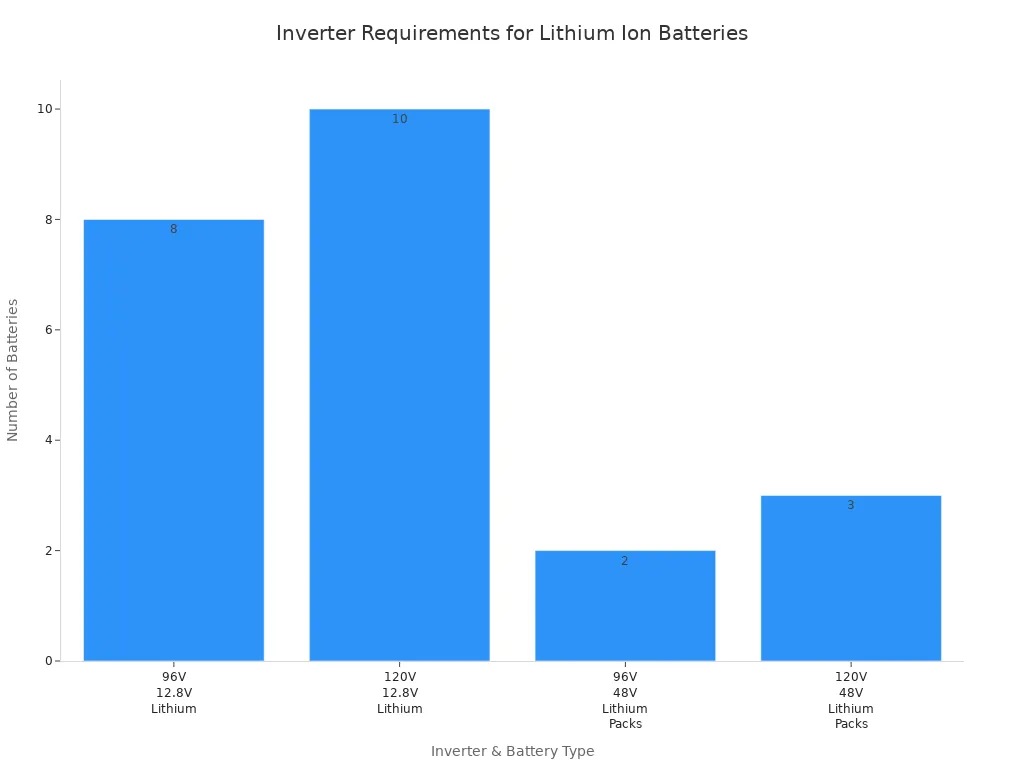
You want your lithium ion solar battery to work well with your system. First, check your inverter’s voltage and battery type. If these do not match, your system might not work. It could even break. Look at your inverter’s manual or label for the voltage it uses. Then, pick battery packs that have the same voltage.
| Inverter Voltage | Battery Type | Number of Batteries |
|---|---|---|
| 96V | 12.8V Lithium | 8 |
| 120V | 12.8V Lithium | 10 |
| 96V | 48V Lithium Packs | 2 (in series) |
| 120V | 48V Lithium Packs | 3 (in series) |
You should also check the power rating, capacity, and depth of discharge. These numbers show how much energy you can use. They also tell you how long your battery will last. If you are not sure, ask a solar expert or read the product specs.
Battery Management System compatibility is very important. Your inverter must connect with the battery’s BMS. This keeps your system safe and working right.
Confirm Lithium-Ion Integration
You need to make sure your lithium-ion battery fits your solar system. Pick the right wiring method. Use series wiring for higher voltage. Use parallel wiring for more capacity. Always use batteries with the same voltage and size. This helps stop damage. A good solar charge controller protects your battery from getting too full or too empty. Choose one that matches your solar panel’s voltage and current.
- Check if your charge controller has safety features like short-circuit and overcharge protection.
- Make sure your battery, inverter, and controller all work together for the best results.
Industry research shows that good integration makes batteries last longer. It also helps your system work better. You get more value and fewer problems when you check compatibility before you buy.
Buy from Reputable Sellers
Read Customer Reviews
You want to feel sure about your battery. Start by looking at customer reviews. These reviews tell you how the battery works at home. People talk about the brand, delivery, and help they got. Find reviews that mention safety and reliability. If lots of people say the battery lasts long, you can trust it.
Tip: Pick batteries with many good reviews from trusted places. These reviews show problems or extra costs. You can avoid trouble by reading what buyers say.
Here is a table to help you compare reviews:
| Brand Name | Average Rating | Common Praise | Common Complaints |
|---|---|---|---|
| PowerMax | 4.7 | Long life, safe | Slow shipping |
| SunVolt | 4.5 | Reliable, easy setup | High price |
| EcoCharge | 4.6 | Good support | Limited stock |
Look for Authorized Dealers
You keep your money safe by buying from authorized dealers. These sellers get batteries right from the brand. They follow rules for safety and quality. You get real products, not fake ones. You also get a real warranty and help if you need it.
- Check the brand’s website for a list of authorized dealers.
- Ask the seller for proof if you are unsure.
- Stay away from unknown sellers with very low prices.
Buying from trusted sellers helps you feel calm. You know the battery is from a good brand. You also get better service and reliability. Studies show batteries from authorized dealers last longer and fail less. Make a smart choice and buy from sellers you trust.
Spot Counterfeit Lithium-Ion Batteries
Inspect Labels and Packaging
You need to be careful when buying lithium-ion solar batteries online. Some people make fake batteries that look real but are not safe. You can find fake batteries by looking at the labels and packaging. Check if safety marks or serial numbers are missing. Real batteries always have clear safety marks and numbers. Fake batteries might have spelling mistakes or faded logos. Look for uneven printing or broken seals on the box. Poor packaging is a sign of a fake battery. These clues help you spot fake batteries before you buy.
Tip: If you see claims that sound too good, be careful. Fake batteries often promise things they cannot do.
Compare Prices and Delivery Times
Fake battery sellers use very low prices to get buyers. If the price is much lower than other stores, be careful. Compare prices with trusted sellers to see if the deal is real. Watch out for strange delivery times. If delivery is much faster or slower than normal, it could be a fake. Good sellers use regular delivery and give you tracking info. Fake sellers may rush delivery or delay it to hide from you.
| Warning Sign | What It Means |
|---|---|
| Very low price | Counterfeiters want a quick sale |
| Odd delivery timing | Counterfeiters try to avoid returns |
| Poor packaging | Counterfeiters skip quality checks |
You keep your money and stay safe by checking these things. Research shows careful shoppers avoid most fake batteries by following these steps.
Consider Performance and Maintenance
Review Energy Density and Discharge Power
You want your solar system to work well every day. Energy density and discharge power are important for battery performance. High energy density means the battery is small but stores lots of power. This makes it easy to fit in your home and saves space. You can store more solar energy without needing a big battery bank.
- Lithium-ion solar batteries hold lots of energy in a small size.
- You get more storage in the same space than with old batteries.
- Higher discharge power lets you use more appliances at once.
Choosing a battery with high energy density helps your system work better. You get steady power, even when you use many things at once. Your home stays powered, and you get more from your solar setup.
Maintenance Needs of Lithium-Ion Batteries
You want a battery that works well but does not need much care. Lithium-ion batteries are great because they need almost no maintenance. You do not have to check water or clean the battery ends. You skip the regular checks needed for lead-acid batteries.
| Feature | Lead-Acid Batteries | Lithium-ion Batteries |
|---|---|---|
| Maintenance | Needs regular checks | Very little needed |
| Lifespan | 3–5 years | 10–15 years |
| Additional Maintenance | Add water, clean often | Almost none |
You save time and money with lithium-ion batteries. They last longer and need less work, so you worry less. You get good performance and better efficiency for many years. Pick lithium-ion if you want a battery that helps you, not one that needs lots of care.
You can get a safe lithium ion solar battery online if you follow these steps. First, look for safety marks and check for recalls. Make sure the battery fits your solar system. Buy from trusted sellers so you get real batteries. Think about how much power you need, the warranty, and smart features.
Use this checklist to help you buy safely and easily.
-

 May.2026.09.17Meet A&S Power at KES 2026 in Seoul – Custom Lithium Battery SolutionsLearn More
 -
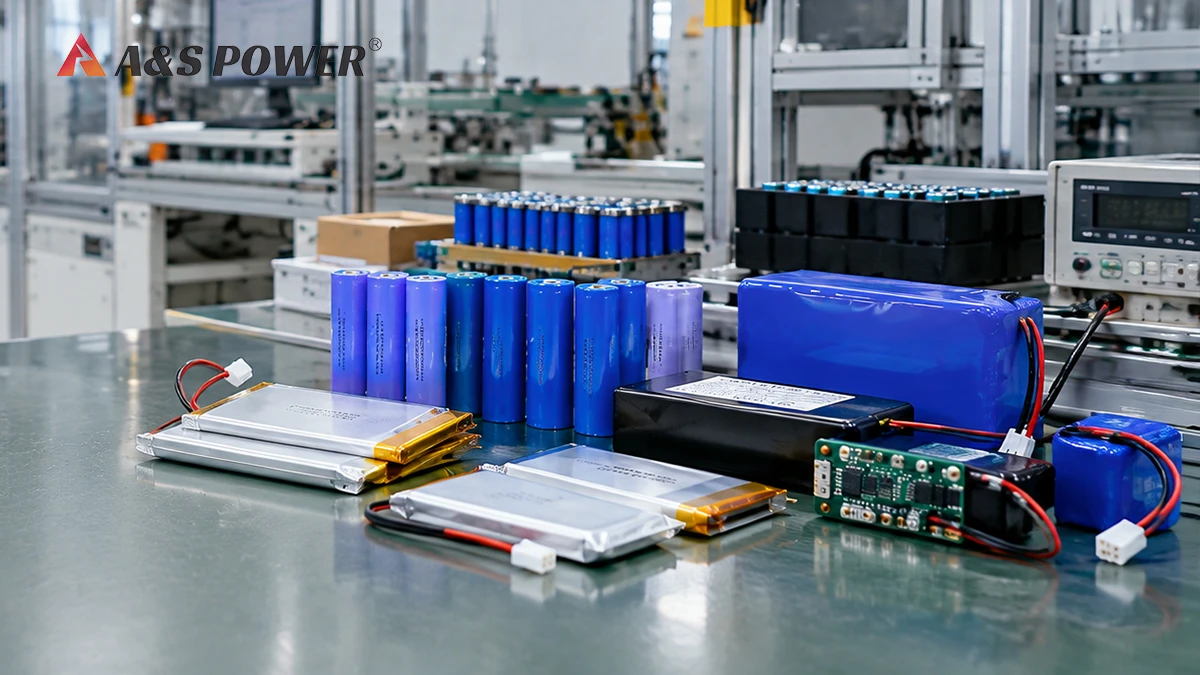 May.2026.09.16How to Choose a Custom Lithium Battery Manufacturer in China: A Buyer's GuideLearn More
 -
 May.2026.09.15Can VHR-4N Connectors Work With 14 AWG Battery Wires?Learn More
 -
 May.2026.09.14Who Pays UL Battery Certification Maintenance Fees?Learn More
 -
 May.2026.09.11PTC vs PCM: Why Use Both in Lithium Battery Protection?Learn More