




Step-by-Step Guide to Choosing a Lithium Polymer Battery Pack
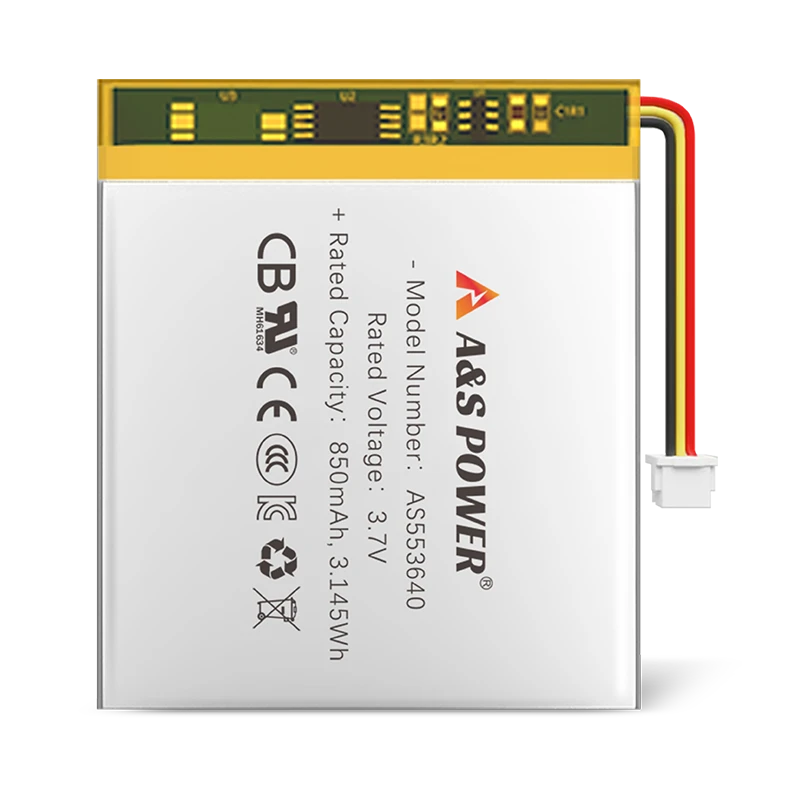
You need the right lithium polymer battery pack for your device. First, look at what power your device needs. Make sure the battery’s capacity, voltage, and size fit your device. This helps your device work well and stay safe.
? Tip: Always pick a battery pack with good safety features to keep your device safe.
If you are new or have done this before, you will find helpful tips here. Start now and pick the best battery for what you need.
Key Takeaways
- Make sure the battery capacity fits your device’s power needs. This helps your device work well and stops power loss.
- Look at the battery voltage before you buy it. The wrong voltage can hurt your device.
- Find battery packs with safety features. Safety features keep your device safe and lower risks.
- Read labels and datasheets with care. This helps you know the battery’s details and makes sure it works for you.
- Pick brands and sellers you trust. Good sources give you quality products and help if you need it.
What Is a Lithium Polymer Battery?
Structure and Features
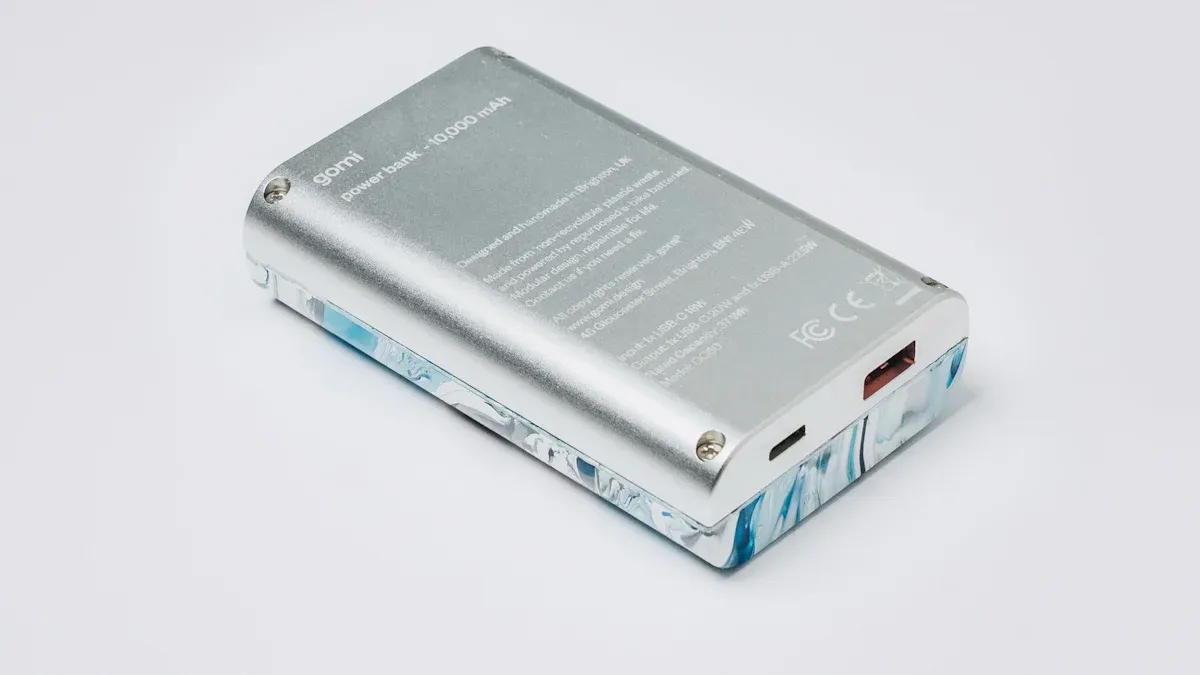
You want a battery that gives good power and lasts long. It should fit your device well. The lithium polymer battery is special because of how it is built. It uses a gel-like electrolyte, not a liquid. This lets the battery be thin and flexible. The battery has a voltage of 3.7 volts. It can charge up to 4.2 volts. It can discharge down to 3.0 volts. This battery is light and fits in small spaces. It helps keep your device easy to carry.
Here’s a quick look at the main characteristics:
| Characteristic | Description |
|---|---|
| Electrolyte Type | Gel-like electrolyte for flexible designs |
| Voltage | 3.7V nominal, charges to 4.2V, discharges to 3.0V |
| Design Flexibility | Thin, custom shapes for space-saving applications |
| Weight | Lightweight for easy portability |
| Energy Density | Good energy density for longer use |
| Sensitivity | Sensitive to physical damage, so handle with care |
| Lifecycles | Fewer charge cycles than some other batteries |
| Production Cost | Higher cost than traditional lithium-ion batteries |
A lithium polymer battery is flexible and light. It has good energy density. But it can get damaged easily. It may not last as long as other batteries.
? New studies show you can make the battery last longer. You need to use smart charging and discharging habits. This helps you get more value from your battery.
Common Uses
Lithium polymer battery packs are used in many devices today. They are light and flexible. This makes them great for gadgets that need to save space and weight. Here are some common uses:
| Application | Description |
|---|---|
| Drones and UAVs | Lightweight and high energy density for longer flights |
| Remote Control Vehicles | High discharge rates for quick bursts of power |
| Portable Electronics | Compact power for smartphones and tablets |
| Wearable Technology | Efficient performance in small, lightweight devices |
Pick a lithium polymer battery for drones, RC vehicles, phones, or wearables. It gives good power and fits well in small spaces. Your device will be lighter, thinner, and work better.
Lithium Polymer vs. Lithium-Ion Batteries
Key Differences
You might wonder how lithium polymer and lithium-ion batteries are different. The biggest difference is how each battery is made. Lithium polymer batteries have a gel-like electrolyte. Lithium-ion batteries have a liquid electrolyte. This makes each battery good for different things.
Check out this table to see how they compare:
| Feature | Lithium Polymer (Li-Po) | Lithium-Ion (Li-ion) |
|---|---|---|
| Electrolyte Type | Gel-like | Liquid |
| Design Flexibility | High (many shapes and sizes) | Moderate (standard shapes) |
| Applications | Drones, models, portable devices | Smartphones, laptops, tablets |
| Fragility | More fragile | Less fragile |
| Energy Density | Good | High |
| Lifespan | Lower | Moderate to high |
| Safety Issues | Sensitive to physical damage | Sensitive to overheating |
| Production Cost | Higher | Higher than some other types |
Lithium polymer batteries can be made in many shapes and sizes. They fit slim or odd-shaped devices. Lithium-ion batteries last longer and hold more energy. They are great for things like laptops.
? Tip: If you need a battery for a light drone or a special gadget, lithium polymer batteries work best. For phones and tablets, lithium-ion batteries last longer and give better value.
Which Is Right for You?
Pick your battery based on your device and how you use it. For drones, RC cars, or thin wearables, choose lithium polymer. These batteries are lighter and fit small spaces. For phones, tablets, or laptops, pick lithium-ion. These batteries last longer and store more energy.
Think about what matters most to you. Do you want a battery that is light and flexible? Go with lithium polymer. Do you want a battery that lasts longer and is tougher? Choose lithium-ion.
If you still have questions, ask us. We are happy to help you find the right battery!
Choosing the Right Lithium Polymer Battery Pack
If you want your device to work well, pick the right lithium polymer battery pack. You need to match your device’s power needs with the correct battery. This section explains how to choose a lithium polymer battery pack that fits and keeps your device safe.
Matching Capacity to Runtime
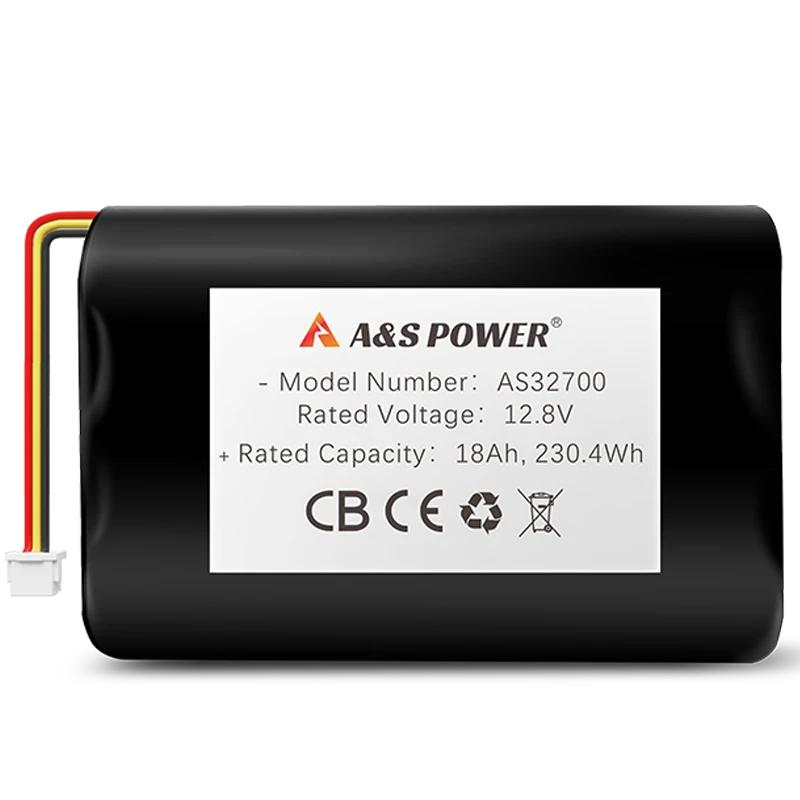
You want your device to last a long time. First, check how much power your device needs. Battery capacity shows how much energy the battery can hold. If you use your device for a long time, pick a battery with more capacity. If you use it for short times, a smaller battery is okay. Always look at your device manual for what is recommended. This helps you avoid a battery that is too weak or too strong.
⚡ Tip: Picking the right battery capacity means you will not lose power when you need it most.
Voltage and Device Compatibility
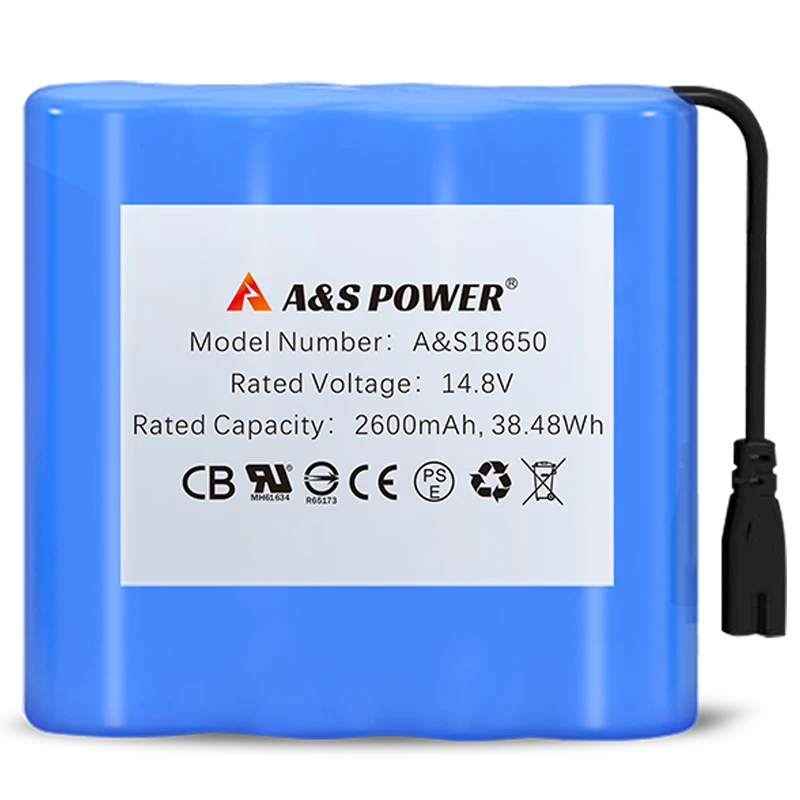
You must match the battery voltage to your device. Using the wrong voltage can break your device or make it stop working. Look at your device label or manual for the right voltage. Most lithium polymer battery packs have 3.7V per cell. Some devices need more cells for higher voltage. Always check before you buy.
Discharge Rate and C Rating
You need to know how much power your device uses at one time. The discharge rate, called the C rating, shows how fast the battery gives power. Devices like drones or RC cars need a higher C rating. If you pick a battery with a low C rating, it can get too hot or break. The right C rating keeps your device safe and gives enough power.
Discharge rates are important for devices that need quick power. They help your device work fast when needed. Picking the right C rating stops overheating and damage. Safety ratings matter because lithium polymer batteries can be hurt by heat or damage.
Discharge Profile (Continuous vs. Pulse)
You need to know if your device needs steady power or quick bursts. Some devices, like cameras, need power all the time. Others, like drones, need short bursts of power. Check what your device needs and pick a battery with the right discharge profile. This makes sure your device gets the right energy when it needs it.
Size, Shape, and Weight
Your battery should fit your device well. Measure the battery space and check the shape. A good fit means the battery will not move or get hurt. Lighter batteries make your device easier to carry. Always balance power with size and weight. This helps your device work well and not be too heavy.
Connector Types
You need the right connector for your device. The connector type affects if the battery fits and works safely. Here is a table of common connectors and what devices they fit:
| Connector Type | Compatible Devices |
|---|---|
| APPLE Magsafe2 | MacBook AIR 11" – 13", MacBook PRO 13" – 15" |
| F (yellow) | HP, Compaq, Delta |
| H (yellow) | Samsung |
| E (white) | Acer |
| E (red) | Acer, Sony |
| D (blue) | Benq, Acer, Toshiba, Compaq, Nec, Ibm, Hp |
| C (white) | Delta, Fljitsu, Liteonit, Dell, Ibm, Hp, Asus, Compaq |
| B (green) | Toshiba, Acer, Nec |
| A (black) | SONY, Fljitsu, Samsung |
| I (3 pin) | DELL |
| L (4 pin) | Toshiba |
| O (blue) | HP, ASUS ZenBook UX501 |
| K (yellow) | Lenovo, Ibm, Thinkpad |
| L (2.0×0.5mm) | Nokia |
| H (4.0×1.35mm) | Asus |
| M (4.5×3.0mm) | Various |
| G (4.0×1.7mm) | Asus, Benq, Acer, Sony |
| F (4.8×1.7mm) | HP, Asus, Nec, Delta, Compaq |
Check your device’s connector before you buy. The right connector saves time and stops damage.
Safety Features
You must keep your device and yourself safe. Good lithium polymer battery packs have safety features:
- Safe charging stops short circuits and shuts off if there is a problem.
- High-quality cells from trusted makers. These are tested and checked.
- An Active Battery Management System watches the battery and stops problems like overheating or deep discharge.
Picking batteries with these features lowers the risk of fire or damage. Always check for safety features before you buy.
?️ Note: Never forget safety when picking a lithium battery pack. The right battery keeps you and your device safe.
Now you know how to pick a lithium polymer battery pack that matches your power needs, fits your device, and keeps you safe. Always check the battery’s configuration, specifications, and safety features before buying. If you have questions, ask us. We are ready to help you find the best battery.
Comparing Li Polymer Battery Packs
Choosing the best li polymer battery packs means you need to compare your options carefully. You want to get the most value, safety, and performance for your money. You can do this by reading labels, balancing cost with what you need, and checking the brand’s reputation.
Reading Labels and Datasheets
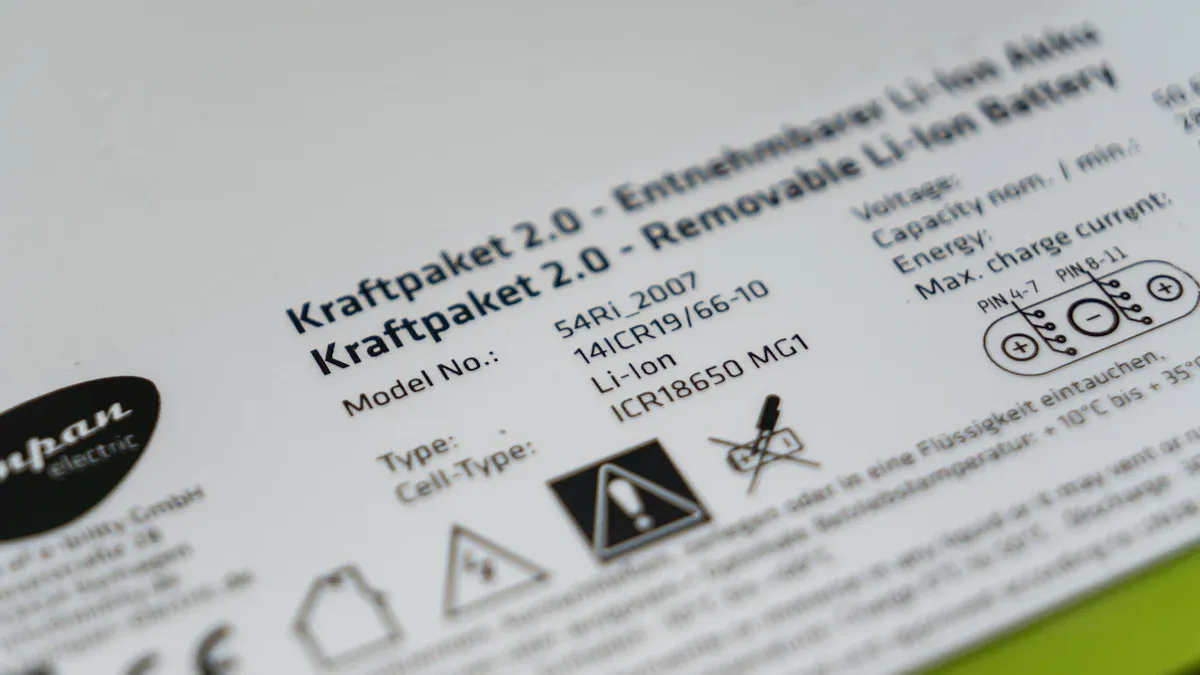
You should always read the label and datasheet before you buy li polymer battery packs. These documents give you the facts you need. Here is what you must check:
- Check the voltage. Your device manual tells you the right voltage. Never use a battery with higher voltage than allowed.
- Look at the capacity (mAh). Higher capacity means longer use, but also more weight. For drones, balance power and weight.
- Find the C rating. This shows how much current the battery can give. Pick a battery with at least 1.5 times your device’s peak current.
- Measure the size. Make sure the battery fits your device’s compartment.
- Check if your charger works with the battery’s chemistry and cell count.
- Look for safety marks like CE, RoHS, or UN38.3. These show the battery meets safety rules.
- Avoid li polymer battery packs with missing datasheets, fake specs, or no contact info.
? Tip: If you see a tiny battery with a huge C rating, it is probably not real.
Balancing Performance and Cost
You want li polymer battery packs that give you the best performance for your budget. Do not just pick the cheapest pack. Cheap batteries may fail early or even damage your device. Look for packs that match your needs in power, size, and safety. Sometimes, paying a little more gives you a battery that lasts longer and works better.
- Compare the price with the features.
- Think about how often you use your device.
- Choose li polymer battery packs that offer good value, not just a low price.
Brand Reliability
You should trust the brand you buy from. Reliable brands test their li polymer battery packs for safety and performance. They offer warranties and have clear contact information. You can check reviews from other users to see if the battery works well.
| Criteria | Description |
|---|---|
| Cycle Life | How many times you can charge and use the battery before it wears out. |
| Discharge Capability | How well the battery handles sudden power needs. |
| Operating Conditions | How the battery performs in different temperatures and environments. |
| Safety and Reliability | What safety features and certifications the battery has. |
- Look for a warranty.
- Check for safety certifications.
- Read user reviews.
If you have questions about li polymer battery packs, send us a message. We want to help you make the best choice for your device.
Best Lithium Battery Pack Safety & Maintenance
You want your lithium polymer battery pack to last a long time. You also want your device to stay safe. You can do both by following smart safety and care steps. These steps protect your battery and help you feel calm.
Safe Charging and Storage
Charging and storing your battery the right way helps it last longer. It also keeps safety ratings high. Always use chargers and accessories that are approved. Using the wrong charger can lower safety ratings and make the battery not last as long. If you smell something strange, feel heat, or see swelling, stop using the battery right away. Damaged batteries can lower safety ratings and put you in danger.
Be gentle with your battery. Dropping or crushing it can hurt the cells and make it not last as long. If you will not use your battery for a while, store it at half charge. This helps keep the battery healthy and keeps safety ratings strong. Charge your battery every two or three months to keep it working well.
| Safety Practice | Description |
|---|---|
| Charge only with approved accessories | Using chargers that are not approved can cause overcharging and damage the battery. |
| Discontinue use if abnormalities are observed | If the battery smells odd, feels hot, or changes shape, stop using it right away. |
| Avoid using damaged battery packs | Do not use batteries that look damaged. |
| Handle batteries carefully | Dropping or crushing batteries can cause fire or chemical leaks. |
| Store batteries at half charge for long periods | Storing batteries fully charged or empty can hurt their life. |
| Charge batteries every two to three months | Charging often helps keep the battery healthy and lasting longer. |
Handling and Usage Tips
You can stop accidents by following easy tips. Always recharge with the charger made for your battery. Using the wrong charger can lower safety ratings and even cause fires. Only use your battery pack with devices that match its safety ratings. Keep your battery away from metal things when not in use. Metal can cause short circuits and make the battery not last as long.
If you see any liquid coming out of the battery, do not touch it. Wash with water and get help from a doctor if needed. These steps keep you safe and help your battery last longer.
| Safety Tip | Description |
|---|---|
| Recharge only with the charger specified by the manufacturer. | Using the wrong charger can cause fires. |
| Use power tools only with specifically designated battery packs. | Using other battery packs can make injury or fire more likely. |
| Keep battery packs away from metal objects when not in use. | Metal can short the battery and cause burns or fire. |
| Avoid contact with ejected liquid from the battery. | Battery liquid can hurt your skin; wash with water and get help if needed. |
Extending Battery Life
You can help your lithium polymer battery pack last longer with a few easy habits. Keep the charge between 20% and 80%. Do not let the battery go all the way to empty or charge it to 100% all the time. This helps the battery last longer and keeps safety ratings high. Do not let your battery get too hot or too cold. High heat can make the battery not last as long and hurt safety ratings.
Turn on optimized charging if your device has it. This helps the battery last longer and keeps safety ratings high. Do not use your device while charging it a lot. This keeps the battery healthy and supports safety ratings. Always use original or certified chargers to protect the battery and keep safety ratings high.
- Keep the charge between 20% and 80% to help the battery last.
- Avoid very hot or cold places to keep safety ratings and battery life good.
- Turn on optimized charging for better battery life and safety ratings.
- Do not use the device during heavy charging to help the battery last.
- Use original or certified chargers to keep safety ratings and battery life high.
You can get the most from your battery pack by following these steps. You will have a battery that lasts longer, stays safe, and works well. If you have questions about safety ratings or want to know more about making your battery last, send us a message. We are here to help you pick the best battery for your device.
Where to Buy Li Polymer Battery Packs
Trusted Sources
You want your device to be safe and last long. Buy li polymer battery packs from trusted places. Pick big electronics stores, official brand sites, or certified online shops. These sellers test batteries and follow safety rules. You get real products and help if you have questions.
? Tip: Always read customer reviews and ratings before buying. Good reviews mean the seller cares about quality.
You can ask your device’s maker for approved sellers. This helps you avoid fake or bad batteries. Trusted sellers give you peace of mind and protect your device.
What to Check Before Buying
Check a few things before you buy a li polymer battery pack. This helps you pick the right battery and avoid problems. Look at the table below for important things:
| Factor | Description |
|---|---|
| Capacity | Make sure the battery holds enough energy for your needs. |
| Voltage | Match the battery voltage to your device for safe use. |
| Brand Compatibility | Check that the battery works with your device’s brand. |
| Maximum Power Output | Pick a battery that can handle your device’s power needs. |
| Operating Temperature | Choose a battery that works well in your environment. |
| Charger Compatibility | Use a charger that fits the battery pack. |
Always check the battery’s label and datasheet. Look for safety marks and clear contact info. Ask the seller about warranties and return rules. This shows the seller stands behind their product.
✅ Pick batteries from brands with a good record. This lowers your risk and keeps your device safe.
If you are unsure, send us your questions. We want to help you find the best battery for your device.
Myths About Lithium Polymer Battery Packs
Common Misconceptions
You might hear things about lithium polymer battery packs that are not true. These myths can make you worry or pick the wrong battery. Let’s look at some common misconceptions:
-
Lithium batteries degrade rapidly
Some people think these batteries lose power fast. But they can last for thousands of charge cycles. The battery only loses a little capacity over time. -
Lithium batteries are dangerous and can explode
Many believe these batteries explode easily. Modern battery packs have safety systems. If you use them right, the risk is very low. -
You need to fully discharge a battery before recharging it
Some say you must drain your battery before charging. This is not true. Keeping your battery between 20% and 80% helps it last longer. -
Lithium batteries fully discharge when not in use
People think batteries lose all their charge in storage. Lithium polymer batteries discharge slowly. You should store them with a charge between 40% and 60%. -
Lithium batteries do not perform well in cold temperatures
You might worry about using your battery in cold weather. Cold can affect performance, but new technology helps batteries work better in low temperatures. -
Lithium batteries pollute more than other technologies
Some say these batteries harm the environment more. Lithium polymer batteries often have a lower environmental impact. They are better when used in green devices.
? Tip: Knowing the facts helps you pick the best battery and use it safely.
Facts vs. Myths
| Myth | Reality |
|---|---|
| Batteries lose power quickly | They last for thousands of cycles with proper care. |
| Batteries explode easily | Safety features make explosions rare. |
| Full discharge before charging is needed | Partial charging keeps batteries healthy. |
| Batteries lose all charge in storage | They discharge slowly; store at 40–60% charge. |
| Poor cold weather performance | Modern batteries work better in cold with new technology. |
| High pollution compared to other batteries | Lower environmental impact in many cases. |
You can trust lithium polymer battery packs if you know the facts. Pick wisely, follow safety tips, and ask questions if you need help. Your device will work better, and you will feel sure about your choice.
You can pick the right lithium polymer battery pack by doing these things: First, check what your device needs for power and how long it runs. Next, make sure the battery’s discharge profile matches how you use your device. Look for safety certifications and buy from brands people trust. Read reviews to learn what other users think. Only buy from sellers who are reliable.
Safety is important. The table below explains why you should care about quality and protection:
| Aspect | Importance |
|---|---|
| Safety Features | Stops dangers and keeps you safe. |
| Manufacturer Reputation | Helps you get a product you can trust. |
Always read reviews before you buy anything. If you want to learn more, check out webinars, training classes, or research articles about battery technology.
FAQ
What makes rc lithium polymer batteries better for my RC device?
Rc lithium polymer batteries give your RC device more power. They are lighter than other batteries. Your RC cars, planes, and boats run longer. You can go faster with these batteries. You get better performance and have more fun each time.
How do I read battery specifications for rc lithium polymer batteries?
Check the battery voltage first. Make sure it matches your device. Look at the capacity to see how long it will run. Find protection features on the label. This helps you pick a safe battery that works best for you.
Why is protection important for rc lithium polymer batteries?
Protection keeps your battery and device safe. It stops overheating and overcharging. It also prevents short circuits. This lowers the risk of fire or damage. Always choose batteries with built-in protection for safety.
Can I use a rechargeable li ion battery instead of rc lithium polymer batteries?
Do not swap these batteries. Rc lithium polymer batteries give higher power and are lighter. A rechargeable li ion battery may not fit or work well. Use the battery type your device recommends for best results.
How do I make rc lithium polymer batteries last longer?
Charge your batteries the right way. Store them at half charge. Do not let them get too hot or too cold. Use batteries with protection features. Follow these steps to get more cycles and better performance.
? Tip: If you have questions about rc lithium polymer batteries, send us a message. We are ready to help you pick the right battery for your device!
-

 May.2026.09.17Meet A&S Power at KES 2026 in Seoul – Custom Lithium Battery SolutionsLearn More
 -
 May.2026.09.16How to Choose a Custom Lithium Battery Manufacturer in China: A Buyer's GuideLearn More
 -
 May.2026.09.15Can VHR-4N Connectors Work With 14 AWG Battery Wires?Learn More
 -
 May.2026.09.14Who Pays UL Battery Certification Maintenance Fees?Learn More
 -
 May.2026.09.11PTC vs PCM: Why Use Both in Lithium Battery Protection?Learn More