




Lithium LiPo Battery for Internet of Things (IoT) and Smart Hardware
Introduction: Power Is the Hidden Bottleneck of IoT Devices
When people talk about IoT and smart hardware, they often focus on connectivity protocols, cloud platforms, or firmware intelligence. In real-world product development, however, battery selection is one of the most decisive factors affecting device size, reliability, lifetime, and user experience.
As an engineer and supplier working with IoT manufacturers, we see the same question repeatedly:
“Which battery chemistry actually works best for compact, connected devices?”
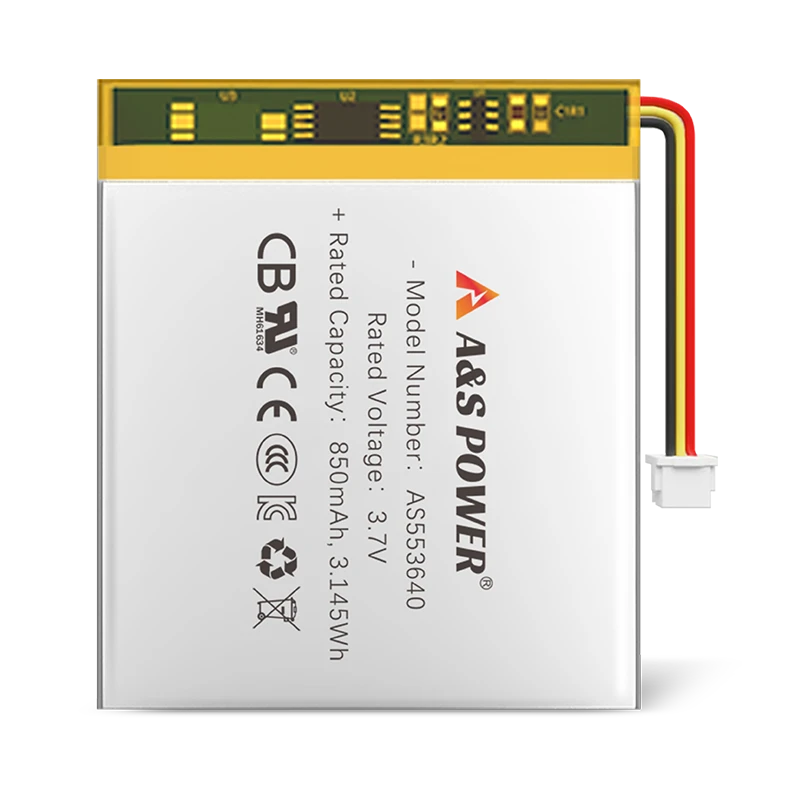
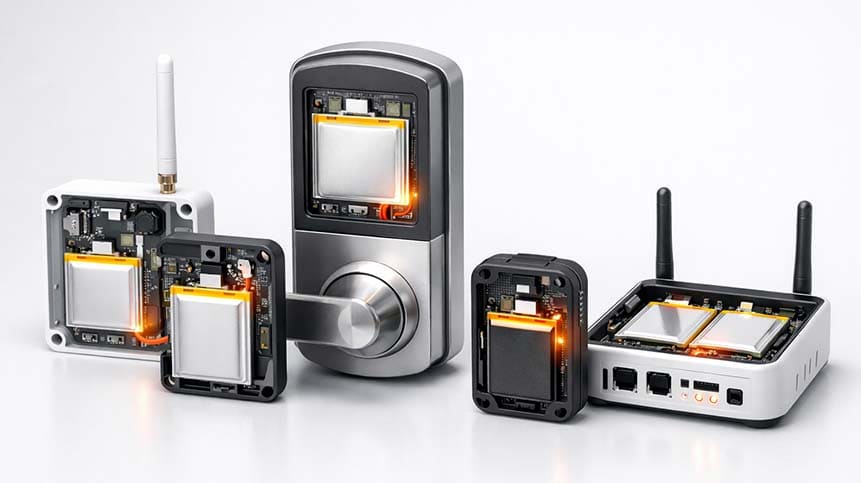
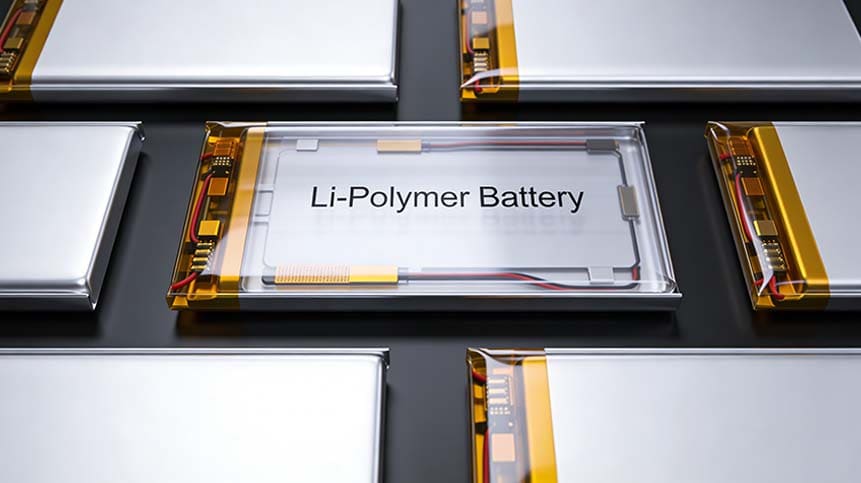
For a wide range of battery-powered IoT nodes, lithium polymer (LiPo) batteries have become the default choice. From wireless sensor nodes and smart locks to GPS trackers and connected gateways, LiPo pouch cells offer an optimal balance between energy density, size flexibility, and rechargeability.
This guide explains why LiPo batteries dominate modern IoT hardware, how to select the right specifications, and how power management strategies directly influence runtime and system reliability.
Why Lithium LiPo Batteries Are Widely Used in IoT
Compact Form Factor for Space-Constrained Designs
IoT devices are getting smaller, thinner, and more integrated. Unlike cylindrical or prismatic cells, LiPo pouch cells can be manufactured in custom shapes and thicknesses, often ranging from 3 mm to 8 mm, which is ideal for:
-
Wearable trackers
-
Slim smart locks
-
Compact sensor housings
-
Embedded modules inside plastic enclosures
This mechanical flexibility allows industrial designers to optimize enclosure size without compromising capacity.
Stable Voltage for Sensitive Electronics
Most IoT devices rely on:
-
Microcontrollers (MCUs)
-
Sensors (temperature, humidity, motion)
-
Wireless radios (BLE, Wi-Fi, LoRa, NB-IoT, LTE-M)
LiPo batteries provide a nominal voltage of 3.7V with relatively flat discharge curves, making them compatible with modern power management ICs and DC-DC converters. This voltage stability is especially important for:
-
GPS receivers
-
Cellular modems
-
RF front-end circuits
Rechargeability and Lifecycle Expectations
Many IoT devices are no longer disposable. Users expect:
-
USB charging
-
Magnetic dock charging
-
Solar-assisted charging
Industry supplier documentation for GPS pet trackers and asset locators confirms that rechargeable Li-ion and LiPo batteries are the dominant choice for devices that require periodic charging. While some ultra-long-life trackers still use primary lithium chemistries, LiPo pouch cells remain standard where recharging is expected.
Typical IoT Use Cases for Lithium LiPo Batteries
Wireless Sensor Nodes (Temperature / Humidity)
Wireless sensor nodes are commonly deployed in:
-
Smart buildings
-
Industrial monitoring
-
Environmental sensing
-
Agriculture and cold-chain logistics
These devices usually operate with very low duty cycles, waking up periodically to collect sensor data and transmit small payloads.
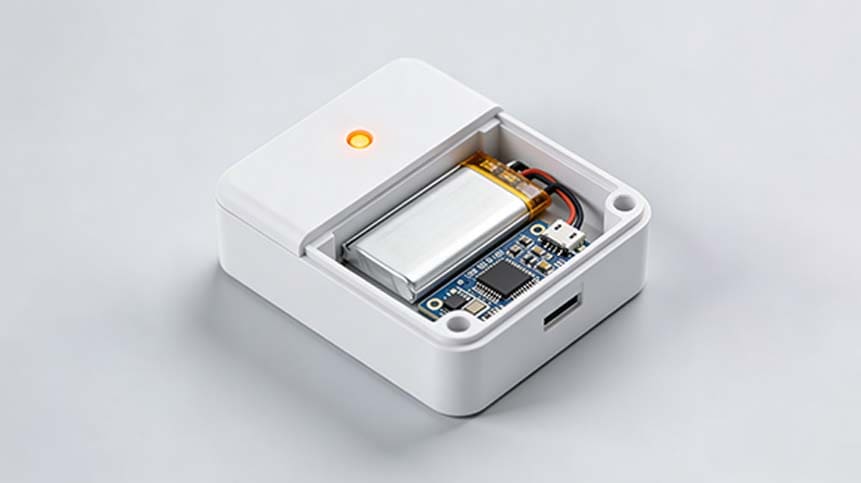
Battery requirements:
-
Small capacity (300–1000mAh)
-
Long calendar life
-
Excellent low self-discharge
-
Compatibility with deep sleep modes
LiPo batteries paired with aggressive sleep firmware allow these nodes to operate for months or even years, depending on transmission frequency.
Smart Locks and Access Control Devices
Smart locks require reliable power for:
-
Motors or solenoids
-
Wireless communication (BLE, Wi-Fi)
-
Keypad or fingerprint modules
Unlike sensor nodes, smart locks experience high current pulses during unlocking operations.
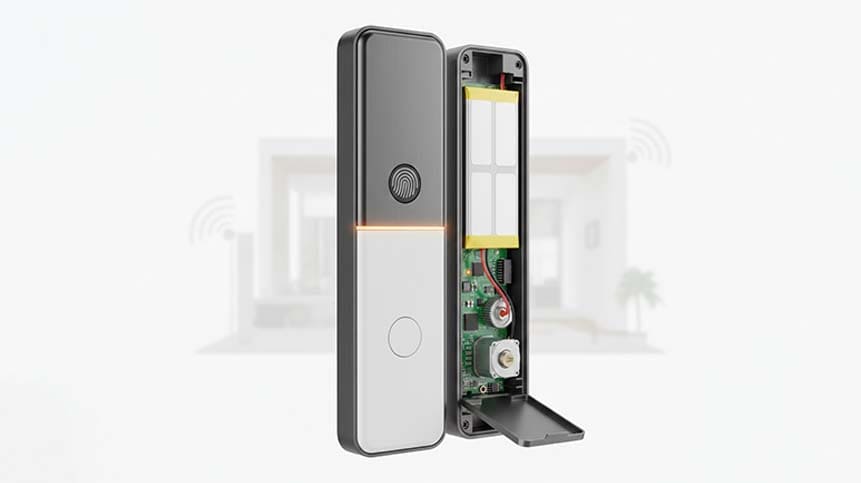
Why LiPo works well:
-
Capable of delivering high discharge current
-
Compact enough to fit slim door designs
-
Rechargeable via USB or docking stations
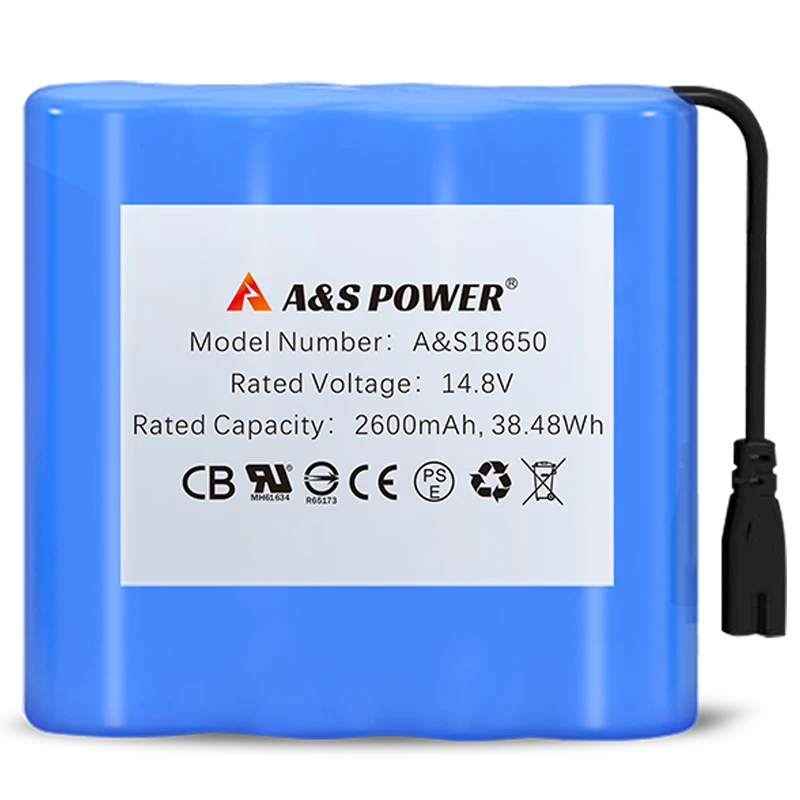
Most modern smart locks use medium-capacity LiPo cells (1000–3000mAh) combined with intelligent power budgeting.
GPS Trackers (Pet Collars, Asset Locators)
GPS trackers represent one of the most power-intensive IoT applications.
Energy consumption is dominated by:
-
GPS signal acquisition
-
Cellular data transmission
Industry design guides note that rechargeable Li-ion / LiPo batteries are standard in most consumer GPS trackers, especially for pet collars and personal devices.
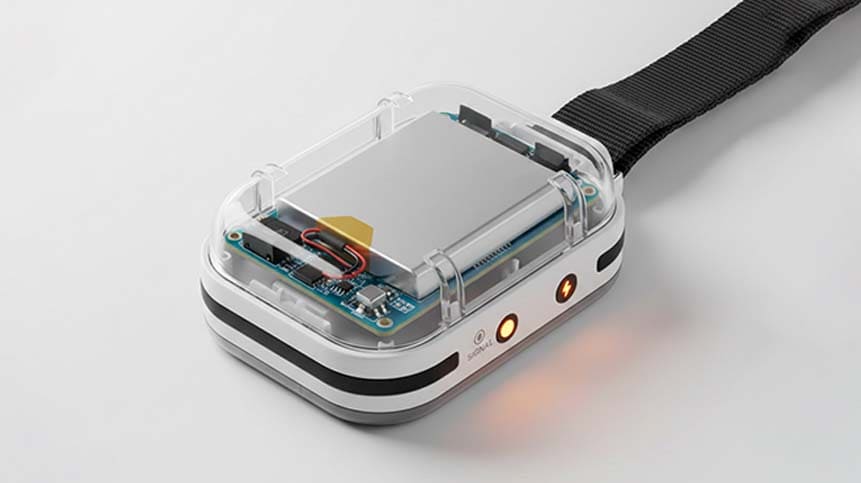
Key considerations:
-
Continuous tracking requires larger capacities (2000–5000mAh)
-
Intermittent reporting allows smaller cells
-
Firmware optimization is as important as battery size
Ultra-long-life asset trackers may use primary batteries, but LiPo pouch cells are preferred when user recharging is part of the product experience.
Connected Gateways with Sleep / Wake Cycles
Some IoT gateways operate on battery power with periodic wake cycles, such as:
-
Portable data aggregators
-
Temporary monitoring systems
-
Backup communication nodes
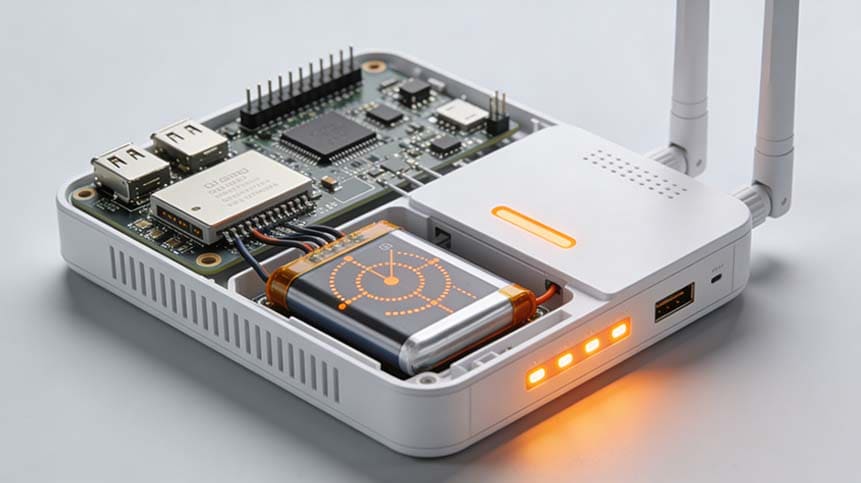
LiPo batteries enable:
-
Stable operation during wake cycles
-
Fast recharge between deployments
-
Reduced device weight compared to lead-acid alternatives
Typical Specifications of LiPo Batteries for IoT Devices
| Parameter | Typical Range |
|---|---|
| Nominal Voltage | 3.7V |
| Capacity | 300mAh – 5000mAh |
| Thickness | 3–8 mm (customizable) |
| Cycle Life | 300–500 cycles |
| Discharge Rate | 0.5C – 2C |
| Operating Temperature | -20°C to +60°C (design dependent) |
Actual performance depends on cell quality, protection circuit design, and system-level power management.
Battery Capacity Selection Based on Duty Cycle
Low-Power IoT (BLE / LoRaWAN)
-
Short transmission bursts
-
Long sleep intervals
-
Minimal processing time
Recommended capacity: 300–800mAh
These designs rely more on firmware efficiency than raw battery size.
Medium-Power IoT (Wi-Fi / NB-IoT)
-
Periodic data uploads
-
Higher standby consumption
Recommended capacity: 1000–2500mAh
Power management becomes critical to prevent excessive drain during idle states.
High-Power IoT (GPS + Cellular)
-
Continuous tracking
-
Frequent network communication
Recommended capacity: 3000–5000mAh or external battery packs
Without energy optimization, even large batteries will drain quickly.
Power Management Strategies That Extend Runtime
Aggressive Sleep Modes
Modern MCUs and radios support microamp-level sleep currents. Effective firmware design can reduce energy usage by orders of magnitude compared to always-on operation.
Telemetry Batching
Instead of transmitting data continuously, many IoT devices store data locally and transmit it in batches. This significantly reduces radio-on time, which dominates energy consumption.
Capacitive Backup and Load Buffering
Capacitors are often used to buffer high current peaks (e.g., GPS fix acquisition), reducing stress on the battery and improving overall efficiency.
Safety, Protection, and Certification Considerations
For commercial IoT products, LiPo batteries must integrate:
-
Overcharge protection
-
Over-discharge protection
-
Short-circuit protection
In addition, compliance with international standards is essential:
-
UN38.3 for transportation
-
IEC 62133 for safety
-
CE / FCC (system-level compliance)
Selecting a reputable battery supplier with documented testing is critical for long-term reliability.
FAQ – Lithium LiPo Batteries for IoT
Are LiPo batteries safe for IoT devices?
Yes. When properly designed with protection circuits and certified cells, LiPo batteries are widely used in commercial IoT products worldwide.
Why not use primary lithium batteries instead?
Primary batteries offer long shelf life but are not rechargeable. For consumer and serviceable IoT devices, LiPo batteries reduce long-term operating cost and improve user experience.
How long can a LiPo-powered IoT device run?
Runtime depends on duty cycle, radio technology, and firmware design. Low-power sensors can run for months, while GPS trackers may require frequent charging.
Can LiPo batteries support solar charging?
Yes. Many IoT systems combine LiPo batteries with small solar panels and charge controllers for extended autonomous operation.
Conclusion: Matching Battery Strategy to IoT Reality
There is no single “best” battery for all IoT devices. However, lithium LiPo batteries have proven to be the most versatile and scalable solution for modern smart hardware.
By combining:
-
Correct capacity selection
-
Intelligent power management
-
Certified battery sourcing
manufacturers can build IoT products that are compact, reliable, and commercially successful.
If your IoT project requires custom-sized LiPo batteries, optimized discharge performance, or compliance-ready solutions, choosing the right battery partner is as important as choosing the right chipset.
Related articles:
3.7V LiPo Battery Applications: an industry guide
Lithium LiPo Battery for Portable Consumer Electronic Devices
Lithium LiPo Battery for Beauty Products (K-Beauty & Beyond)
3.7V Lithium Battery Customization: A Complete OEM & Engineering Guide
Custom LiPo Battery: OEM Lithium Polymer Battery Solutions Built for Your Product
-

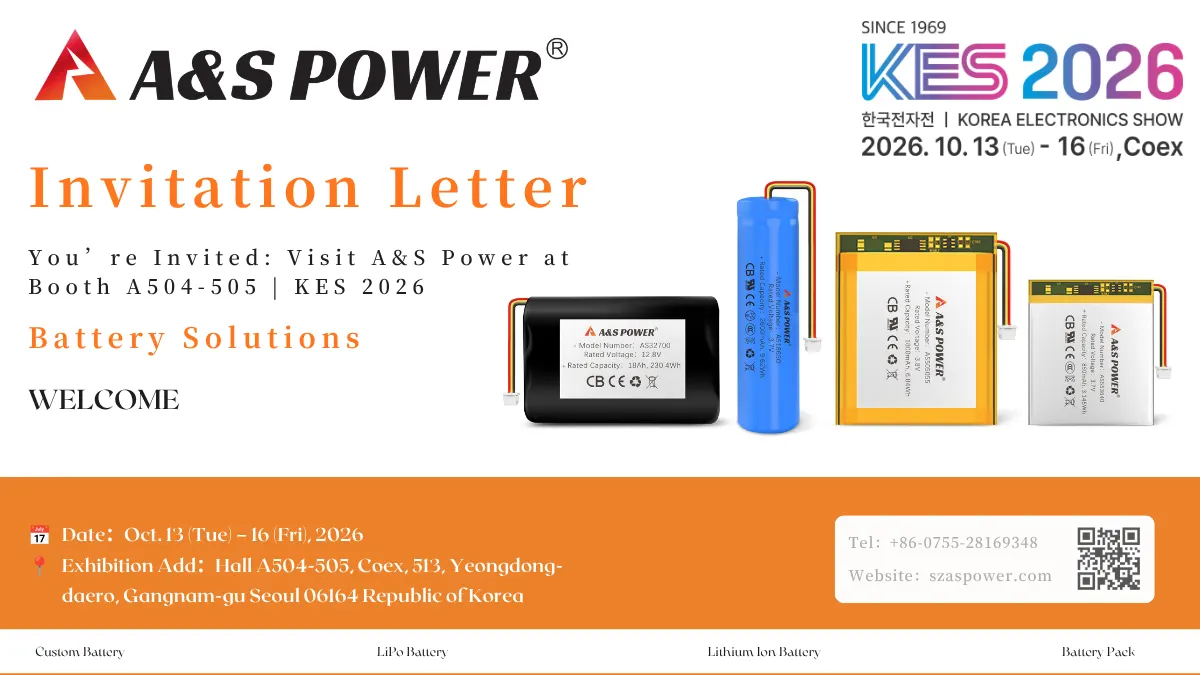 May.2026.09.17Meet A&S Power at KES 2026 in Seoul – Custom Lithium Battery SolutionsLearn More
 -
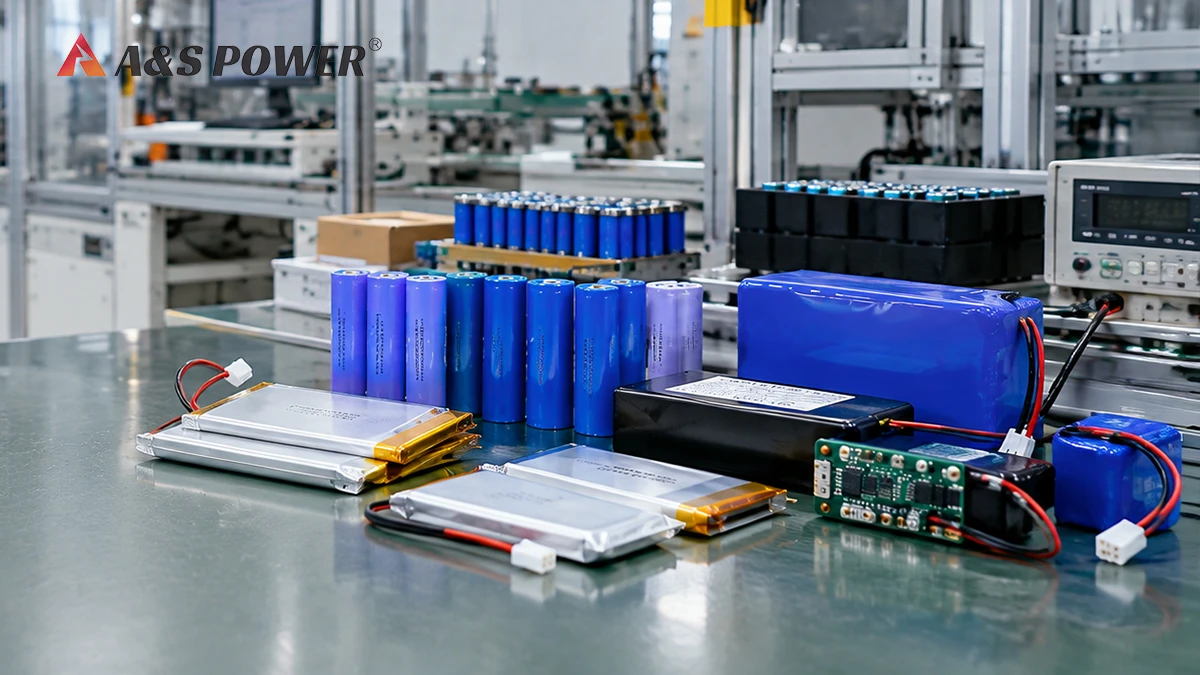 May.2026.09.16How to Choose a Custom Lithium Battery Manufacturer in China: A Buyer's GuideLearn More
 -
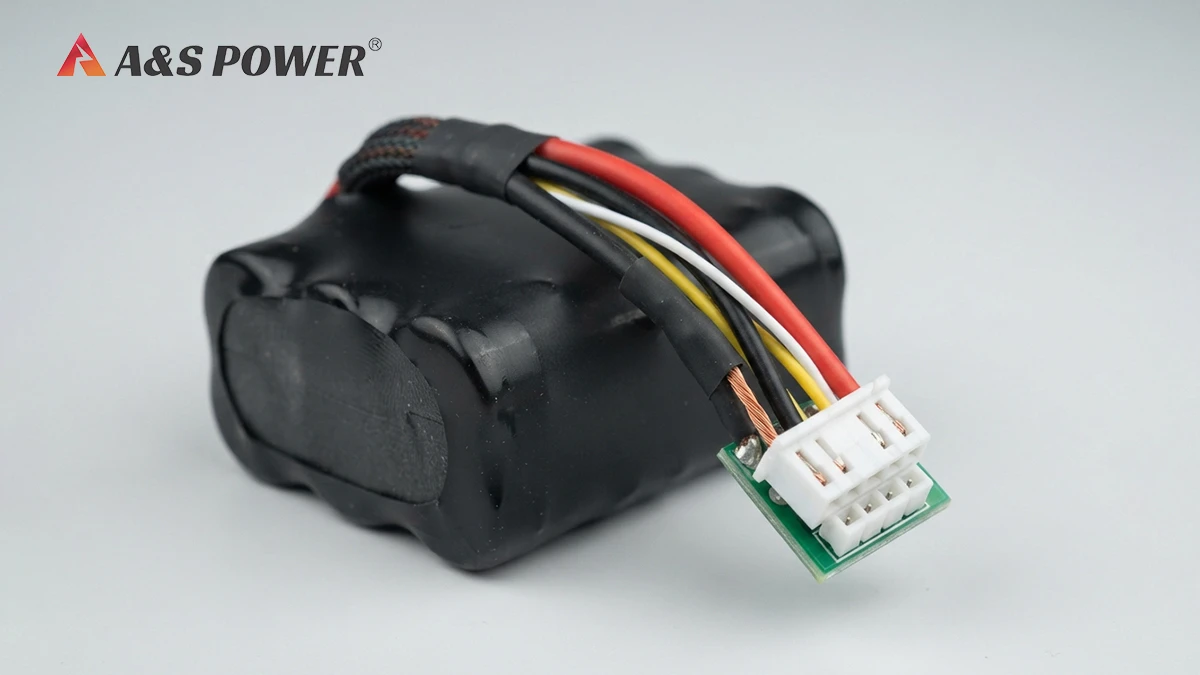 May.2026.09.15Can VHR-4N Connectors Work With 14 AWG Battery Wires?Learn More
 -
 May.2026.09.14Who Pays UL Battery Certification Maintenance Fees?Learn More
 -
 May.2026.09.11PTC vs PCM: Why Use Both in Lithium Battery Protection?Learn More